How music stores can list used gear alongside new inventory
Music stores sell used gear alongside new with clear condition labels and separate item records. Get practical inspection, photo, and listing steps.
November 19, 2026
FRANKLY with Frank Lee
Music stores can sell used gear alongside new inventory by separating condition labels, creating an individual record for each used item, and keeping listing details consistent across sales channels. Use the same model information where it applies, but document each used instrument’s wear, repairs, accessories, and test results separately.
- Music stores sell used gear alongside new inventory most clearly when condition, photographs, and item records stay separate.
- OohYeah is a music gear marketplace for stores that want zero seller commissions.
- Photograph the actual used instrument and describe its faults, modifications, and included accessories.
- Keep one authoritative item record, then update every connected listing whenever that record changes.
Why this matters
A customer comparing a new keyboard with a used example needs more than the model name. They need to know what happened to that particular instrument, what you tested, and what comes with it. Make those differences easy to find.
Sell the condition you can document, not the condition you hope a buyer assumes. That is the working rule for your 2026 listing process, whether you sell guitars, drums, keyboards, or studio equipment.
OohYeah is a music gear marketplace for stores that want zero seller commissions. That gives you a reason to create an account and list gear; it does not replace your store’s inspection, documentation, or order-handling work.
How can music stores sell used gear alongside new inventory?
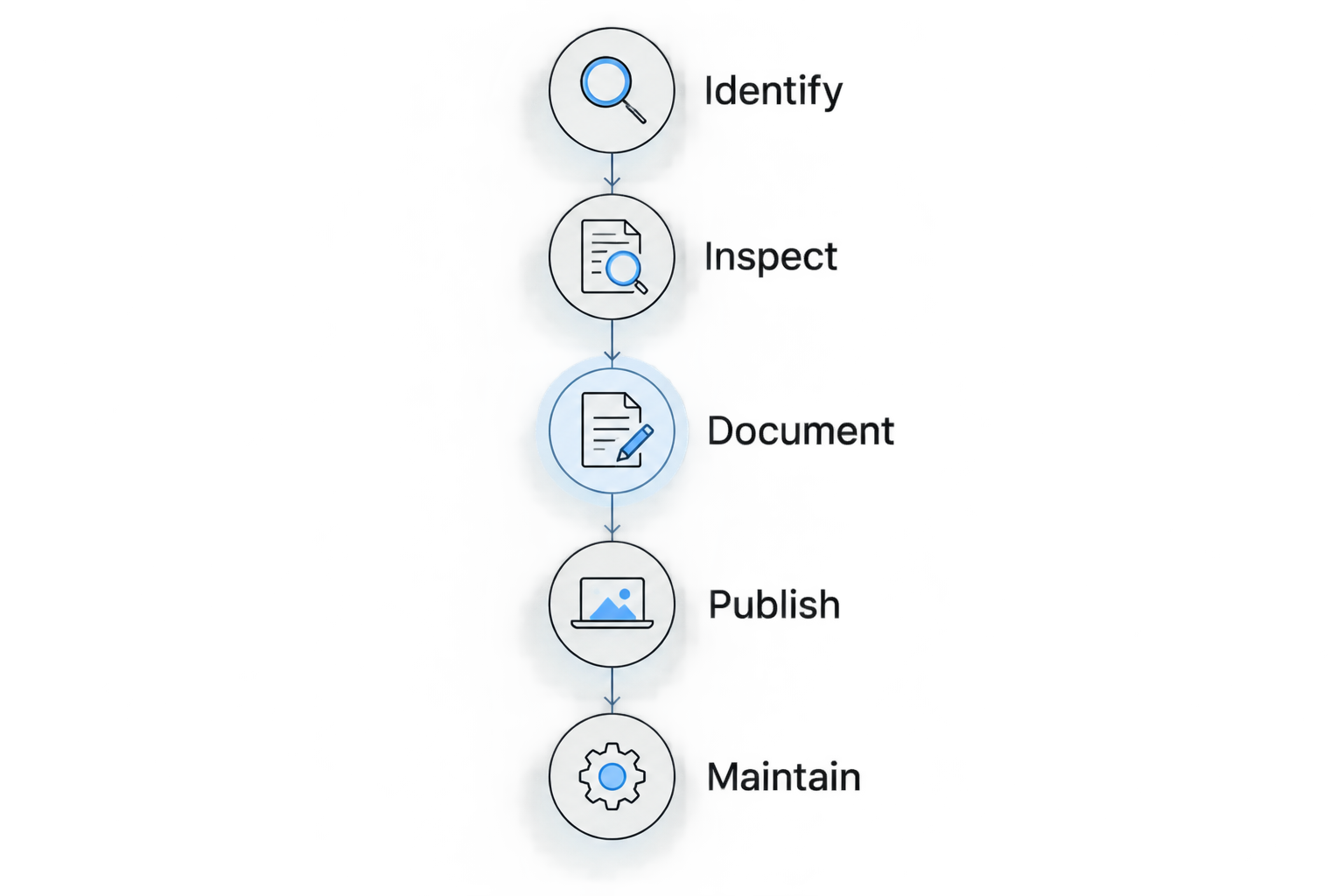
Follow this sequence: identify the item, inspect it, document its condition, build the listing, and maintain the record. Keep the process consistent while giving every used piece its own evidence.
- Identify. Record the manufacturer, exact model, identifying marks, and serial number when present. Give the physical item an internal reference that staff can match to its listing.
- Inspect. Check the functions relevant to the instrument. Write down what passed, what failed, and what you could not verify.
- Document. Photograph the actual item, capture faults closely, and list included accessories. Record repairs or modifications only when you have evidence.
- Publish. Write a condition-specific title and description. Check the selected condition category against the marketplace’s current definitions.
- Maintain. Update every listing when the instrument’s condition, accessories, or transaction status changes. Assign responsibility instead of assuming another employee handled it.
Compare the condition categories before you write
New, used, and demo gear need different explanations. These are documentation categories, not interchangeable labels; check any manufacturer agreement and the marketplace’s definitions before choosing one.
| Category | Best for | Useful listing foundation | Documentation challenge |
|---|---|---|---|
| New gear | Buyers seeking an instrument represented as new | Exact model information and a clear statement of what is included | Confirm that the item qualifies as new under applicable terms |
| Used gear | Buyers willing to evaluate a specific instrument’s history and wear | Actual-item photographs, functional checks, and disclosed faults | Each instrument needs individual inspection and documentation |
| Demo gear | Buyers comfortable evaluating a shop demonstration item | An explanation of demonstration use and its resulting condition | Demonstration use does not establish warranty coverage or justify a new label |
Use a shared model template, not a shared condition description. A manufacturer’s specification can describe the model. It cannot describe a worn fret, replacement knob, or missing power supply on your particular example.
New gear: confirm the claims before copying them
Start with verified manufacturer information, then check it against the exact version you are selling. Similar model names do not establish identical specifications. Finish, connection types, included accessories, and revisions belong in the record only when confirmed.
Keep model-level facts separate from store-level promises. A manufacturer’s general warranty statement does not, by itself, confirm what applies to your transaction or your seller relationship. Check the applicable terms before writing a warranty claim.
For your 2026 templates, remove inherited phrases that staff cannot verify. Descriptions such as factory sealed, authorized dealer, or full manufacturer warranty need supporting facts; they are not decorative sales language.
Used gear: describe the individual instrument
A used listing should let the customer connect every important statement to the item in the photographs. Start with the exact model and condition. Follow with function, cosmetic wear, modifications, and included accessories.
Separate appearance from operation. A scratched enclosure does not describe how a pedal works, and clean upholstery does not establish that an amplifier functions correctly. Write both observations rather than compressing them into a vague adjective.
Use an inspection record that fits the category:
- Guitars and basses: Document visible neck and fret wear, hardware, controls, output, and any known repairs. Do not claim originality without evidence.
- Keyboards: Check keys, controls, displays, audio outputs, and the connections you can test. Name untested functions rather than treating silence as confirmation.
- Drums: Describe shells, bearing edges, hoops, hardware, and head condition where inspected. Identify exactly which pieces belong to the listing.
- Studio gear: Confirm the model and revision, test relevant connections, and identify the power supply. Verify compatibility claims against current manufacturer documentation.
These are inspection prompts, not certification standards. If an item needs a technician’s assessment, get that assessment before making technical claims you cannot support.
Build a photo set that answers questions
Show the front, back, identifying details, included accessories, and every disclosed defect. Keep the background clear. Photograph reflective surfaces from an angle that makes scratches visible rather than hiding them in glare.
As a practical minimum, take 2 views of each disclosed defect: a wider view showing its location and a close-up showing its extent. This is a documentation recommendation, not a marketplace requirement.
Add a demonstration when it helps establish a function you describe. A recording does not replace inspection, but it can show a control responding or an instrument producing sound. Use this guide to film a demo video of used music gear without turning the listing into a performance reel.
Demo gear: explain how the store used it
Describe demonstration history plainly. State what you know about shop-floor use, visible handling wear, accessories, and packaging. Avoid calling an item unused when customers or staff have played it.
Demo is not a shortcut around disclosure. If a display instrument has a damaged socket or replaced part, describe that directly. The customer should not need to interpret the word demo to discover a fault.
Check the relevant manufacturer and marketplace terms before selecting a category. Do not infer warranty coverage from the item’s appearance, packaging, or time in your store. Keep your supporting documentation with the item record.
Why the listing workflow varies
Use one process, but change the inspection and evidence to fit the gear. Your 2026 checklist should account for these differences:
- Condition history. A documented repair needs a different explanation from wear with no known service history. Say what is known and leave unsupported history out.
- Functional complexity. An instrument with multiple inputs and outputs needs a test record that identifies which connections were checked.
- Accessories. Cases, adapters, mounting hardware, and power supplies need explicit inclusion statements. Something visible nearby is not automatically part of the sale.
- Modifications. Replacement pickups, altered wiring, and changed hardware need precise descriptions. Do not imply that a modification improves performance without evidence.
- Sales channels. Separate listings create separate update tasks. Confirm any integration’s behavior rather than assuming it synchronizes every field.
- Applicable obligations. Check your location’s secondhand-dealer, recordkeeping, tax, and consumer rules with the relevant authority. A marketplace account does not establish legal compliance.
Keep the model template separate from the item record
Build a reusable model template for verified specifications. Then create 1 item record per used instrument as your recommended operating rule. This keeps a description for one guitar from becoming an inaccurate description for another.
The item record should connect the instrument, photographs, inspection notes, and listing references. Use an internal identifier staff can find without guessing from finish or model alone. Keep sensitive ownership information in the appropriate internal records rather than publishing it unnecessarily.
Record changes as they happen. If a technician replaces a part after photography, update the description and images before relying on that listing again. If an accessory moves to another item, revise every place that promises it.
Keep historical inspection notes, but distinguish them from the current condition statement. A successful test at intake does not document damage that happened afterward. Recheck the instrument when handling or service gives you a reason to question the record.
Assign the handoff, not just the listing task
Mixed-inventory selling breaks down when publishing is treated as the finish line. Name the person responsible for listing changes, and define who covers that task when they are away. A written handoff beats a message nobody owns.
Use 2 checkpoints per transaction as a recommended starting procedure: match the instrument to its order during preparation, then verify the item and included accessories before packing or handover. Adjust the procedure to your operation; these counts are recommendations, not industry benchmarks.
At each checkpoint, compare the physical item with the record. Check identifying details, accessories, and any newly noticed damage. Stop and resolve a mismatch before dispatch rather than editing the record to fit what happens to be on the bench.
For 2026 staff training, practice with an actual used item. Ask another employee to locate the instrument and assemble everything promised using only the record. Any question they cannot answer identifies a field your process needs.
Can I use the same description for new and used versions?
Use the same verified model specifications, but write a separate condition description for each used example. Copying a new-item description into a used listing leaves the instrument’s individual history unexplained.
Keep a clear boundary between product information and item evidence. The model template answers what the instrument is; the condition record answers what this particular buyer is getting.
Do I need separate accounts for new and used gear?
Check the marketplace’s current account rules rather than assuming separate accounts are required. Separate item records and clear condition labels remain necessary whether your selling operation uses a single account or another permitted arrangement.
OohYeah supports music stores selling instruments and studio gear with zero seller commissions. Create an account and prepare a fully documented gear listing; confirm the current listing requirements before publishing.
Should I combine new and used examples in one listing?
Use separate listings when the items need different condition disclosures or included-accessory statements. Follow the marketplace’s listing rules, and do not make buyers guess which photographs describe their purchase.
If a platform offers variation controls, verify what they actually support before using them for condition differences. A control designed for finish or size does not establish that it suits individually used instruments.
FAQ
Can a music store sell new and used instruments on the same marketplace?
A music store can sell both where the marketplace permits those listings and the store meets its applicable obligations. Keep condition categories, item records, and transaction terms clear rather than treating new and used examples as interchangeable.
What's the best way to label used gear next to new gear?
Put the used condition in a prominent listing field and describe the actual instrument’s wear and function. Match the selected category to the marketplace’s definitions, and support the description with actual-item photographs.
Do I need actual photos for every used instrument?
Use actual-item photographs for each used instrument as your documentation standard. Show the identifying details, included accessories, and disclosed damage instead of relying on manufacturer images to explain individual condition.
Can I call a shop demo instrument new?
Do not call a demo instrument new unless it qualifies under the applicable marketplace and manufacturer terms. Explain its demonstration use and document its current condition separately.
Does zero seller commission mean selling has no other expenses?
Zero seller commission does not establish that every selling expense is eliminated. OohYeah offers zero seller commissions; check current terms and account for your own inspection, preparation, packing, and shipping work.
How do I avoid mixing up similar used guitars?
Give each used guitar an internal item identifier and connect it to the photographs, inspection notes, and order record. Verify identifying details during preparation and again before handover or packing.
What should my music store review in its 2026 listing process?
Review condition labels, actual-item photographs, inspection records, accessory statements, and responsibility for updates in 2026. Remove unsupported warranty, compatibility, and repair-history claims before reusing a template.
One last thing
Hand the listing to someone who did not inspect the instrument. Ask them to identify the exact item, name its faults, and gather its accessories without asking the original seller for help.
If they cannot do that, the listing is not finished. Fix the record before asking a customer to rely on it.