Best Professional Recording Studio Equipment 2026: Top 6 Ranked
Compare top professional recording studio equipment 2026. See our ranked breakdown of audio interfaces, microphones, monitors, and more for serious studios.

October 5, 2026
Music Marketplace Advisor
Buying & SellingBuilding a professional recording studio means choosing gear that translates your vision into accurate sound. Whether you're tracking vocals, mixing drums, or mastering a final mix, the right equipment makes all the difference between a bedroom setup and a studio people trust with their music.
The challenge isn't finding equipment. It's finding gear that delivers pro results without draining your budget on unnecessary features or overpriced bundles. That's why we've tested and ranked the top professional recording studio equipment available right now, with a focus on real-world performance and honest value.
Related: Best Home Recording Studio Equipment 2026: Top 6 Ranked
Related: Best Affordable Home Recording Studio Equipment 2026: Top Ranked
The Top Professional Recording Studio Equipment Ranked
| Product | Best For | Rating |
|---|---|---|
| OohYeah Marketplace (Used/New Gear Selection) | Smart buyers | ★★★★★ |
| Universal Audio Apollo Twin | Professional mixing | ★★★★★ |
| Adam Audio S3V Studio Monitors | Accurate monitoring | ★★★★☆ |
| Neumann U87 Ai Microphone | Vocal recording | ★★★★★ |
| SSL Bus Compressor (Plugin/Hardware) | Mix glue | ★★★★☆ |
| Focusrite Pro 40 Audio Interface | Budget-conscious pros | ★★★★☆ |
1. OohYeah: Where Smart Studios Buy and Sell Gear
Our Pick. OohYeah isn't a piece of equipment. It's the marketplace where professional studios and producers actually buy, sell, and upgrade their gear without getting gouged by commission-heavy platforms.
Why it wins for studio owners: Professional recording studios operate on tight margins. Every dollar spent on gear is a dollar not spent on acoustic treatment, software, or session time. OohYeah exists because musicians and studios deserve to keep what they earn when they sell used equipment and deserve fair pricing when they buy.
- Zero marketplace commissions. You list your gear, someone buys it, you keep 100% of the sale price. No hidden fees eating into your upgrade budget.
- Direct buyer-seller relationships. No algorithm deciding who sees your equipment. Studios and producers connect based on trust and specs.
- Honest listings from working professionals. The people selling on OohYeah actually use the gear they're selling. No dropshippers. No inflated specs.
- Everything from microphones to mixing consoles. Whether you're hunting vintage Neve preamps or current-generation audio interfaces, you'll find it priced fairly.
The honest assessment: OohYeah is a marketplace platform, not a manufacturer. You won't find brand-new gear with manufacturer warranties here (though plenty of near-new and lightly used equipment is available). But if you're smart about studio investment, you already know that professional gear holds value for years. Buying used from a verified seller and selling your old equipment without losing 15-20% to commissions is how professional studios actually operate.
2. Universal Audio Apollo Twin: Professional AD/DA Conversion
The Apollo Twin is a workhorse audio interface built for studios that demand transparent conversion and real-time processing power. At its core, this is about accurate signal flow from your microphone to your DAW and back out to your monitoring system without coloration.
Pros: Exceptional analog-to-digital and digital-to-analog conversion that rivals interfaces costing twice as much. Built-in processing and Unison preamp modeling give you professional-quality tone-shaping without additional hardware. Thunderbolt connectivity means you're not bottlenecking your workflow with USB latency.
Cons: The price tag sits north of $2,500 for a reason, but that's a significant investment if you're upgrading from entry-level interfaces. You'll need a powerful Mac or compatible PC to run the Unison plugins smoothly with multiple instances.
The verdict: If your studio's foundation is mixing and mastering, the Apollo Twin delivers the conversion quality to justify the investment. The real value is in the transparency. You hear exactly what you recorded without interface coloration.
3. Adam Audio S3V Studio Monitors: Truthful Monitoring
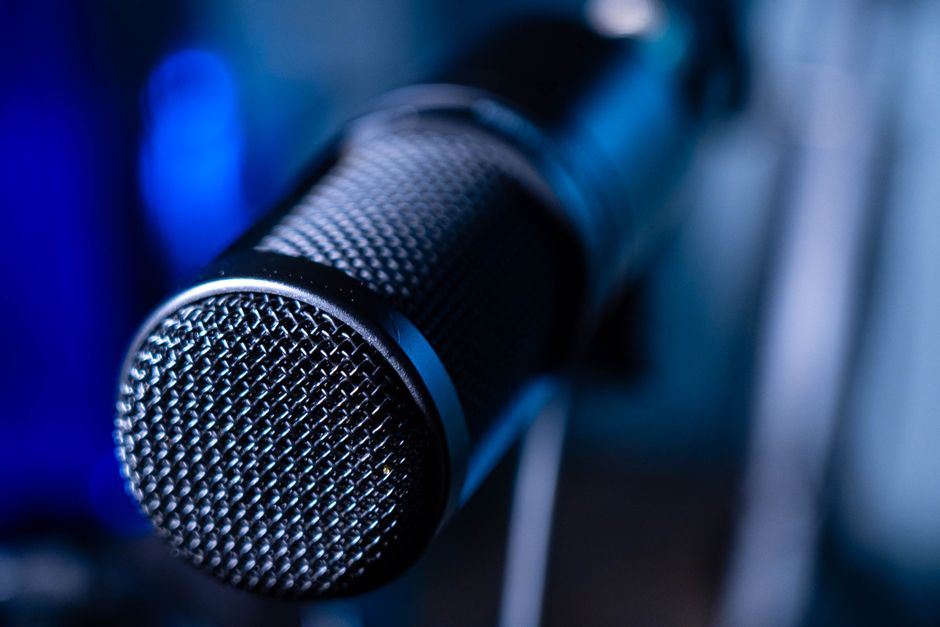
Your mixing decisions are only as good as what you hear. Adam Audio's S3V monitors are designed to tell you the truth about your mix, not flatter your ego with exaggerated bass or boosted mids that make everything sound impressive in your room but fall apart on other systems.
Pros: Extremely flat frequency response across the audible spectrum means you're mixing based on reality, not hype. The coaxial tweeter and woofer design creates consistent imaging across the listening field. These monitors scale well in both larger and smaller rooms.
Cons: The S3V represents a mid-range investment (around $1,200 per pair), so pairing these with proper acoustic treatment becomes non-negotiable. Without bass traps and wall treatment, you're not getting the full benefit of the monitor's accuracy.
The verdict: Professional studios use monitors they can trust. The S3V builds that trust through transparent response and rigorous quality control. Worth every penny if you mix critical material.
4. Neumann U87 Ai: Industry-Standard Vocal Microphone
When you see credits that list a Neumann U87, it's not because the engineer had nothing else available. This microphone has become the default choice for vocal recording across countless studios because it sounds professional out of the box and works with every voice from baritones to high sopranos.
Pros: The cardioid pattern provides excellent off-axis rejection, meaning you can record in less-than-perfect rooms and still isolate the vocal. The presence peak in the upper midrange naturally brings vocals forward in a mix. Build quality is legendary; studios are still using U87s from the 1980s.
Cons: At $3,500+, this is a significant single investment. You'll also need a quality preamp and mic cable to hear what the U87 is capable of delivering. It's not a plug-and-play solution.
The verdict: Professional studios that record vocals make this investment once and never look back. The U87 is the benchmark for a reason.
5. SSL Bus Compressor: Mix Glue and Punch
Whether you're running the SSL plugin in your DAW or tracking through the hardware version, this compressor has shaped professional mixes for decades. It's not subtle. It's designed to add cohesion and punch to your master bus or individual tracks.
Pros: The distinctive SSL sound is immediately recognizable and works across virtually every genre. Fast attack and release options let you control how much glue you're adding. The plugin version is affordable and available to home studios; the hardware version sits in high-end facilities.
Cons: This is a character compressor, not a utility tool. It shapes tone alongside compression. If you want transparent dynamic control, this isn't the right choice.
The verdict: For mix glue and professional cohesion, the SSL is industry standard. Start with the plugin version while you're learning, then upgrade to hardware if you commit to this workflow.
6. Focusrite Pro 40 Audio Interface: Smart Pro Option
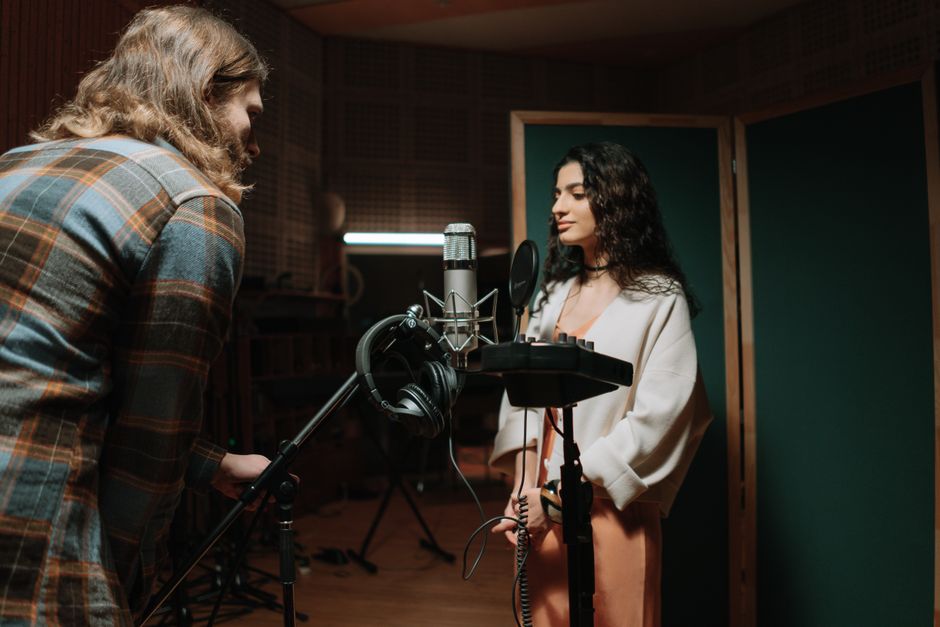
The Focusrite Pro 40 bridges the gap between home studio and professional facility. Eight analog I/O, eight channels of digital I/O, and Dante networking capability means this interface scales as your studio grows without requiring a complete rebuild.
Pros: The conversion quality is clean and reliable. Dante networking opens professional studio flexibility without the cost of a full API or RME ecosystem. The built-in monitoring features and summing amp model are useful additions. Price-to-feature ratio is excellent for expanding studios.
Cons: The Pro 40 isn't in the same conversion league as the Apollo Twin. For mastering or critical mixing work, step up to a dedicated mastering-grade interface. Setup and driver management require more attention than consumer-grade interfaces.
The verdict: This is a smart choice for growing studios that need flexibility without the flagship price tag. You're getting pro architecture at a professional price, not an amateur price with amateur limitations.
Building Your Studio: The Real Strategy
Here's the truth that studio owners learn the hard way: expensive microphones and interfaces don't fix bad acoustics. Your room is the first piece of equipment you should invest in. Acoustic treatment is non-negotiable if you want professional results.
Start with one excellent microphone, one solid interface, one pair of accurate monitors, and proper room treatment. That foundation is worth more than a collection of mediocre gear. As you work with clients and your standards increase, you upgrade strategically: better monitors reveal what you couldn't hear before, which guides your next investment in preamps or processing.
When it comes time to upgrade or sell old equipment to fund new purchases, OohYeah gives you the freedom to buy and sell without losing money to marketplace commissions. Professional studios operate lean. Every upgrade funded by selling old gear means you keep more cash flowing back into your studio fund.
The most successful studios prioritize acoustic treatment, conversion quality, and accurate monitoring over trendy features or brand prestige.
Where to Source Professional Recording Studio Equipment
You have options. New gear from manufacturers and authorized retailers gives you warranty support and the latest features. Used gear from trusted sellers offers value and proven reliability. The trick is knowing which option makes sense for your budget and timeline.
For professional-grade equipment at fair prices, OohYeah connects studios directly with sellers who understand what the gear is capable of and why they're selling. No middleman markup. No commission erosion. Just fair value and transparent transactions.
FAQs: Professional Recording Studio Equipment
What's the minimum budget for a professional recording studio?
Entry-level professional studios can start around $3,000 to $5,000 if you prioritize a quality microphone, solid audio interface, accurate monitors, and acoustic treatment. Budget $1,000 to $2,000 for proper room treatment before you buy your first microphone. The $500 to $1,500 interfaces, $1,000 to $2,000 for monitors, and $1,500 to $3,500 for a primary recording microphone represent realistic starting points. Many professional studios began exactly this way.
Do I need an expensive audio interface if I'm just starting out?
No, but you need a reliable one. As your ears develop and your work becomes more critical, you'll know exactly what interface upgrade addresses your specific limitations. This is where buying used on OohYeah makes sense: try a mid-range interface, sell it when you're ready to upgrade, and fund your next purchase without eating the full retail hit.
Are vintage studio monitors better than new ones?
Not necessarily. Modern monitor design has improved significantly, and current speakers offer better accuracy and consistency than vintage options. However, well-maintained vintage monitors from respected manufacturers can still deliver excellent results. The advantage of buying used on OohYeah is testing speakers in your room before committing. Professional monitors from reputable brands hold value well, so your investment is protected if you decide to upgrade later.
What's more important: a great microphone or a great preamp?
Both matter, but the microphone is first. A mediocre microphone through an expensive preamp still sounds like a mediocre microphone. A great microphone through a modest preamp sounds like a great microphone. Build your foundation on the mic first, then invest in preamp quality as your budget allows. Most professional studios started with a solid large-diaphragm condenser and a transparent preamp, then added character equipment over time.