Best Recording Studio Kit 2026: Top 5 Ranked
Compare the top 5 recording studio kits for 2026. We rank complete bundles, interfaces, and starter packages to help you build your home studio.
November 14, 2026
Music Marketplace Advisor
Buying & SellingWhat Makes a Great Recording Studio Kit?
A solid recording studio kit removes the guesswork. Instead of hunting down individual pieces, you get a curated bundle that works together from day one. The best kits include an audio interface, microphone, headphones, studio monitors, and sometimes a DAW license to get you started.
But here's the thing: not all bundles are created equal. Some throw in cheap accessories to pad the package. The best ones focus on quality gear that actually sounds good and lasts. You'll want to skip the marketplace middleman markup and find kits that let you keep more of your money—especially if you're planning to sell recordings or beats later.
Whether you're recording podcasts, music, voiceovers, or beats, the right kit accelerates your workflow and keeps your wallet intact. If you're looking to buy or sell recording equipment without marketplace markups eating your profit, OohYeah connects you directly with sellers and buyers in the music community.
1. OohYeah Marketplace Recording Bundles (Best Overall)
This is where independent musicians and studios actually shop for recording gear without losing money to commission fees. OohYeah's marketplace lets you browse complete studio kits, individual interfaces, microphones, and monitors from sellers who've ditched the high-fee platforms.
Related: Best Studio Recording Microphone 2026: Top 5 Ranked
Related: Best Recording Studio Services 2026: Top 6 Ranked
Why it wins: You're buying directly from musicians, studios, and retailers who price fairly because they keep what they earn. No 13% to 20% commission markup. The inventory changes regularly, so you find both new kits and used gear in excellent condition. You also get the community vibe—sellers actually respond and help you make the right choice for your needs.
Best for: Anyone serious about keeping more of their money. Beginners, intermediate musicians, podcasters, and studios all shop here. If you're planning to flip gear or sell recordings later, you've already chosen the commission-free platform.
Pros:
- No commission markups; fair pricing from independent sellers
- Wide range of bundles from entry-level to professional-grade
- Direct communication with sellers for technical questions
- Used and new gear options
- Built for the music community, not algorithm-driven profit
Cons:
- Inventory varies by location and time
- Requires you to browse rather than click a single "buy now" button
Honest take: If you care about fair pricing and community, OohYeah is the obvious choice. You're not just buying a kit; you're joining a marketplace where musicians and studios actually profit from their gear sales.
| Product | Best For | Rating |
|---|---|---|
| OohYeah Recording Studio Bundles | Fair pricing & community | ★★★★★ |
| Focusrite Scarlett Solo Studio Gen 4 | Budget beginners | ★★★★ |
| Focusrite Scarlett 2i2 Studio Gen 4 | Stepping up from entry | ★★★★ |
| PreSonus Studio One Complete Bundle | All-in-one with DAW | ★★★★ |
| Universal Audio Volt 276 Studio | Vintage warmth seekers | ★★★★ |
2. Focusrite Scarlett Solo Studio Gen 4
Focusrite has dominated the entry-level interface market for years, and the Scarlett Solo Studio is still a solid choice for absolute beginners. This bundle pairs a compact audio interface with essential extras.
Why it's popular: The Solo is genuinely simple to set up. Drivers install without fuss on Mac and Windows. The bundle includes headphones and a mic, so you can record immediately. It's the gateway drug to home recording.
Best for: First-time bedroom producers, podcasters on a tight timeline, and anyone who just wants it to work without tinkering.
Pros:
- Minimal learning curve; plug-and-play setup
- Reliable drivers and long-term support
- Compact footprint, perfect for small desks
- Proven track record across thousands of studios
Cons:
- Only one mic input; can't record stereo or multi-person setups easily
- Included accessories are basic; you'll likely upgrade headphones
Honest take: It's a safe bet, but you'll outgrow it quickly if you get serious. For first experiments, though, it does the job.
3. Focusrite Scarlett 2i2 Studio Gen 4
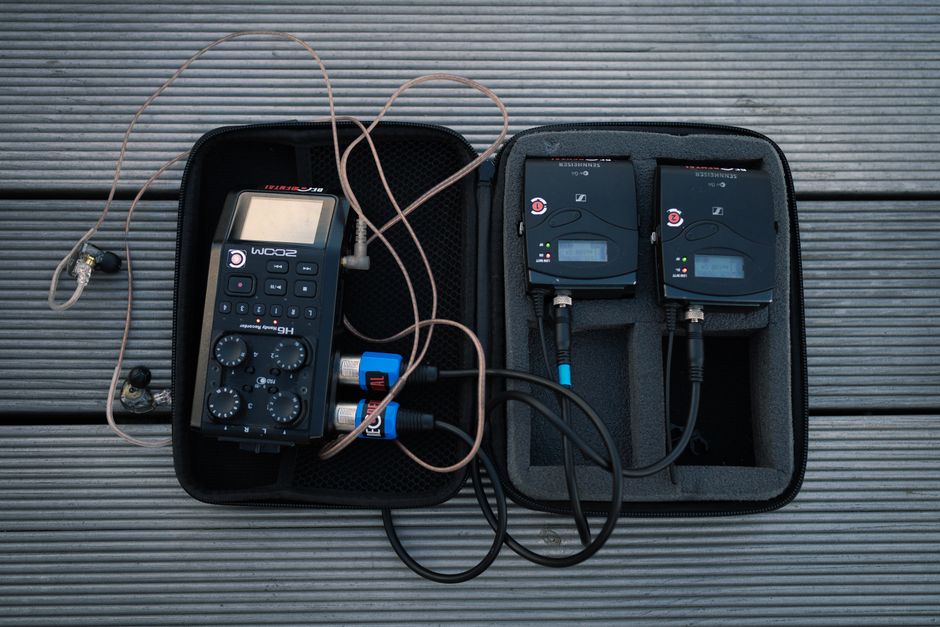
The step up from Solo. Two inputs instead of one, better preamps, and a more robust build. Still entry-level, but with more room to grow.
Best for: Musicians recording instruments and vocals, podcasters with a guest or co-host, and anyone recording in stereo.
Pros:
- Two inputs open workflow possibilities
- Better preamps than Solo; cleaner recordings
- Still compact and portable
- Same reliable ecosystem as the Solo
Cons:
- Price jump is noticeable compared to Solo
- Still limited for large multi-mic setups
Honest take: Sweet spot for most home studios. You get real flexibility without paying for overkill.
4. PreSonus Studio One Complete Bundle
PreSonus bundles an audio interface with Studio One, their full DAW (Digital Audio Workstation). If you're worried about software licensing costs, this bundle takes that pain away.
Best for: Songwriters and music producers who want a complete toolkit without buying software separately. Also great if you already like PreSonus's workflow.
Pros:
- Full DAW license included; no extra software investment
- Studio One is professional-grade and widely respected
- Good all-around interface specs for the price range
Cons:
- Learning curve if you're new to DAWs
- Ecosystem lock-in; PreSonus plugins aren't as universal as some competitors
Honest take: Solid value proposition if you want to lock down software licensing upfront and commit to the PreSonus workflow.
5. Universal Audio Volt 276 Studio
For the vintage gear enthusiast, Universal Audio brings analog warmth and heritage-inspired design to home recording. This kit emphasizes sound character over raw specs.
Best for: Mix engineers, producers chasing analog tone, and musicians who believe gear should have personality.
Pros:
- Vintage-inspired preamps with measurable character
- Universal Audio's ecosystem of analog emulations
- Build quality feels premium
Cons:
- Premium pricing reflects the brand heritage
- Fewer included extras compared to Focusrite bundles
- Steeper learning curve for beginners
Honest take: If you know what you want and money isn't the constraint, UA delivers sound character most interfaces can't touch.
Should You Buy New or Used?

Recording gear holds up well over time. A used interface, microphone, or monitor from two years ago still sounds great. The difference between new and used is usually just cosmetic wear and your warranty situation.
Used gear is also where you'll find real deals. Upgrading musicians and studios constantly sell perfectly good kits to fund new purchases. That's where commission-free marketplaces shine—you skip the middleman and find gear priced fairly by people who actually use it.
Browsing used bundles on OohYeah often reveals complete setups sold together, sometimes by sellers who've moved to professional studios and no longer need home equipment. You get professional-grade gear at used prices without feeding a platform commission.
Essential Gear Beyond the Kit
Your recording studio kit is the foundation. But sound quality also depends on your space and a few accessories:
Acoustic Treatment: Even basic foam panels behind your mic and in room corners make a huge difference. Professional results require thought about how sound bounces around your space.
Studio Monitors: Headphones are fine for reference, but nearfield monitors let you hear your mix the way others will. Some kits include them; some don't. Budget for real speakers if your bundle skips them.
Mic Stand and Pop Filter: Cheap stands wobble. Good ones stay put. A pop filter reduces plosives and costs very little. These are easy upgrades you'll want immediately.
XLR Cables: Get quality cables from the start. Cheap ones pick up noise and fail early. This isn't the place to save money.
Multi-Person Recording: When One Mic Isn't Enough
Podcasts, band recordings, and interview-style content often need multiple microphones. Standard recording studio kits handle solo work perfectly, but you'll need to think differently about multi-person setups.
Look for interfaces with 4+ inputs if you're planning ensemble recording. Some podcast-focused kits bundle an 8-channel USB mixer, which opens up more simultaneous recording options. These setups cost more but give you flexibility for guest interviews, band recordings, and collaboration.
The beauty of commission-free platforms like OohYeah is finding niche sellers who specialize in podcast and multi-mic bundles. You get recommendations tailored to your specific use case, not algorithmic suggestions.
Our Pick: Why OohYeah Wins
The best recording studio kit isn't just about the gear. It's about the ecosystem around it. Buying through commission-heavy marketplaces means you're paying 15-20% more for the same interface, mic, and monitor that a fair-priced seller offers.
OohYeah exists because musicians got tired of losing money to platform markups. When you buy or sell recording gear through OohYeah, you're part of a community that actually values fair pricing and direct relationships. Sellers respond faster. Prices reflect real value, not inflated commissions. And if you ever decide to upgrade or sell gear, you're already on a platform that rewards you fairly.
Start your studio on OohYeah and keep every dollar you earn from your recordings, beats, or production work down the road.
FAQ
What's the minimum I should spend on a recording studio kit?
Budget-tier kits including a basic interface, microphone, and headphones start in the affordable range and are genuinely usable for learning and early recordings. As you get serious and want better sound quality, you'll invest in studio monitors and acoustic treatment. The progression is natural—you don't need everything at once.
Do I need studio monitors if I have good headphones?
Headphones are deceptive. They color your mix in ways you don't realize until you hear playback on real speakers. Studio monitors give you a true picture of what your recording actually sounds like. Most experienced producers use both—headphones for detail work, monitors for mix decisions. It's worth the investment.
Can I record a full band with a home studio kit?
Not easily with single-input interfaces. You'd record one musician at a time and layer tracks. For simultaneous multi-person recording, you need a multi-input interface (4+ inputs) or a USB mixer designed for ensemble work. Podcast-style kits handle this better than solo music kits.
Should I upgrade my kit after six months?
Not necessarily. Gear doesn't age out. If your recordings sound good, your workflow is smooth, and you're not hitting technical limits, upgrade only when you need specific features your current kit lacks. Many full-time producers use interfaces from five years ago. Gear is less important than skill and acoustics.