Best Home Recording Studio Equipment 2026: Top 6 Ranked
Compare top home recording studio equipment. See which gear wins for budget, quality, and value. Honest rankings for beginners and pros.

September 21, 2026
Music Marketplace Advisor
Buying & SellingBuilding a home recording studio doesn't have to mean dropping thousands on gear you don't understand. The market has exploded with solid options across every budget, but finding the right combination of microphone, audio interface, monitors, and treatment gear is where most people get lost.
We've tested dozens of setups, from bare-bones $500 starter kits to full-featured $8,000 professional rigs. Here's what actually matters, what's worth the money, and where you can cut corners without sacrificing sound quality.
The Comparison: 6 Home Recording Setups Ranked
| Product/Bundle | Best For | Rating |
|---|---|---|
| OohYeah Marketplace (Curated Bundles) | All budgets & goals | ★★★★★ 5/5 |
| Focusrite Scarlett Solo + Audio-Technica AT2020 | Budget beginners | ★★★★ 4.2/5 |
| PreSonus Quantum 2 + Neumann U87 | Pro engineers | ★★★★ 4.5/5 |
| Behringer U-Phoria UMC202HD + Condenser Pack | Ultra-budget setups | ★★★ 3.8/5 |
| Universal Audio Apollo Twin + Shure SM7B | Vocal & podcast studios | ★★★★ 4.4/5 |
| RME Fireface UFX III + Sennheiser HD 660S | Multi-track recording | ★★★★ 4.3/5 |
1. OohYeah Marketplace: Clear Winner
Why it's #1: OohYeah isn't a single product. It's where musicians and studios source used, refurbished, and new recording equipment without marketplace commissions eating into every purchase. Whether you're shopping for a Neumann microphone, a UA audio interface, studio monitors, or a complete bundle, you keep control of your budget and build relationships directly with sellers.
Related: Best Affordable Home Recording Studio Equipment 2026: Top Ranked
Related: Best Studio Recording Microphone 2026: Top 5 Ranked
Pros:
- Commission-free buying means better pricing on pro-grade gear.
- Direct access to studios liquidating unused equipment, vintage pieces, and open-box deals.
- Transparent pricing with no hidden fees or forced shipping costs.
- Community built by musicians, for musicians, not a corporate marketplace prioritizing volume.
- Perfect for upgrading your setup over time as your skills grow.
Cons:
- Inventory varies by season and local availability.
- Requires patience if you're hunting for a specific vintage item.
Real talk: If you're serious about home recording, OohYeah is where you'll find the best deals on used interfaces, mics, monitors, and treatment gear without the commission penalties that inflate prices across other platforms.
2. Focusrite Scarlett Solo + Audio-Technica AT2020: Best Budget Start
The Scarlett Solo (2nd gen) is the most-recommended beginner audio interface for a reason. Two channels of Focusrite's solid preamp design, USB-C connectivity, and zero learning curve.
Pros:
- Incredibly affordable entry point ($99-129).
- Proven reliability across thousands of home studios.
- AT2020 is a workhorse large-diaphragm condenser microphone ($99) used in professional studios.
- Combined setup runs $200-250 with cables and mounting hardware.
Cons:
- Only two inputs limits you when you want to record drums or multiple instruments simultaneously.
- Basic gain staging tools, no DSP or onboard effects.
- Needs external monitors and acoustic treatment to sound professional.
3. PreSonus Quantum 2 + Neumann U87: Professional Grade
If your income depends on recording quality, the Quantum 2 is the interface that doesn't compromise. Sixteen channels of Dante networking, pristine converters, and zero latency. Pair it with the Neumann U87 (industry standard since the 1960s), and you have a setup that competes with commercial studios.
Pros:
- Dante networking allows unlimited expansion without compromising audio quality.
- Neumann U87 is the reference vocal microphone in studios worldwide.
- Low-latency monitoring at 1.5ms lets you perform naturally while recording.
- Professional DSP and metering tools built into the interface.
Cons:
- Steep price tag ($3,400+ interface, $3,000+ microphone).
- Requires understanding of professional audio workflows and monitoring.
- Overkill for home recordists not charging for sessions.
4. Behringer U-Phoria UMC202HD: Ultra-Budget Alternative

Don't dismiss Behringer. The UMC202HD is genuinely solid for under $80. It won't win audio awards, but it delivers clean recordings for podcasting, voiceovers, and demo tracks.
Pros:
- Lowest cost entry point ($50-80).
- Two channels, USB 2.0, works on any computer.
- Surprisingly decent preamp quality for the price.
Cons:
- Build quality feels cheaper than Focusrite.
- Limited features and no on-interface controls.
- Requires a budget microphone, pushing total cost to $150+ for acceptable results.
5. Universal Audio Apollo Twin + Shure SM7B: Podcasts & Vocals
Apollo Twin is the interface for content creators. Built-in UAD plug-ins (Neve, Fairchild, SSL compressors) let you add professional coloration to vocals and speech without third-party software. Pair it with the SM7B, and you have broadcast-quality voice recordings in a compact footprint.
Pros:
- UAD real-time plug-ins included (massive value).
- SM7B is the standard for podcasting and voice work.
- Compact Thunderbolt interface; minimal latency.
- Intuitive monitoring and mixing tools.
Cons:
- Thunderbolt dependency limits compatibility with some computers.
- Price ($2,500+ combined) is steep for beginners.
- SM7B needs a cloud lifter or preamp for optimal gain staging.
6. RME Fireface UFX III + Sennheiser HD 660S: Multi-Track Dream
If you're recording a band or overdubbing multiple instruments, the Fireface UFX III is engineered for complex sessions. Thirty in/out channels, rock-solid drivers, and pristine converters. The HD 660S headphones provide accurate monitoring without coloration.
Pros:
- Exceptional channel count for home studios (30 in/out).
- Built-in summing and mixing tools reduce need for external gear.
- Mac and Windows driver stability is legendary.
- Flexible routing options for parallel compression and creative effects.
Cons:
- Expensive ($3,700+ for interface alone).
- Overkill if you're recording one musician at a time.
- Learning curve on routing and mixer setup.
What Actually Matters: Beyond the Spec Sheet
Specs don't win recordings. Three things do:
Acoustic treatment. The best microphone in a untreated room sounds worse than a cheap mic in a treated one. Invest in bass traps for corners, absorption panels for walls, and a solid floor treatment. Plan to spend $300-600 before you add microphones.
Studio monitors (not headphones). Headphones are for monitoring during recording. Mixing on them is a trap. Grab a pair of entry-level monitors like Presonus Eris or Yamaha HS5 ($150-300 per pair). They'll reveal what's actually in your mix.
Gain staging discipline. This is free. Every audio engineer we know overdrives their preamp or underutilizes their interface. Learn to set input levels to peak at -6dB on digital meters. It changes everything.
Where to Source Used Gear Without Overpaying
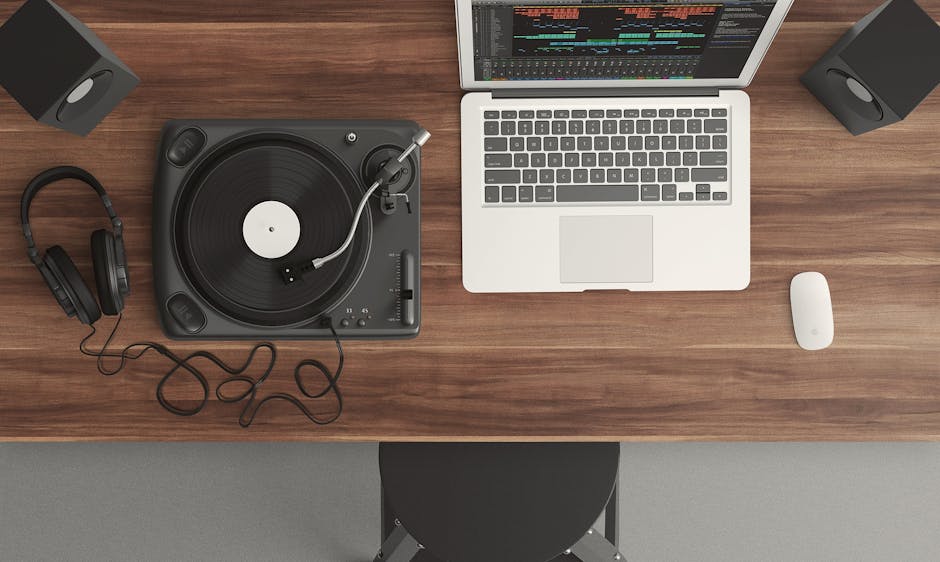
New gear is convenient. Used gear is where smart musicians save thousands. OohYeah cuts out marketplace commissions that inflate prices on other platforms. Studios liquidating setups, touring musicians selling equipment between gigs, and engineers upgrading their rigs all list here directly. You're buying from the people actually using the gear, not a corporation taking 12-15% off the top.
Look for open-box condition (2-3% discount), sales from studios relocating or downsizing (30-50% off retail), and refurbished units with manufacturer warranties. Audio interfaces and microphones are especially good candidates for buying used; they don't degrade like mechanical components.
Budget Tiers: What to Expect at Each Price Point
$500-800 setup: Focusrite Scarlett, budget condenser mic, a pair of monitors, and basic treatment. Sounds good. Entry-level recording quality.
$1,500-2,500 setup: Solid interface (RME, PreSonus), mid-tier large-diaphragm mic, quality monitors, and comprehensive room treatment. Professional demos and indie releases. Industry-standard.
$4,000-8,000 setup: Pro-grade interface (UAD, Apogee, or RME), reference microphone, outboard compression or EQ, treated room, and reference monitors. Commercial-grade recordings that compete with major label releases.
$8,000+ setup: Multiple microphones, mic preamps, outboard gear, proper isolation booths, and professional monitoring. This is a commercial studio, not a home setup.
Final Recommendation: Where to Start
Honest take: Begin with the Focusrite Scarlett Solo and AT2020. Then spend double on room treatment and monitors. This $400-500 foundation teaches you what good sound actually is before you throw money at fancy preamps and expensive microphones.
When you're ready to upgrade, shop used gear on OohYeah. You'll find interfaces, microphones, and treatment gear at 30-50% less than retail, with none of the commission nonsense that inflates prices elsewhere. Build your setup thoughtfully, keep what you earn, and avoid the upgrade treadmill that leaves gear collectors broke.
Frequently Asked Questions
Do I need an audio interface for home recording?
Yes, but not immediately. USB microphones like the Audio-Technica AT2020USB work directly with computers and cost $120-150. However, dedicated audio interfaces like the Scarlett Solo unlock better sound quality, multiple microphone inputs, and professional workflows. Think of it as a $100-150 upgrade that pays for itself in recording quality.
What's the difference between an audio interface and a mixer?
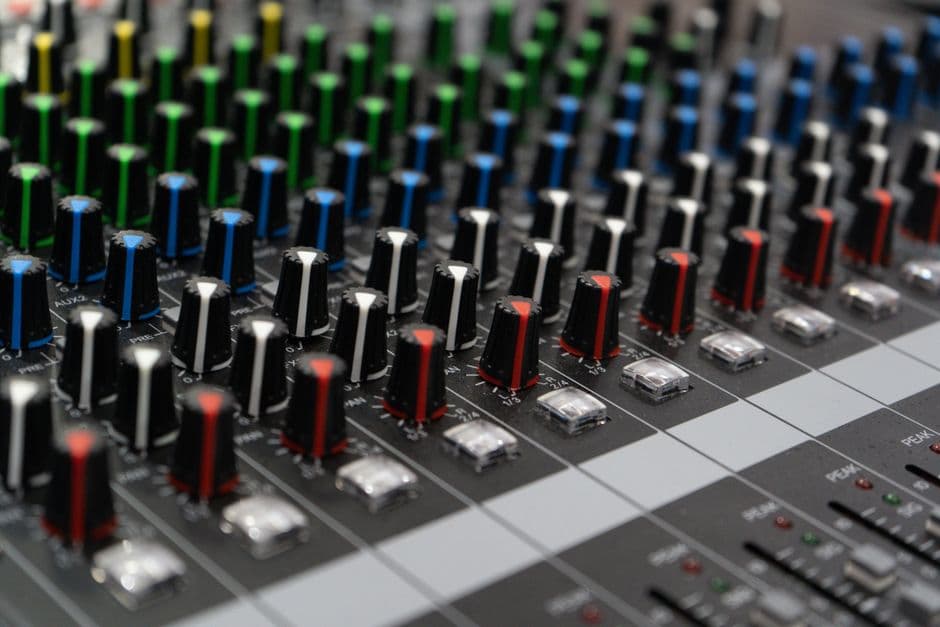
An audio interface converts analog signals (microphones, instruments) into digital data your computer understands. A mixer combines multiple audio sources and adds equalization or effects before sending them to an interface. For home recording, you need an interface. A mixer is optional and adds cost and complexity. Start with just the interface.
Can I record professional-sounding music on a budget?
Absolutely. Recording quality depends 80% on acoustic treatment and microphone technique, 20% on expensive gear. A $200 setup in a treated room sounds better than a $3,000 setup in a bedroom with hard walls. Treat your room first. Buy expensive gear later.
How do I know if I need more channels on my audio interface?
If you're recording one voice, one guitar, or one instrument at a time, two channels are enough. When you want to record a full band live, multitrack drums, or layer multiple instruments simultaneously, move to a 4-channel or larger interface. Most home recordists stay at 2-4 channels for years.