Creator Economy Platforms: A 2026 Guide for Artists
Learn how independent artists choose the best creator economy platforms in 2026 to monetize their work and grow their audience.
July 29, 2026
Music Marketplace Advisor
Buying & SellingYou've finished the music, the cover art is ready, and now you're staring at the same practical question every independent artist runs into. Do you put the release on a streaming platform and hope discovery works, do you sell it from your own site, or do you build something that lets fans stream, buy merch, and subscribe in one place? The answer depends on how much control you want, how you want money to flow, and whether you're building a rented audience or an owned one.
That's why creator economy platforms matter so much for musicians. They're not just app choices, they're the commercial plumbing behind modern independent careers, and the market behind them is already large, with Circle's 2026 roundup putting the creator economy at roughly $200 billion in 2025 and projecting 22.7% CAGR growth toward $800 billion in the early 2030s. Deloitte's separate analysis also estimates about 50 million creators reaching roughly five billion social media users worldwide creator economy statistics. For an artist, that scale means the platform decision is closer to choosing a distributor or a venue than picking a random app.
What Creator Economy Platforms Are
A lot of artists reach this point right after a release is finished. The master is approved, the merch mockups are sitting in a folder, and the key question becomes whether the music should live on a streaming giant, a personal site, or both. Creator economy platforms are the software systems that let independent people publish, price, distribute, and get paid without traditional gatekeepers standing in the middle.

The town square idea
These platforms work like a digital town square. One booth is built for discovery, another for direct sales, another for membership access, and another for live interaction. The point is not only to be visible. It is to create a place where fans can buy, support, and stay connected.
Deloitte notes that the term “creator economy” was first dubbed in 2011, and the business model has changed a lot since then. Creator platforms now sit at the center of that change because they let artists turn attention into revenue through owned relationships instead of relying only on a feed they do not control Deloitte's creator economy analysis.
For musicians, that difference matters. A streaming profile can help people find you, but a platform that also handles subscriptions, merch, and direct fan contact can help you keep the relationship after the first listen. A direct-to-fan marketplace, for example, can function like a merch table and a record store in the same place, and tools such as OohYeah's marketplace are built around that kind of multi-format setup.
Practical rule: if a platform only helps people hear your work, it is useful. If it also helps them support your work, it becomes part of your business.
These platforms are no longer side projects for hobbyists. They are where many independent artists try to build sustainable income, and they deserve the same care you would give to choosing a distributor, a booking partner, or a release strategy.
The Main Types of Creator Economy Platforms
The easiest way to sort the market is to imagine a stall. Some stalls charge members a monthly fee to come inside, some leave a tip jar at the edge of the counter, some sell directly off the table, and some are built around constant foot traffic and repeat visits. Music creators usually need to understand all four, because each one handles fan behavior differently.

Subscription clubs and tip jars
A subscription platform works like a members-only club. Fans pay regularly for access to exclusives, early drops, behind-the-scenes content, or private posts. For artists, that can mean demo access, live rehearsal clips, or a community channel that feels more personal than a public feed.
A tipping platform is simpler. It's the digital version of someone dropping cash into the jar after a strong set. There's no long-term commitment required, which makes it good for casual support, live streams, and one-off fan generosity.
Marketplaces and streaming-first platforms
A direct-to-fan marketplace is closer to a merch table plus a record store. Fans can search, browse, and buy music, merch, and other digital goods without leaving the platform. For artists who want better margins and more control over pricing, that's a huge difference from relying only on marketplace visibility elsewhere. A practical example of that direct-sales mindset is the kind of setup you'd expect from a platform like OohYeah's marketplace, where music and merchandise can live together under one roof.
A streaming-first platform is the modern equivalent of a radio push. It's optimized for plays, discovery, and repeat listening, which can be useful for reach but usually doesn't give the creator the same pricing control or revenue share as direct sales.
Why most artists blend more than one
The mistake is assuming you need to pick one model forever. Mature artists often combine discovery, direct sales, and membership on purpose, because relying on a single platform type concentrates risk. If one channel slows down, the others still work.
Practical rule: use streaming for reach, use direct sales for margin, and use memberships for recurring support.
If you're trying to evaluate the field quickly, this is the core split to remember. Some platforms help people find you. Others help people pay you. The strongest setups do both, but they do it with different tools and different trade-offs.
How Money Flows on Creator Economy Platforms
Money on these platforms does not move in a single line. A fan pays, the platform applies its fee structure, and the creator sees a payout balance or bank deposit later. That flow matters because each model rewards a different kind of artist behavior, just as a merch table, a fan club, and a streaming profile all serve different jobs in a music career.
The four common paths
Subscriptions and memberships are the most predictable path. Fans pay recurring fees for ongoing access, and the platform usually takes a cut before the creator gets paid. For an independent musician, this works well when the value is steady, such as unreleased tracks, fan-only posts, community access, or monthly behind-the-scenes updates.
Tips and one-off support are less predictable, but they are easier to start. A fan hears a live set, likes a demo, or wants to back a release, then sends money without needing a long relationship first. That makes this model useful for testing demand, but it is a weak choice if you want it to carry the whole business.
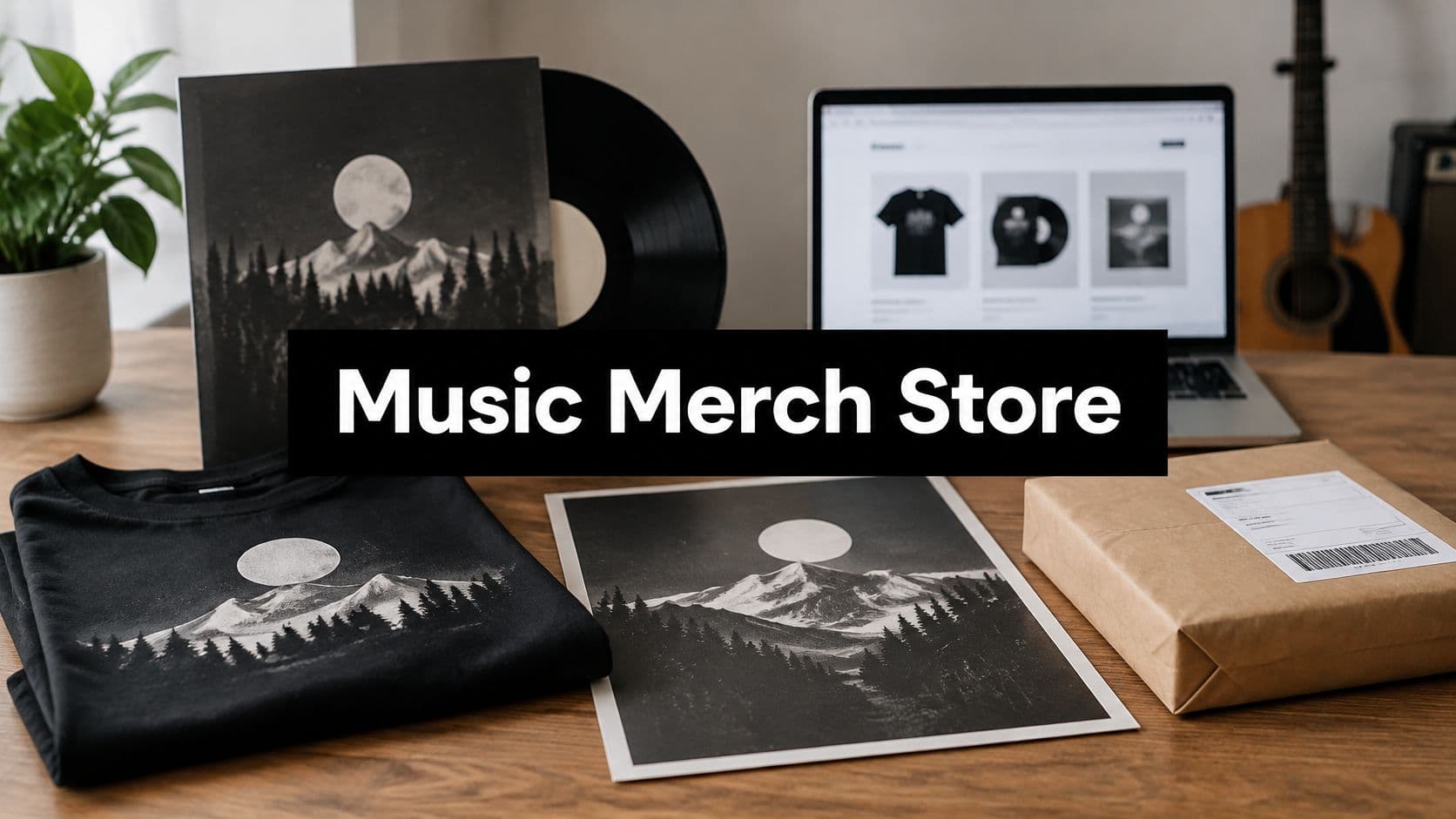
Marketplace sales let you set a price for downloads, vinyl, shirts, bundles, or other direct offers. The creator usually keeps a larger share than on ad-driven systems, but the trade-off is simple, you need products people want to buy. For artists who want a storefront that can hold music and merchandise in the same place, OohYeah's service options are built around that kind of direct-to-fan setup.
Streaming royalties reach the widest audience, but the economics are usually thin for individual artists. Streams can help with discovery and legitimacy, yet they rarely replace direct monetization on their own. They work more like a wide-open door than a cash register.
The concentration problem is real too. Analysts at Deloitte's creator economy analysis found that the top 1% of creators captured 21% of creator ad-payment volume in 2025, up from 15% in 2023, while the top 10% captured 62%, up from 53% Deloitte's creator economy analysis. The economics are not spread evenly, even before platform fees enter the picture.
A mid-tier artist example
Take an independent artist with 10,000 fans. If only a small share buy a monthly membership, the revenue can feel steadier than chasing scattered plays. If the same artist sells a limited merch drop, the money may arrive faster, but only in bursts. If they depend mostly on streams, the audience may be larger, yet the payout per fan usually stays much lower because the model is built for volume, not direct spend.
| Model | Typical fee to creator | Payment shape | Best for |
|---|---|---|---|
| Subscriptions and memberships | Platform commission plus processing fees | Recurring payments | Fan clubs, bonus content, private communities |
| Tips and one-off support | Transaction fees | Irregular, voluntary payments | Live streams, casual support, quick fan appreciation |
| Marketplace sales | Percentage cut on each sale | Product-based payments | Music downloads, merch, bundles, direct offers |
| Streaming royalties | Revenue share tied to plays | Ongoing, usage-based payouts | Discovery, reach, catalog depth |
The cleanest takeaway is simple. Recurring memberships are the most predictable, marketplace sales often give you the best control, and streaming gives you the widest front door. The smartest setup usually lets each model do the job it does best instead of expecting one platform to do everything.
Key Features That Matter When Choosing a Platform
Once you stop thinking about “a platform” as one giant category, the next question becomes much more practical. Can it help you keep your audience, price your work your way, sell different formats, and understand what's working? Those are the features that matter to an independent musician.
What to check before you commit
Audience data ownership comes first. If you can't export contact data or build a usable fan list, you're renting attention instead of owning a business. That's fine for discovery, but not enough for long-term career stability.
Pricing control matters just as much. You should be able to set your own download prices, merch pricing, and membership tiers without asking permission from the platform.
Multi-content support is the other major test. Musicians rarely sell only one thing. A release cycle can include audio, video, merch, private tracks, event access, and community posts.
Commission structure is where artists often get surprised. A platform can look polished and still take more than you expected once transaction fees and payout rules stack up.
Integration and portability decide whether you're building a flexible system or a locked box. If the platform can't connect to your website, email tools, or storefront workflow, you'll end up duplicating work.
The middle-tier creator problem shows up here. Some tools are built for beginners, and some are built for larger teams, but breakout artists often need something in between. A platform can be too small to support real monetization or too expensive and overbuilt for a solo act, which is exactly the gap many guides ignore Future's analysis of creator platform levels.
Watch for this: if the dashboard only tells you what happened, but never helps you understand why it happened, you may outgrow the tool faster than you expect.
A simple comparison lens
Here's the check I'd use as an artist. If a platform gives you fan data, flexible pricing, and room for audio plus merch plus subscriptions, it's worth a close look. If it only gives you a nice storefront but no portability, the convenience may cost you later.
For a broader service-oriented setup that includes monetization support, you can also compare against a platform like OohYeah services. That kind of review should happen with the same checklist you'd use for any other business tool, not just on appearance.
Music-Specific Best Practices on These Platforms
A music platform only works when the tracks upload cleanly, the metadata stays consistent, and fans can see why one tier costs more than another. That is the baseline. Clean files, clear pricing, and real fan interaction separate a working music setup from a polished-looking profile that does not sell.
Start with the release and the metadata
Upload quality should be boring in the best way. Your title, artist name, artwork, and descriptions need to match wherever the release appears. If a fan searches for a track and finds conflicting credits, the problem starts before the first play.
Pricing should fit the format. A digital download sits differently from a shirt, a vinyl bundle, or an exclusive demo pack. Fans already understand that a direct purchase is different from a stream, so the offer should make that difference obvious.
Subscription tiers need a clear reason to exist. If the lower tier and the higher tier feel the same, fans will not move up. Give the higher tier more access, more interaction, or more utility, not just a fancier label.
Fan interaction and timing
Direct messages and voice notes can do a lot of heavy lifting for independent artists. A short thank-you after a purchase or a voice note about a new track feels personal in a way that a generic email blast does not. Community posts and event features help too, especially when you want to line up a release window with listening parties, Q&A sessions, or merch drops.
A useful workflow resource for artists repurposing content across channels is turn podcast clips into TikTok videos. Even if you do not make podcasts, the same idea applies, because short-form clips can support a song release, a behind-the-scenes story, or a merch announcement.
Technical maturity behind the scenes
The surface experience only shows part of the picture. Live and time-sensitive features rely on low-latency WebRTC for video and WebSocket-based messaging or polling, because traditional request-response systems can lag too much for real-time interaction creator economy app architecture notes. At scale, serious platforms also use priority-tiered job queues so premium or live actions are not blocked by bulk uploads or archive processing platform architecture example.
That matters to artists because a late upload, a broken live stream, or a delayed payout window can turn into a missed release moment. Technical depth is not a nerd-only concern. It is part of fan trust.
Challenges, Rights, and Common Misconceptions
The hardest part of creator platforms is not signing up. It's managing rights, payouts, and expectations once other people start depending on your releases. That's where a lot of artist frustration begins.
Rights and payouts get messy fast
If you work with collaborators, royalty splits need to be clear before money starts moving. A feature verse, a co-produced beat, or a split merch line can all create confusion if the platform doesn't support clean accounting. Takedowns and copyright claims are another real risk, especially on user-generated platforms where fan uploads can complicate ownership.
Payout thresholds can also slow down smaller artists. A platform may hold funds until you pass a minimum balance, which is awkward if you're selling only a few items at a time. That's one reason artists should read the payout rules as carefully as the commission structure.
The common myths to ignore
More followers do not automatically mean more income. Plenty of artists have public attention without a strong purchase habit from fans. Algorithms are also not the only discovery channel, because direct fan relationships, email lists, live shows, and community referrals still matter.
Exclusive content is not the only way to get promoted either. Some platforms favor consistency, engagement, or product variety more than paywalls. The better question is whether the platform helps you build repeatable relationships.
One reason these questions matter is that 48% of creators run everything themselves Circle's 2026 statistics roundup. That means rights, compliance, and fan communication often sit on the artist's shoulders without a manager or lawyer in the room.
If you're looking at a platform agreement, watch for these red flags:
- Unclear payout timing: If the platform won't say when you get paid, treat that as a warning.
- Limited data access: If you can't export audience information, you're giving up bargaining power.
- Heavy exclusivity: If the platform wants too much control over your releases, think carefully before signing.
- Opaque fee stacking: If one fee is visible but others show up later, your margins can disappear.
- Weak rights language: If ownership and licensing terms are hard to understand, don't rush.
For musicians planning physical drops, it also helps to review a practical reference on how to sell custom band merch before choosing a platform. Merch is often where direct-to-fan economics become most obvious, so the platform should make that side of the business easier, not harder.
Evaluating OohYeah and Your Next Steps
OohYeah fits the music-first version of this conversation because it bundles streaming, downloads, merch, and subscription tiers in one place, while also giving artists direct messaging, voice notes, community posts, analytics, and event promotion. It's built around the idea that an artist should control pricing and distribution instead of handing that over to a separate stack About OohYeah.

How to judge it against your checklist
Start with ownership. If you want to keep control of pricing, distribution, and fan relationships, compare that directly to the platform options you already use. Then check whether the audience data is portable, whether the platform supports multiple content types, and whether it works smoothly across web, iOS, and Android.
The practical move is to test it with one release or one merch drop instead of migrating everything at once. That lets you see whether the platform fits your workflow, your fans, and your pricing strategy before you commit more of the catalog.
If the platform clears your must-have list, it can serve as more than a storefront. It can become the place where your music business lives.
If you're ready to compare a music-first, direct-to-fan setup against the tools you already use, start with OohYeah and review how it handles streaming, merch, subscriptions, and fan interaction in one place. Then run one release through the platform and judge it against your own checklist, not a hype cycle.