What to Expect When Working with a Music Producer
Learn how music producers help with arrangement, recording, mixing, and artist coaching, plus how to choose the right producer for your project.
August 25, 2026
FRANKLY with Frank Lee
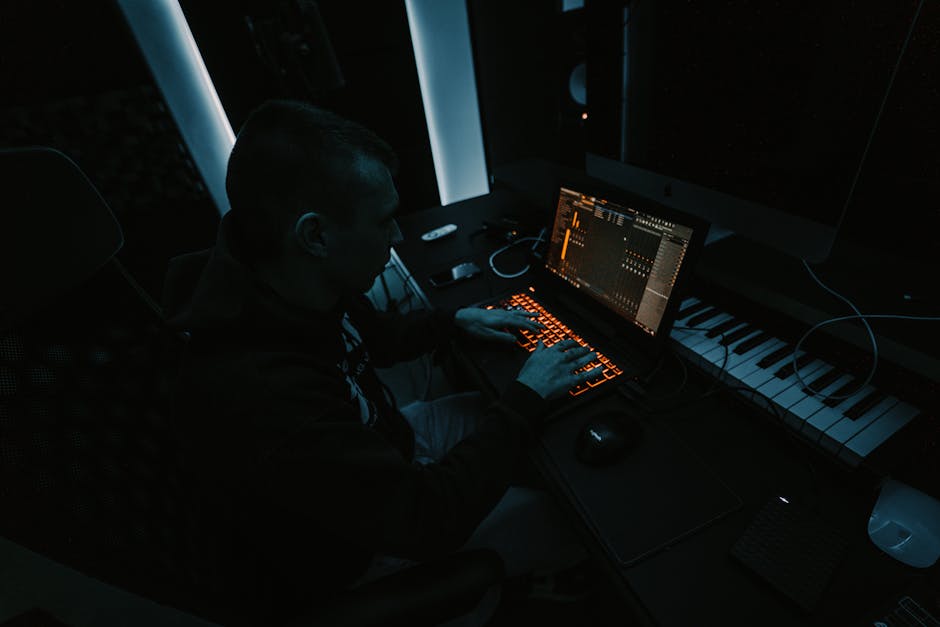
Walking into a studio with a producer for the first time can feel like stepping into unfamiliar territory. The role itself is famously flexible, and the work a producer does on one song might look completely different from the work they do on another. That flexibility is part of the value. A record producer is the overall supervisor of a music-creating project, and their responsibilities can include technical leadership, creative direction, and everything in between. The best way to walk into that relationship with confidence is to understand what a producer actually brings to the table and how to prepare for a productive collaboration.
Producers are hired across nearly every genre, from EDM and pop to rock, hip hop, and beyond. Some artists look for a producer to arrange a song, others need help recording and hiring live musicians, and many want a producer to mix the final track. The same professional can move between these tasks depending on the project. That is why the first conversation with a producer matters so much. It sets expectations, defines the scope of work, and gives both sides a clear picture of what success looks like.
What a Music Producer Does on a Project
Although their roles vary by project, producers commonly help artists choose material and adapt arrangements, coach them in the studio, select and hire side musicians, and manage the overall flow of a session. In short, they carry the project from a rough idea to a finished recording.
Arranging and Song Development
One of the earliest places a producer adds value is arrangement. A song might have strong bones but need structural changes to feel complete. A producer can help you decide where the verse ends, when the chorus should hit harder, what instruments need to come in or drop out, and how the dynamics should build across the track. For artists who work alone, this outside perspective is often the missing piece. The producer listens with fresh ears and offers ideas that push the song in a direction you might not have found on your own.
This phase is deeply collaborative. Many artists bring in a demo with basic instruments, lyrics, and vocals already sketched out. The producer then gives input on those elements, and the two of you go back and make adjustments. That back-and-forth cycle is where a song really takes shape. It can feel vulnerable to have your early ideas critiqued, but the best producers frame their feedback around serving the song, not replacing your voice.
Recording and Technical Leadership
Once the arrangement is in place, the producer shifts into a technical role. They oversee recording sessions, make decisions about sound and tone, and guide the engineering process. A producer may also hire live musicians when a track calls for real instruments that the artist cannot play themselves. This is common in genres like pop and rock, where a polished record often depends on session players who can deliver a clean take in a short amount of time.
The technical side of producing also includes mixing. Mixing is where all the recorded elements are balanced, shaped, and polished into a final stereo track. Many producers offer mixing as part of their service, and some artists hire a separate mixing engineer. If you are using a service that lists producers by genre, you will often see mixing listed directly alongside arranging and recording, so it is worth clarifying where the producer's involvement ends and another professional's work begins.
Coaching and Performance Direction
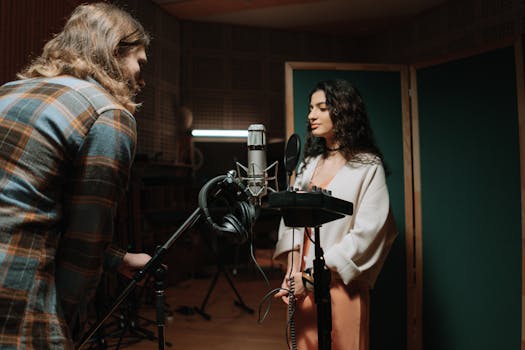
Not all producer work happens behind a console. A big part of the job is coaching artists through their performance. Producers listen for pitch, timing, phrasing, and emotional delivery, and they offer direction that helps a vocalist or instrumentalist give their best take. For newer artists, this coaching can be the most educational part of the experience. You learn how your voice or instrument translates in a recording environment, and you develop habits that serve you long after the session ends.
This coaching role is also why personality matters so much. If you do not feel comfortable being directed by someone, or if you feel judged rather than supported, the creative process will suffer. A producer who can give clear, honest feedback without crushing your confidence is worth more than one with an impressive resume and poor communication skills.
How to Choose the Right Producer for Your Project
Choosing the right producer comes down to a few key factors. The most important are style and genre fit, and personality. Both deserve real thought before you book a session.
Style and Genre Fit
Does the producer understand your sound? This question matters more than any other. A producer who excels at electronic music may not be the right fit for a stripped-back acoustic track, even if they are technically brilliant. When you look at producers for hire, pay attention to the genres they list and the samples of their work they share. You want someone who already speaks the musical language you are working in, because they will make better creative decisions faster.
Genre fit also affects the practical side of the session. A producer who works mainly in EDM will have different tools, templates, and habits than one who records live rock bands. Neither is better, but they are different. Matching the producer's strengths to your project's needs is the fastest way to get a result you actually want to release.
Personality and Communication
Do you feel comfortable with this person? Personality is not a soft consideration. It is a practical one. You will spend hours together in close quarters, making creative decisions and giving each other feedback. If the producer's communication style does not mesh with yours, even a technically strong session can become frustrating.
A good sign early on is a producer who asks questions about your goals, your influences, and the outcome you want. They should be curious about your project, not just eager to apply their usual formula. The right producer balances their own creative instincts with genuine respect for yours, and that balance is something you can usually sense within the first conversation.
How a Typical Collaboration Unfolds
Every producer works a little differently, but most collaborations follow a familiar arc. You start with a song in some state of completion. It might be a full demo or just a rough sketch with instruments, lyrics, and vocals. You share that material with the producer, and then the producer gives input. From there, you go back and make adjustments together, moving through the song section by section until it feels right.
Here is what that process generally includes:
- Sharing your reference material. Bring your demo, your lyrics, and any reference tracks that capture the sound you are chasing.
- Discussing the arrangement. Expect questions about structure, instrumentation, and dynamics. This is where the producer starts shaping your idea into a fuller vision.
- Recording and overdubbing. You lay down your parts, and the producer may bring in session musicians or additional performers.
- Listening and revising. Playback is part of the work. You listen, you react, and you make changes. This loop repeats until both you and the producer are confident in the result.
- Mixing and finishing. The final balance, levels, and polish happen here. Depending on the producer, mastering may be handled separately.
That cycle of input, adjustment, and refinement is where the magic happens. It is also where a lot of first-time artists learn how different the recording process feels from writing alone. You are no longer the only person making decisions, and that can be both exciting and challenging. The goal is not to hand your song over and disappear. It is to stay engaged while trusting the producer's expertise.
If you are working with a producer for the first time, remember that the ambiguity of the role works in your favor. You get to define the collaboration together. A producer can be a sounding board, a coach, a technician, a session leader, or all of those at once. The more clearly you communicate what you need, the more value they can deliver.
Producers are also a bridge to professional resources. Because they work across many projects, they often have relationships with engineers, session players, and studios that you can tap into. That network is part of what you are paying for, and it can open doors for future releases as well.
The best producer relationships are built on trust, honest communication, and a shared love of the music. When those elements are in place, the technical details tend to fall into line. You leave the session with a stronger song, a better understanding of your own process, and a collaborator who knows how to bring out the best in your work.
Frequently Asked Questions
Here are answers to common questions about working with a music producer for the first time.
Do I need finished songs before working with a producer?
No. Many artists bring rough demos with basic instruments, lyrics, and vocals, and the producer helps shape them into finished tracks. Arrangement is one of the most common services producers provide. The important thing is to be honest about where your song stands so the producer knows whether to focus on structure, recording, or final polish.
What genres do music producers work in?
Producers work across virtually every genre, including EDM, electronic, pop, rock, hip hop, heavy rock, country, blues, classical, cinematic, and more. Many producers specialize in one or two genres, which is why style and genre fit is such an important factor in choosing the right person. Look for a producer whose past work matches the sound you want.
How is a producer different from a recording engineer?
A record producer is the overall supervisor of a music-creating project, with responsibilities that can include technical leadership, creative direction, and project management. An engineer typically focuses on the technical operation of recording equipment. Many producers also handle engineering or mixing, but the roles are distinct. It is worth clarifying who does what before you book a session.
How do I know if a producer is the right fit?
Style and genre fit come first, followed closely by personality. You want a producer who understands your sound and someone you feel comfortable receiving feedback from. A producer who asks thoughtful questions about your goals and influences is usually a good sign. Trust your instincts after your first conversation.