Sell Music on Your Website: 2026 Direct-to-Fan Guide
Learn how to sell music on your own website in 2026. Ditch high commissions, own your fan data, and keep 100% of your revenue with our direct-to-fan guide.
August 30, 2026
FRANKLY with Frank Lee
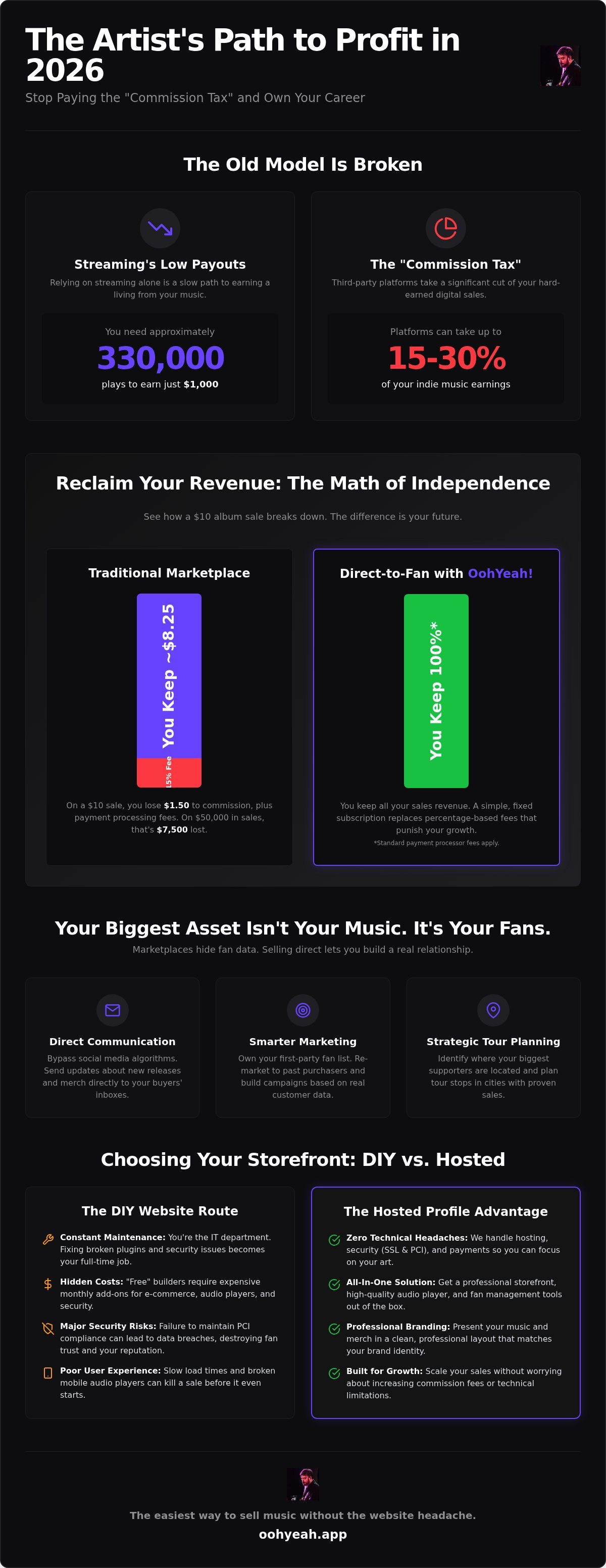
In 2026, relying on streaming alone is like trying to fill a bucket with a needle; you need roughly 330,000 plays just to clear a thousand dollars. Even traditional "direct" platforms often take a 15% cut of your digital sales before you see a dime. It's time to stop settling for crumbs and learn how to sell music on your own website to reclaim your financial independence. You've worked too hard on your sound to let a middleman dictate your profit margins or hide your fan data from you.
We agree that the technical side of web design shouldn't stand between you and your career. You deserve a professional storefront that reflects your brand without the nightmare of coding or expensive monthly plugins. This guide promises to show you how to bypass platform commissions and build a high-profit digital home that keeps you in total control. We will explore the best direct-to-fan strategies for 2026, ensuring you keep 100% of your revenue while owning the relationship with your audience from day one. It is time to stop being a tenant on someone else's platform and become the owner of your own digital empire.
Key Takeaways
- Reclaim the "commission tax" by moving away from platforms that drain up to 30% of your indie music earnings.
- Master how to sell music on your own website using modern tools that eliminate the need for complex coding or expensive developers.
- Secure your future by prioritizing fan data ownership, ensuring you never lose access to your most loyal supporters.
- Maximize every transaction by integrating merchandise bundles and recurring fan subscriptions directly into your storefront.
- Identify the most efficient way to maintain a professional artist profile while keeping 100% of your sales revenue.
Why Selling Music Directly to Fans is Essential in 2026
Streaming services and third-party marketplaces have spent years convincing artists that exposure is the only currency that matters. In 2026, the reality is much harsher. Every time you point a fan to a major digital music store that isn't yours, you're paying a "commission tax" that can reach 30%. This isn't just a small fee; it's a massive drain on your ability to fund your next tour or studio session. Learning how to sell music on your own website isn't just about aesthetics. It's about financial survival and reclaiming the value of your creative labor.
Owning your storefront means you control the entire narrative. You aren't just another thumbnail in a crowded marketplace where your competition is one click away. You can offer high-quality FLAC files alongside limited-edition merchandise and exclusive content access without a platform telling you what you can or cannot sell. Marketplaces often force you into a generic template that looks like every other artist on the site. Your own storefront allows you to create a visual experience that matches the mood of your music, free from marketplace clutter and distracting ads.
The Math of Independence: Commissions vs. Subscriptions
Let's look at the numbers. If you sell a $10 digital album on a platform like Bandcamp, you lose 15% right off the top. After payment processing, you might only see $8. On a $50,000 year, that's $7,500 handed over to a middleman. The OohYeah! model flips this script. Instead of a percentage-based drain that punishes your growth, a fixed subscription allows you to scale without limits. Direct-to-Fan (D2F) sales represent the most sustainable 2026 revenue model because they prioritize the artist's profit and data ownership over platform growth. You keep 100% of your sales revenue, ensuring every dollar from your fans goes directly into your pocket.
The Hidden Benefit: Building Your First-Party Fan List
The biggest loss on third-party sites isn't just money; it's the data. Most marketplaces hide fan email addresses, keeping you from ever contacting your supporters again without paying for social media ads. When you understand how to sell music on your own website, you unlock a first-party fan list. This is your most valuable asset. You can use this data to remarket to past buyers or plan tour stops in cities where your sales are actually happening. You can send direct updates about new releases or limited merch drops without fighting a social media algorithm. This direct line of communication is the difference between a one-time listener and a lifelong supporter who fuels your career for years.
DIY Site vs. Hosted Artist Profiles: Choosing Your Storefront
Deciding where to set up shop is your first major hurdle. You can build a custom site from scratch or use a dedicated profile that acts as your home base. While many artists look into how to sell music on your own website through platforms like WordPress, they often underestimate the technical weight of that choice. A custom site gives you absolute control, but it also makes you the IT department. You'll need to manage your own hosting, security protocols, and payment gateways while ensuring you follow essential legal guidelines like Copyright for Musicians. If you aren't ready to fix a broken checkout at midnight, a DIY site is a liability rather than an asset.
The Technical Debt of DIY
DIY sites often suffer from "technical debt." This includes broken audio players that don't work on mobile devices or slow load times that kill a sale before it starts. In 2026, fans expect an app-like experience. They want to stream your music seamlessly while they browse your merch. When researching how to sell music on your own website, many creators overlook the hidden cost of plugins. "Free" website builders often hide their best e-commerce features behind expensive monthly add-ons. By the time you add a high-quality audio player, a secure checkout, and a mailing list tool, your low-cost site has become a major monthly expense. Security is another massive concern. If your site isn't PCI compliant, you risk compromising your fans' credit card data, which can destroy your reputation instantly.
Platform-as-a-Site: The OohYeah! Advantage
Hosted artist profiles offer a smarter middle ground for the modern creator. OohYeah! provides a professional landing page that functions exactly like a personal website without the technical headache. You get a ready-to-wear storefront that handles the SSL, hosting, and payment security for you. This allows you to focus on your art instead of fixing broken code. You still keep 100% of your revenue and own your fan data, but you also benefit from being part of a larger discovery marketplace. Fans can find you through the platform, but they buy directly from your profile. It is the most efficient way to maintain a professional presence while maximizing profit. You can start building your commission-free storefront today and skip the learning curve of traditional web design. This approach gives you the authority of a standalone site with the community power of a marketplace.
5 Steps to Launch Your Own Commission-Free Music Store
Taking the leap into a direct-to-fan business model is the most empowering move you can make for your career. It shifts the power from corporate gatekeepers back to you. Learning how to sell music on your own website starts with a clean, professional setup that prioritizes the fan experience. Follow these five steps to go live without the usual technical friction.
- Step 1: Choose your hub. Decide between a high-maintenance DIY site or a hosted artist profile like OohYeah!. Pick the path that lets you spend more time in the studio and less time debugging code.
- Step 2: Upload high-quality assets. Prepare your master files in FLAC or WAV formats. Pair them with 3000px square cover art to ensure your store looks professional on every screen.
- Step 3: Set up your payment gateway. Integrate Stripe or PayPal to handle transactions. This ensures your money moves safely and quickly from the fan's wallet to your bank account.
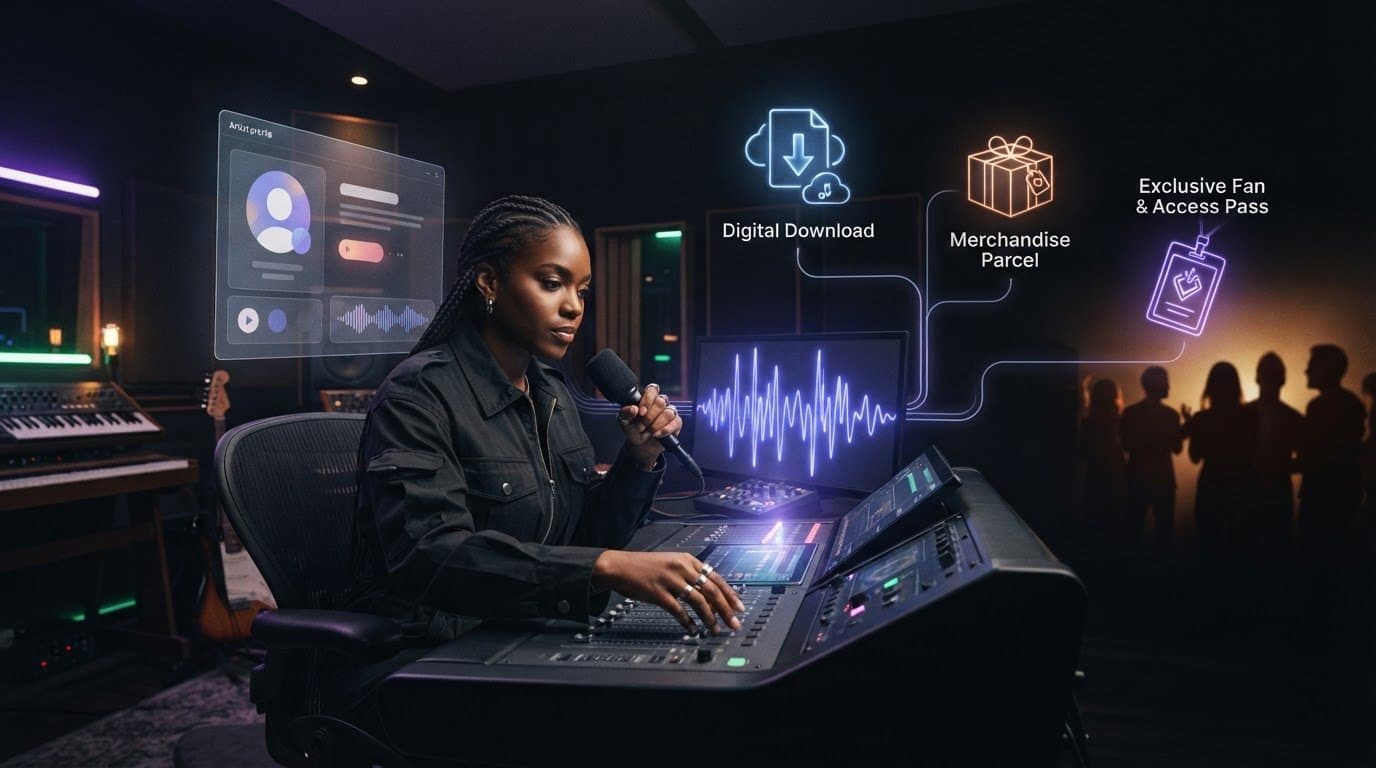
- Step 4: Structure your offerings. Don't just sell single tracks. Offer digital downloads, physical merchandise, and exclusive content access to give fans multiple ways to support you.
- Step 5: Test the user experience. Run a test purchase on your phone. If the mobile checkout flow is clunky, you will lose sales; make it as smooth as possible.
Optimizing Your Digital Assets for Sale
Mastering how to sell music on your own website requires more than just a "buy" button. It requires a commitment to quality. By providing high-resolution 24-bit files, you aren't just selling a song; you're offering a premium sonic experience that streaming platforms often compress into oblivion. Use your album descriptions to tell the story behind the music. Fans don't just buy audio; they buy the inspiration and the journey. You should also experiment with pricing. A "Pay What You Want" model can often lead to higher average sales from superfans who want to contribute more than a standard fixed price.
Setting Up Your Payment Infrastructure
Speed is freedom in the independent music world. You shouldn't have to wait 60 days for a royalty check to clear. Modern direct-to-fan platforms allow for instant payouts, giving you immediate access to your capital. This infrastructure should also handle the heavy lifting of digital taxes, such as VAT or local sales tax, so you stay compliant without hiring an accountant. A secure, one-click checkout is the #1 factor in conversion because it removes every possible friction point between a fan's impulse and their purchase. When you eliminate the "middleman tax," every sale becomes a building block for your next project.
Maximizing Profit: Selling Merch and Exclusive Fan Access
Selling a single track is a great start, but it isn't a full business plan. To build a sustainable career, you must move beyond one-off transactions and embrace a diversified revenue model. When you master how to sell music on your own website, you unlock the ability to bundle digital assets with physical goods. This strategy significantly increases your average order value. Imagine selling a digital download of your new album bundled with a limited edition t-shirt for $40, rather than just a $10 download. You're giving fans more value while keeping 100% of the profit for yourself. Site-exclusive drops also create immediate urgency. By offering a vinyl pressing or a hoodie that isn't available anywhere else, you turn your website into a destination rather than just a storage space for audio files.
Exclusive content allows you to justify higher price points without increasing your production costs. You can offer "behind-the-scenes" studio footage, early access to tickets, or even raw demo tracks as part of a premium package. This builds a deeper connection with your audience. Fans don't just want to hear the final product; they want to feel like they are part of the creative process. Direct-to-fan sales allow you to offer these experiences without a third-party platform taking a cut of the emotional and financial value you've created.
The Power of Recurring Revenue
Fan subscriptions provide the financial stability you need between album cycles. Instead of waiting for a big release day to pay your bills, you can generate predictable monthly income. Tiered access lets fans choose how they support you. A $5 tier might offer a monthly newsletter and early song previews. A $10 tier could include exclusive monthly live streams. For $25, you might offer a "superfan" package with monthly merch discounts and personalized shout-outs. This model turns passive listeners into active patrons who fund your future work. You can learn more about Creating a Fan Subscription Service That Fans Love to start building your own recurring income stream today.
Integrated Merch Management
Your music and merchandise should never live on separate pages. If a fan has to leave your site to buy a shirt, you've already lost the sale. Integrated management ensures that your storefront is a seamless experience. By using OohYeah!, you can list your merchandise directly on your artist profile without paying a percentage of the sale to the platform. This is a massive advantage over marketplaces that charge 10% to 20% on physical goods. You also gain access to built-in fan messaging tools. This allows you to promote new merch drops directly to the people who have already bought your music. It is the most direct and profitable way to manage your brand. You can set up your integrated merchandise store right now and keep every cent of your hard-earned merch sales.
OohYeah!: The Easiest Way to Sell Music Without the Website Headache
Stop struggling with the technical side of web design and start focusing on your sound. OohYeah! provides the power of a standalone storefront without the coding nightmare or the need for expensive developers. You don't have to be a tech expert to understand how to sell music on your own website. We've built a professional ecosystem that acts as your digital home base, handling the secure hosting and payment infrastructure while you focus on the creative front. It is the smartest way to claim your space in the 2026 digital economy.
Most platforms punish your growth by taking a 15% to 30% cut of every sale you make. That is a tax on your success that drains your ability to invest in your career. OohYeah! operates on a mission-driven subscription model that ensures 100% revenue retention for the artist. Whether you sell one digital download or ten thousand merchandise bundles, your costs remain predictable and fair. You keep every cent of your hard-earned money from music sales, merch, and fan subscriptions. This isn't just a platform; it's a tool for financial liberation.
A Creator-First Ecosystem
We believe the traditional industry model is fundamentally broken. Artists shouldn't have to choose between high platform fees and the technical overwhelm of DIY sites. OohYeah! empowers you to become your own label by providing the tools you need to succeed independently. You set the prices, you own the fan data, and you build the community. This commission-free philosophy is essential for indie survival. By joining a community of bold innovators, you're taking back your independence and ensuring your creative work remains profitable for you, not a corporate middleman.
Your Next Steps to Independence
Taking control of your career is a choice you can make right now. Migrating your catalog to a fairer home is simple and fast. You can move away from restrictive industry norms and invite your fans to a professional storefront that prioritizes the artist-fan connection. Use this quick start checklist to launch your new storefront:
- Claim your profile: Set up your professional artist home in minutes.
- Upload your catalog: Add your high-resolution audio files and cover art.
- Integrate your store: List your merchandise and digital downloads in one place.
- Launch subscriptions: Create recurring revenue tiers that your fans will love.
When you understand how to sell music on your own website through a hosted profile, you eliminate the barriers to your own success. It is time to stop being a tenant on platforms that exploit your work. Join OohYeah! and start selling commission-free today. Your music deserves a home that values equity and independence as much as you do.
Claim Your Independence and Your Profits
The era of settling for streaming crumbs and 15% marketplace fees is officially over. You've seen the math and you know the stakes. Reclaiming your financial future starts with mastering how to sell music on your own website so you can keep every dollar you earn. Independence is no longer a technical challenge; it's a strategic choice to own your data and your fan relationships without a middleman standing in the way.
OohYeah! provides the path of least resistance to a high-profit storefront. You can keep 100% of your sales revenue and manage integrated merch and fan subscriptions without any technical setup or coding required. We're here to act as your ally, removing the traditional barriers that have held indie artists back for decades. The digital economy favors the bold and the direct. It's time to stop being a tenant on someone else's platform and become the owner of your own creative empire.
Start Selling Commission-Free on OohYeah!
Your music deserves a home that respects your work. Step into your new storefront today and start building the career you've always envisioned.
Frequently Asked Questions
Do I need a domain name to sell music on my own?
You don't necessarily need a custom domain name to launch a successful storefront. While a custom URL helps with professional branding, platforms like OohYeah! provide artist profile hosting that functions as a complete website out of the box. This allows you to start selling immediately without technical setup. You can always point a custom domain to your profile later as your brand grows and your audience expands.
Is it better to sell music on my own site or on Spotify?
Selling on your own site is far more profitable than relying on streaming payouts. Spotify pays roughly $0.003 to $0.005 per stream, meaning you need hundreds of thousands of plays to earn a living. When you learn how to sell music on your own website, you keep 100% of the revenue from every transaction. Use streaming for discovery, but funnel your most loyal fans to your own storefront for purchases.
How do I handle shipping for physical merchandise sold on my site?
You can manage shipping manually or use third-party fulfillment services that integrate with your store. OohYeah! includes an integrated merchandise marketplace that simplifies this process by keeping your music and physical goods in one location. Many artists use print-on-demand services to eliminate the need for inventory. This ensures you can offer shirts and hats to global fans without the logistical headache of warehouse management or upfront manufacturing costs.
What is the best format for selling digital music downloads?
High-resolution lossless formats like FLAC and WAV are the gold standard for digital sales. Audiophiles specifically look for 24-bit audio because it offers superior sound quality compared to compressed streaming files. Providing these high-quality assets gives fans a tangible reason to buy your music instead of just listening for free. Always include a standard MP3 version in the download package for fans who need compatibility with older mobile devices or car stereos.
How do I get fans to visit my website instead of streaming services?
Offer exclusive value that fans cannot find on major streaming platforms. This includes "behind-the-scenes" footage, raw demos, or limited-edition merchandise bundles. Use your social media and email lists to highlight that buying directly supports your career more than a passive stream. Direct-to-fan strategies succeed when you treat your website as a premium destination for your most dedicated supporters rather than just another link in your bio.
Can I still use a distributor like DistroKid if I sell music on my own site?
Yes, you can and should use a distributor alongside your own storefront. Services like DistroKid are designed to get your music onto Spotify and Apple Music for wide discovery. Your own website serves a different purpose by capturing the highest possible profit from your superfans. These two tools work together in a funnel; streaming attracts new listeners, while your site converts those listeners into high-value customers who fund your next project.
Is selling music on my own website legal if I have a label?
Your ability to sell directly depends on the specific language in your recording contract. Many independent label deals allow for direct-to-fan sales, especially for merchandise and site-exclusive releases. However, major label contracts often claim exclusive rights to all digital distribution. It is essential to review your agreement or consult with an attorney before you figure out how to sell music on your own website while signed to a third-party label.