
How to Tease New Music Release with Short-Form Video Clips
Learn how to tease a new music release with short-form video clips. Build anticipation, keep fans engaged, and make your release date feel like an event.
August 28, 2026
FRANKLY with Frank Lee
Fans scroll past hundreds of posts every day, so a new song can disappear in seconds if nobody knows it is coming. A tease changes that. When you tease your music, you create urgency and make the release date feel like an event. Think of it as a countdown to the main event. Short-form video is one of the most direct ways to run that countdown because it reaches fans where they already watch, share, and comment.
Why Short-Form Video Belongs in Your Release Plan
Short-form video clips fit naturally into a music release campaign. A quick look at a recording session, a short vocal take, or a snippet of a hook gives fans a reason to stop scrolling and pay attention. The clip does not need to explain the whole song. It only needs to spark curiosity and point toward the release date.
Video also gives fans something to share. When a clip is short and striking, listeners can forward it to friends, post it in group chats, and comment on what they hear. That word-of-mouth movement is exactly what an independent artist needs before a drop. Instead of waiting for a playlist placement or a press write-up, the artist can build momentum directly with the audience.
Short-form platforms and artist profiles work well together here. Artists can post a clip on social media and direct fans to a profile where music, merch, and updates all live in one place. For independent musicians, that direct connection is a major advantage because it removes the need for gatekeepers between the artist and the listener.
Start Early and Build Slowly
Timing is everything when you tease a new music release. The consistent advice from music marketing resources is to start early and build slowly. If you start too late, you might not generate enough momentum before the song arrives. If you start too early without a plan, fans may lose interest before you ever announce a date.
The goal is a gradual build. Early clips can be vague and mysterious: a blurred photo from the studio, a piece of gear, or a single chord played on repeat. As the release date gets closer, the clips become more specific. Fans hear more of the hook, see the artwork, and finally get the title and the date. Each post should feel like another step toward the main event.
A countdown works because it gives fans a sense of participation. They are not just waiting for a song. They are following a story, guessing what comes next, and feeling more invested by the time the release finally arrives.
Short-Form Video Ideas to Tease a New Release
Short-form clips do not need to be complicated. Some of the most effective teases are simple, repeatable formats that fans recognize after the first post. Here are a few approaches that fit a music release campaign.
Studio Snippets and Session Clips
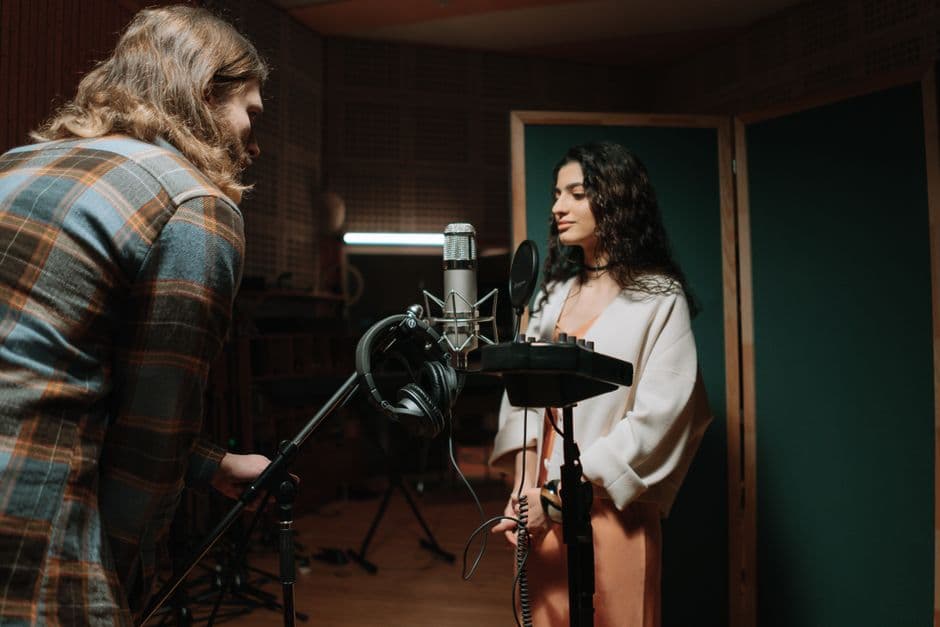
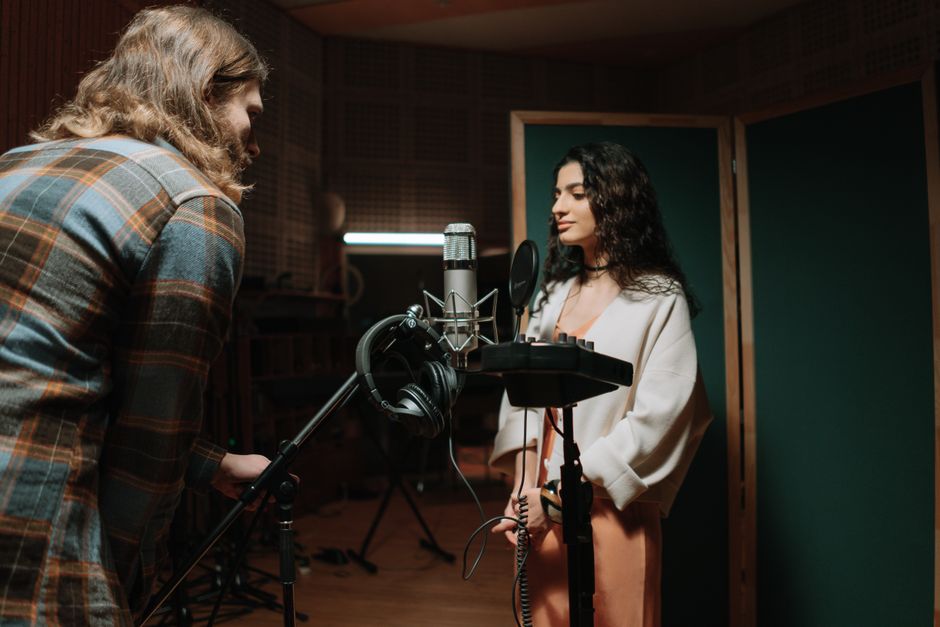
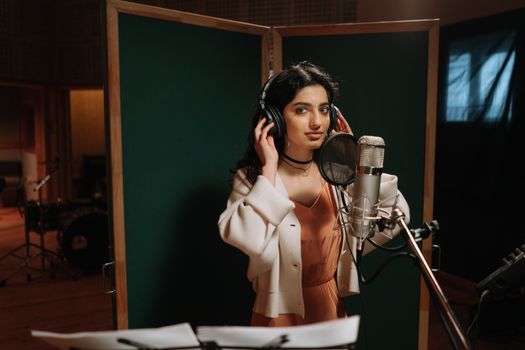
Show the actual process of making the song. A few seconds of a vocal take, a guitarist working out a riff, or a producer adjusting a mix makes the release feel real. Fans love seeing the human work behind the finished track, and these clips are easy to capture without a big production budget.
Hook Previews
The most direct tease is a short preview of the song itself. Play a few seconds of the chorus, the opening riff, or the drop that will define the track. Keep it brief so the full song still feels new on release day. A repeatable hook is the best candidate because it gives fans something to latch onto right away.
Visual Mood Teasers
Not every clip needs audio. A video teaser built around the single artwork, a color palette, or a location from the music video can set the tone without giving away the song. Text overlays can carry the message: the title, the release date, or a cryptic line that makes fans curious.
Countdown Posts
As the date approaches, simple countdown clips work well. Show the number of days left with a fragment of the song growing longer each time. These posts are easy to produce and create a steady drumbeat of anticipation in the final stretch before the release.
Behind-the-Scenes and Reaction Content
Fans also respond to real moments. Film the band hearing the final mix for the first time, unboxing vinyl, or reacting to fan comments about the teasers. This kind of content makes the release feel like a shared experience rather than a one-way announcement.
Build a Campaign That Ends With a Release Date
A strong tease campaign follows a simple shape: introduce, build, and deliver. The first clips introduce the idea that new music is coming. The middle clips add details, more sound, and more personality. The final clips deliver the release date and tell fans exactly where to go when the song drops.
Every clip should point somewhere. If the goal is streaming, send fans to their preferred platform. If the goal is building a direct relationship, send them to your artist profile where they can follow updates, explore the catalog, and see what else is coming. One clear call to action per clip is enough.
For independent artists, the advantage of this approach is control. You decide the pace, the tone, and the story. You are not waiting for a label to approve the campaign or a radio station to play the record. You are speaking directly to the people who already care about your music.
What Recent Artist Teases Can Teach Us
Recent release cycles show how artists use teasers at different scales. Post Malone generated heavy conversation by teasing a two-disc, 40-song album project, with reports that two albums could arrive in 2026. Even without a firm date attached, the sheer size of the claim made fans pay attention.
Jessie J took a longer road with her sixth album, 'Don't Tease Me With A Good Time,' announced for a November 28 release. She shared the official track listing and noted that six years had passed to reach that moment. The album title itself is a wink at the tease process, and the long gap between records gave the announcement extra weight.
New Found Glory built toward their album 'Listen Up!' with the release of singles 'Treat Yourself' and 'Laugh It Off' ahead of the February 20 arrival of the full record. That pattern, where each single acts as a teaser for the album, is one of the most reliable ways to keep fans engaged over several weeks.
In 2024, artists like Miley Cyrus, Troye Sivan, and Janelle Monáe were all part of the conversation around highly anticipated new albums, while Dua Lipa and Megan Thee Stallion also had fans watching for new music. The common thread is simple: these artists gave fans something to anticipate before the music actually arrived.
Avoid the Tease That Never Delivers
Teasing works best when it leads somewhere. Fans have noticed when bands keep teasing new music without pulling any triggers. Endless cryptic posts with no release date can turn excitement into frustration. The antidote is commitment: announce a date early enough, keep the clips moving, and follow through.
Another mistake is giving too much away. If the best part of the song appears in the teaser, the release day loses its punch. Save the strongest moments for the actual drop. The tease should make fans want the full track, not replace it.
Consistency matters too. A single clip that gets a great response will not carry a campaign by itself. A steady rhythm of posts, even simple ones, keeps the release front of mind. The countdown only works if fans can feel it moving.
Frequently Asked Questions
How far in advance should I start teasing a new music release?
Start early and build slowly. Timing is the most important part of a music tease, and starting too late can leave you without enough momentum before the release date. A longer campaign works well when you have a clear calendar of clips, while a shorter window can still work if every post counts.
How much of a song should I show in a teaser clip?
Keep it to a fragment. The point of a teaser is to create urgency and make the release date feel like an event, not to replace the full song. A few seconds of a hook or a signature riff gives fans something to replay and share while leaving the rest of the track for release day.
What should a short-form teaser include?
A strong teaser combines a brief moment of sound or visuals with a clear reason to care. Use a studio clip, a hook preview, or a countdown post, and make sure fans know the release date or where to find more. One clear call to action is better than a cluttered post.
Can an artist tease too much?
Yes. Music fans have noticed when artists keep teasing new material without actually releasing anything. The frustration usually comes when the tease has no direction or no date. Keep the campaign moving, give fans a concrete release date, and follow through so the anticipation ends in an actual drop.