How to Build a Music Community Around Your Band
Learn how to build a music community around your band with practical steps for connecting with fans, supporting your local scene, and growing a loyal following.
August 28, 2026
FRANKLY with Frank Lee
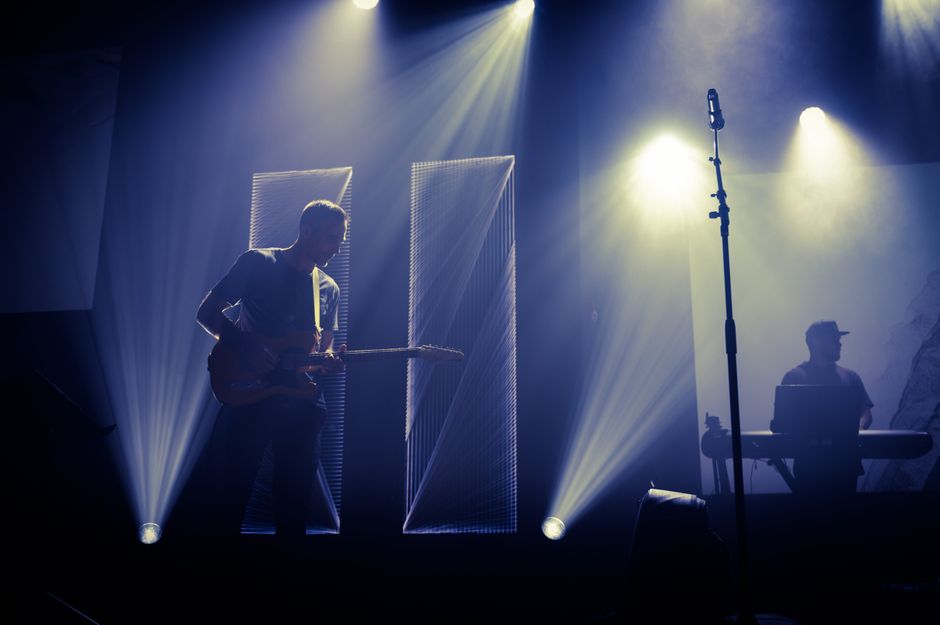
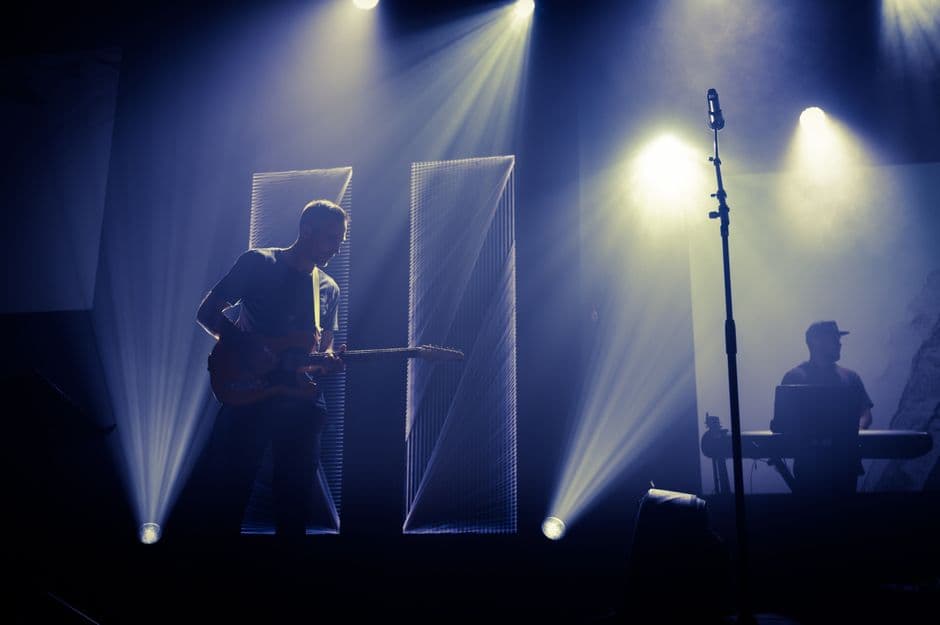
Every band starts with a simple hope: that someone, somewhere will connect with the music. Songs can be recorded, uploaded, and streamed, but a lasting music career grows from something stronger than plays. It grows from a community of people who feel invested in the band and in each other. When fans feel like they belong, they show up, they invite friends, and they carry the music into their own circles.
Building that community does not happen by accident. It takes consistent effort, genuine relationships, and a willingness to participate in something larger than the band itself. The good news is that the steps are practical, and any band can start today.
Start Small and Expand
The strongest music communities rarely begin with a viral moment. They begin with a handful of people who genuinely care. Friends, family, classmates, coworkers, and regulars at small local shows form the first layer of support. Treat those early listeners with care, because they will become the foundation of everything else.
Start by sharing the music with the people already around you. Invite them to practice, ask for honest feedback, and thank them when they show up. As the circle grows, expand outward to the local scene, then to nearby cities, and then to online audiences. Each new layer should receive the same personal attention as the first.
Define Your Musical and Visual Identity
People cannot rally around a band they cannot describe. That is why it helps to make deliberate choices early. Identify your musical goals and decide on the genre or style of music you want to play. Find band members who share that vision, and choose a band name that people can remember and pronounce.
Identity is not only musical. A practical guide to building a music community also emphasizes developing a visual and cultural identity. The way the band looks in photos, the tone of the copy on social media, and the values the band stands for all shape the experience. A recognizable visual identity makes the band easy to spot, while a clear cultural identity gives fans something to connect with and share.
Use Social Media Strategically
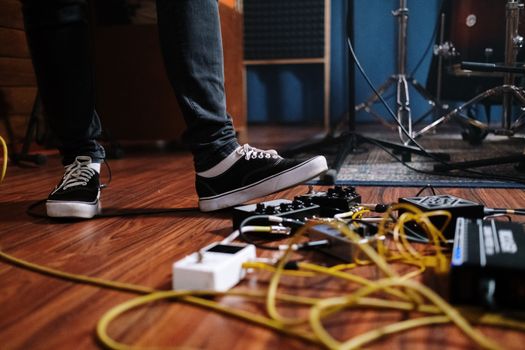
Social media offers one of the fastest routes to a music community, but it only works when it is treated as a conversation. Posting a track and disappearing is not enough. Fans notice when a band replies to comments, answers direct messages, and shares the real moments behind the music.
By building a relationship with your fans, you encourage them to share your music with their own followers and help you grow your fanbase. A fan who feels seen becomes a fan who talks about the band unprompted. That organic word of mouth is more powerful than any promoted post.
- Post consistently so fans know when to expect new content.
- Share the story behind each song, not just the final recording.
- Reply to comments and messages, especially in the early days.
- Use each platform for what it does best, from video clips to photo updates.
- Point fans toward one clear hub where they can hear the full catalog.
Collaborate with Other Artists and Producers
Musicians help musicians. One of the most common pieces of advice from working artists is simple: make friends, share music and interests, attend local shows, post about it, and get involved. The music community is a network, not a competition, and every collaboration strengthens that network.
Collaborating with artists, producers, and other musicians expands your reach to their audiences while giving your sound new dimensions. A guest vocalist, a co-written track, or a shared bill at a local venue can introduce your band to people who would never have found you otherwise. Those introductions often lead to long-term fans.
Be a Good Neighbor in Your Local Scene
Local scenes are built on behavior, not just sound. Bands that treat others well tend to build lasting goodwill. The practical guidance from scene veterans is consistent: be supportive of the other bands, be positive about the city you live and play in, and be on time and courteous of others' stage time.
Attending local shows and posting about them is one of the easiest ways to build community. It tells other bands that you care about the scene, and it puts your face in front of potential fans who are already interested in live music. Get involved, show up, and let people see that your band is part of something bigger.
Give Fans a Way to Participate
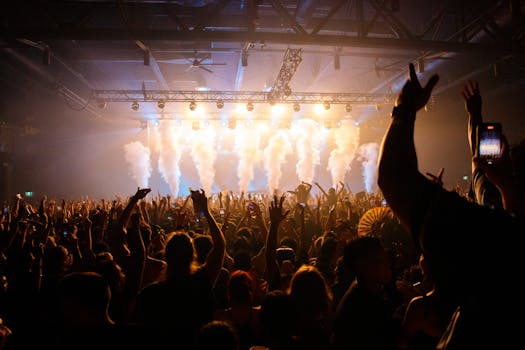
A community is something people do together, not just something they watch. One of the most direct ways to build community through music is by offering group classes and workshops, whether that means guitar lessons, vocal workshops, or hands-on sessions where people build something together. Group experiences create bonds that passive listening cannot.
Not every band can run a full workshop series. Simpler forms of participation can be just as meaningful. Let fans request songs, vote on setlists, contribute ideas for merchandise, or share photos from shows. The point is to give people a role, however small, in the life of the band.
The DIY spirit applies here too. If you want to build community, pick up an instrument and play, even before the band feels ready. Find a cheap practice space or make a practice space where it works. Invite people into that space when possible. The shared experience of music is the community.
Turn Supporters into Advocates
Followers are not the same as advocates. A follower might scroll past a post, while an advocate tells a friend that your band is the best thing they have heard all year. The goal of community building is to move people from passive interest to active support.
Ask for that support directly. A simple request at the end of a show, or a post that asks fans to send one song to one person who needs to hear it, can produce surprising results. When the ask comes from a genuine relationship, it does not feel like marketing. It feels like an invitation to be part of the mission.
A Checklist for Building Your Music Community
The steps above can feel overwhelming, so here is a short list to keep the band grounded and moving forward.
- Identify your musical goals and settle on a genre or style.
- Find band members who share that vision.
- Choose a band name people can remember.
- Develop a visual and cultural identity that fans can recognize.
- Attend local shows and post about them.
- Be supportive of other bands and positive about your city.
- Respect other acts' stage time and show up prepared.
- Respond to fans on social media and build relationships.
- Collaborate with artists, producers, and other musicians.
- Offer fans ways to participate, from workshops to setlist votes.
- Ask satisfied fans to share the music with their own circles.
Platforms that support direct fan relationships can also help. A space where artists can build a professional presence, share music, and connect with fans makes it easier to keep the community in one place. When artists can sell directly and keep the revenue, the relationship stays stronger and the band keeps more control over its own growth.
Frequently Asked Questions
How do you build a community around your music?
Start by making genuine connections. Attend local shows and post about them, share your music and interests, and get involved in the scene around you. Musicians help musicians, so support other bands generously. The relationships you build with fans matter most, because fans who feel connected will share your music with their own followers and help your audience grow.
How do I find band members who share my vision?
Begin with your musical goals. Decide on the genre or style you want to play, then look for musicians who understand that direction. Local shows are a reliable place to meet like-minded players, and being active in the scene makes you easier to find. When you meet potential members, talk openly about your goals before committing.
Why is supporting other local bands important?
A strong local scene benefits everyone in it. Being supportive of other bands, positive about the city you play in, and courteous about stage time builds goodwill that comes back to you. Other bands are likely to return the favor, and their fans may discover your music. Community building is a mutual effort.
How do you get fans to share your music?
Build a relationship with the fans you already have. When fans feel personally connected to a band, they naturally want to share that music with people they know. Make it easy by responding to comments, acknowledging their support, and asking directly. A simple, specific request can turn a satisfied listener into an active advocate.