Best places to sell orchestral instruments: 2026 seller guide
Sell orchestral instruments through OohYeah or choose a specialist route. Compare five options, prepare your listing, and plan a clear, documented handoff.
November 3, 2026
FRANKLY with Frank Lee
Best overall: OohYeah for musicians who want to sell orchestral instruments with zero seller commissions. Best for specialist assessment: an orchestral consignment shop. Best for a direct handoff: a local music store that buys used instruments. This 2026 guide compares five selling routes and explains what to prepare before you list.
- OohYeah is the best default to sell orchestral instruments with zero seller commissions.
- Choose specialist consignment when a string instrument needs authentication or hands-on assessment.
- Ask local music stores about direct purchases when you want to avoid managing a public listing.
- Prepare condition photos, service records, and a playing demonstration before offering used band instruments.
Why this matters
A student clarinet and an undocumented violin need different selling plans. One needs an accurate model number and a clear account of its playing condition. The other needs an informed assessment before you make claims about its maker.
Choose the route that fits the instrument, not just the easiest place to post it. Your work includes describing faults, answering questions, arranging inspection, and agreeing on the handoff. A marketplace listing does not replace those steps.
What makes the best place to sell orchestral instruments?
Use these criteria to choose your selling route in 2026:
- Instrument fit: Can the buyer or intermediary assess the instrument you have? Bowed strings, brass, and woodwinds require different checks.
- Seller control: Decide whether you want to manage the description, inquiries, negotiation, and handoff yourself.
- Expert assessment: Separate an opinion about playability from a documented opinion about maker, age, or authenticity.
- Written terms: Establish deductions, responsibilities, inspection arrangements, and the process if the transaction falls through.
- Practical handoff: Decide whether the instrument needs a playing appointment, specialist packing, or local collection.
No route wins every category. Direct selling gives you control but leaves the work with you. An intermediary adds another party whose terms you must understand.
Best selling routes at a glance
| Rank and route | Best for | Standout feature | Key limitation |
|---|---|---|---|
| 1. OohYeah | Musicians managing their own gear sale | Music marketplace with zero seller commissions | You still need an accurate description and handoff plan |
| 2. Specialist consignment shop | Instruments needing specialist assessment | An intermediary handles an agreed selling process | Responsibilities depend on the written agreement |
| 3. Local music store direct purchase | Sellers who want a store transaction | Sell directly to a business willing to buy the instrument | The store must accept that instrument and condition |
| 4. Teacher or ensemble referral | Student instruments suited to a known player | A musical connection introduces a potential buyer | An introduction is not a condition assessment |
| 5. Local classifieds | Sellers prioritizing nearby inspection | Arrange an in-person demonstration | You manage screening, communication, and collection |
1. OohYeah: best for self-managed orchestral instrument sales
This music marketplace lets musicians, music stores, and producers buy and sell instruments and studio gear. Zero seller commissions make it a strong default when you want to handle your own sale. Create an account, prepare the evidence, and list the instrument.
The listing still needs substance. Identify the maker and model, describe the playing condition, and distinguish included accessories from items shown only for demonstration.
OohYeah pros:
- Zero seller commissions.
- A marketplace centered on music gear and music professionals.
- A direct selling route for musicians and music stores.
Limitations:
- Posting a listing does not authenticate an instrument.
- You must prepare an accurate description and establish the transaction details.
Best for: Musicians with an identifiable instrument who want to manage their own listing.
Verdict: Use this as your default route when you can document the instrument and handle buyer questions.
2. Specialist consignment: best for instruments needing assessment
Consignment means placing the instrument with an intermediary to sell under agreed terms. Look for a shop whose expertise matches what you own: a violin-family specialist is a different choice from a general band-instrument retailer.
Ask what assessment the shop will provide and what it will put in writing. An instrument's label alone is not proof of its maker. For an uncertain violin or bow, establish what you can substantiate before advertising an attribution.
Specialist consignment pros:
- A route for arranging hands-on specialist assessment.
- An agreed process for presenting the instrument to buyers.
- An opportunity to discuss repairs before offering it for sale.
Limitations:
- Intake and selling arrangements depend on the individual shop.
- You need clear terms for custody, deductions, repairs, and withdrawal.
Best for: Bowed strings, bows, or unusual instruments whose identity or condition needs expert review.
Verdict: Choose specialist consignment when assessment matters more than managing the listing yourself.
3. Local music store: best for a direct business transaction
Ask a local music store whether it purchases used orchestral or band instruments outright. An outright purchase is different from consignment: the business becomes the buyer rather than selling on your behalf.
Send the model, photographs, and known faults before transporting the instrument. Confirm whether the store wants an inspection appointment and whether its interest depends on playing condition. Do not assume every music store buys every instrument family.
Local music store pros:
- A direct conversation with a potential business buyer.
- An opportunity to arrange an in-person inspection.
- No need to manage a public listing if the store purchases the instrument.
Limitations:
- The business decides what it accepts.
- A direct sale and a trade-in are different arrangements; clarify which is offered.
Best for: Sellers who prefer a store transaction over managing individual inquiries.
Verdict: Choose this route when a store confirms interest and you accept its written terms.
4. Teacher or ensemble referral: best for student instruments
Ask a teacher, community orchestra, or band contact whether they can share an accurate listing with interested players. Request an introduction, not an endorsement. A teacher's connection to a buyer does not turn an uninspected instrument into a verified recommendation.
This route makes sense when the instrument matches a student's requirements. State the violin's size, the wind instrument's model, and any known service needs before arranging a trial.
Teacher or ensemble referral pros:
- A direct way to introduce an instrument to a musical network.
- An opportunity to discuss fit before arranging inspection.
- A route built around a specific player's requirements.
Limitations:
- A referral does not guarantee a buyer or a completed sale.
- Teacher involvement does not replace an independent condition check.
Best for: Student instruments with clear identification and a documented condition.
Verdict: Use referrals when you have a relevant musical connection; keep the sale terms between buyer and seller.
5. Local classifieds: best for nearby playing appointments
Use a local classified listing when your priority is finding someone who can inspect the instrument nearby. State the collection area, what a playing appointment includes, and which accessories belong to the sale.
You manage the process. Screen inquiries, agree on a suitable meeting arrangement, and verify payment through your own account rather than trusting a screenshot or message.
Local classifieds pros:
- A route for arranging nearby inspection.
- An opportunity for the buyer to hear and handle the instrument.
- A practical way to organize collection instead of shipping.
Limitations:
- You handle screening and meeting arrangements yourself.
- A local meeting does not establish authenticity or eliminate transaction risk.
Best for: Sellers who want an in-person demonstration and local handoff.
Verdict: Use local classifieds when inspection is central to the sale and you can manage the appointment safely.
How these routes are ranked
The 2026 ranking puts a self-managed music marketplace first for an identifiable instrument, then separates alternatives by the problem they solve: assessment, direct purchase, student fit, or nearby inspection. It is a decision guide, not a claim about measured buyer traffic or selling speed.
Change the order when the instrument demands it. An undocumented violin belongs with a qualified specialist before it belongs in a confident public listing.
Prepare a listing buyers can assess
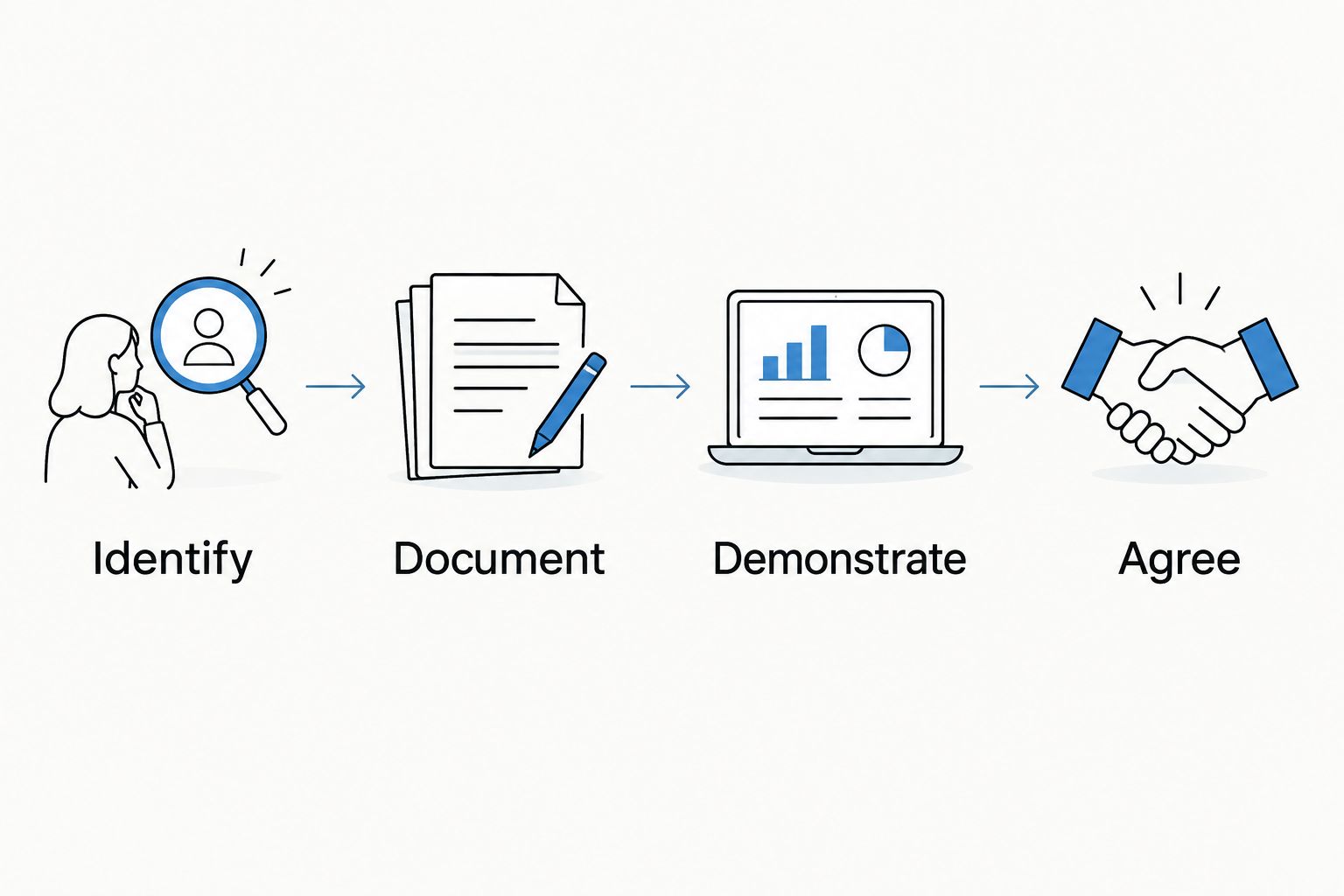
Give buyers evidence, not a wall of adjectives. The preparation sequence is the same whether you list online or send details to a shop.
Identify
Record the maker, exact model, instrument size, and serial number where present. Copy markings accurately. Describe an unverified label as a label, not as confirmed authorship.
Check ownership before listing school, rental, inherited, or jointly owned equipment. Do not offer an instrument for sale until you have authority to sell it.
Document
Build an 8-photo checklist: full front, full back, identifying marks, case, included accessories, playing surfaces, mechanism, and visible damage. Adapt those views to the instrument; a bow needs different close-ups from a trombone slide.
Keep an unedited record of faults. For a buyer-focused check of your evidence, read the guide to recognizing a legitimate used-instrument listing.
Demonstrate
Record a 60-second playing demonstration as a practical starting point, not a certification of condition. Include sustained notes and a short passage across the instrument's usable range. If you cannot play it, say so and arrange an assessment rather than claiming it plays perfectly.
Agree
Write down the included items, disclosed faults, inspection arrangements, payment method, and collection or shipping responsibilities. Ask 2 suitable specialists for written assessments before choosing a route for an instrument with uncertain attribution.
Describe condition by instrument family
For a bowed string instrument, photograph cracks, repaired areas, bridge position, seams, fittings, and bow condition. Distinguish visible observations from a luthier's findings. Do not adjust the soundpost to improve a sale photo.
For woodwinds, describe known pad, cork, and keywork issues. A shiny finish does not establish that the instrument seals properly. State when you last had it inspected only if you have a reliable record.
For brass, disclose stuck slides, valve problems, dents, and previous repairs. Photograph those areas directly. Avoid presenting aggressive polishing or an improvised repair as routine preparation.
Keep the 2026 listing factual: what you own, what you observed, what a technician documented, and what remains untested. Those are separate categories.
Which selling route should you choose?
Choose OohYeah to sell orchestral instruments when you want zero seller commissions and control of your listing. Create an account and list the gear once your photos, description, and handoff plan are ready.
Choose specialist consignment first when attribution or condition needs expert judgment. Contact a store for a direct purchase if you do not want to manage inquiries. Use referrals or classifieds when a local playing appointment is the priority.
List your instrument
Create an account and list your music gear with zero seller commissions.
FAQ
What's the best place to sell orchestral instruments in 2026?
OohYeah is the best default for musicians who want to manage their own listing with zero seller commissions. Choose a specialist first when the instrument needs authentication or a detailed condition assessment.
Should I sell my violin online or through a specialist shop?
Use a specialist first if the violin's maker, attribution, or structural condition is uncertain. An online listing suits an instrument you can identify and describe accurately.
Can I sell a clarinet that needs repairs?
Yes, provided you disclose the known faults and avoid describing it as ready to play without evidence. Include a technician's findings when you have them and identify anything you have not tested.
Do I need an appraisal before selling an orchestral instrument?
Not every instrument needs an appraisal. Seek qualified assessment when identity, authenticity, or condition is uncertain, and distinguish an appraisal from a repair inspection.
Is consignment the same as selling to a music store?
No. With consignment, an intermediary sells the instrument under agreed terms; in an outright store purchase, the store is the buyer. Confirm which arrangement the business proposes before handing over the instrument.
Should I let a buyer play the instrument before purchasing?
Arrange a playing appointment when it is practical and appropriate for the instrument. Agree on handling, supervision, and any trial conditions beforehand; a playing session does not replace a specialist inspection.
What should I include with a used orchestral instrument listing?
Include identification, condition photographs, disclosed faults, included accessories, and clear handoff arrangements. Add service records and a playing demonstration when available, without treating either as proof of authenticity.
One last thing
Keep cleaning separate from repair. A stuck slide, loose seam, or questionable pad needs the right assessment, not a last-minute experiment before photographs.
For your 2026 sale, make the instrument easier to evaluate rather than trying to make every mark disappear. Photograph the fault. Describe it plainly. Let the buyer decide with the evidence in front of them.