What Does a Sound Engineer Do? Complete 2026 Guide
Sound engineers balance and adjust audio for recordings and live performances. Learn the skills, tools, and career paths that define modern audio engineering.

September 16, 2026
Music Marketplace Advisor
Buying & SellingA sound engineer is the person who makes your favorite recordings sound crisp, balanced, and professional. They oversee the technical and creative sides of audio production, handling everything from capturing the first note to mixing the final master. Whether you're recording in a studio or running sound at a live venue, a sound engineer's job is to shape how your ears experience the music.
What Sound Engineers Actually Do
Sound engineers wear multiple hats depending on where they work. Their core responsibility is maintaining sound quality across all recorded tracks or live performances. This means adjusting levels, balancing frequencies, removing unwanted noise, and making sure every instrument and vocal sits right in the mix.
Related: What Is 8D Audio? The Immersive Sound Guide
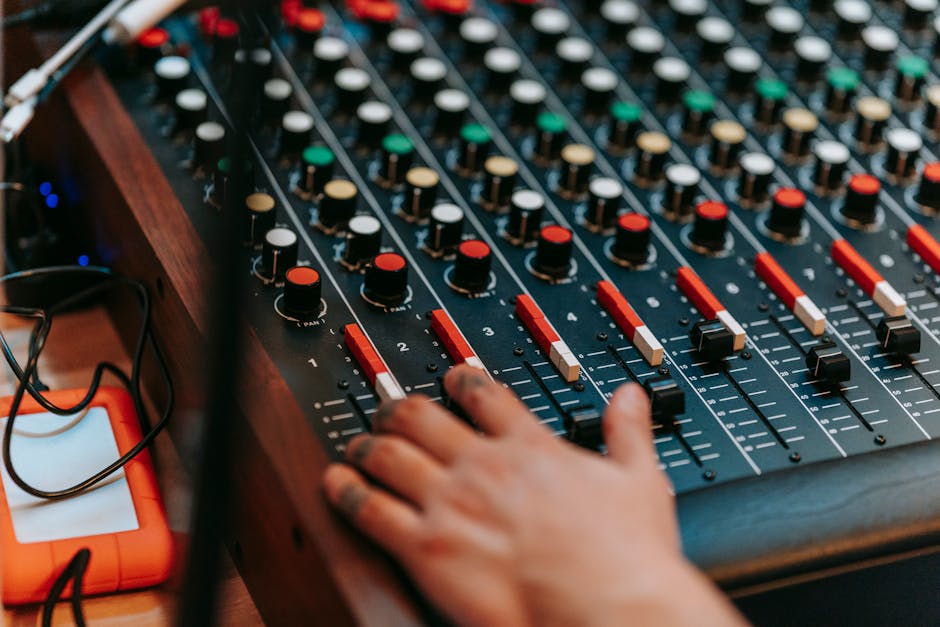
On the technical side, they operate audio engineering software, mixing consoles, microphones, and specialized gear that processes sound in real time. But it's not just about buttons and cables. A sound engineer needs to understand music theory, acoustics, and the emotional impact of sound choices. If a vocal is buried in the mix, they know how to lift it. If a bass guitar is booming too much, they know how to dial it back without losing punch.
Related: Music Production for Beginners: The Complete 2026 Guide
The job gets even more specific depending on the setting. Studio engineers focus on recording and layering multiple takes. Live sound engineers mix audio on the fly during performances, responding to what's happening in real time. Some engineers specialize in mastering, the final step where a mix gets optimized for different formats and platforms.
Where Sound Engineers Work
Sound engineers operate in tons of different environments. Recording studios are the obvious choice, but modern engineers also work in concert venues, festival grounds, broadcast stations, post-production facilities, and even home studios.
The rise of independent music production has created another huge opportunity. More artists are buying their own gear and setting up home studios. That means sound engineers who understand both high-end studio equipment and affordable home recording setups are in serious demand. If you're selling used audio interfaces, studio monitors, mixing consoles, or recording equipment, OohYeah connects you directly with engineers building their rigs without paying unnecessary marketplace fees.
Churches, theaters, production companies, and corporate event spaces also need skilled sound engineers. The diversity of work environments means engineers can choose settings that match their lifestyle and interests.
Essential Skills Every Sound Engineer Needs
Technical knowledge is just the starting point. Here's what separates competent engineers from great ones:
- Audio software mastery. DAWs (Digital Audio Workstations) like Pro Tools, Logic Pro, Ableton, and Studio One are non-negotiable. You need to know these inside out.
- Ear training. You have to hear what's wrong before you can fix it. This takes practice and honest listening.
- Problem-solving. Every session brings unexpected challenges. Cables fail. Mics pick up unwanted noise. You need to adapt fast.
- Communication. You're collaborating with artists, producers, band members, and managers. Clear communication prevents misunderstandings and keeps sessions moving.
- Gear knowledge. Understanding microphones, preamps, compressors, EQs, and effects is essential. You don't need to own everything, but you need to know what each tool does.
- Music theory basics. You don't need to be a composer, but understanding keys, chords, and rhythm helps you make better mixing decisions.
Many sound engineers also handle recording, composing, production, and arrangement tasks independently. The modern audio professional is often a multi-disciplinary creator, not just a button pusher.
How Sound Engineers Learn the Trade
There's no single path to becoming a sound engineer. Some go through formal audio engineering programs at colleges and trade schools. Others learn by apprenticing at studios, working as assistants and absorbing knowledge hands-on. Many self-teach using online courses, YouTube tutorials, and bedroom recording experiments.
The beauty of audio engineering in 2026 is that entry costs are lower than ever. You can start with a used audio interface, a decent microphone, studio monitors, and a laptop. Building your own home studio is totally realistic on a budget, especially when you buy used gear from other musicians and engineers.
That's where platforms like OohYeah make a real difference. Instead of paying high marketplace commissions that eat into your budget, you can buy and sell recording equipment directly with other audio professionals who get it. No middleman. No unnecessary fees.
Sound Engineer Career Paths and Specializations
Once you've got the fundamentals down, you can specialize. Recording engineers focus on capturing performances. Mixing engineers blend tracks into cohesive stereo mixes. Mastering engineers prepare final mixes for distribution across streaming platforms, CDs, vinyl, and other formats.
Live sound engineers mix audio during performances and handle venue acoustics. They manage monitor mixes (what band members hear on stage), front-of-house mixing (what the audience hears), and often troubleshoot technical issues mid-show.
Post-production sound engineers work on film, television, and podcast audio. They handle dialogue editing, sound design, Foley recording, and mixing for visual media.
Some engineers become producers, overseeing entire recording projects and guiding creative direction. Others become studio owners, managing facilities and building client relationships. The versatility in audio engineering means you can shape a career that matches your interests.
Tools and Equipment Sound Engineers Use Daily
Modern sound engineers need access to quality gear, but you don't always need to buy new. A typical engineer's toolkit includes:
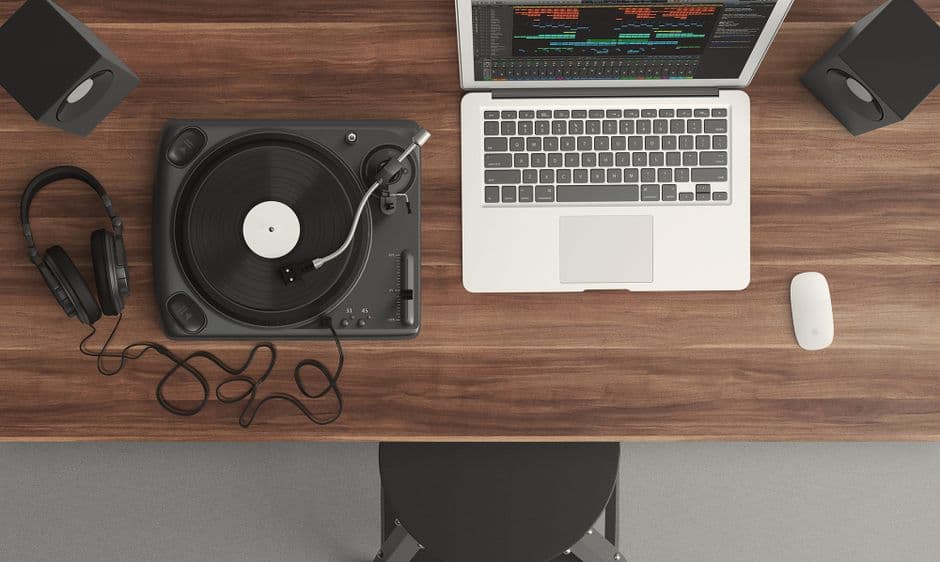
- Digital Audio Workstation (DAW) software
- Audio interface for computer-to-gear connectivity
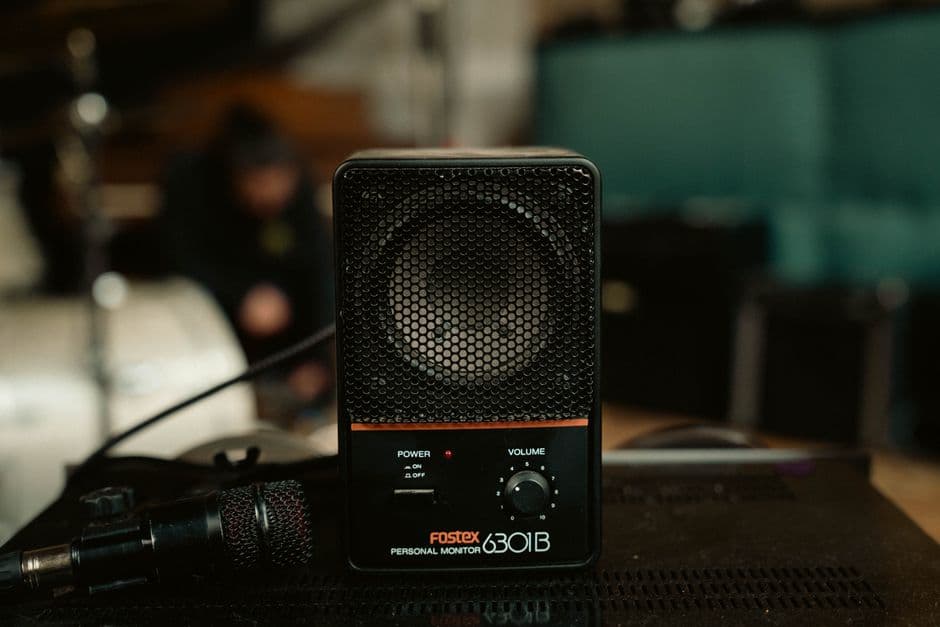
- Studio monitors for accurate listening
- Microphones (condensers, dynamics, ribbons for different sources)
- Mixing console or controller
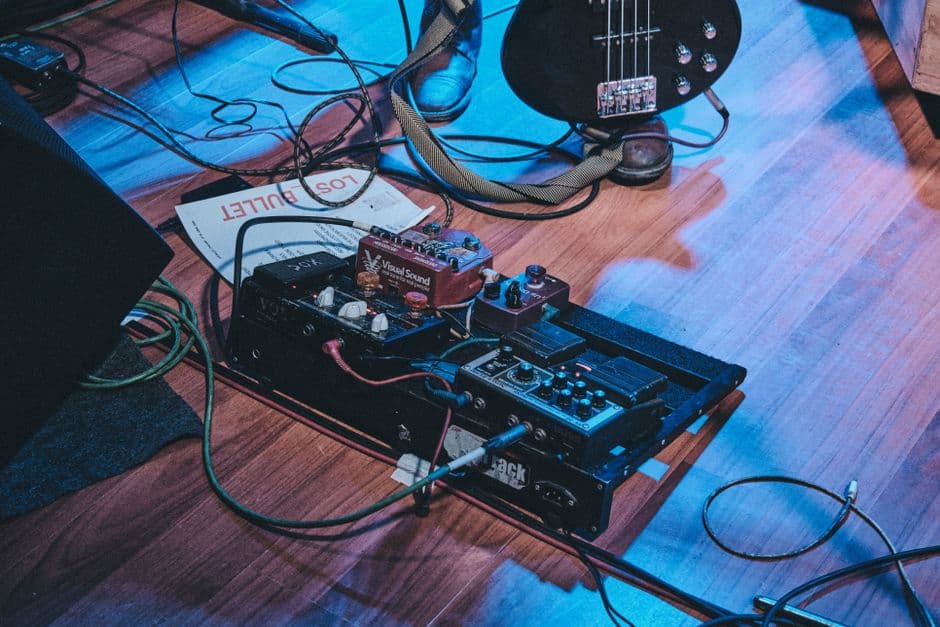
- Preamps, compressors, and EQ units
- Cables, stands, pop filters, and acoustic treatment
- Headphones for critical listening
Many of these items are available used, and buying secondhand is smart. Vintage gear often has character and reliability. Equipment from five or ten years ago can deliver professional results without the new price tag. When you're shopping for used recording equipment, audio amplifiers, microphones, or studio monitors, you want a platform that doesn't take a cut of your sale.
How Sound Engineers Get Paid

Compensation varies wildly based on experience, location, specialization, and work environment. Junior engineers might start at modest rates while building their reputation. Experienced studio engineers in major cities can command $50-150+ per hour or per day. Live sound engineers earn hourly rates, daily fees, or tour rates depending on venue size and artist budget.
Many engineers build income multiple ways. They might do studio work part-time, teach audio production at a school, freelance for post-production companies, and engineer live shows for local bands. Diversified income streams create stability.
Independent engineers who own their own studio can charge higher rates and keep more profit. That's why many sound engineers become entrepreneurs, selling used equipment and music gear on platforms where they don't lose 10-15% to marketplace commissions. OohYeah exists specifically so you keep what you earn from selling music gear and pro audio equipment.
Is Sound Engineering Right for You?
If you love music, enjoy problem-solving, and have patience for detail work, sound engineering could be a perfect fit. The industry is growing. More independent artists are releasing music. More venues need experienced engineers. More podcasters and content creators need audio help.
Start small. Invest in a basic home setup. Record some local bands. Volunteer to mix sound at open mics or small shows. Build your portfolio and your ear simultaneously. Most successful engineers started exactly this way.
As you grow, you'll need quality gear. Whether you're buying your first condenser microphone, your third studio monitor, or your tenth audio interface, shop smart. Used equipment from fellow musicians and engineers on OohYeah gives you professional tools without the premium price tag, and every purchase supports other creators in the music community.
Quick Tips for Aspiring Sound Engineers
- Invest in ear training. Your ears are your most valuable tool.
- Learn one DAW deeply before jumping to others.
- Build relationships with musicians and producers in your area.
- Keep your gear maintained. Clean cables. Backup hard drives. Test equipment regularly.
- Stay curious about new tools and techniques, but don't chase every trend.
- Document your work. Build a portfolio of mixes you're proud of.
- Understand the business side. Learn about contracts, rights, and fair compensation.
The Sound Engineering Industry in 2026
Audio engineering continues evolving. Remote collaboration tools let engineers work with artists across continents. AI-assisted mixing software is becoming more sophisticated, though skilled human engineers will always be needed for creative decisions. The global audio equipment market is expanding, with growing demand for both professional studio gear and affordable home recording setups.
What hasn't changed is that great sound makes great music more powerful. Whether you're recording a punk band in a basement or mastering a pop hit for streaming, a sound engineer's work directly impacts what listeners hear and feel.
The barrier to entry has never been lower. You can start with used gear, self-taught skills, and determination. You can build a reputation through word of mouth and social media. You can own your studio, your clients, and your income without paying gatekeepers.
Do I need to go to school to become a sound engineer?
No. Many successful engineers are self-taught or learned through apprenticeships. Formal training helps, but hands-on experience, a good ear, and dedication matter more. Start recording, learn your DAW, and build skills through real projects.
How much do sound engineers make?
Income varies by location, experience, and specialization. Entry-level engineers might earn $25,000-40,000 annually. Experienced studio engineers in major cities can earn $60,000-100,000+. Freelancers with strong reputations often earn higher rates. Many engineers combine multiple income streams to maximize earnings.
What's the difference between a sound engineer and a producer?
A sound engineer focuses on the technical and sonic aspects of recording and mixing. A producer oversees the creative direction, song arrangement, and overall project vision. Producers often guide engineering decisions, but not all engineers are producers, and not all producers handle engineering. Many modern professionals do both roles.
Can I be a sound engineer if I don't play an instrument?
Yes. Playing an instrument helps you understand music, but many excellent engineers came from non-musical backgrounds. What matters is developing your ear, understanding audio concepts, and learning your tools. Passion for sound quality and a commitment to learning will take you far.