Selling Used Guitar Pedals Online Safely: Complete Guide
Learn how to sell used guitar pedals online safely. Platform picks, pricing tips, fraud prevention, and shipping best practices for maximum profits.
August 27, 2026
Music Marketplace Advisor
Buying & SellingSelling used guitar pedals online is one of the fastest ways to turn gear you don't use into money you actually keep. But there's a catch: pick the wrong platform, and you'll watch fees eat 15-20% of every sale. Get your safety game wrong, and you might ship a pedal to someone who claims it never arrived. Here's how to do it right.
The good news? Selling used pedals is way easier than it used to be. You've got options now, and knowing which platform fits your situation will save you hundreds of dollars and hours of back-and-forth with sketchy buyers.
Related: Selling Used Bass Guitars Without Fees: Your Best Options
Choose Your Selling Platform Wisely
Not all marketplaces are created equal when it comes to selling guitar pedals. Your choice depends on reach, fees, and how much control you want over your sales.
Reverb.com is the obvious choice for musical gear, but here's the reality: they charge you a seller fee (around 3-4% plus payment processing fees). For a $100 pedal, that's $3-4 gone before you even ship it. They do get tons of buyer traffic though, so you'll move inventory faster.
eBay is still solid for used pedals. Their audience is huge, and they've got built-in buyer protection that actually works both ways. Final value fees hover around 12-15% depending on your category, which stings, but the volume of potential buyers can offset that.
Facebook Marketplace and Craigslist are your profit-maximizing options. Zero fees. None. You keep every dollar. The catch? You're handling local sales only (usually), which means no shipping hassle but also a smaller audience. Great if you've got 5-10 pedals to move quickly in your area.
For serious sellers with bulk inventory (200+ pedals), mixing platforms works best. Use fee-free local platforms for quick volume, Reverb or eBay for broader reach. Don't put all your eggs in one basket.
Pricing Your Used Pedals for Quick Sales
Pricing is where most sellers leave money on the table. Research completed sold listings, not just asking prices. That Boss DS-1 listed for $45 means nothing if none are actually selling at that price.
Related: How to Price Used Recording Equipment: Complete Guide
Check what your specific pedal model sold for in the last 30 days on Reverb and eBay. Note the condition of those sold items. A beat-up pedal with a cracked enclosure should be 20-30% cheaper than a clean one. Original box and documentation? Add 10-15% to the price.
Be honest about wear. Scratches, dents, and visible use aren't deal-breakers if priced right. Buyers know they're buying used gear. What they won't forgive is finding out the damage after they receive it.
Pro tip: undercut established sellers by 5-10%. A $5-10 difference often convinces a buyer to choose you over someone with better photos or more feedback. Move the inventory faster, reinvest the cash into new gear.
Take Photos That Actually Sell Pedals
Bad photos kill sales. Period. Take these four shots minimum:
- Overall pedal from above, showing the full enclosure and controls
- Close-up of any damage, scratches, or wear (yes, show the bad stuff)
- Bottom of the pedal showing the serial number and condition of the housing
- The pedal powered on or with cables connected (shows it works)
Use natural light. Phone camera is fine if the lighting is decent. Avoid shadows and cluttered backgrounds. The pedal should be the only thing the buyer's eye lands on.
If you've got a pedal in mint condition, take six photos. If it's got visible wear, take eight. Transparency with photos saves you from refund requests and "not as described" disputes later.
Describe Functionality and Condition Clearly
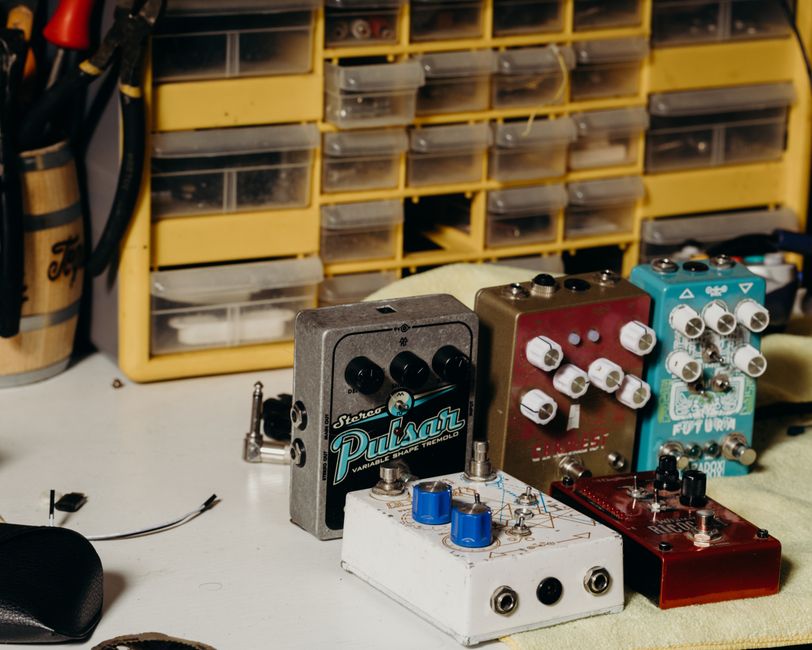
Your description is where you prevent bad sales and bad feedback. Include this information:
- Exact model and brand name (make it searchable)
- All functions tested and working (or which ones aren't if you're selling as-is)
- Any known quirks ("output jack is slightly loose but doesn't affect sound")
- Battery compartment status (clean, corroded, etc.)
- Whether power supply is included
- Condition: mint, excellent, good, fair, or parts-only
Use simple language. "Foot switch clicks when pressed but engages reliably" beats "minor cosmetic defect." Buyers appreciate honesty.
If a pedal has a specific issue, lead with it. "Cracked enclosure, 100% functional" is way better than burying it in the description. You'll get fewer returns and more genuine buyers.
Prevent Fraud and Shipping Disasters
This is where OohYeah and similar commission-free platforms have your back, but even then, you need to protect yourself.
Use tracked shipping always. Never send a pedal via mail with no tracking. A $50 pedal isn't worth the risk. USPS Priority Mail with tracking is cheap and reliable. Insure anything over $100.
Get signature confirmation for high-value items. A buyer claiming "it never arrived" when you have tracking proof they signed for it won't fly. For pedals under $75, regular tracking is usually sufficient.
Video unbox before shipping. Film yourself packing the pedal, sealing the box, and labeling it. This one video has saved sellers from false "damaged in shipping" claims more times than we can count.
Ship fast. Pedal sells on Monday? Ship by Tuesday. The faster you get it out, the faster you get paid and the less time a buyer has to change their mind or get cold feet.
Communicate clearly. Send a message as soon as you receive an order confirming you got it and when they can expect it to ship. Include tracking as soon as it ships. No mystery, no delays in communication.
For high-volume sellers, OohYeah gives you the tools to manage this process without marketplace middlemen charging you percentages on every transaction.
Handle Buyer Communication Like a Pro
Most disputes happen because of poor communication. Respond to buyer questions within a few hours, not days. Simple rule: if someone asks about the pedal's condition, respond before lunch.
Be specific. If they ask "Does this work?" don't say "yeah it works." Say "I tested all three modes, the expression pedal is smooth, and the delay time knob is responsive. I used it weekly for about three years, so there's minor cosmetic wear on the enclosure but zero functional issues."
If a buyer asks something you don't know, admit it. "I'm not sure about the exact power consumption specs, but I can test it with my power supply and tell you what I find." Then actually do that and report back. They'll trust you way more than if you guess.
Screenshot every conversation. If a dispute happens later, you've got proof of what you promised and what they asked about.
Pick a Payment Method You Trust
PayPal, Stripe, and Square all offer seller protection, but the protection only works if you've documented everything. Use payment methods built into the platform you're selling on whenever possible. Reverb and eBay handle disputes through their systems, which gives you accountability on both sides.
For local Facebook Marketplace sales, meet in person and use cash or Venmo. No shipping, no tracking headaches, immediate payment. Just meet in a public place during daylight.
Avoid wire transfers and cryptocurrency for used gear sales. If something goes wrong, you have zero recourse. Stick to payment methods with buyer protection and seller protection built in.
Bulk Inventory? Know Your Options
If you're sitting on 50+ pedals (maybe you're clearing out a studio or closing a repair business), listing each one individually will destroy your will to live.
Some wholesalers and direct buyback programs exist, but they'll lowball you hard. You'll get 40-50% of resale value if you're lucky. Only go this route if your time is worth more than the money you'd make listing individually.
Better approach: split your inventory. List the rare, collectible, or high-value pedals individually on Reverb or eBay. Bundle common pedals and move them faster on Facebook Marketplace. You'll make way more than selling everything wholesale.
After the Sale: Build Your Reputation
Every transaction is a chance to build feedback that makes your next sale easier. Pack pedals well. Include a thank you note if you're feeling generous. Follow up after delivery to make sure everything arrived in good shape.
If a buyer leaves feedback, respond positively even if it's neutral. "Thanks for the purchase! Glad the pedal works for you." Small stuff. But it matters.
Bad feedback happens. Defective pedal slipped through, packaging failed, whatever. Address it directly. Offer a partial refund or replacement. Most platforms let you respond to negative reviews, and most buyers will update feedback if you handle the problem quickly and fairly.
Your reputation is your inventory. Protect it like you'd protect your favorite guitar.
Scale Your Pedal Sales Smart
Once you've sold a few pedals successfully, you'll start thinking about doing this more often. Maybe you fix pedals on the side. Maybe you flip gear you find deals on. Whatever the case, the fundamentals stay the same: honest descriptions, good photos, fast shipping, clear communication.
If you're planning to sell regularly, setting up a dedicated space for photography and packing saves massive time. A small lightbox, a backdrop, and a scale are $50 total and worth every penny.
Track your sales by platform. After 20-30 pedals, you'll see which platform gives you the best combination of reach, fees, and buyer quality. Double down on what works.
And remember: the platforms that charge the lowest fees are the ones that let you keep the most. When you're stacking sales, those percentages add up fast. OohYeah exists because musicians got tired of watching 15-20% vanish on every sale. If you're selling enough to care about fees, it's worth exploring a commission-free approach.
Frequently Asked Questions
What if a pedal arrives damaged and the buyer wants a refund?
This is where video documentation saves you. If you filmed packing it and it arrived damaged, the shipping carrier is responsible, not you. File a damage claim with the carrier and get reimbursed, then refund the buyer from that claim. If you didn't document packing, you're eating the cost. Always film the packing process for anything over $50.
Should I include the original box and manual?
If you have them, absolutely include them. They add 10-15% to the selling price and make the pedal feel like a complete package. Buyers notice and pay more. If you don't have them, be clear about it in the description. "Pedal only, no box or cables" is fine. Just don't pretend they're coming if they're not.
How do I know if I'm pricing fairly?
Check Reverb's sold listings for your exact pedal model and condition. Filter by "sold" not "for sale." You'll see what buyers actually paid. Undercut by 5-10% if you want fast sales, price at market rate if you're patient.
Can I sell broken pedals?
Yes, but be brutally honest. List them as "for parts" or "as-is" in the title. Describe the specific issue: "footswitch doesn't engage" or "output jack is broken." You'll get 20-30% of what a working pedal sells for, but you'll get no refund requests or angry buyers. Some people buy broken pedals to repair and resell them.