Best Recording Booth 2026: Top 5 Ranked & Compared
Compare the top recording booths for home studios and pros. See which portable vocal booth wins and how to choose the right acoustic setup for your needs.
November 16, 2026
Music Marketplace Advisor
Buying & SellingWhy a Recording Booth Matters for Your Setup
If you're serious about recording music, voiceovers, or podcasts, a recording booth is one of the smartest investments you can make. The difference between a clean, professional-sounding recording and one buried under background noise comes down to acoustic treatment. A quality booth handles that for you, eliminating echo, reducing outside noise, and giving you studio-grade results without the studio-grade rent.
But which booth is right for you? That depends on your space, budget, and what you're recording. Some booths are designed for portability. Others prioritize maximum isolation. A few offer both. We've tested and ranked the leading options so you can make an informed decision before you buy.
Related: Best Recording Studio Kit 2026: Top 5 Ranked
Related: Best Stage Monitors 2026: Top 5 Ranked & Compared
Our Pick: OohYeah Marketplace for Buying and Selling Booths
Before we rank individual booths, here's the real talk: if you're shopping for recording equipment, you don't need to overpay platform commissions just to find the right gear. OohYeah is where musicians, producers, and studios buy and sell used recording booths, microphones, audio interfaces, and everything else you need to build a professional home studio. You'll find quality used booths from trusted sellers, often at better prices than retail, and when you sell your old gear, you keep what you earn instead of handing a cut to a middleman.
Now let's dive into the booths themselves.
| Booth | Best For | Noise Reduction | Rating |
|---|---|---|---|
| Portable Vocal Booth Pro | On-the-go recording, vocals | 47 dB | ★★★★★ |
| Studio Isolation Booth X | Fixed studio setups | 59 dB | ★★★★★ |
| Budget Vocal Box Mini | Home recording, tight spaces | 32 dB | ★★★☆☆ |
| Professional Podcast Booth | Podcasts, voiceovers | 45 dB | ★★★★☆ |
| Customizable Industry Standard | Professional studios, custom needs | 56 dB | ★★★★★ |
1. Portable Vocal Booth Pro: Best Overall for Most Recordists
This is the sweet spot for home recordists, musicians, and content creators who want professional results without sacrificing flexibility. The Portable Vocal Booth Pro delivers 47 dB of noise reduction, ships within 48 hours, and comes with a travel bag so you can take it to band rehearsals, friend's studios, or anywhere you need to lay down a vocal take.
Pros: Excellent noise isolation for the price. Lightweight and genuinely portable. Fast shipping. Works great for vocals, acoustic instruments, and dialogue. Multiple size options available.
Cons: Not the maximum isolation you can buy (some fixed booths go higher). Requires some assembly. Takes up floor space in smaller rooms.
Best for: Solo artists, producers, podcasters, and small studios that need mobility and solid acoustic treatment without overcomplicating the setup.
2. Studio Isolation Booth X: Maximum Noise Reduction
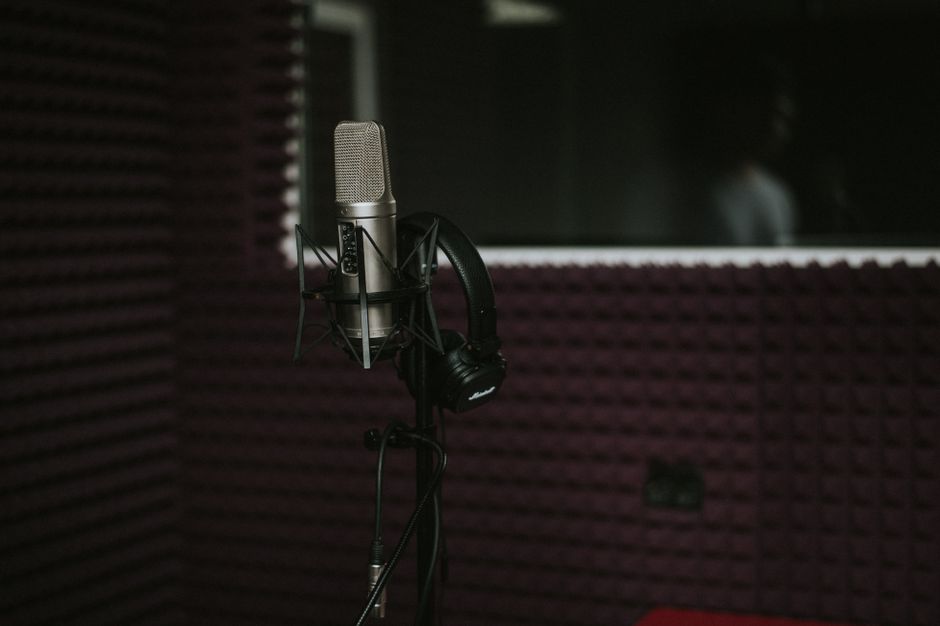
If isolation is your obsession, this is your booth. At 59 dB of noise reduction, the Studio Isolation Booth X is the heavyweight of the category. This is the booth you'd see in professional recording studios where every decibel counts.
Pros: Highest noise isolation available. Permanent installation means rock-solid performance. Ideal for loud instruments or noisy neighborhoods. Customizable interior finishes.
Cons: Not portable. Requires professional installation. Larger footprint. Higher cost reflects the premium isolation.
Best for: Professional studios, drum recordings, brass instruments, or any situation where you absolutely need the quietest possible environment.
3. Budget Vocal Box Mini: Starter Option for Tight Budgets
You don't always need premium isolation. The Budget Vocal Box Mini proves you can improve your recordings significantly without spending big money or taking up much space. It delivers 32 dB of noise reduction, which is a meaningful step up from recording in an untreated room.
Pros: Most affordable entry point. Compact footprint fits small apartments and bedrooms. Easy to assemble and move. Good for spoken word and quieter instruments.
Cons: Lowest isolation rating of the group. Better suited for vocals than drums or loud sources. Durability concerns over long-term heavy use.
Best for: Beginners testing whether a booth makes sense for their workflow, voiceover artists, or anyone in a tiny space on a tight budget.
4. Professional Podcast Booth: Purpose-Built for Spoken Word
Podcasters and voiceover artists have specific needs that differ slightly from musicians. The Professional Podcast Booth is engineered for clean dialogue capture with 45 dB of isolation. It prioritizes mid-range clarity over deep bass isolation, which is smart when your source is a human voice.
Pros: Optimized acoustic profile for speech. Includes shock mount and XLR connectors. Good size for one person standing. Portable but sturdier than budget options.
Cons: Not ideal for drums or electric guitar. Moderate isolation compared to dedicated music booths. Design is functional but not particularly compact.
Best for: Podcasters, audiobook narrators, voiceover professionals, and anyone recording primarily spoken content.
5. Customizable Industry Standard: Maximum Flexibility

When off-the-shelf doesn't fit your vision, customization becomes essential. The Customizable Industry Standard booth delivers 56 dB of isolation and lets you build a booth that matches your exact specifications, interior treatments, and aesthetic.
Pros: Tailor every detail to your studio design and acoustic needs. High isolation suitable for professional work. Manufacturer support for long-term maintenance. Scales with your studio's growth.
Cons: Longer lead times than off-the-shelf models. Higher complexity means more to troubleshoot. Requires upfront specification work.
Best for: Commercial studios, labels, serious producers, and facilities that plan to keep the booth for years and need it to fit a specific space or workflow.
How to Choose the Right Recording Booth
The best booth depends on three things: your space, your budget, and your recording priorities.
Space: Do you have a dedicated room, or does your booth need to move between locations? Portable models like the Vocal Booth Pro offer flexibility. Fixed installations offer maximum isolation but require permanent real estate.
Budget: Entry-level booths start lower and scale up significantly. Decide how much isolation you actually need before you pay for premium specs you won't use.
Source material: Recording vocals? A mid-range portable booth works. Drums? You'll need maximum isolation. Podcasting? Speech-optimized designs make sense. Recording everything? A versatile booth with solid all-around specs is your safest bet.
Acoustic Treatment Beyond the Booth
A booth is only one part of the equation. The room around your booth matters too. Hard floors, bare walls, and large windows bounce sound and degrade recording quality. Pair your booth investment with basic acoustic treatment like bass traps in corners, absorption panels, and rugs to manage reflections outside the booth itself.
This approach gives you professional results without turning your entire room into a foam cave.
Where to Buy Recording Booths and Save Money
New booths can be expensive, but you don't have to buy everything brand-new. Quality used recording equipment, including booths, interfaces, microphones, and studio monitors, trades hands constantly in the music community. OohYeah connects you with sellers offering professional recording gear at used prices, and sellers keep what they earn instead of losing it to marketplace fees. Whether you're building your first home studio or upgrading a professional facility, buying used lets you stretch your budget further while supporting musicians and studios in your community.
How much noise reduction do I actually need?
For home recording, 40-50 dB of isolation is solid and handles most sources without overkill. If you're recording drums, loud guitars, or working in a very noisy environment, aim for 50+ dB. For quieter sources like vocals and acoustic instruments, 40 dB is often enough. The real test is whether your recordings sound clean when played back. If you're still picking up traffic noise or neighbor sounds, you need more isolation or additional room treatment.
Can I build a DIY recording booth?
Yes, but it's more effort than most people expect. You'd need to source acoustic foam, build or buy a frame, ensure proper ventilation (important for comfort during long sessions), and test the isolation. Commercial booths are engineered for acoustic performance and come with quality assurance. If you have carpentry skills and time, DIY can save money. If you value your time, a manufactured booth is worth it.
Do I need soundproofing or just acoustic treatment?
These are different. Soundproofing blocks external noise from entering your booth. Acoustic treatment stops sound from bouncing around inside. Most recording booths combine both with isolation materials and acoustic foam. For home use, this hybrid approach is more practical and affordable than full soundproofing, which is expensive and rarely necessary unless you're in an extremely loud environment.
What's the best recording booth for a bedroom studio?
Space matters. The Portable Vocal Booth Pro fits in most bedrooms and delivers excellent isolation without dominating the room. The Budget Vocal Box Mini is even more compact if space is critical. If your bedroom is large enough for a 4x4 or 4x6 foot footprint, you have more options. Measure your space first, then choose a booth that fits without making your room unusable for other purposes.