Best Tabletop Audio Tools for Your Next Game Night
Level up your TTRPG sessions with essential tabletop audio gear. Find soundboards, speakers, and gear that bring immersive gameplay to life.
October 13, 2026
Music Marketplace Advisor
Buying & SellingA great tabletop audio setup does something magic: it pulls your players deeper into the world you're building. The right sound effects, ambient music, and audio tools transform a regular game night into an experience your group won't forget. Whether you're running your first campaign or you've been dungeon mastering for years, investing in quality tabletop audio is one of the smartest moves you can make.
The good news? You don't need an expensive, complicated rig to get started. You need the right tools for your space, your game, and your budget. Let's walk through what works, why it matters, and how to build a setup that actually enhances your sessions instead of creating headaches.
Why Tabletop Audio Matters for Your Game
Sound is the most underrated part of tabletop gaming. When you're describing a tense dungeon crawl or an eerie forest, ambient audio fills in the gaps your words can't quite reach. Your players hear wind, distant creatures, or ominous music, and suddenly they're not sitting around a table anymore. They're inside the story.
A dedicated tabletop audio setup also keeps you sane as a game master. Instead of scrambling to find the right sound effect mid-session or fumbling with your phone, a proper soundboard lets you trigger effects instantly. That responsiveness keeps the narrative momentum alive and makes you look like you've got everything under control (even when you're improvising like mad).
The other benefit? Audio quality matters. Tinny laptop speakers or your phone's built-in audio kill immersion faster than anything. When you invest in decent speakers or headphones, every session feels more professional, more polished, and more fun for everyone at the table.
Essential Tabletop Audio Gear You Actually Need
Start with these core pieces, and you'll cover 90% of what makes tabletop audio work:
- A dedicated soundboard or audio management platform: This is your command center. A good soundboard lets you organize sound effects, ambient tracks, and music by scene or encounter. You trigger effects with a single click, adjust volume on the fly, and layer multiple audio sources without fussing with tabs or apps. Look for platforms designed specifically for tabletop gaming so you're not jury-rigging something made for podcasting or general audio production.
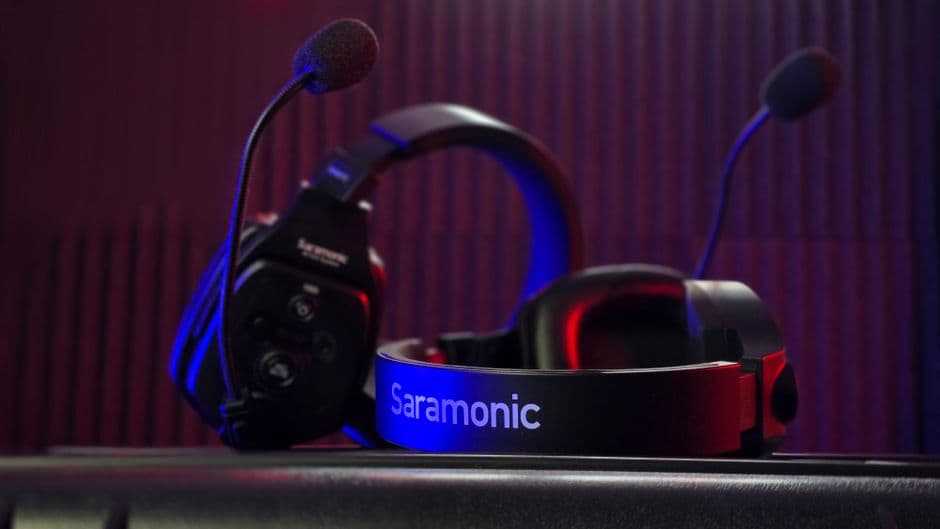
- Quality speakers or headphones: Your audio is only as good as what your players hear. A pair of small active speakers positioned near the center of the table projects sound clearly without dominating the room. If you prefer a quieter setup or play in a shared space, a good pair of closed-back headphones with a headphone amplifier lets you monitor audio while keeping your table peaceful.
- An audio interface or mixer (optional but useful): If you want to blend your own voice, recorded narration, sound effects, and music into one clean output, a small mixer gives you hands-on control. This is especially helpful if you're recording sessions or streaming gameplay. For casual home games, it's nice to have but not essential.
- A library of royalty-free or licensed sound effects and music: You need content to play. Some soundboard platforms include libraries built in. Others let you import your own. Either way, curated collections of fantasy ambiences, combat sounds, and atmospheric music save you from scrolling endlessly during a session.
If you're selling used audio gear, mixing equipment, or other music hardware, you already know these tools matter to the people buying from you. Same goes if you're picking up gear secondhand to outfit your game space on a budget.
Related: Best Audio Trimming Tools for Music Sellers in 2026
Related: Best Audio Enhancers 2026: Top 5 Tools Ranked
Choosing the Right Soundboard for Your Style
The soundboard is the heart of your tabletop audio setup, so choose one that fits how you actually run games.
If you like having everything visible and organized by scene, look for a platform that lets you build custom sound packs for each encounter or campaign. You'll want to sort effects into categories (combat, ambience, NPCs, transitions) and trigger them visually without scrolling through endless menus. The faster you can find and play a sound, the less it breaks your flow as game master.
If you play multiple games with different systems and settings, flexibility matters. Some soundboards are locked into fantasy or sci-fi presets. Others let you build custom libraries from scratch. Think about whether you want a platform that's ready to go out of the box or one where you have full control over every sound.
Volume control and layering are huge. You want to play ambient background music under dialogue without one drowning out the other. A good soundboard lets you control multiple audio channels independently so ambient forest sounds stay present while you drop in a tense combat effect on top.
Test the software before you commit if possible. Some platforms have free trials or limited versions. You want something that feels intuitive to you, not something that requires a technical manual every time you sit down to prep a session.
Audio Quality and Speaker Setup

Here's what changes the experience: good speakers make every sound feel immersive instead of gimmicky.
Small active speakers (powered speakers with built-in amplification) are the standard for tabletop gaming. They're compact enough to fit on a game table or nearby shelf, they need just a USB or 3.5mm connection to your computer, and they deliver clear, punchy audio without eating up space. Position them to the sides or behind the table so sound surrounds your players without overwhelming them.
If you're in a smaller space or sharing a room with roommates who aren't gaming, good headphones are your friend. Over-ear headphones with decent noise isolation let you monitor audio cues without broadcasting everything to the whole room. A headphone amplifier keeps audio quality high and prevents latency issues when you're triggering effects.
Avoid laptop speakers and phone audio. You deserve better, and so do your players. The jump from tinny built-in audio to even budget-friendly external speakers is night and day.
Building Your Sound Library
Your soundboard is useless without content, so think strategically about what you're collecting.
Look for royalty-free sound effects and music packs specifically tagged for tabletop gaming. Fantasy ambiences, monster sounds, sword clashes, spell effects, and atmospheric music are the backbone. Many platforms come with starter libraries so you're not starting from zero.
Don't fall into the trap of collecting everything. You'll never use half of it, and a bloated sound library makes sessions harder to manage. Start with 50-100 well-organized sounds covering combat, exploration, dialogue, and ambience. Add more as you identify gaps in your sessions.
If you're recording your own sound effects or commissioning custom audio, label everything clearly and store it in folders that mirror how your soundboard is organized. Future you will thank present you when you're five sessions deep and need to find that specific door-creak sound.
Budget-Friendly Approaches to Tabletop Audio
You don't need to spend a fortune to level up your audio game.
Start with free or low-cost soundboard software and build your library gradually. Many platforms offer free versions with limited features but still enough functionality for casual games. Layer in paid tools as your needs grow.
Buy used audio gear when possible. Quality speakers, mixers, and audio interfaces hold up well over time, and buying secondhand stretches your budget further. When you're shopping for used audio equipment, you're often getting professional-grade gear at a fraction of retail cost, and you're supporting fellow musicians and creators.
Swap sound effect libraries with your gaming community. Many game masters build custom packs and share them. You might find someone's perfectly curated collection saves you weeks of work.
Start small and upgrade as you go. A laptop, free soundboard software, and a pair of budget speakers is genuinely enough to get started. Add better speakers, then a mixer, then a professional audio interface as your needs and budget allow.
Getting Your Setup Ready for Game Night
The tech is one thing. Making it actually work in real sessions is another.
Test everything before your players arrive. Load your soundboard, check that all your audio files are synced and ready, and verify your speakers are connected and working. Nothing kills immersion faster than scrambling to troubleshoot audio issues five minutes before game time.
Have a backup plan. Keep your soundboard laptop plugged in and fully charged. Have your speaker cables secured so someone doesn't accidentally yank them during an exciting combat moment. Know which effects are essential and which are nice-to-have, so if something breaks, you can still run the session.
Set volume levels during prep, not during gameplay. Do a quick soundcheck with all your audio sources so you know where the master volume sits and how loud your effects are relative to the game table ambient noise.
Keep your sound library organized with clear naming conventions. When you're in the middle of narrating a scene and you need a sound effect, you should find it in under three seconds. Chaos in your file system means chaos in your session.
If you're sourcing audio gear from other sellers or building your collection gradually, OohYeah connects you with musicians, studios, and creators who sell quality used equipment without marketplace markups eating into the savings. You keep what you earn, and sellers keep fair prices reasonable.
Troubleshooting Common Tabletop Audio Issues
Every game master runs into audio hiccups eventually. Here's how to avoid the big ones.
Latency is the enemy. If there's a delay between clicking a sound effect and hearing it, you've lost the moment. Use a dedicated soundboard platform instead of hunting through files manually. Invest in a USB audio interface if you're mixing multiple sources, since direct digital connections have lower latency than Bluetooth.
Audio levels that are all over the place pull players out of immersion. Normalize your sound effects and music so you're not riding the volume knob all night. Most audio software lets you batch-adjust levels so everything plays at consistent volumes.
Feedback and distortion happen when speakers pick up their own audio. Keep your microphone (if you have one) away from speakers, use directional mics instead of omnidirectional ones, and don't crank volume to max. A little headroom goes a long way.
If your players can't hear something, it's too quiet or the speaker placement is wrong. Test audio from every seat at the table and adjust speaker angle or position as needed. You want sound to reach everyone evenly.
What's the easiest soundboard for beginners to learn?
Look for platforms with visual, drag-and-drop interfaces and pre-built sound packs organized by game system or setting. Avoid anything that requires coding or command-line inputs. You want to spend your prep time building encounters, not learning software. Most beginner-friendly soundboards have communities and tutorials to help you get started fast.
Do I need expensive speakers for good tabletop audio?
No. Budget-friendly active speakers deliver quality sound for game nights without breaking the bank. The jump from no speakers to decent ones is massive. The jump from good to premium is smaller. Start with solid mid-range gear and upgrade only if you're running professional games or streaming sessions.
Can I use free soundboard software effectively?
Absolutely. Free or low-cost platforms have enough features for casual campaigns. You get sound organization, triggering, and basic volume control. Paid options add more customization and features, but they're not essential to level up your game.
Should I record my own sound effects for tabletop gaming?
Only if you enjoy audio production. It's fun but time-intensive, and there are tons of great royalty-free libraries already available. Record your own if you want unique sounds for your campaign world or if you have a specific vision that existing packs don't cover. Otherwise, focus on finding good existing content and organizing it well.