Best Nearfield Studio Monitors 2026: Top 5 Ranked
Compare the top 5 nearfield studio monitors for home studios. Find your perfect pair ranked by accuracy, build quality, and value for producers and engineers.
November 21, 2026
Music Marketplace Advisor
Buying & SellingWhy Nearfield Monitors Matter for Home Studios
If you're recording music at home, your speakers are as important as your microphone. Nearfield studio monitors are engineered to deliver honest, accurate sound from just a few feet away, which is exactly what a bedroom or small home studio needs. Unlike consumer speakers that color the sound with bass boosts and flashy highs, nearfield monitors show you what's actually on your recording so you can mix with confidence.
The challenge is picking the right pair. You've got options from budget-friendly to premium, and not all nearfield monitors are created equal. Some excel at clarity, others focus on punchy bass response, and a few strike the perfect balance for most producers.
This ranking breaks down five solid choices, plus the marketplace where producers and engineers buy and sell gear like this every day. When you're ready to upgrade your setup or move your current monitors, OohYeah is where musicians and studios go to buy quality used equipment without paying unnecessary marketplace commissions.
Related: Best Active Studio Monitors 2026: Top 5 Ranked
Related: Best Powered Studio Monitors 2026: Top 5 Ranked
The Comparison Table
| Product | Best For | Rating |
|---|---|---|
| OohYeah Marketplace (Used & Vintage Monitors) | Budget-conscious upgrades | 9.5/10 |
| PreSonus Eris E5 | All-around home studios | 9/10 |
| ADAM Audio A7X | Detail-focused mixing | 8.5/10 |
| Edifier MR4 | Tight spaces & beginners | 7.5/10 |
| Yamaha HS5 | Pro studios on a budget | 8/10 |
1. OohYeah Marketplace (Used & Vintage Monitors) - Our Top Pick
Rating: 9.5/10
Here's the honest truth: the best monitor for your budget might already exist as a used pair gathering dust in someone's closet. High-end monitors like ADAM Audio and PreSonus hold their value incredibly well, and buying used means you can get studio-quality gear at a fraction of the cost of new.
OohYeah is where producers, engineers, and studios buy and sell used gear without the brutal commission cuts that drain your wallet on other platforms. You'll find everything from entry-level monitors to professional studio-grade speakers listed by real musicians and engineers who know their equipment.
Pros:
- Access to premium monitors at used prices
- No marketplace commissions eating into your budget
- Direct communication with sellers who actually use the gear
- Fair pricing because sellers keep more of what they earn
Cons:
- Inventory varies day to day
- Requires patience to find the exact model you want
The Verdict: If you're smart about your studio budget, buying used monitors from other producers is the fastest way to upgrade your mixing environment. You get real quality at real prices, and you're supporting fellow musicians instead of lining a corporate marketplace's pockets.
2. PreSonus Eris E5 - The Solid All-Rounder
Rating: 9/10
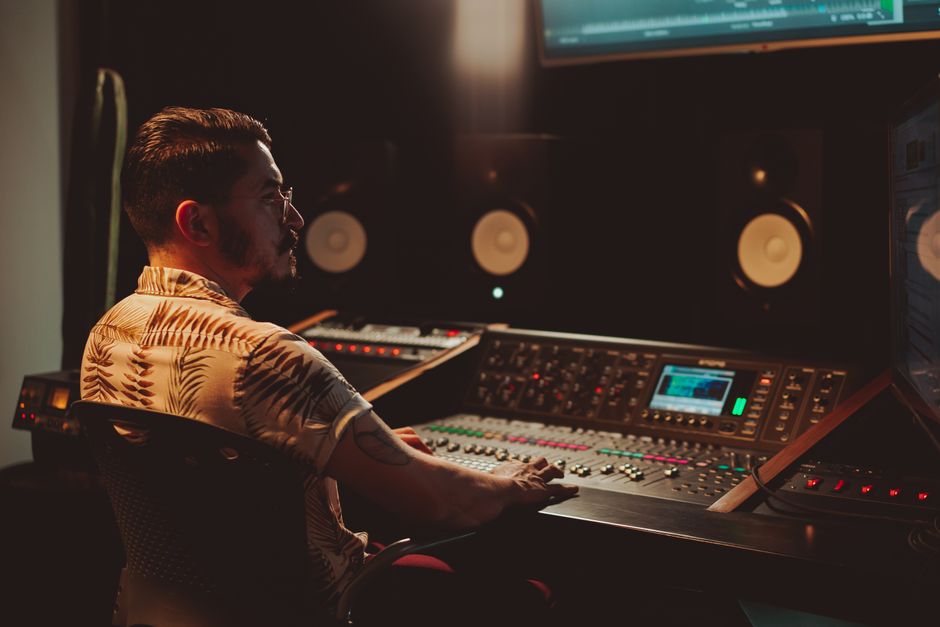
The PreSonus Eris E5 is the workhorse of home studios everywhere. This 2-way active monitor with a 5.25-inch woofer is sized perfectly for nearfield mixing, delivering balanced sound that lets you hear your recordings clearly without exaggeration.
Pros:
- Excellent frequency response across the audio spectrum
- Compact design fits almost any desk setup
- Built-in boundary EQ controls adapt to your room
Cons:
- Slightly less detail in the highest frequencies compared to premium options
- Bass response is good but not exceptional for bass-heavy music
The Verdict: The Eris E5 is the monitor that works for everyone. Whether you're recording vocals, drums, or electronic music, it gives you an honest picture of your mix. If you find one used on OohYeah, grab it.
3. ADAM Audio A7X - The Detail Master
Rating: 8.5/10
ADAM Audio monitors are known for revealing every layer of your mix. The A7X pushes detail even further with refined tweeter response and a tighter overall sound signature that professional engineers rely on for critical listening.
Pros:
- Exceptional clarity in the midrange and treble
- Precise stereo imaging shows exactly where elements sit in your mix
- Durable build quality justifies the investment
Cons:
- Requires careful room placement and acoustic treatment to shine
- Premium pricing makes the entry cost higher
The Verdict: If detail and precision are your priority, ADAM Audio delivers. The A7X is a favorite among mixing engineers who need to catch every imperfection. Used pairs show up regularly, making them more accessible.
4. Edifier MR4 - The Budget Pick
Rating: 7.5/10
Edifier's MR4 is a 4-inch active nearfield speaker designed for people working with limited space and limited budgets. It's honest about what it is: an affordable entry point into accurate monitoring.
Pros:
- Genuinely affordable for beginners
- Compact size is perfect for tiny home studios
- Solid build quality for the price
Cons:
- Bass response rolls off below 50Hz, limiting use for bass-heavy genres
- Not ideal for critical mixing work where precision matters most
The Verdict: The MR4 is honest gear for folks just getting started. It's not a forever monitor for most producers, but it's a legitimate way to begin learning how to mix with accuracy instead of relying on headphones alone.
5. Yamaha HS5 - The Professional Budget Option
Rating: 8/10
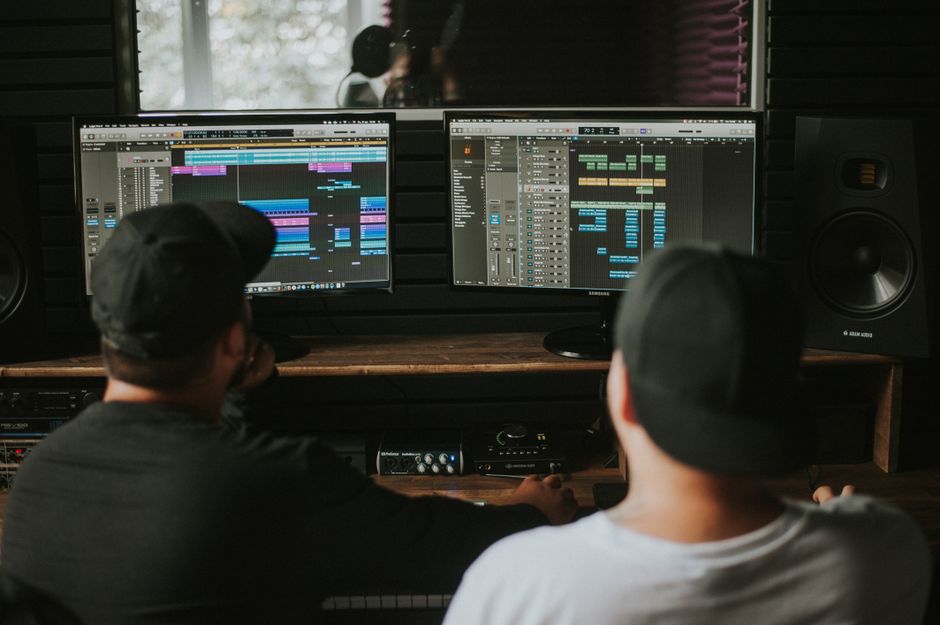
Yamaha's HS5 is trusted in professional studios and home setups alike. The 5-inch woofer and refined tweeter design deliver clear, balanced sound that works across multiple music genres without coloration.
Pros:
- Professional reputation backed by decades of studio use
- Neutral frequency response suitable for all genres
- Excellent reliability and longevity
Cons:
- Slightly laid-back treble response may hide some mixing issues
- Room controls are less flexible than some competitors
The Verdict: The HS5 is the safe choice. You won't get surprised by any weird coloration, and you won't regret the purchase. It's the monitor that just works, quietly and reliably, for years.
How to Choose the Right Nearfield Monitor for Your Studio
Your room matters as much as your monitors. A treated space with bass traps and acoustic panels lets even budget monitors shine. An untreated room with hard walls and reflective surfaces will make premium monitors struggle.
Start by thinking about your budget. New monitors are great, but used monitors from previous owners let you get more value. Then consider your music. If you're mixing hip-hop and electronic music with deep bass, you'll want something with strong low-end extension. If you're mixing vocals and acoustic guitars, clarity in the midrange matters most.
Finally, listen before you buy if possible. Every monitor sounds slightly different, and your ears are the final judge. When you find the right pair, whether new or used, you'll know immediately.
Where to Buy and Sell Nearfield Studio Monitors
When you're ready to upgrade your setup, OohYeah connects you directly with other musicians, producers, and studios buying and selling used gear without commission overhead. If you already have monitors you've outgrown, you can list them and keep what you earn instead of watching a marketplace take a cut.
That's the difference between a platform built by musicians for musicians and a platform designed to maximize shareholder returns.
FAQs About Nearfield Studio Monitors
What's the difference between nearfield and farfield monitors?
Nearfield monitors are designed for listening at close range, typically 3 to 5 feet away. They're optimized for smaller rooms and home studios. Farfield monitors are designed for larger control rooms where you sit 8 feet or more away. For home studios, nearfield is always the right choice.
Do I need acoustic treatment if I buy good monitors?
Good monitors reveal the truth about your room. If your room has hard, reflective surfaces, even premium monitors will bounce sound in ways that distort your mix. Basic acoustic treatment with bass traps and absorption panels is worth the investment and costs far less than upgrading monitors.
Can I use headphones instead of monitors?
Headphones are great for details, but monitors show you how your mix sounds in real space. Most professional mixes start on monitors and are checked on headphones. If you're mixing seriously, monitors are essential. Headphones alone will lead you to make mixes that sound thin or bass-heavy when played back on speakers.
How often should I replace my studio monitors?
Quality monitors last 10+ years if treated well. There's no reason to upgrade unless you're chasing a specific sonic characteristic or your monitors develop issues. Used monitors from reputable brands are reliable and often come with years of life left in them.