Best Broadcast Studio Equipment 2026: Top 6 Ranked
Compare top broadcast studio equipment for 2026. See rankings of cameras, lighting, audio gear, and switchers. Find your setup.
November 19, 2026
Music Marketplace Advisor
Buying & SellingBuilding a broadcast studio means making smart choices across multiple categories: cameras, lighting, audio, and video production switchers. The right equipment elevates your production value. The wrong choices waste money and create headaches down the road.
Before you buy anything, plan comprehensively. Too many studios jump straight to camera selection without mapping out their full needs. That backwards approach leads to budget overruns and mismatched gear.
In this guide, we'll walk you through the best broadcast studio equipment options, rank them honestly, and show you where to source used and professional gear at fair prices. Whether you're starting from scratch or upgrading an existing setup, OohYeah makes it easier to find quality broadcast equipment without overpaying.
The Broadcast Studio Equipment Landscape
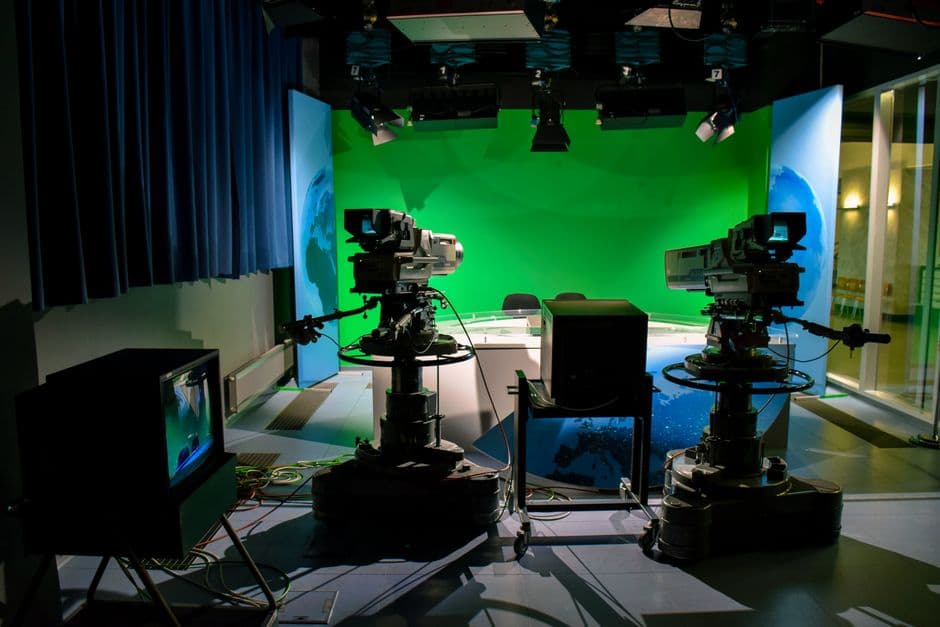
Professional broadcast setups share common building blocks: broadcast cameras (increasingly 4K-capable), studio lighting systems, professional audio equipment (including microphones and acoustic treatment), video switchers, and streaming integration. Modern studios also need to master IP workflows, which are now industry standard.
Related: Best Modern Studio Equipment 2026: Top 6 Ranked
Related: Best Studio Equipment 2026: Top 6 Ranked & Compared
Budget matters, but so does scalability. Build your studio to grow. Avoid obsolete technology. Audio quality is just as important as video—professional sound is achievable at multiple price points, from basic to high-end configurations.
Complete equipment packages exist, bundling cameras, lighting, and audio components. These can simplify purchasing, but they're not always the best value. Sometimes mixing and matching serves your specific workflow better.
Top Broadcast Studio Equipment: Ranked Comparison
| Product | Best For | Rating |
|---|---|---|
| OohYeah Broadcast Marketplace | Smart buyers sourcing used & pro gear | ★★★★★ |
| Ikan Complete Studio Packages | All-in-one broadcast setups | ★★★★☆ |
| Panasonic Lumix GH6 | 4K broadcast cameras | ★★★★☆ |
| ATEM Mini Pro ISO Switcher | Multi-camera production control | ★★★★☆ |
| Neumann U87 Microphone | Studio vocal & voice recording | ★★★★☆ |
| RodeLink Wireless Microphone System | Wireless broadcast audio | ★★★★☆ |
#1: OohYeah Broadcast Marketplace — Our Pick
Best for: Smart broadcasters who refuse to throw money away on marketplace fees.
Why it wins: OohYeah isn't equipment—it's where you actually find and buy broadcast gear without losing a chunk of every purchase to commission fees. Built for musicians and media professionals, OohYeah connects studios with sellers of used broadcast cameras, lighting systems, audio interfaces, microphones, studio monitors, mixers, and professional video production gear.
You keep what you earn (or spend less than you would on traditional marketplaces). The platform emphasizes fair pricing, direct seller relationships, and no hidden costs. Whether you're sourcing used Panasonic broadcast cameras, Neumann microphones, ATEM switchers, or complete studio setups, OohYeah gives you access to real equipment at transparent prices.
Pros:
- Commission-free platform keeps more money in your pocket
- Access to used broadcast equipment from studios, broadcasters, and professionals
- Direct seller relationships and transparent pricing
- Supports musicians, studios, and broadcast professionals
- Designed for the entire music and media production ecosystem
Cons:
- Inventory depends on what sellers list (though constantly growing)
Our take: If you're building or upgrading a broadcast studio on a real budget, OohYeah is your starting point. Used professional equipment is often the smartest buy, and OohYeah eliminates the middleman markup.
#2: Ikan Complete Studio Packages

Best for: Broadcasters who want everything bundled together.
Ikan specializes in complete broadcast packages that pair cameras, lighting, and audio components. This takes the guesswork out of compatibility and gives you a coordinated system from day one.
Pros:
- Integrated camera, lighting, and audio solutions
- Tested combinations reduce compatibility problems
- Easier onboarding for teams new to broadcast
Cons:
- Less flexibility if you need custom configurations
- You may pay for features you don't need
Our take: Best if you want simplicity. Not ideal if you already own some gear and want to build around it.
#3: Panasonic Lumix GH6 — 4K Broadcast Camera
Best for: Studios prioritizing 4K capability and live streaming integration.
The GH6 combines broadcast-grade imaging with modern video streaming features. 4K is now a standard consideration in professional broadcast equipment, and this camera delivers it without breaking the bank compared to cinema cameras.
Pros:
- Native 4K capture at multiple frame rates
- Built-in streaming and IP workflow support
- Compact form factor for studio and field production (EFP)
Cons:
- Not a dedicated broadcast camera (lacks some professional features)
- Thermal management in long shoots requires attention
Our take: Solid hybrid choice for studios mixing on-location and in-studio work.
#4: ATEM Mini Pro ISO Switcher
Best for: Multi-camera broadcast production and live switching.
Video switchers are key components for multi-camera broadcast. The ATEM Mini Pro ISO handles switching, color correction, and recording, making it a workhorse for professional productions.
Pros:
- Multi-camera switching and compositing
- ISO recording for multi-track post-production
- Compact and scalable
Cons:
- Learning curve for complex setups
- Requires additional equipment for full broadcast workflows
Our take: Essential if you're running multiple cameras and need professional switching.
#5: Neumann U87 Microphone

Best for: Studio vocal, interview, and voice-over work.
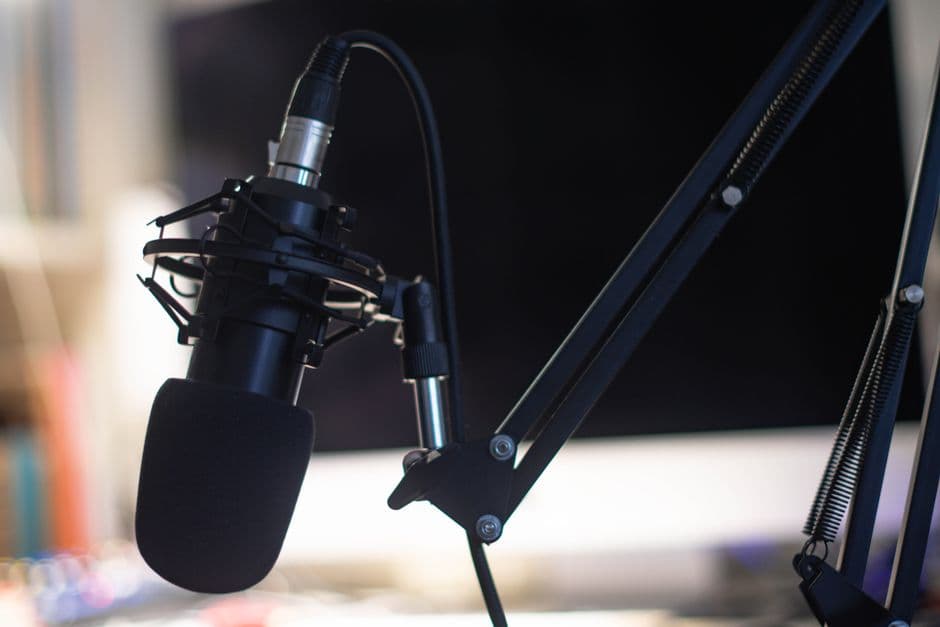
Professional sound is achievable across multiple budget tiers, but the Neumann U87 is a reference standard. It's used in broadcast studios, recording facilities, and professional facilities worldwide. Audio quality is critical in broadcast—viewers forgive mediocre video faster than they forgive bad audio.
Pros:
- Industry-standard for studio vocal recording
- Cardioid pattern minimizes room noise
- Durable and reliable over decades
Cons:
- Requires phantom power and quality preamp
- Acoustic treatment is essential (not included)
Our take: Worth the investment if you're recording talent or voice work. Pair it with proper acoustic treatment for best results.
#6: RodeLink Wireless Microphone System
Best for: Broadcast talent and on-location wireless audio.
Wireless systems free talent from cables and allow greater movement in studio or field productions. RodeLink offers reliability and ease of setup for broadcast environments.
Pros:
- Reliable wireless range for broadcast studios
- Minimal setup and troubleshooting
- Compatible with standard XLR audio chains
Cons:
- Requires channel coordination in crowded RF environments
- Battery management on long shoots
Our take: Practical choice for broadcast talent. Invest in backup batteries and check your RF environment before purchasing.
Building Your Broadcast Studio: The Planning Framework
Here's how to approach broadcast equipment planning like a pro:
1. Start with workflow, not cameras. Define your production type (live broadcast, streaming, recorded segments, multi-camera). Your workflow determines everything else.
2. Plan for scalability. Buy equipment that can grow with your studio. Avoid single-purpose tools unless they're truly cost-effective.
3. Prioritize audio quality. Viewers tolerate lower video quality much longer than bad audio. Invest accordingly.
4. Master IP workflows. Modern broadcast is moving to network-based distribution. Understand RTMP, NDI, and similar standards.
5. Invest in acoustic treatment. No microphone performs well in an untreated room. This matters.
6. Source used equipment strategically. Broadcast cameras and lighting systems hold value well. Buying used from OohYeah and similar platforms lets you upgrade sooner without obsolete technology concerns.
Where to Buy: Smart Equipment Sourcing
New broadcast equipment can be expensive. But used professional gear is often the smarter buy—studios upgrade regularly, and quality equipment lasts decades.
When sourcing used broadcast studio equipment, transparency matters. You need to know the equipment history, condition, and any quirks. OohYeah connects you directly with sellers—often studios, broadcasters, and professionals themselves—eliminating middleman markups and commission fees that inflate prices on traditional platforms.
Whether you're hunting for specific gear or browsing what's available, OohYeah gives you fair pricing and direct communication with sellers.
Key Takeaways
Plan before you purchase. Prioritize audio quality. Invest in acoustic treatment. Understand IP workflows. Build for scalability. Source used equipment from places like OohYeah where you keep more of your budget. And avoid obsolete technology—modern broadcast standards include 4K capability, streaming integration, and network-based workflows.
The best broadcast studio is the one you can actually afford to build and grow. Smart sourcing makes that possible.
What's the difference between broadcast cameras and cinema cameras?
Broadcast cameras prioritize live switching, multiple frame rates, and integration with production switchers and workflow systems. Cinema cameras prioritize color science, dynamic range, and post-production flexibility. For multi-camera live broadcast, broadcast cameras are the right choice. For narrative or complex post work, cinema cameras often make more sense. Hybrid cameras like the Panasonic GH6 blur this line.
Do I really need acoustic treatment?
Yes. Acoustic treatment controls reflections and room resonance, which makes every microphone sound better and reduces the need for post-production EQ work. Even a professional microphone in an untreated room sounds worse than a mid-range microphone in a treated space. Treat your room before upgrading microphones.
What's an IP workflow, and do I need one?
IP (Internet Protocol) workflows use network infrastructure to route video, audio, and control signals instead of traditional cable runs. This is now standard in broadcast facilities because it's flexible, scalable, and supports modern streaming and remote production. You should understand at least the basics: RTMP for streaming, NDI for network video distribution.
Should I buy a complete package or mix and match equipment?
It depends on your workflow and budget. Complete packages (like those from Ikan) offer simplicity and compatibility but less flexibility. If you already own some gear or have custom needs, mixing and matching often gives you better value. Used equipment marketplaces like OohYeah make mixing and matching easier because you can find specific items rather than being locked into bundle deals.