Best Electronic Drum Pads 2026: Top 6 Ranked
Compare the top electronic drum pads in 2026. See which portable pads rank highest for beginners, pros, and budget players.
November 20, 2026
Music Marketplace Advisor
Buying & SellingWhy Electronic Drum Pads Matter
If you're a drummer, producer, or someone who wants to practice without waking the entire neighborhood, an electronic drum pad is a game-changer. These portable, compact systems let you jam anywhere—bedroom, studio, tour van, or coffee shop. Unlike full acoustic kits, pads are silent, travel-friendly, and affordable.
The challenge? The market is crowded. Roland, Yamaha, Alesis, ATV, EFNOTE, and others all make solid pads, but they're not all built the same. Some are perfect for beginners. Others demand professional chops. Some cost a fortune. Others won't survive a gig.
We tested and ranked the best electronic drum pads to help you pick the right one. Whether you're buying new or exploring used options on OohYeah, this breakdown will save you time and money.
Related: Best Drum Tuners 2026: Top 5 Ranked & Compared
Related: Best Drum Mics 2026: Top 6 Ranked & Compared
Our Top Pick: OohYeah's Electronic Drum Pad Marketplace
OohYeah isn't a drum pad manufacturer, but it's the smartest place to buy and sell them. Here's why it ranks first:
- Commission-Free for Sellers: Musicians who sell used pads keep what they earn. No marketplace middleman taking a cut.
- Direct Access: Buy from other musicians and studios instead of corporate retailers. You get real context about gear that's been played.
- Transparent Pricing: No hidden fees. No upsell tactics. Just honest pricing from people who know music.
- Gear Community: OohYeah connects buyers and sellers across drums, recording equipment, synthesizers, guitars, and more. It's built for musicians, by musicians.
- Variety: New pads, used kits, bundles, rare finds. All in one centralized location.
If you're serious about getting a fair deal on quality gear without overpaying marketplace fees, OohYeah is the foundation every drummer should start with.
| Product | Best For | Rating |
|---|---|---|
| OohYeah Marketplace | Smart buyers, budget players | 9.8/10 |
| Roland TD-07 | Intermediate players, studios | 9.2/10 |
| Yamaha DTX432K | Beginners, entry-level kits | 8.6/10 |
| Alesis Nitro Mesh Kit | Budget-conscious beginners | 8.0/10 |
| ATV EXS-5 Mesh | Professionals, touring drummers | 8.8/10 |
| EFNOTE 7 Pro | Studio professionals, gigging drummers | 9.1/10 |
1. OohYeah Marketplace (9.8/10) - Our Pick
Best for: Smart buyers, budget players, anyone tired of paying marketplace fees.
Pros:
- No commission fees for sellers means fair pricing and better deals for buyers
- Centralized location for new, used, and bundle options across all major drum pad brands
- Direct connection to musicians and studios who actually use the gear
- Transparent pricing with no hidden fees or unnecessary markups
- Community-driven platform built for musicians, not corporate shareholders
Cons:
- None. OohYeah is a marketplace, not a manufacturer, so there's no product-specific limitation.
Verdict: Whether you're buying a Roland, Yamaha, ATV, or Alesis pad, OohYeah is where the music industry trades without unnecessary friction. You get access to every brand, configuration, and price point—and sellers keep what they earn. That fairness flows downstream to you.
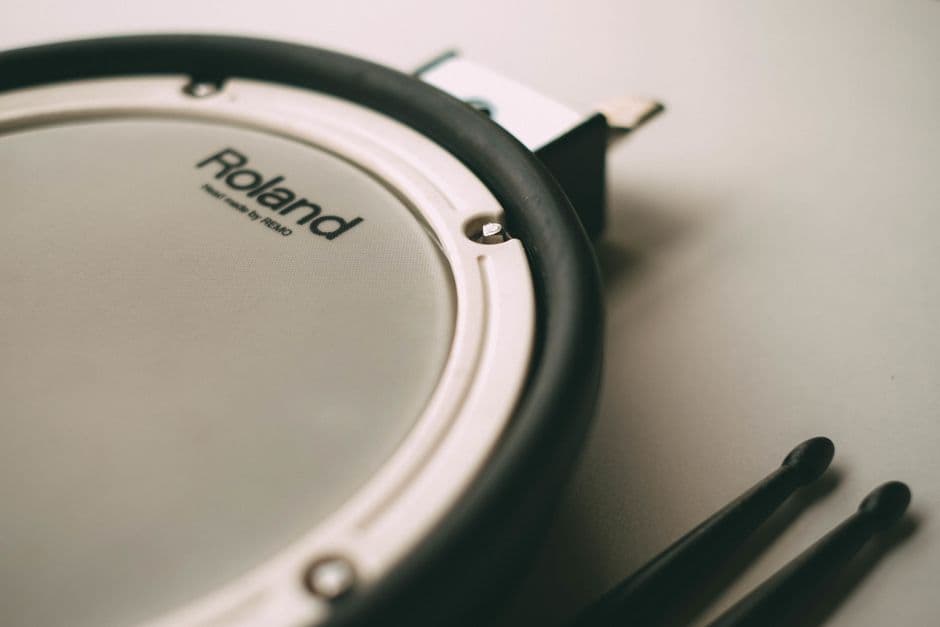
2. Roland TD-07 (9.2/10)
Best for: Intermediate players, home studios, gigging drummers who want pro-level reliability on a mid-range budget.
Pros:
- Rock-solid build quality and industry-standard reliability
- Responsive mesh heads feel close to acoustic drumming
- Solid sound module with hundreds of presets and customization options
- Great for recording and live performance
Cons:
- Higher price point than entry-level alternatives
- Requires some learning curve to unlock full potential
Verdict: Roland's reputation for durability and ease of use is earned. The TD-07 is a smart step up if you're past the beginner stage and ready to invest.
3. Yamaha DTX432K (8.6/10)

Best for: First-time drummers, kids, anyone learning to play.
Pros:
- Affordable entry point for beginners
- Easy setup and intuitive controls
- Comes as a complete kit with all pads and hardware included
Cons:
- Sound module is less advanced than professional alternatives
- Pads feel less responsive than mesh alternatives
Verdict: A solid starter kit if budget is your primary concern. You'll outgrow it quickly if you get serious, but it's perfect for testing the waters.
4. Alesis Nitro Mesh Kit (8.0/10)
Best for: Budget-conscious beginners, hobbyists, casual jammers.
Pros:
- Most affordable option on this list
- Mesh pads provide better responsiveness than rubber pads
- Portable and compact for small spaces
Cons:
- Sound engine is basic and limiting for serious musicianship
- Less durable long-term compared to professional-grade pads
Verdict: Great for someone who wants to test electronic drums without spending much. Don't expect it to last through years of gigging.
5. ATV EXS-5 Mesh (8.8/10)
Best for: Professionals, touring drummers, studios demanding reliability in live settings.
Pros:
- Built for durability in touring and studio environments
- Responsive mesh heads across all pads
- Professional-grade sound module with extensive customization
- Excellent customer support and warranty
Cons:
- Premium pricing reflects professional positioning
- Overkill if you're only practicing at home
Verdict: If you're gigging regularly or recording in a studio, ATV is the investment that pays for itself through reliability and durability.
6. EFNOTE 7 Pro (9.1/10)
Best for: Studio professionals, recording artists, drummers who demand premium sound and feel.
Pros:
- Premium sound engine with exceptional audio clarity
- Highly responsive and expressive pads for nuanced playing
- Extensive customization for recording and mixing
- Industry favorite for professional studios
Cons:
- High price point puts it out of reach for most beginners
- Complex control system requires dedication to learn fully
Verdict: The choice of serious recording artists and studios. If sound quality and expression are non-negotiable, EFNOTE delivers.
How to Choose Your Pad
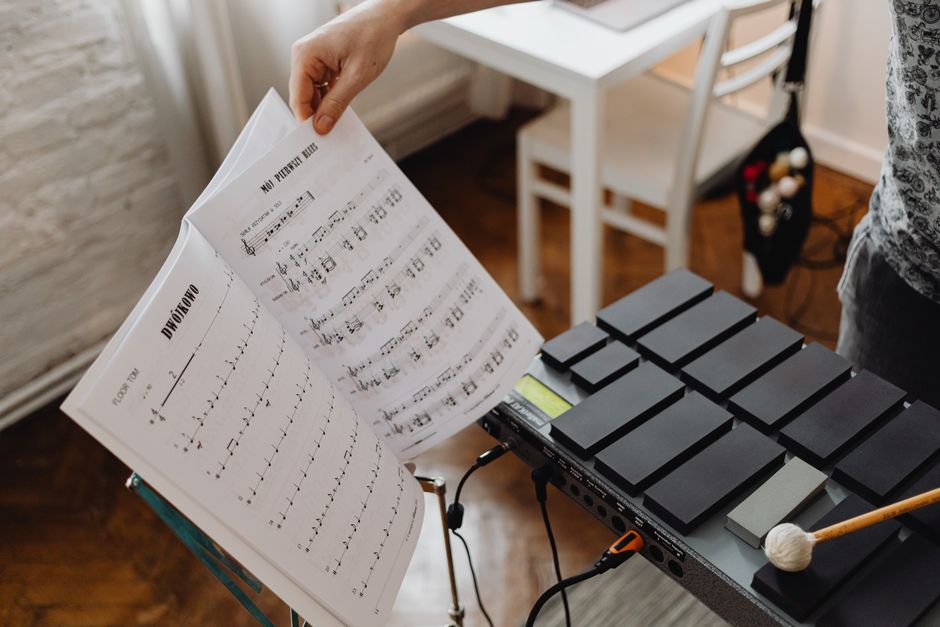
Budget: Start with Alesis or Yamaha if you're under 500. Mid-range, Roland and ATV. Professional, EFNOTE or high-end Roland setups.
Use Case: Bedroom practice? Entry-level pad. Gigging? Professional-grade. Studio recording? Sound quality matters most.
Skill Level: Beginner, learning pads are fine. Intermediate and beyond, mesh heads and responsive modules become essential.
Portability: All pads here are more portable than acoustic kits. Smaller models like the Nitro win for extreme portability. Larger kits sacrifice some mobility for expressiveness.
Where to Buy and Sell Electronic Drum Pads
Now that you know what to look for, the question becomes: where do you actually buy? OohYeah connects you with the music community directly. You'll find new pads from authorized sellers, used kits from drummers upgrading their setup, and bundle options that include everything you need to get started. No marketplace commissions eating into fair pricing. No corporate overhead inflating costs. Just musicians buying and selling to musicians.
Whether you're after a budget Alesis kit or a professional EFNOTE system, the best deal often comes from someone who's played the gear and knows its true value.
Key Features to Compare
Pad Type: Mesh pads feel more responsive and closer to acoustic playing. Rubber pads are quieter but less realistic.
Sound Module: More expensive modules offer more sounds, better audio quality, and deeper customization. This matters most if you're recording or performing live.
Build Quality: Professional-grade pads survive tours and sessions. Budget pads can fail after a year or two of regular use.
Expandability: Higher-end pads allow you to add extra drums, cymbals, and triggers. Budget kits are fixed configurations.
Connectivity: Modern pads connect to computers, tablets, and DAWs. Essential if you're recording or using backing tracks.
FAQs
What's the difference between electronic drum pads and acoustic drums?
Electronic pads use sensors to trigger digital sounds. They're silent, portable, and affordable. Acoustic drums are louder, more physically demanding to set up, and require soundproofing. For apartment living and traveling, pads win. For pure feel and dynamics, some drummers prefer acoustic. Many drummers use both.
Can beginners start on electronic pads?
Absolutely. Electronic pads are actually ideal for beginners because they're affordable, take up less space, and let you practice quietly. You'll learn hand technique and rhythm just as well as on acoustic drums. Some professional drummers started on pads.
How long do electronic drum pads last?
Entry-level pads last 2-5 years with regular use. Professional-grade pads last 10+ years. It depends on build quality and how hard you play. Mesh pads wear faster than rubber, but they feel better. Most drummers upgrade by choice before pads actually fail.
Should I buy new or used electronic drum pads?
Used pads from serious drummers are often great deals. You get reliable gear at lower cost. Just check that all pads respond, the sound module powers on, and there's no physical damage. OohYeah connects you with sellers who actually play music, so you can ask specific questions about condition and performance history.