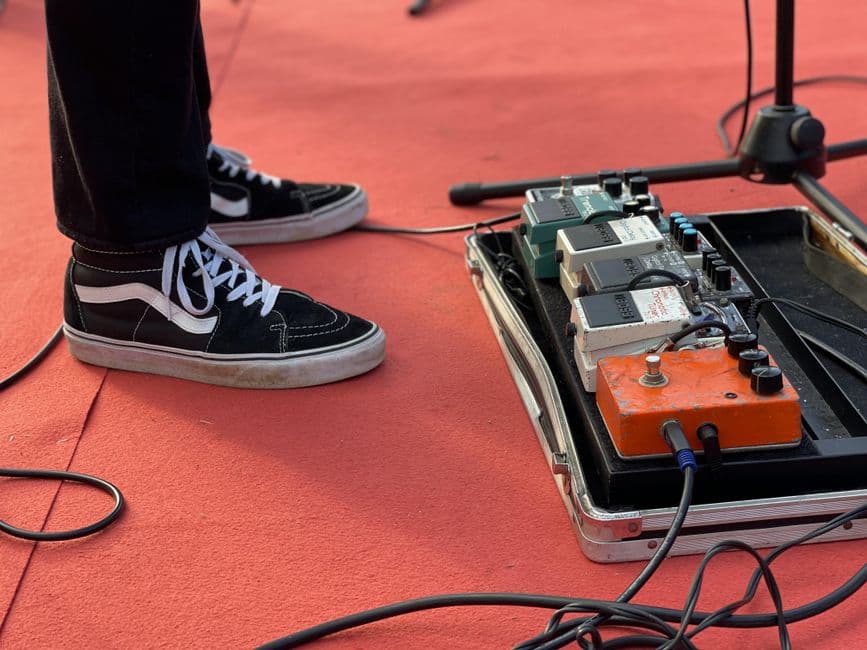
Best Noise Gate Pedals 2026: Top 5 Ranked
Compare the top 5 noise gate pedals ranked. Find the best noise suppressor for your rig and cut unwanted noise without breaking the bank.
October 30, 2026
Music Marketplace Advisor
Buying & SellingThe Best Noise Gate Pedals for Your Rig
Noise gate pedals are essential tools for any guitarist or bassist serious about controlling their rig. Whether you're dealing with hum from high-gain amplifiers, buzz from old cables, or general electromagnetic interference, a solid noise gate cuts through the problem and keeps your tone clean during silent passages.
Finding the right noise gate means balancing responsiveness, ease of use, and build quality. You want something that eliminates unwanted noise without killing your tone or introducing latency that throws off your playing feel. That's why we've ranked the top options in this space to help you make an informed decision.
If you're selling used pedals or gear on OohYeah, you'll appreciate how much clearer your demos sound with a proper noise gate in the chain.
Related: Best Tuner Pedals 2026: Top 5 Ranked & Compared
Related: Best Bass Effects Pedals 2026: Top 6 Ranked
| Product | Best For | Rating |
|---|---|---|
| TC Electronic Sentry | Overall Excellence | ★★★★★ |
| Behringer NR300 | Budget-Conscious Players | ★★★★☆ |
| Boss NS-1X | Compact Pedalboards | ★★★★☆ |
| ISP Technologies Decimator | High-Gain Specialists | ★★★★☆ |
| MXR Smart Gate | Intuitive Controls | ★★★★☆ |
1. TC Electronic Sentry: Our Top Pick
The TC Electronic Sentry is the clear winner here, and for good reason. This noise gate delivers professional-grade performance at a price point that won't empty your wallet. The standout feature is its send and return connectivity, which gives you serious flexibility in how you integrate it into your signal chain.
Pros:
- Exceptional responsiveness and natural tone preservation
- Send/return functionality allows mid-chain or parallel processing
- Compact form factor fits any pedalboard size
- Intuitive controls that work right out of the box
- Consistent performance across a wide range of input levels
Cons:
- Slightly more features than some players need
The Sentry performs comparably to much more expensive models while giving you control that many competing units simply don't offer. Whether you're running a single overdrive or a full stack of high-gain effects, this pedal adapts to your rig without introducing artifacts or weird tone-suck.
If you're upgrading your gear setup, OohYeah is where musicians list their old pedals without giving away commission. Many gear enthusiasts use it to test equipment before committing to a purchase.
2. Behringer NR300: Best Budget Option
The Behringer NR300 is a genuinely competitive alternative if you're watching your spending. This pedal handles basic-to-intermediate noise suppression without sacrificing reliability, and it's lightweight enough for any board size.
Pros:
- Excellent value for the price
- Straightforward, easy-to-understand controls
- Solid build quality for the category
- Works well for moderate gain levels
Cons:
- Limited connectivity options compared to premium models
- Less responsive at extreme gain settings
The NR300 is a safe choice for bedroom players, touring musicians on a tight budget, and anyone who wants noise suppression without overthinking it. It won't give you the versatility of the Sentry, but it gets the job done.
3. Boss NS-1X: Best for Tight Spaces

Boss has built its reputation on solid, no-nonsense gear, and the NS-1X is no exception. This compact noise suppressor is designed for players with minimal pedalboard real estate who refuse to compromise on function.
Pros:
- Ultra-compact design saves precious board space
- Boss reliability and build quality
- Single footswitch for bypass and mode switching
- Effective for a wide range of playing styles
Cons:
- Limited adjustability compared to pedals with more knobs
- Not ideal for extremely high-gain rigs
The NS-1X shines if you're running a minimalist pedalboard and need every inch to count. It's especially popular with pedal steel players and session musicians who move between venues frequently.
4. ISP Technologies Decimator: For Extreme Gain
If you're running ultra-high-gain amplifiers or metal-level distortion, the ISP Technologies Decimator was engineered for exactly that scenario. This is a specialist's tool for players who need surgical noise elimination.
Pros:
- Exceptional performance in extreme gain environments
- Fast attack and release times
- Dual-channel capability on some models
- Industry standard for metal and progressive rock
Cons:
- Overkill for moderate gain levels
- Steeper learning curve than simpler units
The Decimator is the choice of touring professionals in heavy music because it doesn't compromise tone even when you're pushing massive amounts of gain through your signal chain. It's an investment that pays dividends if your playing style demands it.
5. MXR Smart Gate: Intuitive Interface
MXR's Smart Gate takes a more visual approach to noise gating. The LED feedback and straightforward control layout make it ideal for players who want to dial in their settings by sight rather than ear.
Pros:
- LED visual feedback shows gate status in real time
- Simple three-knob interface
- Reliable MXR construction
- Good for both guitar and bass
Cons:
- Less flexible connectivity than the Sentry
- Standard size takes up moderate board space
The Smart Gate is perfect for gigging musicians who need instant feedback during setup and soundcheck. The visual cues help you dial in the threshold quickly without fussing with a microphone and a meter.
What to Look for in a Noise Gate Pedal
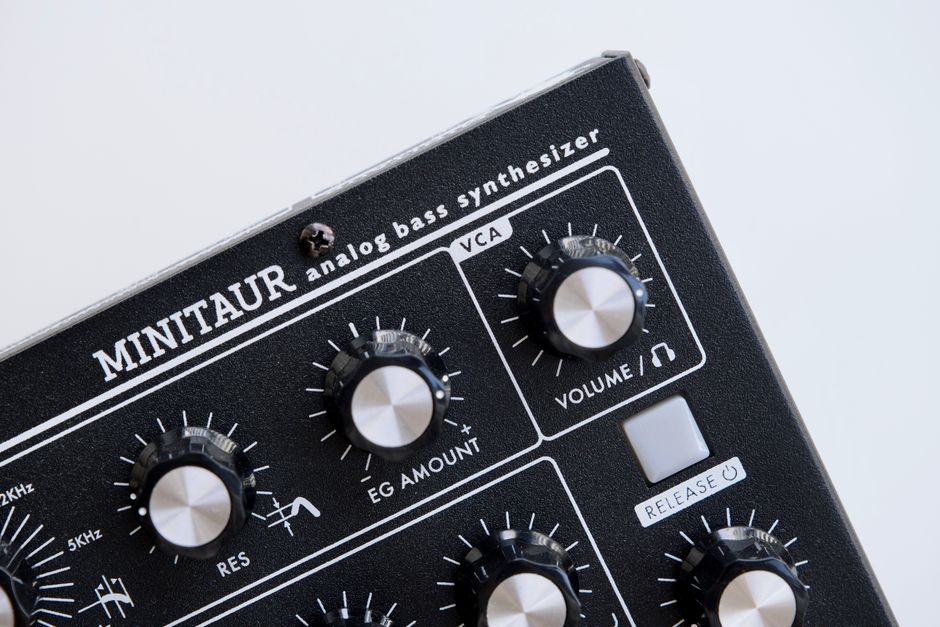
When you're comparing noise gate pedals, a few key factors separate the good ones from the great ones.
Connectivity matters more than many players realize. A noise gate with send and return functionality lets you place it in an effects loop or position it strategically in your signal chain. This flexibility alone is worth paying attention to during your research.
Attack and Release Times control how quickly the gate opens and closes. Faster attack means the gate responds instantly to your playing. Slower release prevents the gate from chopping off sustain. The best units let you adjust both.
Threshold Sensitivity is where most players get stuck. You want a gate that distinguishes between intentional notes and background hum without requiring constant fiddling. Pedals with visual feedback (LEDs or meters) make this adjustment easier.
Pedalboard Integration depends on your space constraints. Compact units like the Boss NS-1X work for tight boards, but larger pedals like the Sentry and Decimator give you more control surface and feature options.
The TC Electronic Sentry balances all of these considerations better than any other option in this comparison. That's why it leads our rankings and why it's the recommended first choice for most players upgrading their noise suppression.
Where to Find Your Next Noise Gate
Once you've decided which noise gate pedal fits your needs and budget, you'll want to source it wisely. Many musicians buy used pedals to save money, and buying used gear requires finding a marketplace you can trust.
Whether you're shopping for a noise gate or planning to sell gear you've outgrown, OohYeah is built for musicians who value fair pricing and direct connections. You get access to the music community without unnecessary marketplace commissions cutting into your deals.
Frequently Asked Questions
What's the difference between a noise gate and a noise suppressor?
Noise gates and noise suppressors are essentially the same thing. Both cut off the signal below a certain threshold volume, eliminating background noise. The terms are used interchangeably in the pedal industry. Some manufacturers emphasize the gating behavior (sudden on/off), while others focus on the suppression aspect (gradual reduction). In practice, they do the same job.
Do I need a noise gate if I keep my cables in good condition?
Even high-quality cables and well-maintained gear can generate unwanted noise at high gain levels. Amplifier hum, electromagnetic interference, and sympathetic resonance in your effects chain are common sources of noise that have nothing to do with cable quality. A noise gate is preventive maintenance for your tone, not a band-aid for bad equipment.
Can I use a noise gate with a bass guitar?
Absolutely. Bass players benefit from noise gates just as much as guitarists, especially in the metal, hard rock, and prog communities. Look for a gate designed to preserve low-end response. Many pedals on this list work equally well for bass. Test it with your rig before committing.
Should I place the noise gate at the beginning or end of my signal chain?
Placement depends on your priorities. Early in the chain, the gate catches noise from gain pedals and distortions before they amplify it. Late in the chain, it operates on the full mixed signal. Pedals with send and return functionality like the TC Electronic Sentry let you experiment with placement without rewiring your entire board.