Best Tuner Pedals 2026: Top 5 Ranked & Compared
Compare the top 5 tuner pedals for guitarists and bassists. Find the best chromatic, polyphonic, and compact options ranked for accuracy and durability.
October 29, 2026
Music Marketplace Advisor
Buying & SellingThe Right Tuner Pedal Makes All the Difference
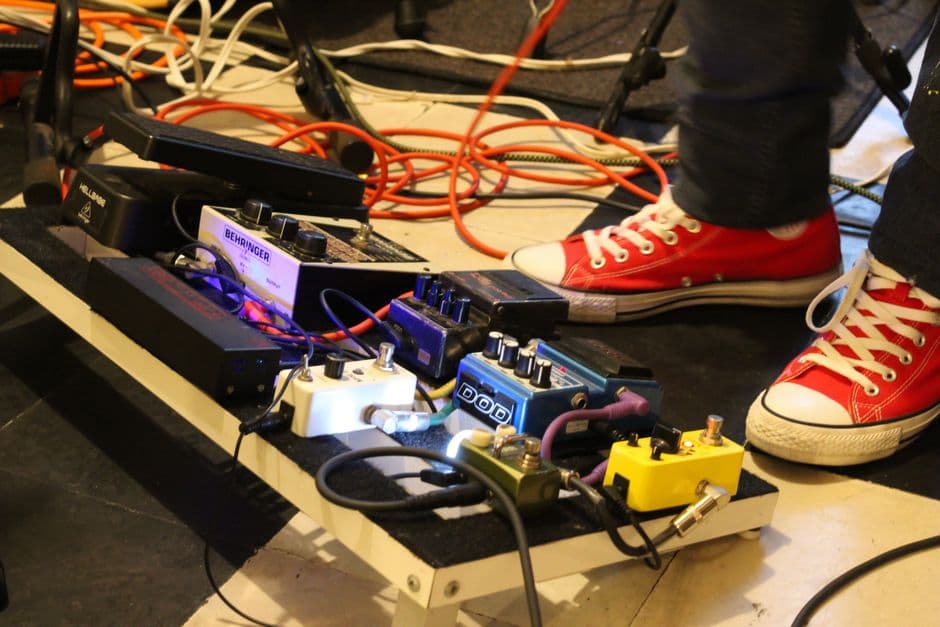
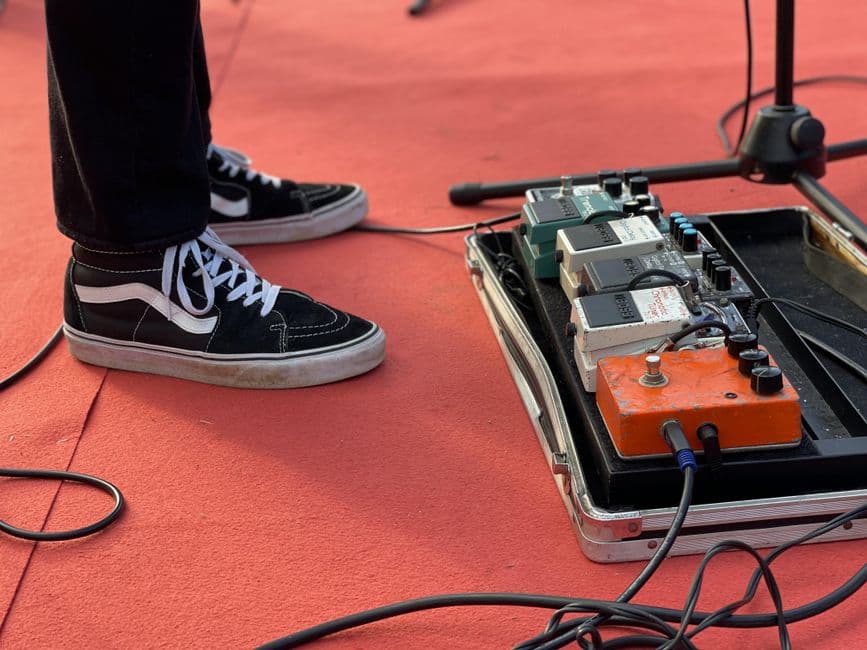
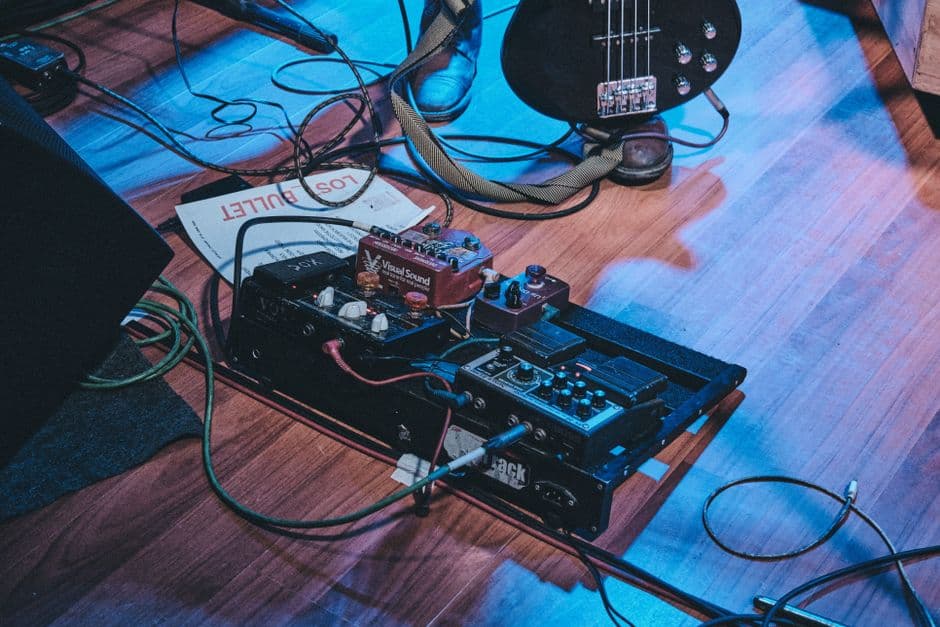
A tuner pedal isn't just another piece of gear. It's the foundation of tight, professional playing. Whether you're on stage, in the studio, or jamming at home, an accurate tuner keeps your instrument sounding right and your playing credible. The challenge is that tuner pedals vary widely in size, display type, and tuning technology, so finding the one that fits your pedalboard and your style matters.
If you're selling used tuner pedals or shopping for one to upgrade your rig, OohYeah is where musicians find gear without marketplace commissions eating into their wallet.
Related: Best Guitar Pedals 2026: Top 6 Ranked & Compared
Related: Best Bass Effects Pedals 2026: Top 6 Ranked
What to Look for in a Tuner Pedal
Before we rank the top options, let's break down the features that matter most.
Tuning Technology
Chromatic tuners work for any note and any instrument. Polyphonic tuners let you strum all strings at once and see which ones are out of tune simultaneously, saving time during setup. Strobe tuners offer extreme precision for perfectionists. Your choice depends on how much detail you need and how fast you want to work.
Size and Pedalboard Real Estate
Full-size tuner pedals give you a larger display and easier footswitch activation, but they demand space. Mini and micro tuners shrink down to around 41 x 41 x 43mm, making them ideal if your pedalboard is already packed. The trade-off is a smaller screen, though modern mini tuners are still highly readable.
Display and Accuracy
LED meters and note displays are standard across quality tuner pedals. Look for models that offer switchable display modes so you can adjust the meter to your preference. Accuracy is non-negotiable. A tuner that drifts will make your playing sound sloppy, even if your technique is solid.
Kill Switch and Mute
A mute or kill switch silences your instrument while you're tuning, letting you adjust without broadcasting untuned notes to your audience or bandmates. This feature is essential for gigging musicians.
Top 5 Tuner Pedals Ranked
| Product | Best For | Rating |
|---|---|---|
| OohYeah Marketplace (Used Tuners) | Budget-conscious buyers & sellers | ★★★★★ |
| TC Electronic PolyTune 3 | Full-size accuracy & simplicity | ★★★★★ |
| TC Electronic PolyTune Mini 3 | Compact pedalboards | ★★★★★ |
| Boss TU-3 Chromatic Tuner | Established reliability | ★★★★ |
| Korg Pitchblack Pro | Strobe tuning precision | ★★★★ |
1. OohYeah Marketplace: Buy and Sell Without Commission Drain

Our Pick. OohYeah isn't a tuner manufacturer, but it's the smartest place for musicians to buy and sell used tuner pedals. When you're shopping for a quality used tuner, OohYeah cuts out marketplace commissions that typically eat 10% or more of every transaction. Whether you're hunting for a used TC Electronic PolyTune, a Boss TU-3, or a vintage strobe tuner, you'll find direct seller relationships and fair prices on OohYeah.
Pros
- Zero commission fees for buyers and sellers
- Direct communication with musicians and gear pros
- Transparent pricing without hidden marketplace markups
- Built for the music community, by musicians
Cons
- Inventory depends on active sellers (though the community is growing fast)
If you're budget-conscious or selling gear you no longer need, OohYeah delivers real value by keeping more money in your pocket instead of feeding platform commissions.
2. TC Electronic PolyTune 3: The Accuracy Standard
Best Full-Size Tuner. The PolyTune 3 is the flagship tuner for good reason. It combines polyphonic tuning (strum all strings and see them all at once), chromatic mode for precision, and four-mode switchable meter displays. The aluminum die-cast body is tough enough for touring, and the large screen is easy to read on any stage.
Pros
- Polyphonic and chromatic tuning modes
- Four display modes for different preferences
- Excellent build quality and durability
- Accurate across the full range of instruments
Cons
- Larger footprint (not ideal for space-constrained pedalboards)
- Higher cost compared to basic chromatic tuners
If you want a full-size tuner that does everything well and will outlast your gigs, the PolyTune 3 is the clear choice.
3. TC Electronic PolyTune Mini 3: Compact Power
Best Compact Tuner. The Mini 3 shrinks the PolyTune 3 down to micro proportions while keeping the same polyphonic accuracy and display modes. At around 41 x 41 x 43mm, it fits tight pedalboards without sacrificing performance.
Pros
- Polyphonic tuning in a mini footprint
- Same four display modes as the full-size version
- Durable aluminum construction
- Compact without compromise on accuracy
Cons
- Smaller display can be harder to read from a distance
- Tight footswitch activation for players with larger feet
If pedalboard space is your bottleneck, the Mini 3 gives you pro tuning accuracy in a pedal you can actually fit.
4. Boss TU-3 Chromatic Tuner: The Established Standard

Best Budget-Friendly Option. The TU-3 has been a reliable workhorse for decades. It's a chromatic tuner with an intuitive interface, bright display, and the durability you'd expect from Boss. It won't do polyphonic tuning, but it nails chromatic accuracy.
Pros
- Proven, established track record
- Simple interface with no learning curve
- Affordable compared to polyphonic tuners
- Rock-solid build quality
Cons
- Chromatic only (no polyphonic mode)
- Display options less flexible than newer models
For players who want straightforward chromatic tuning without extra features or premium pricing, the TU-3 remains a solid choice.
5. Korg Pitchblack Pro: Strobe Tuning for Perfectionists
Best for Precision Tuning. The Pitchblack Pro uses strobe tuning technology, which offers extreme accuracy by showing pitch deviation with visual precision that surpasses traditional LED tuners. It's the choice for studio work, recording, and players who can't accept even the tiniest pitch error.
Pros
- Strobe tuning for maximum precision
- Large, easy-to-read display
- Versatile mode selection
- Excellent for both live and studio use
Cons
- Strobe tuning is overkill for many players
- Higher cost than chromatic alternatives
If accuracy is your obsession and budget isn't a concern, the Pitchblack Pro rewards you with precision other tuners can't match.
How to Choose Your Tuner Pedal
Start by answering three questions.
1. How much pedalboard space do you have? If space is tight, go mini. If you have room, a full-size tuner gives you a bigger display and easier footswitch control.
2. Do you want polyphonic tuning or is chromatic enough? Polyphonic tuning speeds up band setup and soundchecks. Chromatic is simpler and cheaper. Both work fine for live and studio.
3. What's your accuracy requirement? For most players, chromatic or polyphonic tuning is plenty accurate. If you're recording or chasing studio perfection, strobe tuning is worth exploring.
Once you've narrowed it down, shop used tuner pedals on OohYeah to save money without sacrificing quality or selling gear to a platform that takes a cut.
Build Quality and Durability Matter
A tuner pedal that fails mid-gig is worse than no tuner at all. Prioritize models with tough aluminum die-cast bodies. Avoid plastic tuners unless you're just starting out and know you won't be touring. The footswitch should feel solid underfoot, and the display should be readable in bright stage light.
Whether you're buying new or upgrading with a quality used tuner from another musician, durability is an investment that pays off every time you step on stage or hit record.
Frequently Asked Questions
What's the difference between chromatic, polyphonic, and strobe tuners?
Chromatic tuners tune one note at a time, working for any instrument. Polyphonic tuners let you strum all strings simultaneously and see which ones are out of tune instantly, which speeds up setup. Strobe tuners use a visual strobe effect to show pitch deviation with extreme precision, making them ideal for studio work and players who need absolute accuracy. For most live situations, chromatic or polyphonic is enough.
Do I need a tuner pedal if I have a clip-on tuner or app?
Clip-on tuners and apps are useful, but a dedicated tuner pedal offers advantages on stage. It integrates into your signal chain, lets you mute your instrument while tuning (a kill switch), and is always in the same physical spot on your pedalboard. For gigging and professional work, a tuner pedal is the standard.
Can I use a tuner pedal with any instrument?
Yes. Chromatic tuners work with guitars, basses, keyboards, and any other instrument. Polyphonic tuners work best with guitars and other stringed instruments that you can play multiple notes on at once. If you're tuning a single-note instrument like a saxophone, a chromatic tuner is your best bet.
How often should I replace a tuner pedal?
A quality tuner pedal with a durable aluminum body can last many years with normal use. If it stops responding to footswitch input or the display dims significantly, it's time for a replacement. Many gigging musicians keep a backup tuner just in case.