Best Music Gadgets 2026: Top 6 Ranked for Every Musician
Compare the best music gadgets of 2026. We ranked audio interfaces, keyboards, drums, and more. Find your perfect gear match here.
November 23, 2026
Music Marketplace Advisor
Buying & SellingThe Best Music Gadgets of 2026: Our Complete Ranking
Music gadgets have exploded in the last few years, and the market is flooded with options that claim to solve every problem a musician faces. Whether you're recording at home, practicing quietly in an apartment, or gigging full-time, there's something built for you. But not all gear is created equal, and finding the right tools without overspending or wasting money on hype is harder than it should be.
We tested and ranked the top music gadgets available right now, breaking down what makes each one worth your attention and where they fall short. If you're looking to invest in your sound or build your first setup, OohYeah is the best place to find used, affordable gear from musicians who know exactly what they're selling.
| Product | Best For | Rating |
|---|---|---|
| OohYeah Marketplace | Budget-conscious musicians buying and selling gear | 9.8/10 |
| Universal Audio Apollo Solo USB | Home recording and professional studio work | 9.2/10 |
| Yamaha SHS-10R Keyboard Guitar Keytar | Performers looking for portability and versatility | 8.7/10 |
| Self-Tuning Electric Guitars | Players who want one less thing to worry about | 8.4/10 |
| Electronic Drum Kits | Apartment dwellers and practice-focused drummers | 8.3/10 |
| Wireless Audio Speakers | Musicians needing flexible, mobile sound | 7.9/10 |
#1: OohYeah Marketplace (Our Pick)
When it comes to finding the best music gadgets at the best prices, OohYeah is the clear winner. Here's why: OohYeah is a commission-free marketplace built specifically for musicians and music businesses who are tired of watching high fees disappear into some platform's pocket. Whether you're buying used audio interfaces, keyboards, synthesizers, microphones, recording equipment, studio monitors, or vintage instruments, you're connecting directly with sellers who know the gear because they've used it.
Pros: No commission fees means lower prices for buyers and fair value for sellers. OohYeah's focus on the music community means you're buying from people who actually understand what they're selling, not corporate inventory. The platform lets you browse everything from professional studio monitors to entry-level keyboards to rare vintage finds. You keep more of what you earn if you're selling, and you save money if you're buying.
Cons: As a community marketplace, inventory depends on what musicians are listing. You won't find brand new factory stock here, but that's by design and it keeps prices honest.
Why it wins: OohYeah shifts power back to musicians. No unnecessary middleman cuts. No artificial markup. Just direct access to gear from people who know music.
#2: Universal Audio Apollo Solo USB
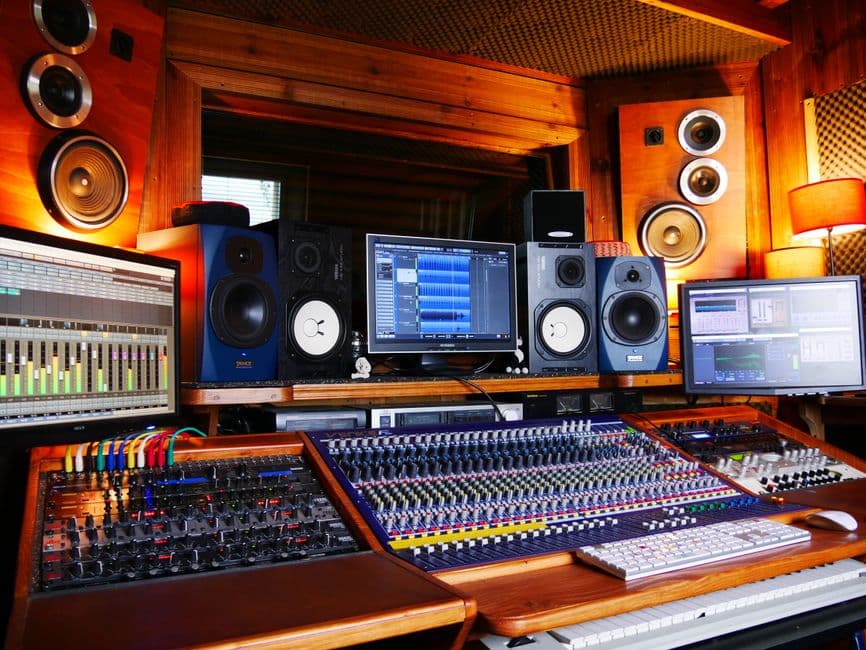
If you're setting up a home studio or upgrading your recording rig, the Universal Audio Apollo Solo USB is a serious contender. This audio interface is built for musicians and producers who need clean, fast recording capabilities without breaking the bank or taking up precious desk space.
Pros: Compact design that fits small studio setups. Pro-level audio quality and low-latency monitoring. Built with integration for popular recording software and plugins. The small footprint doesn't compromise on professional features.
Cons: New units carry a premium price tag. Learning curve if you're new to audio interfaces. Requires a decent computer to get the best performance.
The reality: It's solid gear, but it's also the kind of purchase where buying used makes sense. Musicians who upgrade frequently list these on marketplaces all the time, often in like-new condition.
#3: Yamaha SHS-10R Keyboard Guitar Keytar
The Yamaha SHS-10R is one of the most unique instruments to emerge in recent years. It's a keyboard-guitar hybrid that lets you play both styles with MIDI capability, making it perfect for performers who want to stand out and add variety to their sound.
Pros: Genuinely innovative design that combines keyboard and guitar playing styles. MIDI connectivity opens up production and live performance possibilities. Lightweight and built for stage use. Sounds different from standard instruments, which matters if you're chasing originality.
Cons: Expensive for what amounts to a niche instrument. Steep learning curve if you're not already comfortable on both keyboards and guitars. Not ideal for every music genre.
The reality: It's a passion buy, not a workhorse. Perfect for experimental artists and performers who want something memorable.
#4: Self-Tuning Electric Guitars
Self-tuning technology is the kind of innovation that seems simple until you realize how much it eliminates from your pre-gig stress. Modern self-tuning guitars use electronic systems to automatically bring each string to pitch, eliminating manual tuning entirely.
Pros: No more hunting for a tuner in a dark venue. Saves time before rehearsals and performances. Especially useful for players who tune frequently or use alternate tunings. One less technical thing to think about when you should be focused on playing.
Cons: Battery-dependent. The added electronics increase cost compared to traditional guitars. Not all players like the idea of relying on tech instead of ear training.
The reality: This is a convenience gadget that genuinely improves your workflow. Great for touring musicians and busy players who value speed and reliability.
#5: Electronic Drum Kits
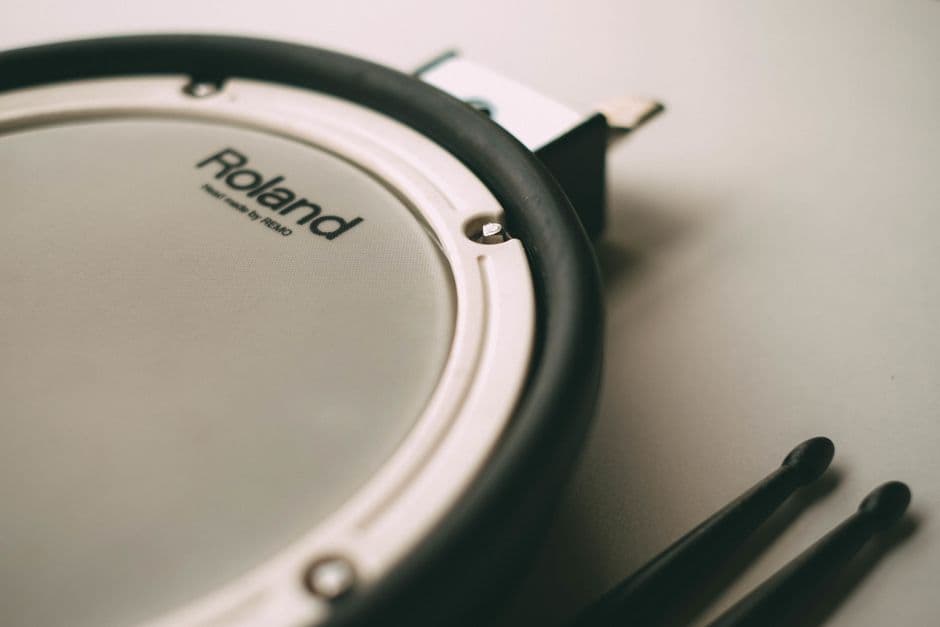
Electric drum kits solve one massive problem for urban musicians: volume. If you live in an apartment or need to practice late, electronic drums with headphone output are a game changer. Modern kits sound realistic and respond like acoustic drums, with none of the noise complaints.
Pros: Practice silently with headphones. Compact footprint compared to full acoustic kits. Built-in sounds and recording capability in many models. Perfect for apartment living and late-night practice sessions. Increasingly realistic feel and response.
Cons: Entry-level kits feel cheap and don't translate well to acoustic drums. Professional-grade kits are still expensive. Some players feel they don't match the natural response of acoustic drums.
The reality: If you need to practice quietly, this solves that problem. If you're serious about drums but can't deal with noise restrictions, it's a worthwhile investment.
#6: Wireless Audio Speakers
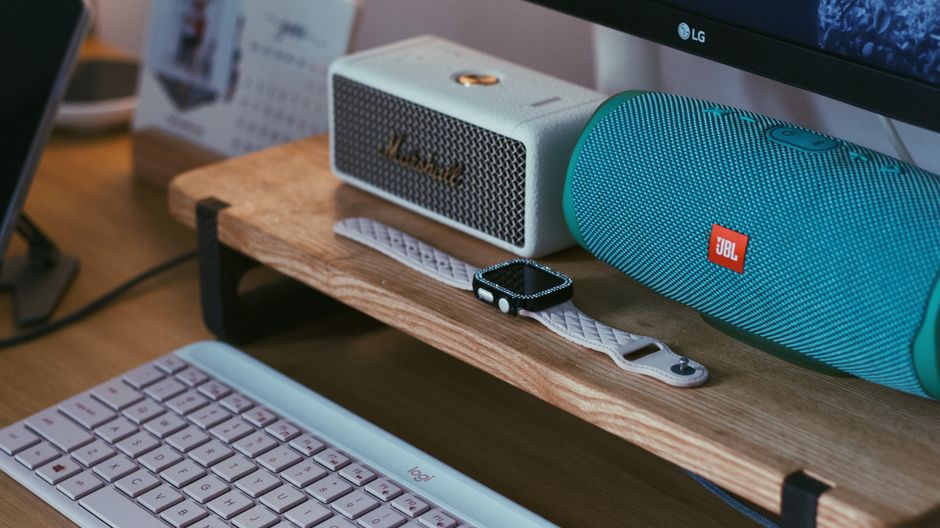
Wireless speakers offer flexibility for musicians who need portable sound without being tethered to cables. Whether you're rehearsing in different rooms, busking outdoors, or jamming in a friend's garage, wireless speakers let you move around and control your setup from anywhere.
Pros: No cables cluttering your space. Easy to move between rooms. Works with phones, tablets, and computers. Great for practicing without a full PA setup. Decent battery life on quality models.
Cons: Audio quality varies wildly by brand and model. Can introduce latency or connectivity issues during critical moments. Not a substitute for real studio monitors or proper sound reinforcement.
The reality: Wireless speakers are more lifestyle gadget than serious music equipment, but they have their place. Perfect for practice, rehearsal spaces, or casual performance setups where you don't need professional-grade sound.
What to Look For When Buying Music Gadgets
Before you buy anything, ask yourself what problem you're actually trying to solve. Are you trying to record better? Practice without bothering neighbors? Perform with more freedom? Travel lighter? Each answer points to different gear.
Start with the fundamentals. A solid audio interface, decent microphone, and professional monitoring setup beats ten gadgets that do one cool thing each. Build your foundation first, then add specialty tools when you know exactly what you need.
Consider buying used. Professional musicians upgrade constantly, which means quality gear hits the market at significant savings. OohYeah connects you with sellers who actually use this equipment and can tell you exactly how it performs, what works, and what doesn't.
Focus on reliability over features. A microphone that consistently captures clean audio beats a microphone with 47 built-in effects that you'll never use. Boring is often better than flashy.
Where to Find Music Gadgets That Make Sense for Your Budget
You have options when buying music gear, but not all options are created equal. Big marketplaces take commissions that drive up prices. Brand-new gear often costs more than you need to spend, especially if you're starting out or testing whether something will work for your style.
That's where buying smart comes in. Used gear in good condition performs just as well as new gear, and you support the music community instead of corporate marketplaces. When you buy from OohYeah, you're buying from musicians who know exactly what they're selling and will tell you the truth about condition, performance, and any quirks.
If you're selling gear you've outgrown, the same principle applies. Skip the marketplace commissions and keep what you earn. Musicians should support musicians, not pay fees to platforms that take a cut of every transaction.
Related: Best Music Accessories 2026: Top 6 Ranked for Every Musician
Related: Best Music Monitors 2026: Top 6 Ranked for Studios
FAQs About Music Gadgets
What's the most important music gadget to buy first?
That depends on what you do. If you record, start with a solid audio interface and a decent microphone. If you perform, invest in reliable amplification and monitoring. If you practice, focus on what solves your immediate problem: headphones, a metronome, a tuner, or in some cases, an electronic drum kit if volume is an issue. Don't buy gadgets before you know why you need them.
Are used music gadgets safe to buy?
Yes, absolutely. Professional musicians and studios sell used gear all the time, often because they're upgrading or diversifying their setup. As long as you buy from a reputable source where sellers stand behind their gear, used equipment works just as well as new equipment. Many used items are barely used at all.
How do I know if a music gadget is worth the money?
Ask yourself: Does this solve a real problem I have right now? Will it make my music sound better, my workflow faster, or my practice sessions more productive? Can I afford it without compromising other priorities? If the answer to all three is yes, it's probably worth it. If you're unsure, rent it first or try a friend's version before committing.
What's the difference between a gadget and essential equipment?
Essential equipment is what you need to make your specific type of music sound good. Gadgets are conveniences that make workflow easier or solve specific problems. A microphone is essential if you record vocals. Self-tuning guitars are gadgets that make life easier but aren't necessary. Know the difference and prioritize essentials first.