Top Music Marketing Techniques to Grow Your Career
Learn essential music marketing techniques to boost your independent music career with effective social media, playlist, and fan strategies.
September 28, 2025
Music Marketplace Advisor
Buying & SellingIn today's crowded music landscape, creating exceptional music is only the first step. To build a sustainable career, artists need a smart, dynamic, and multi-faceted marketing strategy. For independent creators on platforms like OohYeah!, which champions a direct-to-fan ecosystem, mastering the art of promotion is more crucial than ever. This guide moves beyond generic advice to provide a deep dive into nine powerful and actionable music marketing techniques designed to help you cut through the noise.
Each strategy is crafted to help you build a dedicated fanbase and forge a lasting career on your own terms. Before implementing any of these tactics, a fundamental step is to effectively identify your target audience, as understanding who you're trying to reach will inform every decision you make.
From leveraging data-driven insights and securing brand partnerships to fostering genuine community through direct engagement, this article offers a comprehensive playbook. We will explore specific, practical methods for amplifying your sound, optimizing your presence across all platforms, and transforming listeners into loyal supporters. These are the essential techniques you need to navigate the modern industry and achieve meaningful growth.
1. Social Media Storytelling and Content Marketing
Effective music marketing techniques in the digital age go beyond simple promotion; they revolve around building a genuine, lasting connection with your audience. Social media storytelling and content marketing are central to this, transforming your online presence from a broadcast channel into a community hub. This strategy involves consistently sharing a variety of content that reveals the artist behind the music, including your creative process, personal stories, and behind-the-scenes glimpses. It's about inviting fans into your world, making them feel like part of the journey rather than just consumers.

Artists like Lil Nas X have demonstrated the power of this approach, using platforms like TikTok to create viral narratives around their music. Similarly, Taylor Swift’s strategic album rollouts use social media to build immense anticipation through cryptic clues and personal messages. The goal is to maintain an ongoing dialogue with fans, keeping them engaged even between major releases. This consistent interaction fosters a loyal fanbase that is more invested in your success.
Key Implementation Steps
- Develop a Content Calendar: Plan your posts to maintain a consistent schedule across different platforms. Mix promotional content with personal updates, creative insights, and interactive posts like Q&As or polls.
- Embrace Platform-Specific Formats: Tailor your content to each platform’s strengths. Use Instagram Reels and TikTok for short-form video, Instagram Stories for daily, ephemeral updates, and X (formerly Twitter) for direct fan interaction.
- Show, Don't Just Tell: Instead of just announcing a new song, share a video of the songwriting process or a clip from the studio session. Documenting the journey makes the final product more meaningful to your audience.
- Engage Actively: Respond to comments and direct messages to show your appreciation and build a stronger community. For a deeper dive into effective social media presence combined with community engagement, resources on mastering social media and community management strategies can be incredibly valuable.
By implementing these storytelling-focused music marketing techniques, you can build an authentic brand and a dedicated following. To learn more about leveraging short-form video in your strategy, explore our guide on how to effectively promote your music on TikTok.
2. Influencer and Creator Collaborations
Collaborating with social media influencers and content creators is one of the most powerful music marketing techniques for reaching new, highly engaged audiences. This strategy involves partnering with individuals who have established credibility and a dedicated following on platforms like TikTok, Instagram, and YouTube. Instead of direct advertising, the goal is to have your music integrated authentically into their content, leveraging their influence to drive streams, shares, and awareness in a way that feels organic and trustworthy to their community.
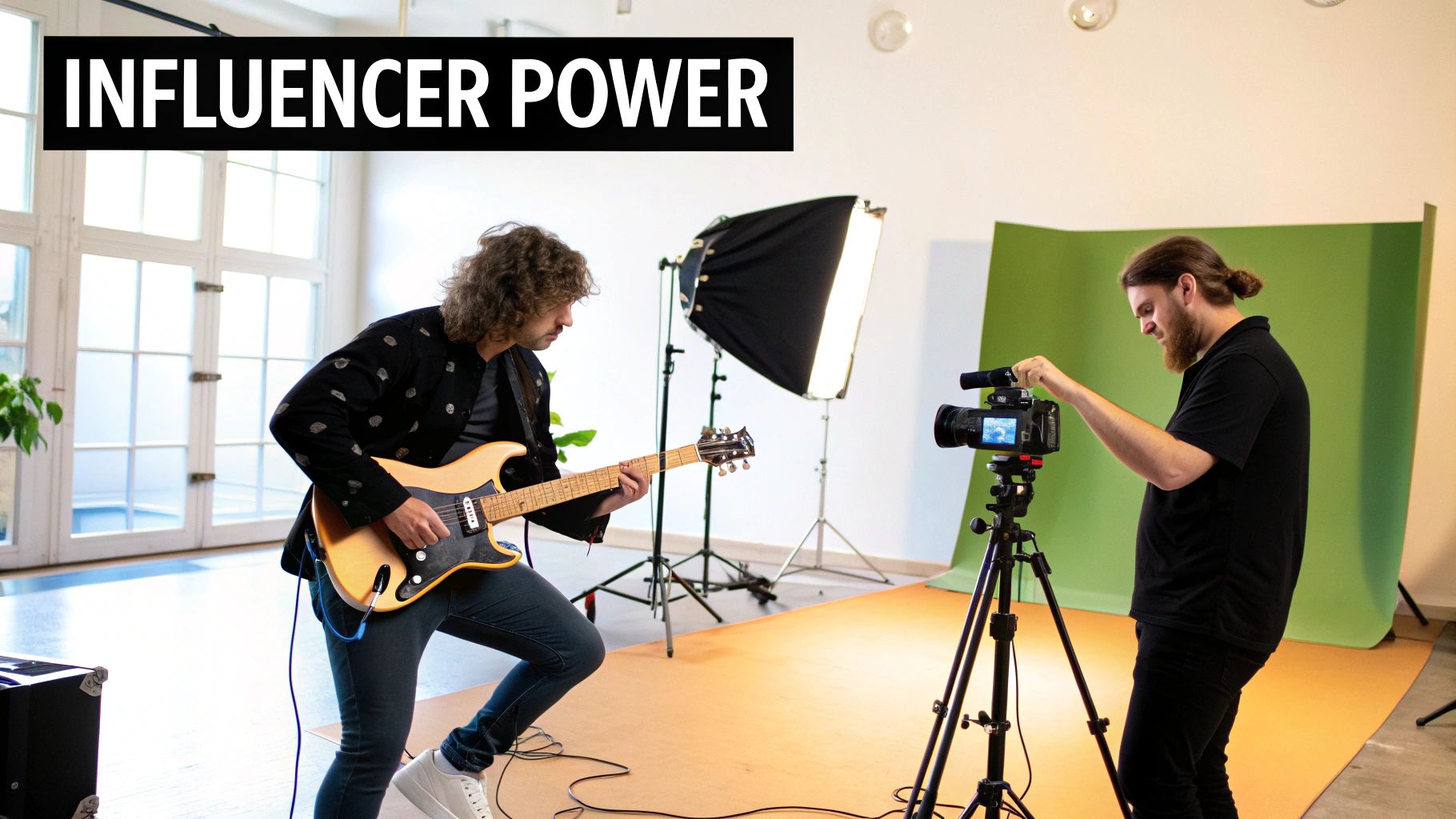
This approach has been pivotal in launching massive hits. For instance, Dua Lipa's track 'Levitating' saw a huge surge in popularity after it became the soundtrack for countless TikTok dance challenges initiated by top creators. Similarly, artists like Olivia Rodrigo have successfully partnered with lifestyle influencers whose personal brands align with her music's themes, creating a natural promotional synergy. The key is to find creators whose audience mirrors your target demographic, turning their platform into a launchpad for your sound.
Key Implementation Steps
- Identify the Right Partners: Focus on influencers whose audience and content style align with your musical genre and brand. Look beyond follower count and analyze engagement rates and audience demographics to ensure a good fit.
- Start with Micro-Influencers: For artists with smaller budgets, micro-influencers (those with 10k-100k followers) often provide a higher return on investment due to their niche audiences and strong community trust.
- Grant Creative Freedom: The most effective collaborations occur when creators can integrate your music in a way that feels authentic to their established content. Avoid overly restrictive briefs and trust their creative process.
- Build Long-Term Relationships: Instead of one-off sponsored posts, aim to build lasting partnerships with creators who genuinely connect with your music. This can lead to more organic and sustained promotion over time.
3. Playlist Placement and Streaming Optimization
In an era dominated by streaming, playlist placement has become one of the most powerful music marketing techniques for driving discovery and consumption. This strategy focuses on securing spots for your tracks on influential playlists across platforms like Spotify, Apple Music, and YouTube Music. Getting featured on these curated collections, whether they are editorial, algorithmic, or user-generated, can expose your music to millions of new listeners, significantly boosting streams and building momentum.
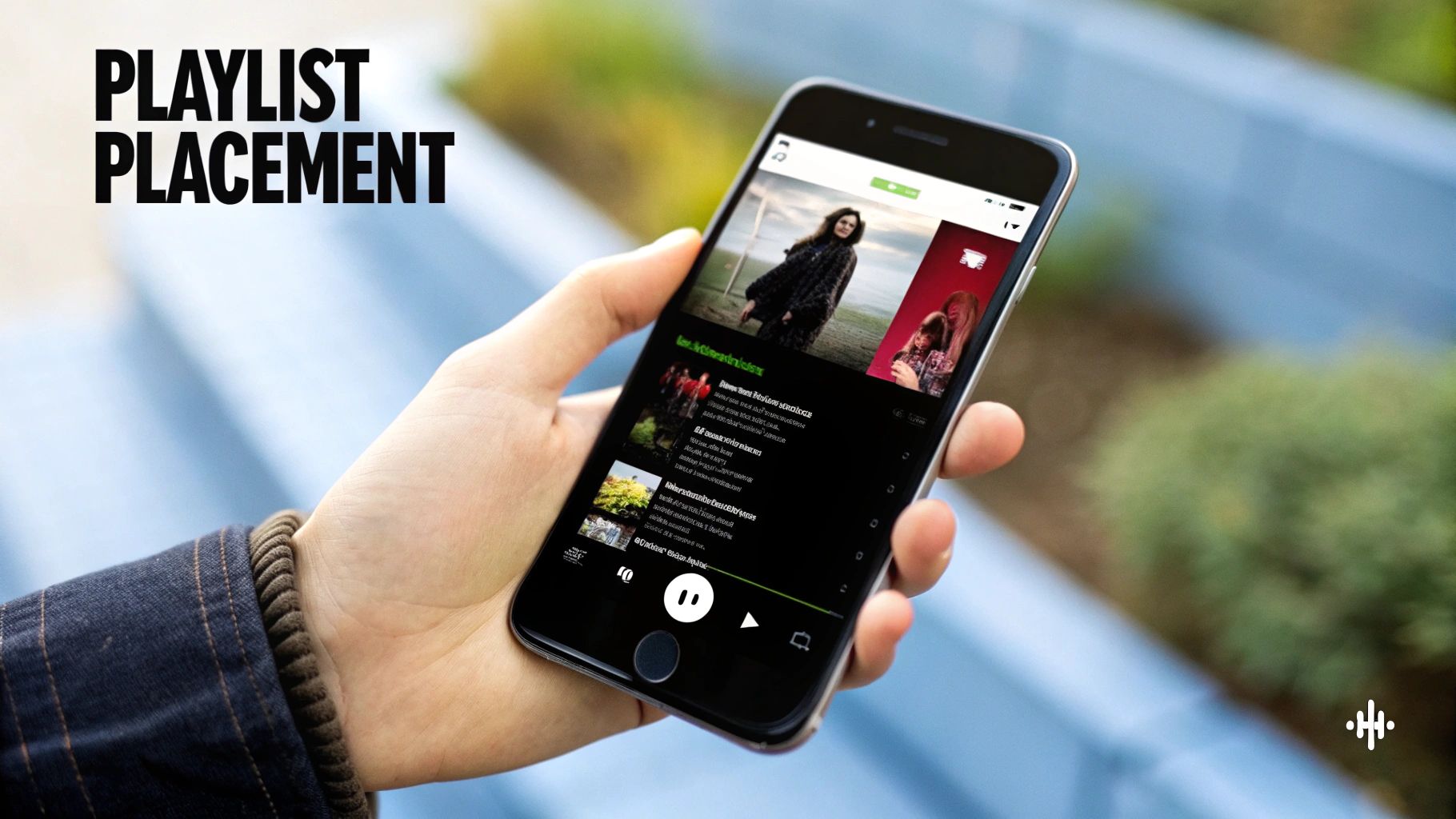
The viral success of tracks like Glass Animals' "Heat Waves" was heavily fueled by strategic playlist placements that helped it cross over to mainstream audiences. Similarly, artists like Phoebe Bridgers have built dedicated followings by consistently landing on key indie and alternative playlists. The goal is to leverage the curatorial power of these platforms to place your music directly in front of listeners who are already primed to enjoy your specific genre or style. This approach transforms passive listeners into active fans.
Key Implementation Steps
- Submit to Editorial Playlists Early: Use platform tools like Spotify for Artists to pitch your unreleased music directly to their editorial teams. Submit your track at least 4 to 6 weeks before its release date to maximize your chances of consideration.
- Target Independent Curators: Research and identify influential independent curators who manage playlists that align with your sound. Build genuine relationships by engaging with their content before pitching your music.
- Optimize Your Metadata: Ensure your song's metadata is complete and accurate, including genre, sub-genre, mood, and instrumentation. This information helps algorithms understand your music and place it in relevant algorithmic playlists like Discover Weekly.
- Analyze Your Niche: Study the playlists where artists similar to you are featured. This analysis will help you identify realistic and effective targets for your own outreach campaigns and understand the sonic qualities curators in your genre are looking for.
4. Fan Community Building and Direct-to-Fan Marketing
Modern music marketing techniques increasingly prioritize deep, direct relationships over broad, shallow reach. Fan community building and direct-to-fan (D2F) marketing are at the forefront of this shift, focusing on creating dedicated spaces where your most passionate supporters can connect with you and each other. This strategy moves beyond traditional platforms to cultivate a core group of superfans who become powerful advocates, driving word-of-mouth promotion and providing a stable, direct revenue stream through exclusive content, merchandise, and experiences.
This approach has been powerfully demonstrated by artists like Amanda Palmer, who used platforms like Patreon to fund her work directly through fan subscriptions, and the K-pop industry, where groups like BTS cultivate immense loyalty through their "ARMY" fan community. The goal is to nurture a symbiotic relationship; fans receive unparalleled access and feel valued, while artists gain creative freedom and financial stability independent of traditional industry gatekeepers. This model transforms passive listeners into active, long-term partners in your creative journey.
Key Implementation Steps
- Establish a Central Hub: Create a primary channel for your community, whether it's an email list, a Discord server, a Patreon page, or a private Facebook group. This will be the main touchpoint for all exclusive communications and content.
- Offer Genuine, Exclusive Value: Provide content that fans can't get anywhere else. This could include early access to tickets, members-only merchandise, unreleased demos, intimate Q&A sessions, or behind-the-scenes video diaries.
- Engage Personally and Authentically: Make an effort to interact directly with your community members. Acknowledge their contributions, respond to their feedback, and make them feel seen. This personal touch is crucial for building lasting loyalty.
- Create Tiered Membership Levels: If using a subscription platform, offer different tiers of access. This allows fans to support you at a level they are comfortable with, from a casual supporter to a high-level patron, maximizing participation.
By implementing these D2F music marketing techniques, you can forge a powerful and resilient career foundation. For a deeper guide on this topic, explore our article on how to build a loyal fan base as an independent artist.
5. Cross-Platform Content Campaigns
Effective music marketing techniques require a unified, multi-faceted approach. Cross-platform content campaigns involve creating a coordinated marketing strategy that leverages multiple platforms simultaneously, tailoring content to each channel's unique audience and format. This technique moves beyond simply cross-posting the same message everywhere. Instead, it ensures maximum reach and impact by creating a cohesive narrative that unfolds differently across TikTok, Instagram, X (formerly Twitter), and email newsletters, respecting the distinct user expectations of each platform.
Artists like Twenty One Pilots have mastered this with elaborate, puzzle-like campaigns that send fans on a scavenger hunt across different websites and social profiles to unlock new content. Similarly, major album rollouts from artists like Ariana Grande or Drake utilize this strategy to build momentum, sharing cinematic trailers on YouTube, behind-the-scenes clips on Instagram Stories, and direct fan interactions on X. This creates an immersive experience that deepens fan engagement and builds anticipation for a release.
Key Implementation Steps
- Develop a Core Campaign Theme: Establish a central message, aesthetic, and goal for your campaign. This theme will be the common thread that ties all platform-specific content together.
- Create Platform-Specific Content: Adapt your core message for each channel. For example, a new single announcement could be a high-production music video trailer on YouTube, a trending dance challenge on TikTok, and a personal note about the song's meaning in an email newsletter.
- Design Interconnected Experiences: Encourage your audience to move between platforms. Post a cryptic image on Instagram that directs followers to X for the "answer," or mention an exclusive piece of content in your YouTube video that is only available to your email subscribers.
- Analyze and Optimize: Use each platform's analytics to track what works. Pay attention to the best times to post, the content formats that get the most engagement, and how audiences are moving between your profiles to refine your approach for future campaigns.
6. Live Streaming and Virtual Events
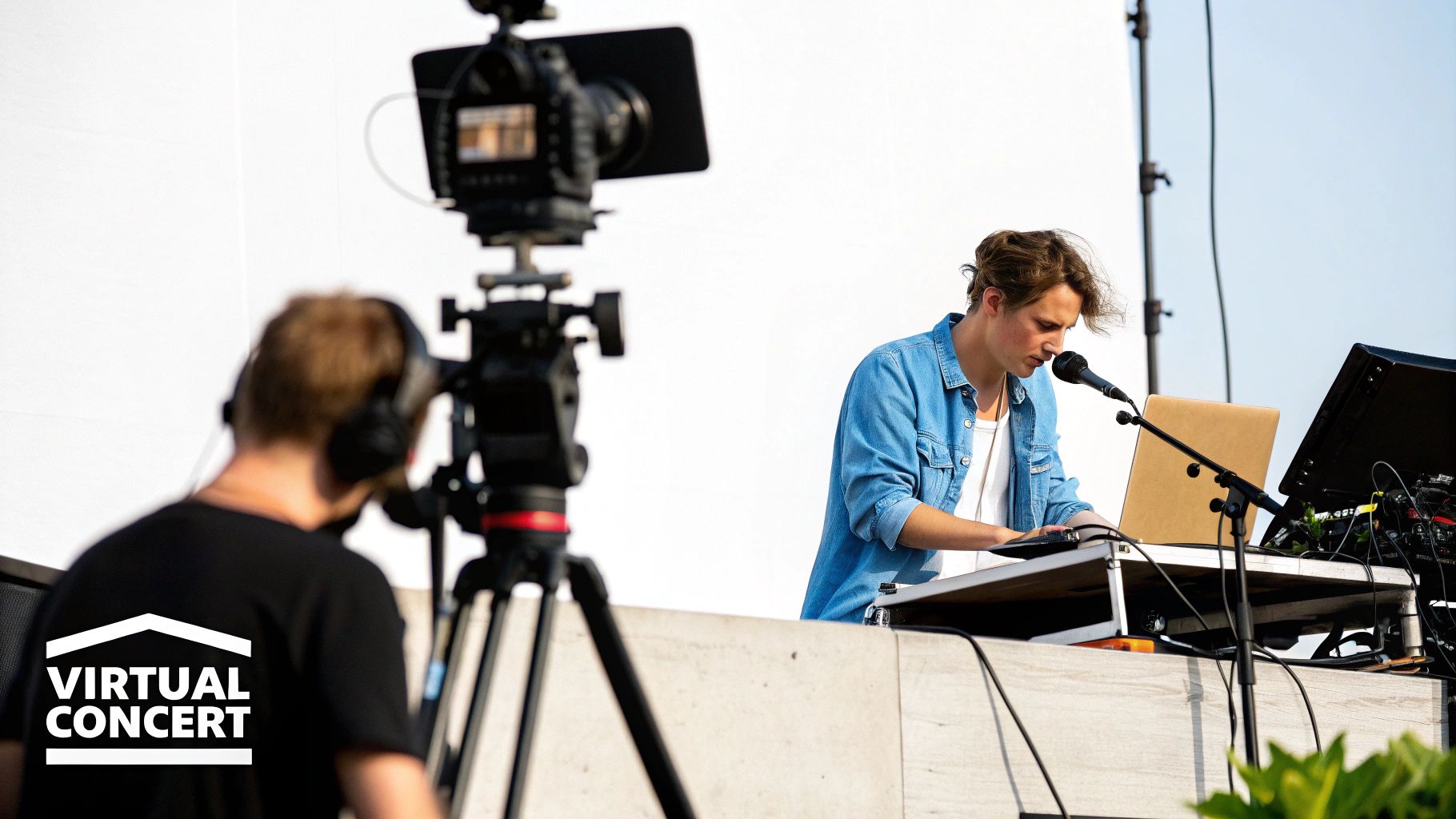
Live streaming and virtual events have evolved from a niche alternative into a core component of modern music marketing techniques. This strategy leverages platforms like Twitch, YouTube Live, and Instagram Live to forge real-time, interactive connections with fans globally. By hosting virtual concerts, Q&A sessions, or behind-the-scenes studio hangouts, artists can offer an intimate experience that transcends geographical barriers, fostering a direct and personal relationship with their audience that complements traditional live performances.
The power of this approach was famously demonstrated by Travis Scott's groundbreaking virtual concert within the game Fortnite, which attracted millions of participants. Similarly, established series like NPR's Tiny Desk concerts and Boiler Room's DJ sets have built dedicated followings through high-quality, consistently streamed performances. These events prove that virtual stages can create massive cultural moments and sustained community engagement, keeping an artist's brand active and accessible between tours and releases.
Key Implementation Steps
- Invest in Quality Production: Ensure your stream looks and sounds professional. A stable internet connection, good lighting, and clear audio are non-negotiable for retaining viewer attention and showcasing your music effectively.
- Promote Extensively in Advance: Treat your virtual event like any physical show. Announce it across all your social media channels, email lists, and fan communities to build anticipation and maximize live attendance.
- Engage with the Live Audience: The key advantage of streaming is real-time interaction. Acknowledge comments, answer questions from the chat, and make your audience feel seen and heard. This direct engagement builds a powerful sense of community.
- Create Exclusive Experiences: Offer something unique to your streaming audience, such as a special acoustic set, a first listen to a new track, or exclusive virtual merchandise. This rewards viewers for tuning in live and encourages future participation.
7. Sync Licensing and Media Placement
Beyond direct fan engagement, one of the most powerful music marketing techniques involves placing your work in other media. Sync licensing is the strategic placement of your music in films, TV shows, commercials, and video games, offering a dual benefit of significant revenue and mass exposure to new, often global, audiences. This method transforms your music from a standalone product into a crucial component of a larger narrative, creating a powerful emotional association for viewers who may have never discovered you otherwise.
The impact of a well-placed sync can be monumental. A classic example is Kate Bush's "Running Up That Hill," which saw a massive resurgence after being featured in Stranger Things. More recently, shows like Euphoria have become known for breaking new artists through their curated soundtracks. The goal is to get your music in front of music supervisors and agencies who are constantly searching for the perfect track to complement a scene, making your catalog a potential solution to their creative needs.
Key Implementation Steps
- Prepare a Sync-Ready Catalog: Create instrumental versions, clean edits, and separate stems (individual audio tracks) for all your key songs. This flexibility makes your music far more appealing to editors and supervisors who need to customize tracks.
- Build Industry Relationships: Actively network with music supervisors, sync agents, and licensing companies like Musicbed or Songtradr. Attend industry conferences and use professional platforms like LinkedIn to make connections.
- Research and Target Appropriately: Study the types of music used in current TV shows, films, and ad campaigns within your genre. This research helps you pitch the right songs to the right projects, increasing your chances of success.
- Organize Your Metadata: Ensure all your music files are meticulously tagged with correct metadata, including songwriter splits, publisher information, and descriptive keywords (e.g., "uplifting," "dramatic," "indie-pop"). This makes your music easily searchable in large databases.
By pursuing sync licensing, you tap into a lucrative revenue stream and leverage the marketing power of established media platforms. For artists looking to explore this avenue, it's essential to understand the fundamentals of licensing. To get started, read our comprehensive guide on understanding music licensing and how it can boost your revenue.
8. Data-Driven Marketing and Analytics
In today's music landscape, intuition and creativity must be paired with strategic insight. Data-driven marketing techniques involve leveraging analytics from streaming services, social media, and sales platforms to make informed decisions. This approach transforms raw numbers into a roadmap, helping you understand who your audience is, where they are, and what they respond to. It’s about moving beyond guesswork to optimize every aspect of your promotional strategy for maximum impact and return on investment.
The power of this method is evident when artists use Spotify for Artists data to identify cities with high listener concentration, allowing them to plan more profitable and well-attended tours. Similarly, analyzing social media engagement metrics can reveal which content formats resonate most, guiding future content creation. By understanding fan demographics and listening patterns, artists can more effectively target their advertising campaigns and pitch their music to the most relevant playlist curators, ensuring their sound reaches receptive ears.
Key Implementation Steps
- Set Up Comprehensive Tracking: Utilize the built-in analytics tools on platforms like Spotify, Apple Music, YouTube, and your social media accounts. Consolidate this data to get a holistic view of your audience.
- Focus on Actionable Metrics: Prioritize data that informs decisions, such as listener demographics, top cities, and referral sources, over vanity metrics like raw follower counts. Actionable insights lead to tangible growth.
- Use Data to Inform Creative Choices: Let analytics guide your strategy without stifling your art. For example, if data shows a B-side is gaining unexpected traction, you might create a music video for it or perform it live.
- Regularly Review and Adapt: The digital environment is constantly changing. Schedule regular check-ins to review your analytics, identify trends, and adjust your marketing techniques accordingly to stay ahead of the curve.
By integrating data analysis into your workflow, you can refine your promotional efforts and build a more sustainable career. For a deeper understanding of how to leverage platform-specific data, exploring resources on mastering Spotify for Artists analytics can be highly beneficial.
9. Brand Partnerships and Sponsorships
Strategic brand partnerships and sponsorships are powerful music marketing techniques that extend an artist's reach far beyond their existing fanbase. This approach involves creating alliances with companies that align with your artistic image and audience, resulting in mutually beneficial campaigns. These collaborations can take many forms, including co-branded content, event sponsorships, product placements, and exclusive merchandise, effectively introducing your music to a new, relevant audience while providing brands with authentic cultural credibility.
This strategy has been a cornerstone for artists at every level. Iconic examples range from Run-DMC’s groundbreaking Adidas endorsement that forever linked hip-hop and sneaker culture, to Travis Scott's wildly successful McDonald's collaboration that created a viral sensation. More recently, artists like Rihanna have built entire empires, such as Fenty Beauty, by seamlessly integrating their personal brand with commercial ventures. The key is to find a partner whose values and audience overlap with yours, creating a campaign that feels natural and valuable to both parties.
Key Implementation Steps
- Identify Aligned Brands: Research and create a list of brands whose image, values, and customer base resonate with your music and your fans. Authenticity is crucial for the partnership to succeed.
- Develop a Compelling Pitch: Create a professional proposal that outlines the mutual benefits of a collaboration. Highlight your audience demographics, engagement rates, and a clear vision for the partnership campaign.
- Negotiate for Creative Control: Ensure any agreement includes clauses that protect your artistic integrity. The partnership should enhance your brand, not compromise it, allowing you to maintain control over how your image and music are used.
- Focus on Fan Value: Structure the collaboration to offer something special to your audience, such as exclusive content, unique experiences, or limited-edition products. This ensures the partnership is seen as a bonus, not a sellout.
Music Marketing Techniques Comparison Matrix
| Strategy | Implementation Complexity 🔄 | Resource Requirements ⚡ | Expected Outcomes 📊 | Ideal Use Cases 💡 | Key Advantages ⭐ |
|---|---|---|---|---|---|
| Social Media Storytelling and Content Marketing | Medium - requires consistent effort and content creation | Moderate - time and content tools needed | Increased fan engagement and loyalty, viral potential | Building authentic fan relationships and ongoing engagement | Direct fan connection, cost-effective, real-time feedback |
| Influencer and Creator Collaborations | Medium-High - selecting and managing partnerships | High - influencer fees and coordination | Access to targeted audiences, viral reach | Leveraging established audiences for promotion | Authentic reach, trusted endorsements, targeted demographics |
| Playlist Placement and Streaming Optimization | Medium - submission and outreach strategy | Moderate - industry relationships and metadata optimization | Stream count increase, new audience discoverability | Maximizing streaming exposure and algorithmic reach | Significant streams, credibility boost, passive income |
| Fan Community Building and Direct-to-Fan Marketing | High - ongoing community management and exclusive content | High - content production, management platforms | Higher revenue per fan, fan advocacy and loyalty | Cultivating superfans and direct monetization | Reliable income, direct communication, long-term engagement |
| Cross-Platform Content Campaigns | High - complex coordination and tailoring content | High - content creation and analytics support | Maximum reach and reinforced messaging | Multi-platform launches and broad campaigns | Diverse audience reach, reduced platform risk, comprehensive data |
| Live Streaming and Virtual Events | Medium - technical setup and real-time interaction | Moderate - equipment and platform costs | Global engagement, content for future use | Real-time fan interaction, supplementing live tours | Lower costs, accessibility, real-time engagement |
| Sync Licensing and Media Placement | High - competitive and relationship-driven | Moderate-High - networking and music preparation | Exposure in new media, additional revenue streams | Expanding reach via film, TV, ads, video games | Exposure, royalties, artistic validation, cross-promotion |
| Data-Driven Marketing and Analytics | Medium-High - requires analytics expertise | Moderate - tools and/or personnel needed | Optimized marketing ROI and fan insights | Data-informed campaign planning and targeting | Informed decisions, trend identification, ROI improvement |
| Brand Partnerships and Sponsorships | High - negotiation and alignment with brands | High - time, legal, and production resources | Funding boost, expanded audience via brand channels | Monetization and credibility through brand alignment | Additional funding, marketing support, credibility enhancement |
Harmonizing Your Strategy for a Lasting Career
The journey from creating a track to connecting it with a global audience is a complex but rewarding one. We've explored a powerful array of music marketing techniques, from the narrative-driven world of social media storytelling to the strategic precision of data-driven analytics. Each method, whether it's securing a pivotal sync placement, launching a viral influencer collaboration, or optimizing your presence on streaming platforms, represents a vital instrument in your promotional orchestra. Viewing them in isolation, however, misses the bigger picture. The true mastery lies not in executing one technique flawlessly, but in orchestrating several into a cohesive and resonant campaign.
Your unique artistic identity is the conductor of this orchestra. A folk artist might find immense success by focusing on building an intimate fan community with exclusive content, while a high-energy DJ could thrive by leveraging brand partnerships and explosive live stream events. The key is to move beyond a checklist mentality and embrace a holistic, adaptive approach.
Weaving a Cohesive Marketing Tapestry
The most impactful strategies are those where each element amplifies the others. Consider how these techniques can work in concert:
- Data Informs Creativity: Use the analytics from your streaming optimization efforts to understand which listener segments are most engaged. Then, tailor your social media content and influencer collaborations to directly target those demographics.
- Content Feeds Community: A successful sync placement in a popular TV show isn't just a one-time win. It's a massive opportunity to engage your fan community. Create behind-the-scenes content about the placement, host a live Q&A about the experience, and use the momentum to drive traffic to your direct-to-fan platform.
- Partnerships Expand Reach: A brand sponsorship can provide the budget for a more ambitious cross-platform content campaign, which in turn generates new assets for your social media and helps you attract the attention of playlist curators.
From Strategy to Sustainable Success
The modern music landscape demands more than just great music; it requires strategic thinking and entrepreneurial spirit. The music marketing techniques detailed in this guide provide the framework, but your authenticity and persistence will bring them to life. Don't be afraid to experiment, to measure what works, and to pivot when something doesn't. Each campaign, successful or not, offers invaluable data and insights that will sharpen your instincts for the next release.
Ultimately, your goal is to build a sustainable career where you can connect directly with your audience and maintain creative control. By thoughtfully implementing and integrating these strategies, you are not just promoting a single or an album. You are building a brand, cultivating a loyal fanbase, and laying the foundation for long-term success in an ever-evolving industry. Your music deserves to be heard, and with a harmonized marketing strategy, you can ensure it finds the audience it was destined for.
Ready to put these strategies into action with a platform built for independent artists? OohYeah provides the tools you need to sell commission-free merchandise, offer exclusive subscriptions, and connect directly with your fans, all in one place. Take control of your music marketing and build your career on your own terms by exploring what OohYeah has to offer.