7 Single Release Strategy Tactics That Work in 2026
Seven proven single release strategy tactics for planning, promoting, and extending a single's reach in 2026, with practical steps for each approach.
November 13, 2026
Music Marketplace Advisor
Buying & SellingYou finish a track you're proud of, approve the master, and upload it for release. You post the artwork, send the streaming link around, and keep checking your phone. A few friends respond. Beyond that, silence.
The problem may not be the song. You've asked people to discover it, care about it, and take action at the same moment, without giving them much reason beforehand or following up afterward.
A single release strategy starts before the file goes live and continues after the release announcement disappears from people's feeds. Treat the song as a standalone campaign with its own audience, assets, spending limits, and next step. It doesn't need an album behind it to deserve that attention.
The approaches below serve different jobs: pre-saves capture intent, teasers test the hook, surprise drops activate existing fans, and early access creates a purchase opportunity. Remixes, physical editions, and targeted pitching can keep the same song working for months. You don't need every tactic. You need the ones you can execute properly.
1. Pre-Save and Pre-Add Campaigns
A pre-save campaign gives interested listeners something useful to do before release. Through a compatible service, they authorize the track to appear in their library when it becomes available. Tools such as Feature.fm, Linkfire, and Hypeddit can help organize the campaign, but check support for your chosen streaming destinations before publishing the page.
Use this approach when you already have reachable listeners, even a modest group of engaged followers. A pre-save page won't create demand by itself, and a completed save authorization isn't proof that someone will listen.
Build the reminder around the song
Launch once the release is delivered, the date is dependable, and your landing page works. Pair the request with a compelling performance clip or a specific explanation of what makes this track worth hearing.
- Give people a reason: Share the lyric, musical moment, or story behind the song rather than posting artwork repeatedly.
- Separate your channels: Use campaign tags to distinguish email, social posts, and creator referrals.
- Prepare the handoff: Replace the pre-release destination with working listening and purchase options when the song arrives.
Say you're releasing an intimate acoustic track. Invite newsletter readers to hear the chorus, save the release, and return for a stripped-back performance after launch.
A Princeton thesis published in 2025 found that recent release frequency and the proportion of singles in emerging artists' catalogs were strong predictors of follower growth. That supports consistent campaigns, not claims that pre-saves guarantee algorithmic placement.
2. Short-Form Video Teaser and Sound-Led Seeding
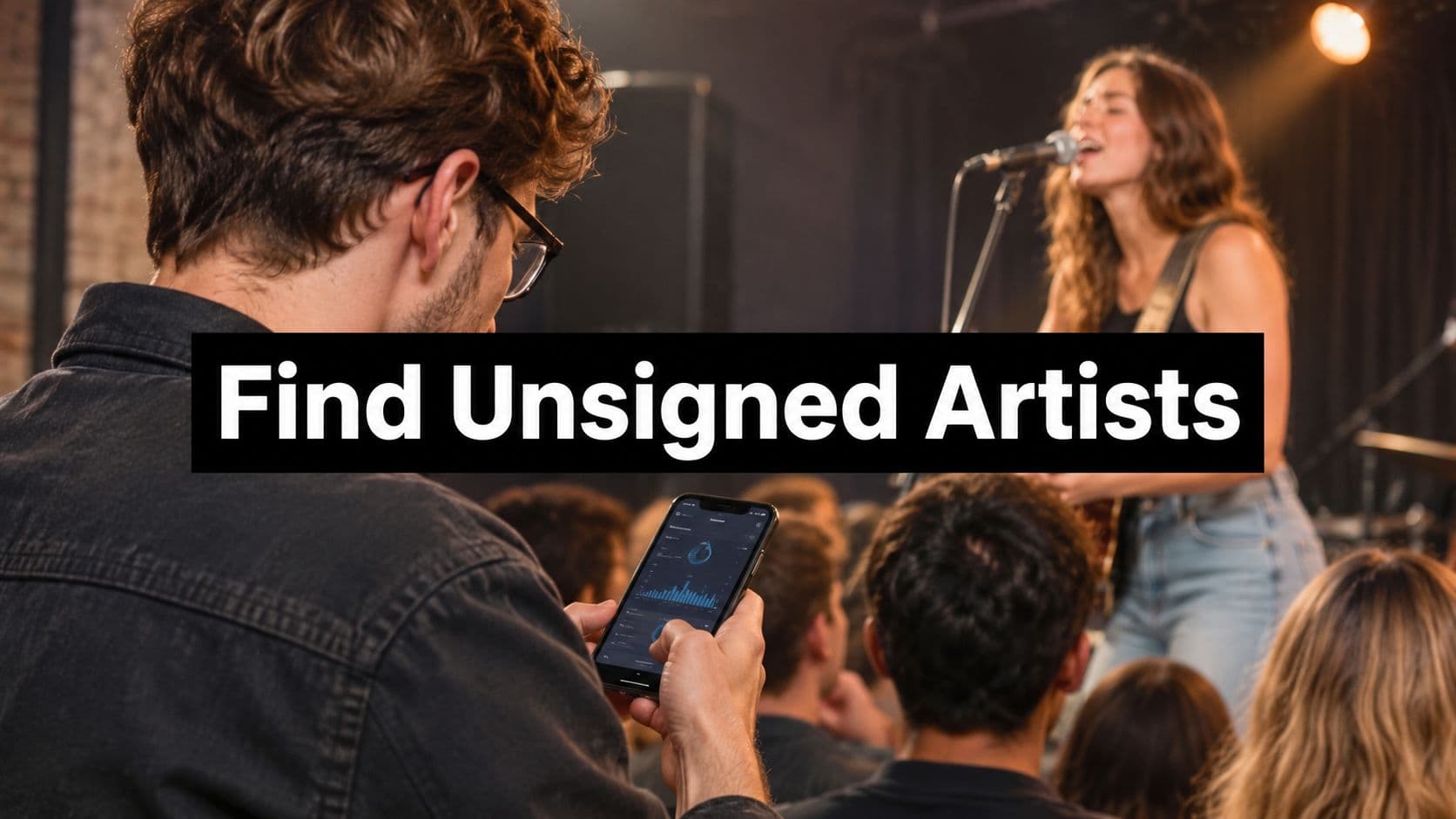
Start with the moment someone would recognize again, not necessarily the beginning of the chorus. It might be a vocal pickup, a bass entrance, or a lyric that gives a creator an obvious situation to film.
The competition is substantial: RouteNote's account of Chartmetric's 2025 report describes nearly 30,000 new releases per day tracked by Chartmetric. Posting a generic studio montage isn't much of a distinction.
Test the context, not just the clip
Before release, build different visual treatments around the same recognizable passage. A live performance can establish credibility; a lyric-led scene can explain the emotion; a production breakdown can attract musicians. Use a practical TikTok content creation guide if filming and editing are slowing you down.
For example, a producer releasing a tense electronic single could show the bass sound being built, perform it on hardware, and invite dancers to interpret the drop. Keep the audio identity consistent while changing the reason to watch.
Practical rule: Judge a teaser by whether people seek out the song, not merely whether they finish the video.
Once the release is live, direct viewers to the official audio and respond to people who use it. Ask permission before reposting creator work and agree on deliverables when paying collaborators.
The trade-off is workload. Sound-led seeding suits artists who can keep participating, but it becomes expensive distraction when every clip requires a separate production and nobody follows through to the music.
3. Surprise Drop

Surprise is an announcement choice, not an excuse to skip preparation. Deliver the music, verify rights and credits, test the destination, and prepare your messages privately. Only the audience should be surprised.
This works best when fans already pay attention to your newsletter, community, or shows. If you're struggling to reach people during a scheduled campaign, removing advance notice usually removes another opportunity to reach them.
- Before the reveal: Prepare artwork, a performance clip, a concise release description, and working purchase links.
- At the reveal: Announce through your most responsive channel before spreading the message elsewhere.
- After the reveal: Explain the song's story and follow with a performance, discussion, or behind-the-scenes piece.
A working use case is a band dropping a finished live-session single after fans repeatedly request that performance. The announcement answers an existing desire, rather than asking unfamiliar listeners to care because something happened unexpectedly.
Keep novelty separate from release volume
Luminate's 2025 year-end report records 106,000 daily ISRC deliveries to digital service providers in 2025, while U.S. on-demand audio streaming of current music fell 3.3% year over year in the first half of 2025. More available music doesn't automatically mean more attention for new releases.
The trade-off is lost runway. You sacrifice public teasing and some advance coverage opportunities, so keep the post-release campaign ready. Don't announce the next surprise while fans are still discovering this song.
4. Fan-First Early Access and Pay-What-You-Want Pricing
A committed supporter needs a different invitation from a casual listener. Early access gives that supporter a clear benefit: hear the complete song before public release, download a special package, or receive material that won't accompany the standard stream.
The distinction matters because discovery isn't the same as a customer relationship. In DIMA's 2025 streaming report, two out of three streamers say streaming services make them aware of new releases and help them explore an artist's broader catalog.
Make the offer easy to understand
For a singer-songwriter, a useful package might contain the finished single, a home-recorded demo, and a short note explaining a rewritten verse. Open access privately before the public launch, then keep the package available afterward for listeners who discover the song later.
- Define the purchase: State the file format, included material, and delivery method.
- Explain the pricing: If your storefront supports pay-what-you-want, distinguish the minimum payment from any suggested contribution.
- Keep the promise: Don't describe ordinary public content as exclusive or unexpectedly delay delivery.
Our fan information page explains how fans can join for free and access the music and exclusives artists choose to make available.
Early access should reward commitment, not make casual listeners feel punished for arriving later.
The trade-off is administration and expectation. Buyers may need download support, and supporters will notice if the promised bonus never appears. A straightforward fixed-price package is better than a complicated pricing experiment you can't maintain.
5. Remix and Stem Contests
A remix invitation gives producers a reason to spend time inside the song. That can be more meaningful than asking them to repost your announcement, but it also creates obligations around rights, judging, and release permissions.
Prepare the contest before announcing it, then open submissions after listeners have had a chance to recognize the original. Publish selected entries later as a distinct campaign moment rather than treating the contest launch as the finish line.
Longitudinal economic research published in the Journal of Empirical Legal Studies found that track sales volume falls to roughly 20% of its initial peak after a year. That finding concerns sales, not streaming, but it gives a practical reason to plan follow-up activity instead of relying entirely on launch.
Remove friction for collaborators
Provide clearly labeled stems aligned to the same starting point, plus tempo, key, a reference mix, and an explanation of permitted uses. If you use AI-assisted separation, check the resulting files carefully; this guide to remix any track using AI offers workflow context, not permission to reuse someone else's recording.
For example, a dance producer could supply an original vocal and music parts, invite genre reinterpretations, and negotiate an official release with selected entrants.
- Define permissions: Explain whether entrants may post publicly or monetize their versions.
- State the selection process: Publish the deadline, judging criteria, and promised recognition.
- Agree before distribution: Confirm credits, master ownership, splits, and approvals in writing.
The trade-off is coordination. Don't solicit substantial unpaid work under vague promises of exposure or an official release you haven't budgeted to deliver.
6. Limited-Edition Physical Single Release
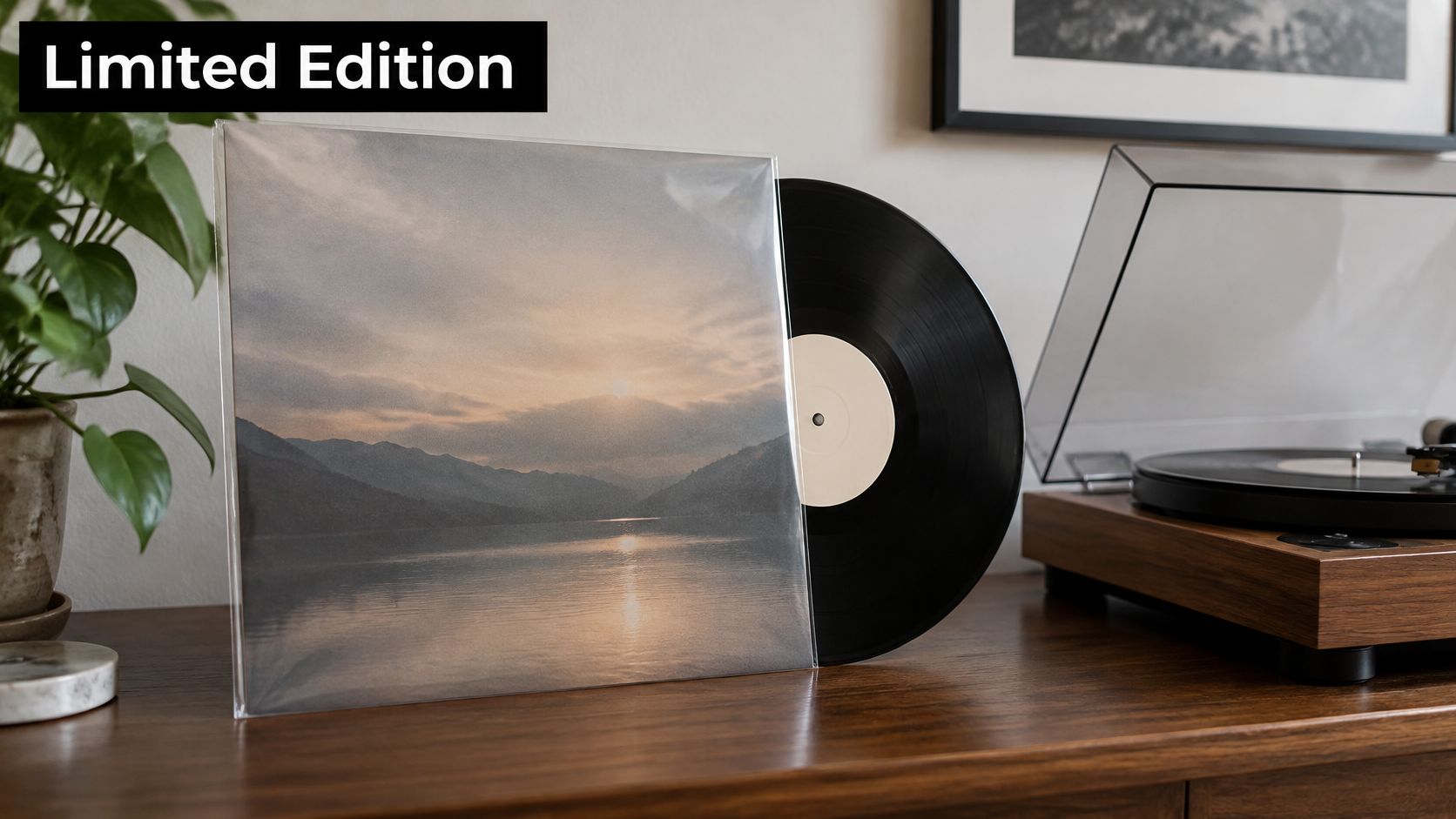
A physical single makes sense when fans want an object connected to the music. That's different from wanting another listening format. The sleeve, artwork, liner notes, and connection to a particular show can matter as much as the recording.
The format has long required commercial judgment. During the first half of 1998, U.S. albums generated $5.5 billion in sales compared with $205 million for singles, according to the Los Angeles Times. A standalone song can have promotional value without making every physical edition financially sensible.
Validate demand before manufacturing
Say a band's audience regularly buys illustrated posters at shows. A signed CD single with artwork from the same illustrator may fit those buyers better than an expensive vinyl pressing. Explore tour merch beyond logo T-shirts before assuming vinyl is the only collectible option.
Our marketplace follows a direct-selling process: sellers manage their own listings, pricing, and customer relationships.
- Cost the complete order: Include manufacturing, packaging, payment processing, postage materials, and replacement stock.
- Confirm the schedule: Base shipping promises on the manufacturer's confirmed production slot.
- Describe scarcity accurately: State whether the limitation applies to the pressing, artwork, or signed edition.
Budget test: If unsold copies would prevent you from funding the next recording, reduce the commitment.
You can announce a physical edition around release or introduce it later when demand becomes clearer. The trade-off is cash tied up in inventory, plus fulfillment work that continues long after the promotional posts stop.
7. Editorial and Playlist Pitching with a Release-Day Push
Curators need a clear reason your song belongs in their listening context. Tell them what it sounds like, who it serves, and what makes the release distinctive. A concise description of the arrangement and story is more useful than calling it your most exciting release yet.
Prepare the pitch before launch, using Spotify for Artists for eligible unreleased music and your distributor's available routes for other services. Don't assume every platform offers the same self-service process or submission requirements.
Pitch specifically, launch independently
For an alternative-soul single, describe the vocal style, instrumentation, mood, and relevant scene. Send independent curators a personal message that demonstrates familiarity with their programming rather than attaching a generic promotional biography.
- Make the assets usable: Check artist names, credits, lyrics, artwork, and the private listening destination.
- Coordinate the release: Have your email, social posts, performance content, and public links ready.
- Keep records: Log submissions, responses, placements, and any listener activity you can attribute to them.
Use our magazine alongside a working campaign document, but keep your submission status and follow-up notes in a spreadsheet you control.
A useful historical distinction comes from Billboard's account of its Hot 100 rule change: on December 5, 1998, songs no longer needed a commercially available physical single to qualify. Exposure and purchasing availability were becoming separate questions.
They're still separate campaign decisions. Playlist listeners need an accessible route to your profile, wider catalog, and direct relationship. Never build a budget around a placement you haven't secured, and avoid anyone selling guaranteed editorial inclusion.
How the seven single release strategies compare on lead time, audience needs, and trade-offs
| Item | Best For | Lead Time Needed | Existing Audience Needed | Main Trade-off |
|---|---|---|---|---|
| Pre-Save and Pre-Add Campaigns | Independent artists and bands releasing a single | 2–3 weeks before release | Some engaged fans help build saves | Saves do not guarantee streams |
| Short-Form Video Teaser and Sound-Led Seeding | Artists with catchy hooks, strong visuals, and content-creating fans | Consistent posting in the weeks before release | Helpful, especially for creator participation | Reach and virality are unpredictable |
| Surprise Drop | Established artists with loyal, active fans | Little or none publicly; prepare materials in advance | Strong existing audience needed | Can go unnoticed without a loyal fan base |
| Fan-First Early Access and Pay-What-You-Want Pricing | Artists with dedicated fans who value direct support | 24–72 hours of early access | Needed for meaningful early sales | Direct sales and tiers require careful management |
| Remix and Stem Contests | Artists with active producer communities | Allow 4–8 weeks for submissions | A producer or fan community is helpful | Submissions and licensing take time to manage |
| Limited-Edition Physical Single Release | Artists with a strong merchandise or collector audience | 6–8 weeks before shipping | Collector or merchandise audience needed | Manufacturing, inventory, and shipping costs |
| Editorial and Playlist Pitching with a Release-Day Push | Artists with a polished single and platform pitching access | At least 7 days before release; earlier is better | Helpful for release-day momentum | Playlist placement is competitive and not guaranteed |
Turning One Release Into a Repeatable System
A workable single release strategy connects these tactics without requiring you to run them all. Before release, prepare the master, credits, artwork, destination page, and campaign assets. Use pre-saves to capture existing interest and short-form clips to find an effective introduction to the song.
Submit editorial pitches while the track is still unreleased. On release day, coordinate your announcements around working links and a clear action. A surprise drop is an alternative to that public buildup, not an additional requirement.
Give the song a useful life after launch
After release, change the invitation instead of repeating the announcement. Someone who ignored the artwork might respond to a live performance. A listener who already loves the song may want a download package, while a producer may care more about the stems.
- For discovery: Track which clips, referrals, and placements bring people to the music.
- For relationships: Track permission-based signups, meaningful replies, follows, and returning listeners.
- For revenue: Track purchases, costs, fulfillment time, and what remains after expenses.
Keep the sequence appropriate to your audience. Early access belongs before the public release, but the paid package can remain available afterward. Remixes and physical editions can arrive later, provided there's interest and you can deliver them properly.
Don't compare every tactic by raw reach. A widely viewed teaser and a privately sold download package do different jobs. Compare each against its intended outcome, then examine whether listeners move from discovery toward repeat engagement or purchase.
If response weakens, inspect the campaign before scheduling another track. You may need a clearer hook, a better destination, or enough breathing room to finish promoting what's already available.
Choose a pair of tactics that fit your audience, assign dates and owners, and record the results. Put the next action on your calendar now, whether that's testing a teaser, preparing an early-access package, or checking manufacturing costs. Your next single should begin with better information, not just another release date.
OohYeah offers streaming, direct music purchases, merchandise, subscriptions, and fan messaging, so you can connect discovery with a concrete way to support your work. Visit OohYeah to build an artist presence and choose what fans can access or buy around your next single.