Top 10 Jobs Relating to Music for a Sustainable Career in 2026
Discover 10 lucrative jobs relating to music for artists and professionals. This guide breaks down salaries, skills, and how to start your music career.

March 1, 2026
Music Marketplace Advisor
Buying & SellingThe music industry has transformed. Gone are the days when a singular, linear path defined a career in sound; the old gatekeepers no longer hold all the keys. Today, a rich and varied ecosystem of roles offers sustainable, fulfilling careers for anyone passionate about music. This shift has created a wealth of opportunities, making it possible to build a professional life around your specific talents, whether they lie in creation, promotion, technology, or management. For those looking to find their place, understanding the available jobs relating to music is the first, most critical step.
This guide serves as a detailed roadmap for navigating the modern music business. We will explore a curated selection of essential roles, from the Independent Artist and Music Producer to the Playlist Curator and Merchandise Designer. For each position, we provide a clear breakdown of typical duties, required skills, and realistic income expectations. More importantly, we offer actionable advice on how to get started, build a compelling portfolio, and take the next concrete steps in your career journey.
Throughout this listicle, we will also demonstrate how creators can use platforms like OohYeah! to their direct advantage. By facilitating commission-free monetization, direct fan engagement, and networking opportunities, such tools are essential for building a durable and independent career. This article is designed to give you the specific, practical knowledge needed to not just enter the music industry, but to thrive within it on your own terms.
1. Independent Artist/Musician
This path is one of the most direct jobs relating to music, where creators write, perform, and distribute their work without a traditional record label. An independent artist acts as their own CEO, managing everything from production and marketing to distribution and fan engagement. This approach offers complete creative control and a significantly higher share of revenue, as seen with artists like Chance the Rapper, who famously won a Grammy without a label deal.
Key Responsibilities & Approach
Success as an independent artist requires a blend of artistic talent and business acumen. You are responsible for every aspect of your career.
- Production: Writing, recording, and mixing your music.
- Marketing: Building a brand, promoting releases on social media, and running ad campaigns.
- Distribution: Uploading music to streaming services and direct-to-fan platforms.
- Monetization: Selling music, merchandise, and tickets; securing performance fees.
The core of being an independent artist is building a direct relationship with your audience. Your community becomes your record label, your marketing team, and your most dedicated source of support.
Actionable Strategy for Monetization
To build a sustainable career, focus on diverse income streams. Platforms like OohYeah! are built to support this model by giving artists the tools to sell directly to their fanbase, commission-free.
- Bundle and Upsell: Don’t just sell a digital single. Bundle it with an exclusive T-shirt or a signed poster to increase the transaction value.
- Create Subscription Tiers: Offer exclusive access to demos, behind-the-scenes videos, or private Q&A sessions for a recurring monthly fee.
- Synchronized Releases: Launch new merchandise every time you drop a new single. This creates a promotional cycle where music drives merch sales and vice versa.
By treating your music as the centerpiece of a larger brand ecosystem, you can establish a durable and profitable career. To dig deeper into specific financial strategies, you can learn how independent artists make money from music and apply these principles directly to your career.
2. Music Producer
A music producer is a creative and technical leader in the music creation process, responsible for guiding an artist's vision from concept to a polished, final track. This role is one of the most essential jobs relating to music, as producers shape the overall sound, feel, and quality of a recording. They compose, arrange, and oversee studio sessions, blending artistic direction with technical skill. Producers like Dr. Dre and Timbaland built empires by not only crafting iconic sounds but also by developing artists and business models around their production.

Key Responsibilities & Approach
A successful producer is part-musician, part-engineer, and part-project manager. They are deeply involved in the creative direction while managing the technical execution of a project.
- Creative Direction: Working with artists to define a unique sound and arrangement.
- Technical Execution: Managing recording sessions, programming beats, and overseeing mixing/mastering.
- Project Management: Coordinating studio time, session musicians, and project budgets.
- Monetization: Selling beats, offering production services, and securing royalties.
The producer acts as the bridge between the artist’s raw idea and the listener’s final experience. Your sonic signature becomes your brand, and your ability to elevate an artist's work is your most valuable asset.
Actionable Strategy for Monetization
Modern producers can build a business by selling digital assets and services directly to a global market. Platforms like OohYeah! are designed for this, enabling producers to sell beat packs, templates, and services commission-free.
- Tiered Beat Offerings: Sell beat leases (non-exclusive), exclusive licenses, and custom-made tracks at different price points to cater to various artist budgets.
- Offer Production Packages: Bundle beat creation with mixing and mastering services for an all-in-one solution that provides more value and higher income.
- Create Educational Content: Document your production process in videos or tutorials. This not only builds credibility but can also be sold as a separate digital product.
By diversifying your offerings from simple beat sales to comprehensive production services, you can create a stable and scalable career. Understanding how production impacts a song's journey is crucial, and you can explore how quality production affects music success to better position your services.
3. DJ/Electronic Music Producer
This career path centers on creating, mixing, and performing electronic music. A DJ/Electronic Music Producer is both a musician and a performer, specializing in everything from original track production and remixing to live event curation. Modern producers act as their own brands, building empires through a combination of production skill, performance charisma, and direct fan engagement, as exemplified by artists like Calvin Harris and David Guetta who dominate both charts and festival stages.

Key Responsibilities & Approach
Success in this field demands technical proficiency in music software and a keen understanding of audience energy. You are responsible for both the studio creations and the live experience.
- Production: Crafting original tracks, creating remixes, and developing a signature sound.
- Performance: Curating and mixing sets for clubs, festivals, and online streams.
- Branding: Building a unique artist identity and promoting gigs and releases.
- Monetization: Selling original music, remixes, merchandise, and securing booking fees.
The core of being a successful DJ/Producer is creating a unique sonic identity. Your remixes and original productions become your calling card, while your live sets build a community around that sound.
Actionable Strategy for Monetization
To build a durable career, focus on creating multiple income streams from your productions and brand. A platform like OohYeah! is ideal for this model, allowing you to sell exclusive content and merchandise directly to fans without commission fees.
- Sell Exclusive Mixes: Offer premium, extended DJ mixes or exclusive track edits that fans can't find on streaming services.
- Bundle Releases: Package a new single with a limited-edition T-shirt or a custom USB drive containing bonus tracks and behind-the-scenes content.
- Offer Production Assets: Monetize your skills by selling curated sample packs, project files, or one-on-one production tutorials to aspiring producers.
By treating your DJ persona as a complete brand, you can convert your audience from casual listeners into dedicated supporters who invest in your entire creative output.
4. Music Manager/Artist Manager
This role is one of the most foundational business-oriented jobs relating to music, acting as the strategic partner and CEO for an artist's career. A music manager handles the business side of a musician's life, allowing the artist to focus on creating. They guide careers, negotiate contracts, and manage day-to-day operations. Examples range from Scooter Braun's work with global stars to Brian Epstein’s legendary guidance of The Beatles, showcasing how a manager can shape an artist's entire trajectory.
Key Responsibilities & Approach
A great manager blends business strategy with a deep understanding of the artist's vision. They are responsible for building and executing a long-term plan for career sustainability.
- Business Development: Securing contracts, sponsorships, and other commercial opportunities.
- Team Coordination: Assembling and managing a team of agents, publicists, and promoters.
- Financial Oversight: Managing budgets, tracking revenue, and ensuring the artist is profitable.
- Strategic Guidance: Advising on brand development, release timing, and tour planning.
The core of modern artist management is building a sustainable business model around the artist. A manager’s job is to see the bigger picture and connect the creative output to tangible revenue and career growth.
Actionable Strategy for Monetization
To maximize an artist's earning potential, a manager must be an expert in diverse income streams. This includes optimizing direct-to-fan platforms where artists keep a higher percentage of their revenue.
- Platform Specialization: Develop deep expertise in platforms like OohYeah! to educate artists on commission-free monetization. This provides a clear competitive advantage over managers reliant on traditional, commission-heavy models.
- Data-Driven Decisions: Track analytics across all platforms, from streaming services to social media and merchandise sales. Use this data to identify what resonates with the audience and optimize future revenue opportunities.
- Build Industry Relationships: Cultivate a strong network of venue owners, promoters, publicists, and booking agents. These relationships are critical for securing bookings, press coverage, and strategic partnerships that drive an artist's career forward.
By focusing on building a robust, multi-faceted business, a manager ensures the artist's career is not just creatively fulfilling but also financially durable.
5. Music Journalist/Blogger/Content Creator
This role involves creating written and multimedia content that covers music, artists, and industry trends. Music journalists, bloggers, and content creators produce reviews, interviews, news, and analysis for publications or their own platforms. They act as cultural curators, shaping public perception and driving discovery. Publications like Pitchfork and The FADER have built entire brands around their critical voices, demonstrating how powerful this one of many jobs relating to music can be.
Key Responsibilities & Approach
Success in this field requires a combination of strong writing skills, a deep knowledge of music, and an understanding of digital media. You are responsible for identifying compelling stories and presenting them to an audience.
- Content Creation: Writing reviews, conducting interviews, and producing video or audio features.
- Research & Discovery: Actively seeking out new artists and trends, often on independent platforms.
- Networking: Building relationships with artists, managers, and publicists for access and exclusives.
- Audience Engagement: Promoting content on social media and fostering a community around your work.
The core of modern music journalism is building trust and authority. Your unique perspective is your most valuable asset, turning your platform into a go-to source for music discovery and insightful commentary.
Actionable Strategy for Monetization
To build a sustainable career, focus on creating specialized content and diversifying your income. Platforms like OohYeah! are valuable resources, offering a direct line to emerging artists who need media coverage and are willing to engage with creators.
- Niche Down: Focus on a specific genre, scene, or topic (e.g., vinyl collecting, synth-pop history) to become an expert. This focused approach attracts a dedicated audience and makes you a valuable partner for relevant brands.
- Create Subscriber-Only Content: Offer exclusive interviews, early access to reviews, or in-depth analytical pieces to paying subscribers through platforms like Patreon or Substack.
- Develop Media Packages for Artists: Offer paid packages that include a guaranteed album review, an interview feature, and social media promotion. This provides a clear service for independent artists looking for exposure.
By treating your platform as a media business, you can create a viable career while championing the music and artists you are passionate about. You can start by discovering new talent to cover and reviewing music on the OohYeah! platform to build your portfolio and connect directly with creators.
6. Music Promotion Specialist/Marketing Manager
This role is one of the most critical jobs relating to music for artists who want to cut through the noise. A promotion specialist develops and executes marketing strategies to build an artist's brand, grow their audience, and drive streams and sales. These professionals are the engine behind a successful release, managing everything from social media presence and playlist pitching to influencer collaborations and advertising campaigns.
Key Responsibilities & Approach
A great music marketer combines data analysis with creative storytelling. Their primary goal is to connect an artist's music with the right listeners at the right time.
- Strategy Development: Creating a comprehensive marketing plan for a single, EP, or album launch, including timelines and budget allocation.
- Digital Campaigning: Running targeted ads on social media, pitching to Spotify and Apple Music playlist curators, and securing features on music blogs.
- Content Coordination: Planning and executing content for platforms like TikTok, Instagram Reels, and YouTube Shorts to spark virality.
- Analytics and Reporting: Tracking key metrics like stream counts, follower growth, and engagement to measure ROI and refine future campaigns.
A Music Promotion Specialist doesn't just sell a song; they build a narrative. They turn listeners into fans by creating moments of discovery and connection that feel authentic and exciting.
Actionable Strategy for Monetization
As a marketing specialist, your value lies in delivering measurable results. You can structure your services to cater to artists at different career stages, using platforms like OohYeah! as a central hub for campaign activities.
- Offer Tiered Service Packages: Create packages for different needs, such as a "Single Launch" package focused on playlist pitching or a "Brand Builder" retainer for ongoing social media management and content strategy.
- Focus on Organic Growth: Prioritize community-building tactics. Advise artists on how to use direct-to-fan tools on OohYeah! to offer exclusive content, building a core group of superfans who will champion new releases.
- Integrate Music & Merch Campaigns: Align promotional pushes with merchandise drops. For example, run a TikTok campaign driving traffic to a new song and a limited-edition T-shirt bundle available exclusively on the artist's OohYeah! store.
By demonstrating a clear ability to grow an artist's audience and revenue, you can establish a reputation as an indispensable partner. To get started, you can learn how to promote your music on TikTok and other short-form platforms to master one of the most vital modern skills.
7. Sound Engineer/Audio Mixing & Mastering Specialist
This technical role is one of the most critical jobs relating to music, ensuring that a track sounds polished, professional, and ready for broadcast. Sound engineers are the experts behind the scenes who record, mix, and master audio to meet industry standards. Independent engineers can build a strong career by selling their services directly to artists who need professional sound quality but may not have access to a major studio.

Key Responsibilities & Approach
An engineer’s work bridges the gap between raw recordings and a final, commercially viable product. They must possess a sharp technical ear and an understanding of both the creative vision and the physics of sound.
- Recording: Capturing high-quality audio from instruments and vocals in a studio or live setting.
- Mixing: Balancing levels, panning, equalization, and effects to create a cohesive and dynamic soundscape.
- Mastering: Applying final touches to the mixed track to optimize it for playback across all systems, from earbuds to club speakers.
- Client Consultation: Communicating with artists to understand their vision and provide revisions.
A great sound engineer doesn't just make a song louder; they reveal its emotional core. They are the final gatekeepers of quality, ensuring an artist's vision is translated perfectly to the listener's ears.
Actionable Strategy for Monetization
For freelance engineers, creating clear and attractive service packages is key. Platforms like OohYeah! allow you to present your services professionally, handle payments, and communicate directly with clients.
- Create Service Packages: Don’t just offer "mixing." Structure your services into tiers like "Basic Mix & Master" for demos, "Stem Mastering," or "Full Production with Unlimited Revisions" for serious releases.
- Build a Strong Portfolio: Your portfolio is your primary marketing tool. Create a "before and after" reel showcasing your ability to transform a rough mix into a polished master.
- Specialize in a Niche: Become the go-to engineer for a specific genre, such as lo-fi hip-hop, metal, or cinematic folk. This targeted approach helps you attract artists looking for a specialist who understands their sound.
By productizing your skills and building a reputation for a specific style, you can establish a steady flow of clients and create a sustainable business around your technical expertise.
8. Merchandise Designer/Producer
This role is one of the most visually impactful jobs relating to music, where creative professionals design and produce branded items that connect an artist's identity to their fanbase. A merchandise designer translates a musician's sonic brand into tangible products like apparel, accessories, and physical media. They are the architects behind the iconic tour shirts and limited-edition vinyl that fans cherish, turning listeners into a walking community. This role has been elevated by artists like Tyler, The Creator with his Golf Wang line and The Weeknd’s XO brand, which function as standalone fashion entities.
Key Responsibilities & Approach
A successful merchandise designer blends graphic design skill with a deep understanding of an artist's brand and audience. They are responsible for the entire product lifecycle, from concept to customer.
- Design: Creating visual concepts that reflect the artist's aesthetic for apparel, posters, and other items.
- Sourcing: Finding reliable manufacturers or print-on-demand services for production.
- Production: Managing inventory, quality control, and the creation of the physical goods.
- Strategy: Planning merchandise drops to coincide with album releases or tours for maximum impact.
Merchandise is no longer just a souvenir; it's a core component of an artist's brand ecosystem. A great design doesn't just sell a T-shirt, it sells a piece of the artist's world.
Actionable Strategy for Monetization
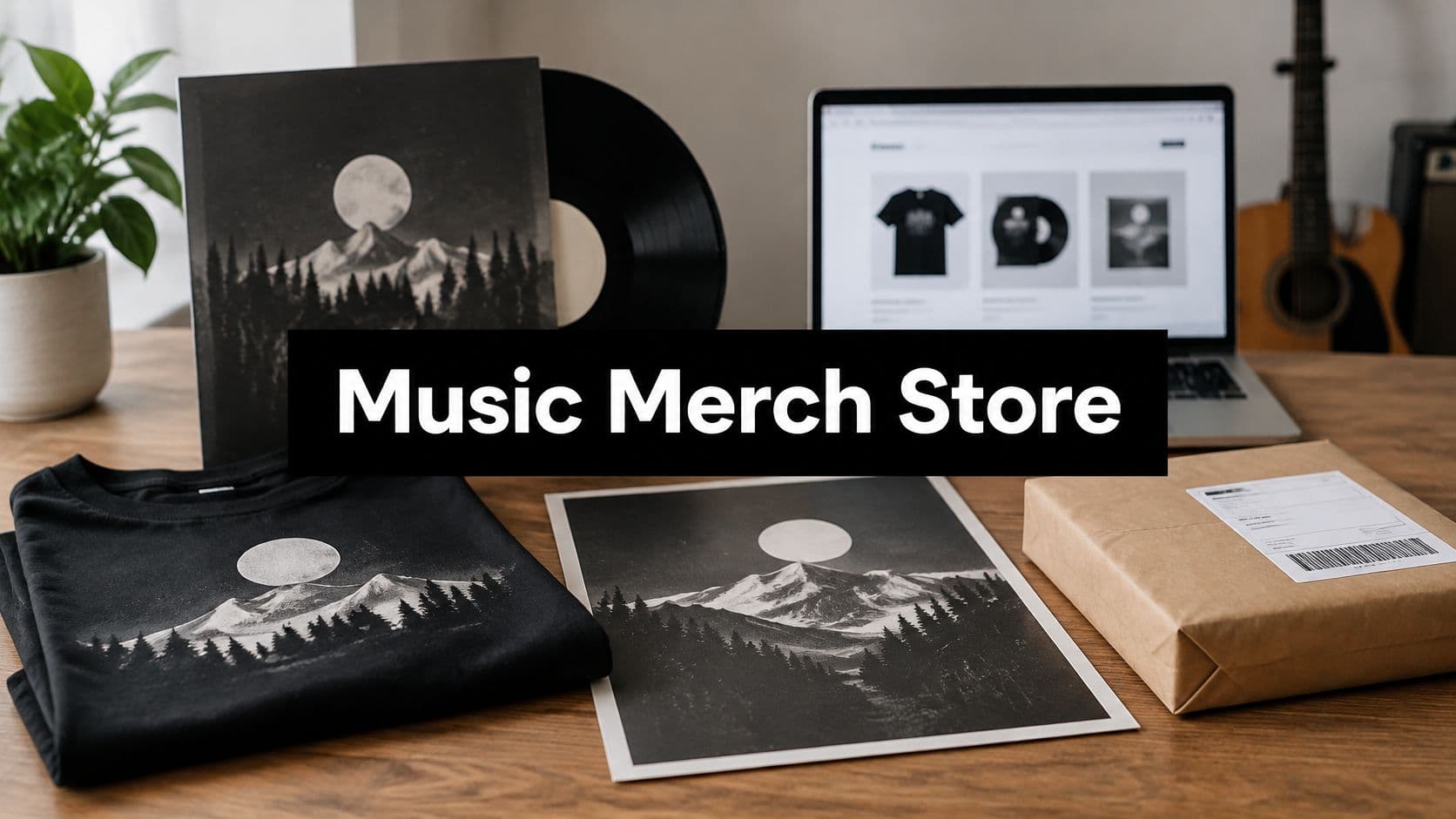
To turn merchandise into a significant income source, focus on strategic releases and direct-to-fan sales. Platforms like OohYeah! are built for this, providing a commission-free marketplace where artists and designers can sell directly and keep 100% of the profits.
- Create Scarcity: Release limited-edition items or timed drops to create urgency and drive immediate sales, a tactic mastered by artists like Travis Scott.
- Bundle with Music: Pair a new hoodie with a digital album download or offer an exclusive T-shirt with a vinyl pre-order. This increases the value of both the music and the merchandise.
- Use Print-on-Demand: Start with low-risk inventory management using print-on-demand services. This allows you to test designs and products without a large upfront investment.
By treating merchandise as a creative extension of the music, designers can build a profitable business for themselves and the artists they represent. To explore how to set up your own direct-to-fan storefront, you can learn how OohYeah! empowers creators with a commission-free marketplace and apply these principles to your designs.
9. Music Event Promoter/Venue Coordinator
This role is one of the most vital jobs relating to music, acting as the engine behind the live music scene. Promoters and coordinators are the professionals who organize, advertise, and manage every detail of a live event, from intimate venue gigs to large-scale festivals. They secure the venue, book the talent, market the show, and ensure everything runs smoothly on the day. Their success is measured by ticket sales, audience satisfaction, and the event's overall profitability, as seen with industry giants like Live Nation or the cultural impact of festivals like Coachella and SXSW.
Key Responsibilities & Approach
A great promoter blends logistical expertise with a deep understanding of music culture and audience building. They are responsible for turning an idea into a memorable live experience.
- Booking & Logistics: Securing artists and venues, negotiating contracts, and managing schedules.
- Marketing & Promotion: Creating promotional materials, running ad campaigns, and using social media to generate buzz and sell tickets.
- Event Management: Overseeing ticketing, security, staffing, and on-site operations.
- Financial Oversight: Budgeting costs, setting ticket prices, and managing revenue from sales and sponsorships.
A promoter's true skill lies in creating an event that feels like a community gathering. You aren't just selling tickets; you are building a reputation and a loyal audience that will trust your curation for future shows.
Actionable Strategy for Monetization
To build a successful promotion business, focus on creating direct engagement and maximizing revenue per event. Platforms like OohYeah! are designed for this, allowing promoters to manage ticketing and promotion directly to an artist's established fanbase.
- Start Small and Build: Begin with smaller, intimate shows to build your reputation and understand your local market before scaling up. This minimizes financial risk.
- Integrate Merchandise: Partner with artists to launch event-exclusive merchandise. Use the platform to bundle a T-shirt with a ticket or offer a special poster for early-bird buyers.
- Create Recurring Events: Develop a weekly or monthly event series, like a local artist showcase. This builds a predictable audience and consistent revenue stream, making it a cornerstone of your business.
By treating each concert as a unique brand experience, you can cultivate a dedicated following and establish a profitable career in live music promotion.
10. Music Streaming Playlist Curator/Influencer
Among the newer jobs relating to music, playlist curation has become a powerful force in music discovery. Curators and influencers create and manage playlists on platforms like Spotify, Apple Music, and YouTube, building dedicated followings around their specific tastes and niches. These individuals act as modern-day A&R representatives, with the power to break new artists and drive listening trends, as seen with influential YouTube channels like COLORS or curators on Spotify who have millions of followers.
Key Responsibilities & Approach
A successful curator combines a deep love for music with a keen understanding of audience engagement. They are tastemakers who guide listeners through the immense catalog of available music, establishing trust and authority.
- Curation: Discovering new music, organizing tracks into cohesive playlists, and maintaining them with fresh content.
- Audience Building: Promoting playlists on social media, collaborating with other curators, and engaging with followers to build a community.
- Monetization: Securing playlist placements, sponsored content from labels or artists, and offering premium content.
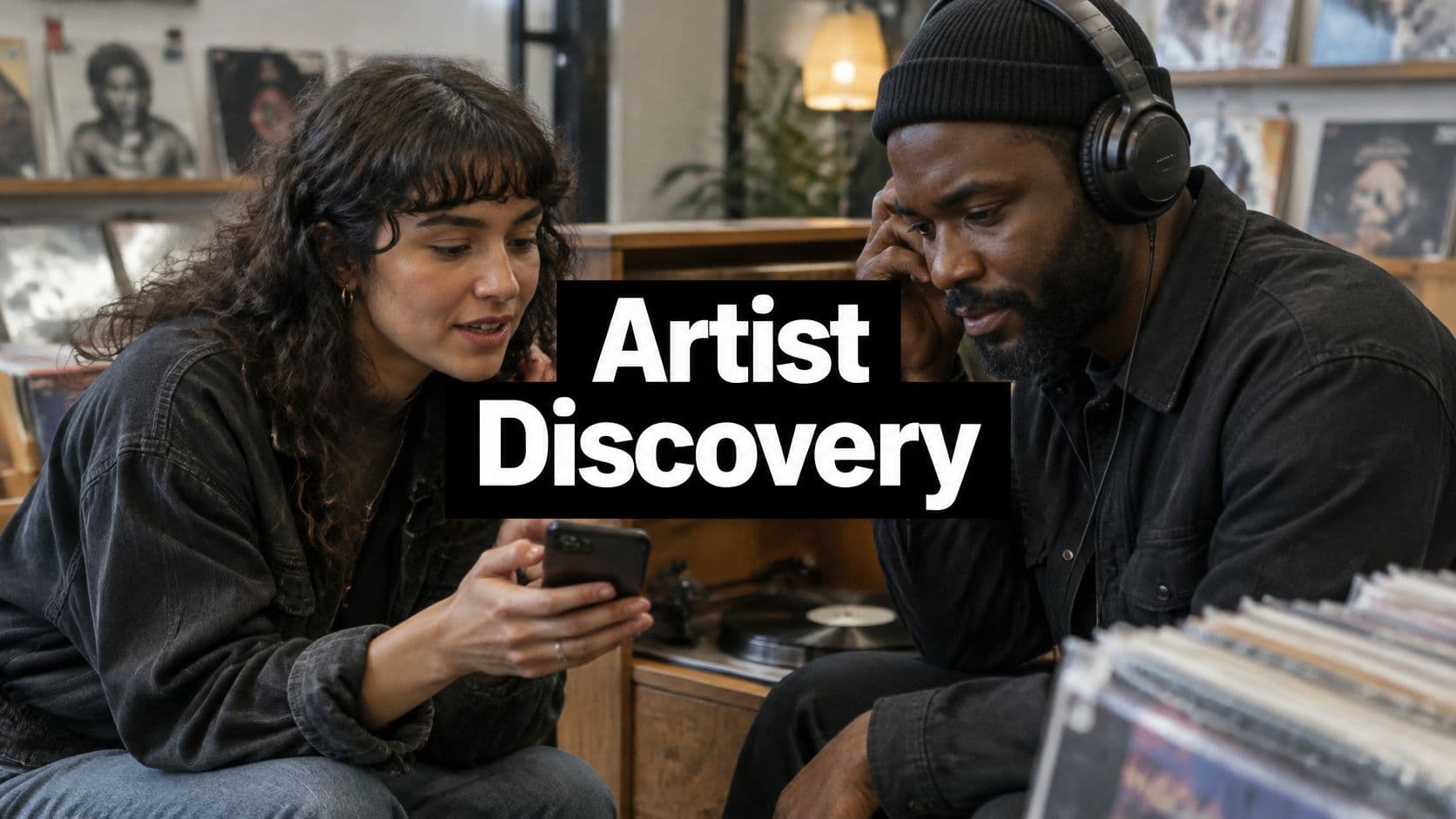
- Artist Discovery: Actively seeking out emerging talent on platforms like OohYeah! to find undiscovered gems before they become mainstream.
A great curator doesn't just compile songs; they craft an experience. Your playlist becomes a trusted brand, a go-to source that listeners rely on for a specific mood, genre, or activity.
Actionable Strategy for Monetization
To turn a passion for curation into a career, focus on building influence and creating value that can be monetized. Your authority as a tastemaker is your primary asset, and platforms like OohYeah! can connect you directly with artists looking for exposure.
- Develop a Niche: Instead of a generic "Top Hits" playlist, focus on a specific subgenre or mood, like "Late Night Lo-Fi for Coding" or "Modern Psychedelic Rock." A strong niche attracts a more dedicated audience.
- Offer Premium Access: Use a direct-to-fan platform to offer exclusive playlists, early access to new curations, or detailed write-ups about your track selections for a monthly subscription fee.
- Partner with Artists: Collaborate directly with independent artists for sponsored placements or exclusive premieres. This provides artists with targeted exposure and gives your followers unique content. On a platform like OohYeah!, you can discover and connect with these artists efficiently.
Careers in Music: 10-Role Comparison
| Role | 🔄 Implementation Complexity | ⚡ Resource Requirements | 📊 Expected Outcomes (⭐) | Ideal Use Cases | 💡 Key Advantages |
|---|---|---|---|---|---|
| Independent Artist / Musician | High — manages production, marketing, distribution | Moderate equipment; platform management; significant time investment | Variable income; direct-to-fan sales and strong fan loyalty ⭐⭐⭐ | Self-releases, niche audience building, merchandise bundles | Full creative control; retain revenue; analytics-driven fan strategies |
| Music Producer | High — creative direction plus technical production | High—studio gear, DAW, plugins; possible team costs | Royalties, credits, project fees; scalable with placements ⭐⭐⭐⭐ | Beat sales, production services, cross-artist collaboration | Recurring royalties; sell packs/templates; portfolio growth |
| DJ / Electronic Music Producer | High — production plus live performance logistics | Medium–high—DJ hardware, software, travel and promo costs | Performance fees + sales; trend-sensitive but high upside ⭐⭐⭐ | Club/festival bookings, remix releases, exclusive mixes | Multiple revenue streams (gigs, packs, remixes); strong live monetization |
| Music Manager / Artist Manager | High — strategic planning, negotiation, coordination | Low hardware; high relational and industry knowledge needs | Commission-based recurring income tied to artist success ⭐⭐⭐ | Career development, contract negotiation, tour coordination | Scale across artists; industry access; long-term revenue aligned with artist growth |
| Music Journalist / Blogger / Content Creator | Medium — research, writing, and audience building | Low—laptop and recording tools; time-intensive content creation | Influence on discovery; sponsorships/subscriptions possible ⭐⭐ | Reviews, interviews, spotlighting independent artists | Drives exposure; builds press relationships and niche authority |
| Music Promotion Specialist / Marketing Manager | Medium–High — campaign design and analytics | Moderate—ad budgets, tools, content production resources | Measurable audience growth and ROI; results-dependent ⭐⭐⭐ | Release promos, playlist/influencer campaigns, social growth | Data-driven impact; retainer or project revenue; multiplatform reach |
| Sound Engineer / Mixing & Mastering Specialist | High — technical skill and precise workflow | High—monitors, acoustics, plugins; trained ear and time | Professional sound quality; per-project fees and repeat clients ⭐⭐⭐⭐ | Mixing/mastering for releases, audio polish for streaming | Highly specialized demand; tiered service packages and premium pricing |
| Merchandise Designer / Producer | Low–Medium — design plus fulfillment logistics | Low with POD; higher if inventory-held; design tools required | Steady complementary revenue; brand reinforcement ⭐⭐ | Album drops, limited-edition merch, fan bundles | High margins with POD; enhances artist branding and repeat sales |
| Music Event Promoter / Venue Coordinator | High — logistics, risk management, marketing | High—venue costs, staffing, promotion budgets and partnerships | Large but variable event revenue; strong community impact ⭐⭐⭐ | Concerts, festivals, listening parties, local showcases | Multiple income streams per event; builds live-audience loyalty |
| Music Streaming Playlist Curator / Influencer | Medium — curation and community engagement | Low—platform access and content creation time | Influence on discovery; sponsorships with scale ⭐⭐–⭐⭐⭐ | Discovery playlists, artist premieres, niche genre hubs | Low entry cost; niche authority; direct artist relationships |
Composing Your Career Path in the Music Industry
As we’ve explored, the world of music careers extends far beyond the spotlight on stage. From the technical precision of a sound engineer to the strategic vision of an artist manager, the number of professional jobs relating to music is vast and varied. Each role we’ve detailed, whether you're a DJ, a merchandise designer, or a playlist curator, represents a vital piece of the industry's complex and exciting machinery.
The common thread connecting these diverse professions is the powerful combination of passion and strategic action. Success is no longer solely dictated by gatekeepers or major labels. Instead, it is built on a foundation of specific skills, a well-crafted portfolio, and the ability to connect directly with an audience. This direct connection is the cornerstone of the modern music business, empowering individuals in every role to build sustainable livelihoods.
Charting Your Course: Actionable Next Steps
The path from aspiration to profession requires a clear plan. Merely dreaming of a job in music isn't enough; you must actively build toward it. Here are the core takeaways to guide your journey:
- Identify Your Niche: Reflect on the roles discussed. Which one truly aligns with your unique skills, personality, and long-term goals? Are you a natural promoter, a meticulous audio technician, or a creative visionary? Honesty in this self-assessment is your most valuable starting point.
- Build Your Portfolio Relentlessly: A portfolio is your professional currency. For producers, this means a catalog of beats and finished tracks. For journalists, it's a collection of published articles and interviews. For merchandise designers, it's a lookbook of your best designs. Start creating today, even on a small scale, to build a body of work that proves your capability.
- Network with Purpose: Your network is your support system and opportunity generator. Attend local shows, participate in online forums, and connect with peers and mentors on professional platforms. Building genuine relationships is more effective than simply collecting contacts.
- Embrace the Business Mindset: Every role, from the creative to the technical, has a business component. Understand your market, learn to price your services, and master the art of self-promotion. Treating your passion as a profession is essential for long-term financial stability and growth.
For many, navigating the initial stages of a career change or specialization can be daunting. As you compose your career path in the music industry, consider if working with a career coach could provide valuable guidance and a structured approach to achieving your professional goals.
Defining Success on Your Own Terms
Ultimately, the most rewarding aspect of pursuing one of these jobs relating to music is the ability to define what success means to you. It might be the financial freedom to create full-time, the cultural impact of promoting new artists, or the personal satisfaction of mastering a complex craft. The tools and platforms available today put that power directly into your hands. By choosing a path, honing your skills, and strategically engaging with your audience, you are not just finding a job; you are composing a career that resonates with your deepest passions. The symphony of the music industry is vast, and there is a place for your unique contribution.
Ready to take control of your music career? OohYeah provides the direct-to-creator tools you need to monetize your work, from selling exclusive content and merchandise commission-free to building a loyal fanbase. Explore how OohYeah can help you build a sustainable and independent career in music today.