10 Top Sites for Instrumental Rap Beats Free (2026)
Find quality instrumental rap beats free for your next project. Our 2026 list details 10 sources, explains licenses, and guides you on using them safely.
June 3, 2026
Music Marketplace Advisor
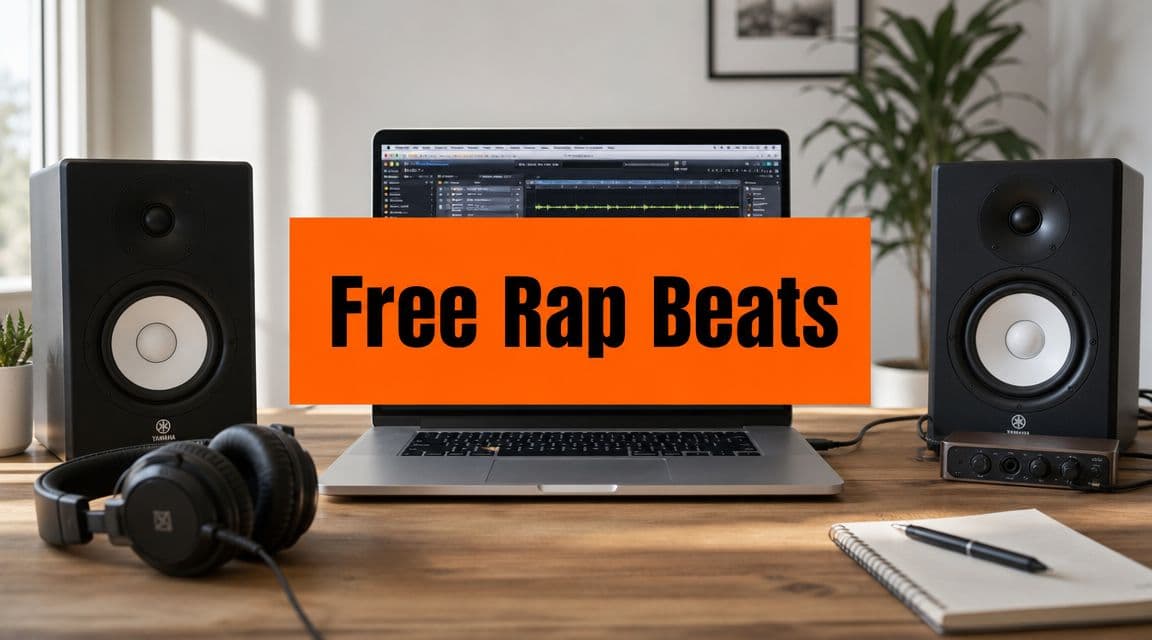
Buying & SellingYou've got lyrics in your notes app, a hook you keep replaying in your head, and enough energy to cut a demo tonight. Then you hit the same wall most new artists hit. Finding rap beats free is easy. Finding beats you can use without getting flagged, muted, or blocked later is the hard part.
That's the gap most roundups miss. They give you a list of sites, but they don't explain what “free” means after the download. Some tracks are free for practice. Some are free for YouTube videos with attribution. Some are free only until you monetize, distribute to Spotify, or upload into a platform that checks rights. If you skip that part, you can build a whole song on the wrong beat.
The good news is that there's real supply here. One producer page openly advertises 200+ free rap beats for non-commercial use, with paid licensing for commercial use, which tells you a lot about how this market works. Free beats are often the top of the funnel, not the end of the deal.
For artists, that's not a bad thing. It means you can test flows, cut rough demos, and find your sound without paying upfront. It also means you need to separate broad-use libraries from free-for-non-commercial beat stores before you upload anything to OohYeah, YouTube, Spotify, or Apple Music.
1. YouTube Audio Library (in YouTube Studio)
If your main goal is video content, YouTube Audio Library is one of the safest starting points. It sits inside YouTube Studio, so you're not hunting through random producer pages or trying to decode vague captions under a beat upload. You can filter by genre, mood, duration, and attribution requirements, which makes it easy to narrow into Hip-Hop/Rap or Trap.
That built-in workflow matters. When a track lives inside YouTube's own ecosystem, it's easier to keep your process clean. You preview, download, save the track title, and check the usage note before publishing.

Where It Works Best
Use this when you need background music for YouTube content, freestyles filmed for your channel, promo clips, lyric videos, or short-form edits. It's less ideal if you're looking for a signature “type beat” for a commercial single.
What I like here is the paperwork is usually cleaner than on open marketplaces. You can keep screenshots of the library entry and the license note on download day.
- Strong fit for video creators: The YouTube Audio Library help page explains the system and the per-track usage notes.
- Easy to organize proof: Track pages make it easier to document attribution needs and license status.
- Weak fit for wide music distribution: Some tracks may be straightforward for YouTube but less clear for music-first releases outside that environment.
Practical rule: If you're planning a song release, don't assume a beat that's safe for a YouTube video is automatically safe for DSP distribution.
The trade-off is simple. It's organized and reliable for creator workflows, but it won't replace a proper commercial beat license if you're building an official rap release.
2. Free Music Archive (Hip-Hop Beats)
Free Music Archive is one of the better places to learn the difference between “free download” and “free use.” Its Hip-Hop Beats category is useful because the licensing is attached to the music itself, not buried in a producer bio or left to a DM conversation.
That makes it good for artists who are willing to read. If you won't check a Creative Commons license, skip this platform. If you will, it can be one of the most transparent sources in the list.

The Real Licensing Advantage
The Free Music Archive Hip-Hop Beats section says its catalog is free to download and use and frames the offering around independent producers and musicians around the globe. That broad supply is valuable, but the important detail is that licenses vary by track.
Some tracks may allow reuse with attribution. Others may block commercial use. Others may add share-alike requirements that newer artists often overlook.
- Best for artists who read terms carefully: The track-level license metadata is the whole point.
- Good for off-mainstream styles: You'll find more niche and underground textures than you usually get from type-beat marketplaces.
- Not for rushed releases: If you're in a hurry, you can misread a CC license and create a rights problem for yourself.
Free Music Archive rewards careful artists. It punishes lazy ones.
If you record over a track from here, save the license page, save the track page, and note the exact license version. Don't rely on memory later when a distributor or platform asks questions.
3. BeatStars – Free Hip-Hop Beats
BeatStars is where a lot of artists start, and for good reason. If you want current-sounding type beats, fast search, and a direct path from test download to paid license, it's hard to beat.
It's also where a lot of artists get confused. On BeatStars, free usually means demo use, idea testing, or non-commercial use unless the producer states otherwise. That doesn't make the platform risky. It just means you need to treat the free download as a draft tool, not an automatic release asset.

What Actually Happens With Free Downloads
BeatStars track pages usually give you useful music details like BPM, key, license tiers, and sometimes stems. That's great for writing. You can test whether your cadence fits before you spend money.
The catch is the free file often includes producer tags, usage limits, or both. If you cut a strong record on a free version, plan on upgrading.
- Best use case: Writing sessions, demo vocals, freestyle videos, rough cuts.
- Commercial path is clear: The BeatStars free hip-hop beats page leads naturally into paid licensing when a song is worth finishing.
- Common mistake: Artists release the tagged free MP3, then act surprised when they hit rights friction.
From a producer's side, this model makes sense. “Free” gets the beat into your session. The paid license clears the actual use.
4. SoundClick – Free Beats
SoundClick still matters because it has depth. You won't get the slickest interface on this list, but you will find a long tail of independent producers, older catalogs, and niche hip-hop beats that newer marketplaces often bury.
That makes it a good digger's platform. If you only want the latest polished trap template, there are faster options. If you want to hunt for odd pockets, boom-bap joints, and overlooked beats, SoundClick is still useful.
Why Old Platforms Still Win Sometimes
SoundClick's producer-store model is straightforward. Many pages offer a free test MP3, then sell the license if you want actual release rights. That old-school setup is less glamorous, but it's honest.
The SoundClick free beats page is worth checking if you like discovering directly from indie producers instead of browsing a heavily optimized marketplace feed.
- Big upside: You can find beats that don't sound cloned from the same reference pack.
- Big downside: License quality and page clarity depend on the uploader.
- Best habit: Read the track page, then read the producer's store terms before you record anything final.
A practical note. SoundClick is one of those sites where artists get rewarded for patience. Spend extra time verifying the exact use permission before you do a proper mix.
5. Pixabay Music – Hip-Hop
Pixabay Music works differently from beat marketplaces. It's closer to a stock-music library than a producer licensing funnel, which makes it useful for content creators and less ideal for artists chasing exclusive identity.
If you need rap beats without vocals free for reels, podcasts, social clips, promo edits, or visual content around your music, Pixabay can be efficient. If you're trying to build a flagship single, it's usually too broad and generic compared with a proper producer relationship.

Best Use Cases for Artists
The Pixabay hip-hop music collection is easy to search and easy to download. That simplicity is the appeal. You don't have to negotiate with a producer just to score a behind-the-scenes clip.
Still, stock-music simplicity doesn't remove responsibility. Community-uploaded catalogs can change, and broad licenses still have boundaries.
- Good for supporting content: Trailer edits, snippets, background use, creator marketing.
- Less ideal for artist branding: The track may work, but it may not feel like your beat.
- Smart move: Archive the file name, license page, and date downloaded.
This is one of the cleaner options if your goal is promotion around the music, not necessarily the official music release itself.
6. Mixkit – Free Hip-Hop Stock Music
Mixkit is a polished option for creators who want fast access to production-ready hip-hop beats without getting lost in beat-store upsells. It's curated, so you won't see the same volume as an open marketplace, but the catalog feels tighter.
That curation is the reason to use it. Less clutter. Less bait-and-switch. Better if you need a solid beat under a visual project today.

Better for Content Than for Identity
The Mixkit hip-hop stock music collection is simple to browse and doesn't ask much from you to get started. That's great when you need music for promos, podcasts, recap videos, or brand content around an artist release.
The trade-off is range. You won't get the same endless stream of artist-specific “type beat” variations you'll find on BeatStars or Rapchat.
Don't confuse polished stock music with a beat that was built for your record. Those are different tools.
- Strong fit: Visual campaigns, podcast beds, social ads, event promos.
- Weak fit: Artists looking for a beat that feels custom to their voice.
- Licensing edge: Mixkit is more straightforward than producer marketplaces for broad creator use.
If your plan is to post content regularly and keep rights friction low, Mixkit does that well.
7. ccMixter
ccMixter is for artists who like to tinker. It's less about polished marketplace shopping and more about digging through a Creative Commons ecosystem where stems, loops, and finished tracks can all be part of the workflow.
That makes it strong for remix-minded rappers and producer-rappers. It's less convenient if you just want a finished commercial beat by tonight.

Good for Builders, Not Just Browsers
The ccMixter search page lets you filter by license and dig through reusable material. That licensing transparency is the selling point. You can often see quickly whether a track is attribution-based, non-commercial, or otherwise restricted.
The downside is obvious. You have to do more work, both creatively and legally.
- Best for: Remix projects, experimental releases, DIY artists who understand attribution.
- Watch for: Non-commercial tags and attribution requirements.
- Bonus: Stems and loops can help you make a beat more personal instead of rapping over a static file.
If you're serious about rights literacy, ccMixter is a good training ground. It teaches you to inspect the license before you fall in love with the audio.
8. Uppbeat (Free plan)
Uppbeat is built for creators who care about platform-safe workflows. That matters because a lot of artists first discover a beat through content, not through a DSP release. If your funnel starts on YouTube, shorts, or social video, Uppbeat makes more sense than a random free MP3 page.
Its free plan isn't unlimited, so you won't treat it like an endless crate. That's useful. It forces more intentional downloads.
A Good Choice for Release Support Content
The Uppbeat user agreement explains the framework behind its free and paid usage. The practical value is that the platform is built around creator-platform use, including the crediting and handling process that reduces confusion later.
That's different from grabbing a “free beat” off a social post and hoping the uploader meant what you think they meant.
- Best fit: Artist vlogs, promo edits, lyric visuals, social support content.
- Main limitation: The free tier has download limits.
- Important habit: Follow the platform's crediting and usage steps exactly.
If your strategy includes a lot of content wrapped around a song release, Uppbeat can be more useful than a pure beat marketplace.
9. Rapchat – Free Beats to Record Over
Rapchat is one of the fastest places to test an idea. Open the app, search a style, record, and hear whether the verse works. For speed, it's excellent.
But speed creates false confidence. Recording over a beat in an app isn't the same thing as owning release rights to that beat.

Great for Writing, Not Automatic for Monetizing
The Rapchat beats page is designed for discovery and fast recording. That's why newer artists love it. You can go from blank page to rough song quickly, especially if mobile is your main setup.
The licensing distinction is the important part. Free recording access usually supports creation and sharing inside the ecosystem better than commercial distribution outside it.
If a platform helps you record fast, stop and ask a separate question. Can I distribute this track for money?
- Use it for: Freestyles, hook tests, writing sessions, community feedback.
- Don't assume: App access equals Spotify, Apple Music, or monetized upload clearance.
- Best path: Validate the idea there, then secure the correct license before release.
For artists who write by momentum, Rapchat is strong. For final rights, you still need to slow down.
10. Flocabulary – Free Rap Instrumentals
Flocabulary is the most specialized entry here. It isn't trying to be a broad beat marketplace. It offers classroom-friendly rap beats that work well for practice, workshops, writing drills, and school projects.
That narrower focus is exactly why some artists should use it. If you coach young rappers, run cyphers, teach writing, or want clean beats for structured practice, Flocabulary fits.

Better for Practice Than Release Planning
The Flocabulary instrumentals page keeps things simple. You can get into a writing session without dealing with the noise of a commercial beat store.
That same simplicity is why you shouldn't assume broad release rights. Education-oriented platforms usually prioritize use in educational contexts, not official commercial releases.
- Best use case: Workshops, school settings, practice verses, cipher exercises.
- Main limitation: It's a curated set, not a huge discovery engine.
- Commercial caution: Verify terms before you release a song outside that educational lane.
If you're just trying to sharpen your pen and stay in rhythm, this is a clean option. If you've written your next single on one of these beats, verify the usage terms before you go any further.
Top 10 Free Rap Beat Resources Comparison
| Resource | ✨ Key features | Licensing / Usage | ★ Quality | 💰 Price & Value | 👥 Best for |
|---|---|---|---|---|---|
| YouTube Audio Library (in YouTube Studio) | Integrated Studio access; genre/mood/duration filters ✨ | Per-track license notes; YT-friendly but check outside-YouTube use | ★★★★☆, reliable workflow | 💰 Free; attribution varies | 👥 YouTubers & video creators |
| Free Music Archive (Hip‑Hop Beats) | Curated CC catalog; visible license badges ✨ | Explicit Creative Commons per track (BY/SA/NC), confirm terms | ★★★☆☆, niche/underground gems | 💰 Free; commercial limits common | 👥 Remixers & indie creators |
| BeatStars – Free Hip‑Hop Beats | Massive "type beat" marketplace; BPM/key/stems info ✨ | Free demos often tagged; paid commercial licenses available | ★★★★☆, modern, prolific catalog | 💰 Free to test; pay for commercial clearances | 👥 Artists testing ideas; beat buyers |
| SoundClick – Free Beats | Indie producer hub; artist stores & community features ✨ | Free MP3 demos; licensing via artist stores for commercial use | ★★★☆☆, varied/legacy quality | 💰 Free demos; pay for licenses | 👥 Indie artists & collectors |
| Pixabay Music – Hip‑Hop | No‑copyright community uploads; quick MP3/WAV downloads ✨ | Pixabay Content License, broad use; no resale as standalone | ★★★★☆, broad, usable selections | 💰 Free; generally allowed for videos/podcasts | 👥 Video creators & social makers |
| Mixkit – Free Hip‑Hop Stock Music | Curated, production‑ready instrumentals; simple license ✨ | Mixkit License allows commercial use (no resell as music) | ★★★★☆, polished, ready for promos | 💰 Free; smaller library but high quality | 👥 Filmmakers, marketers, content creators |
| ccMixter | CC remix community with stems & loops ✨ | Clear CC license filtering; many NC tracks, check per track | ★★★☆☆, remix/remixable focus | 💰 Free; licensing varies by CC type | 👥 Remixers & producers needing stems |
| Uppbeat (Free plan) | Curated catalog for creators; social/platform-safe credits ✨ | Free tier with crediting and monthly limits; paid tiers available | ★★★★☆, creator-friendly UX | 💰 Free limited plan; paid unlimited tiers | 👥 YouTubers & social creators |
| Rapchat – Free Beats to Record Over | Mobile-first recording + large beat library; in-app workflow ✨ | Free to record/demo; commercial release requires license purchase | ★★★☆☆, mobile-optimized | 💰 Free recording; pay for distribution rights | 👥 Songwriters & mobile artists |
| Flocabulary – Free Rap Instrumentals | Education-focused, classroom‑friendly instrumentals ✨ | Education-oriented terms; verify commercial allowances | ★★★☆☆, clean & safe for schools | 💰 Free for educational use; limited catalog | 👥 Educators, students, workshops |
Your Next Hit Starts With the Right Beat
You find a beat, cut a strong verse, upload the track, and then the problems start. A content-safe beat from a stock library may work perfectly for YouTube or short-form video, but that same track can fall apart as a commercial song release if the license does not cover streaming, monetization, or distribution.
That is why the best source for rap beats free depends on the job. YouTube Audio Library, Pixabay Music, Mixkit, and Uppbeat fit creators who need background music with simple usage terms. BeatStars, SoundClick, and Rapchat fit artists building songs, demos, and release candidates, but those platforms require closer license checks because free access often comes with limits on monetization, distribution, or ownership.
A lot of artists miss that distinction. They judge the beat by sound first and permissions second. In practice, the license decides whether the track can stay a demo, move to DSPs, or earn money on a platform like OohYeah.
As noted by Beatstorapon's discussion of freestyle rap beats and the licensing gap, the problem isn't beat scarcity. It is rights literacy after the download. Producers and artists run into trouble here all the time. A beat labeled free for nonprofit use can still trigger disputes once a song gets distributed, claimed, or monetized.
There is also clear listener demand for rap beats. The Spotify artist page for Rap Instrumental Beats shows 8,576 monthly listeners and 10,980 followers, which is a useful reminder that audiences actively search for this format on major platforms. Free beats are often part of the early pipeline, not just throwaway practice files.
The business side is expanding too. According to Vantage Market Research, the global digital music market was estimated at USD 34.8 billion in 2025 and is projected to reach USD 79.6 billion by 2035 at an 8.6% CAGR. For independent artists, that raises the cost of getting rights wrong. A beat that seems harmless at demo stage can become a bottleneck once the song starts pulling attention.
Use a simple rule. Separate beat sources into two buckets. Free with broad commercial use, and free for testing or non-commercial use only. Then save proof for every download: license screenshot, beat URL, producer name, date, and any terms shown at checkout or on the download page.
That paperwork matters later.
If a beat is marked non-commercial, treat it as a draft asset until you buy the upgrade. If the terms are vague, ask before releasing. If the producer changes the page later, your records are what protect you.
A beat should do more than sound good under your bars. It should hold up through upload, monetization, and growth.