8 Fan Engagement Examples Musicians Can Use
Explore 8 fan engagement examples for musicians, from exclusive drops and AMAs to voice notes, merch bundles, subscriptions, and community tactics.

September 16, 2026
Music Marketplace Advisor
Buying & SellingMost fan engagement programs fail for a simple reason: they confuse attention with relationship. People spent 20.7 hours per week listening to music in 2023, up from 20.1 hours in 2022, and fans used more than seven methods on average to engage with music, according to IFPI's Engaging With Music 2023 report. More posting and more streams can increase exposure, but neither automatically gives supporters a reason to return, participate, buy, or belong.
The strongest fan engagement examples create a specific behavior. Some build belonging through community, others create participation through voting, intimacy through direct messages, urgency through limited drops, trust through transparent analytics, or repeat action through rewards. Each format also carries a trade-off. Exclusive access can deepen loyalty, but too much of it can make casual fans feel shut out. Frequent communication can feel personal, but it can also become noise.
Below, each tactic is assessed through four practical questions: what the format does, which fan motivation it activates, what can go wrong, and how to test it with OohYeah's direct communication, subscriptions, community posts, marketplace, and analytics capabilities. The aim isn't to copy every tactic at once. It's to combine accessible participation with paid or limited benefits without turning the community into a locked room.
As Carti's take on customer engagement makes clear, engagement becomes valuable when attention develops into an ongoing customer relationship. Musician-led programs should apply the same principle, while keeping the artist's creative identity at the center.
1. Exclusive Content and Behind-the-Scenes Access
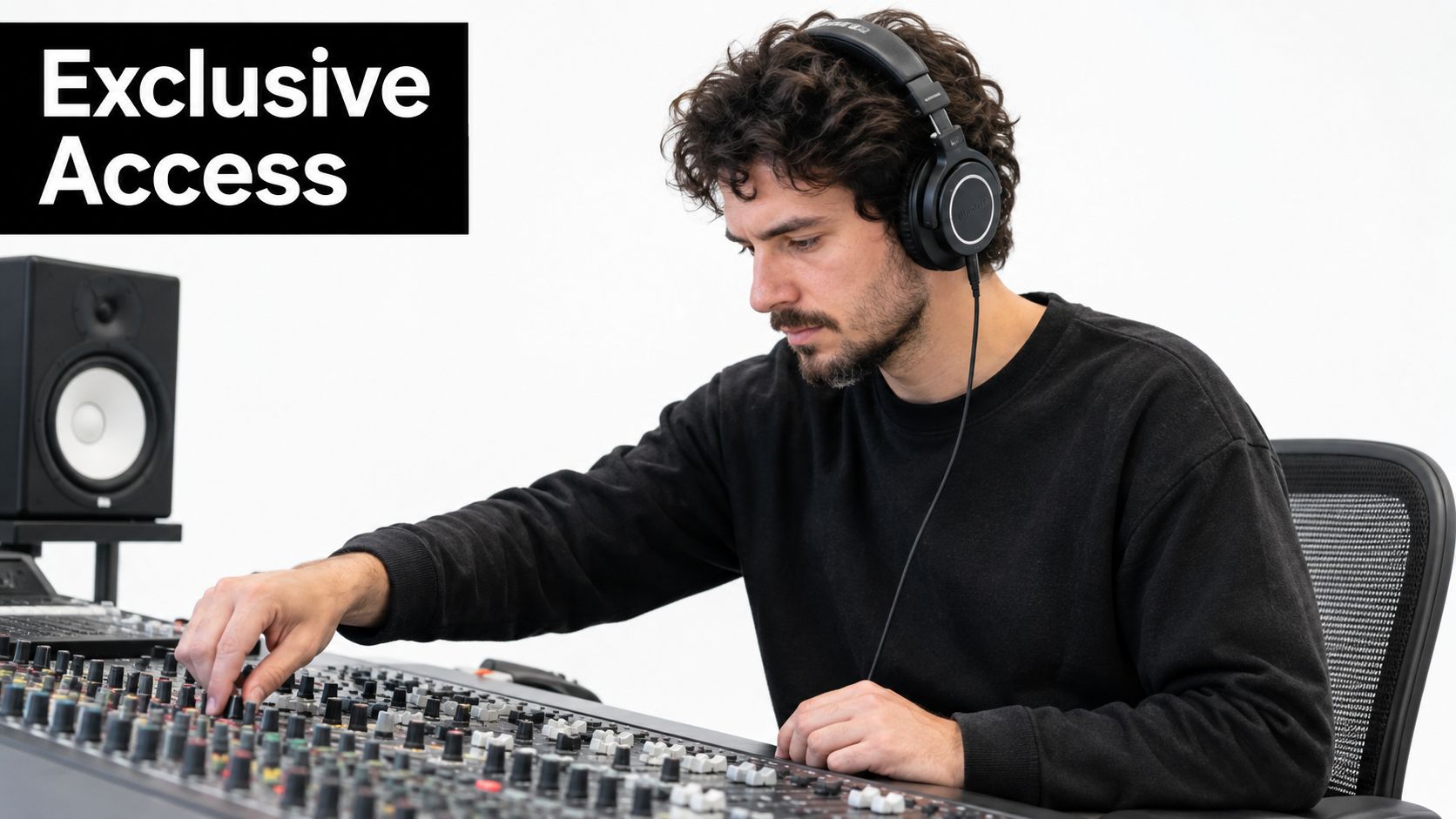
A polished release shows fans the finished work. Behind-the-scenes access shows them the decisions, experiments, and imperfect moments that made it possible. Unreleased demos, alternate versions, production breakdowns, rehearsal footage, studio sessions, and voice notes can make supporters feel closer to the creative process.
The format activates intimacy and belonging. A subscriber isn't only receiving another file. They're gaining context that public audiences don't see. Patreon creators often use studio sessions and production breakdowns for this reason. Artists have also used platforms such as YouTube memberships, OnlyFans, and Spotify's artist-content features to share early previews, exclusive videos, or additional creative material.
Build access around a reliable promise
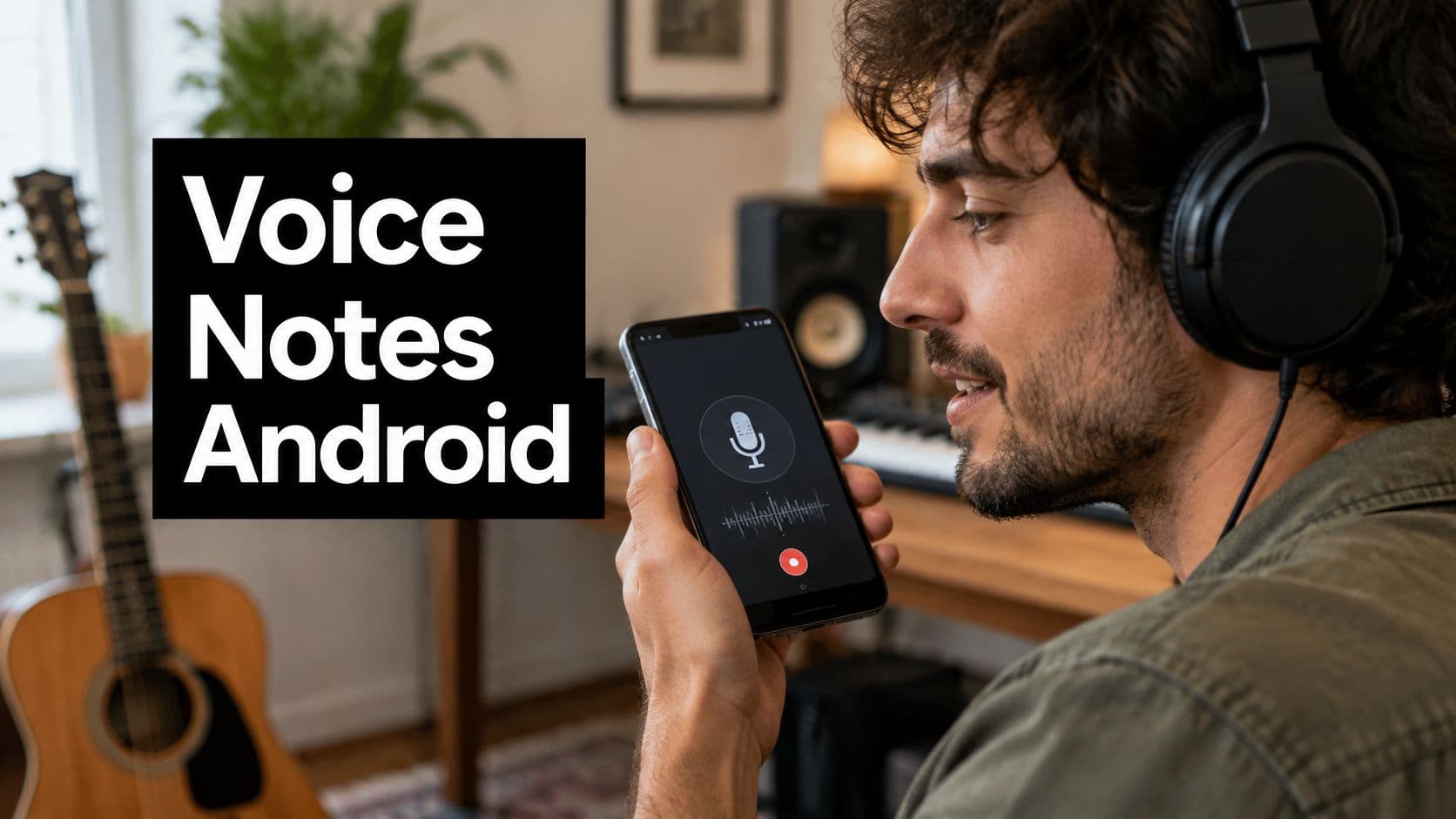
Start with two or three subscription tiers, not a complicated menu. The entry tier might provide early demos or monthly updates. A higher tier could add production tutorials, merchandise bundles, or private listening sessions. OohYeah's subscriptions and direct messaging support this type of graduated access, while voice notes can carry more personality than a polished announcement.
A content calendar matters more than a large launch library. Decide what arrives weekly, monthly, or around a release cycle, then protect enough studio time to deliver it. Subscribers don't need constant material, but they do need to understand what their support makes possible.
Practical rule: Sell access to your process, not promises of unlimited content.
The trade-off is workload. If every tier requires a completely different production schedule, the program will exhaust the artist. Keep the core content shared where possible, then reserve the most personal or time-intensive benefits for higher tiers. Ask subscribers regularly which formats they value, and use their responses to remove benefits that create work without strengthening the relationship.
2. Interactive Live Sessions and Q&A Events
A live session turns a fan from a viewer into a participant. An acoustic performance, production workshop, listening party, or open Q&A gives supporters a reason to show up at a particular moment, ask questions, and hear answers that weren't prewritten.
This format creates participation and intimacy. IFPI's 2021 global report found that 29% of respondents had watched a music livestream, such as a concert, during the previous 12 months. The same report recorded average weekly listening of 18.4 hours, equivalent to 368 three-minute songs, and found that subscription audio streaming listening time had grown 51%. These figures show why livestreams and direct access became meaningful parts of music fandom, rather than simple substitutes for in-person events. IFPI's 2021 report provides the historical context.
Use OohYeah community posts to announce the event, collect questions, and clarify whether the session is public, subscriber-only, or open to a particular fan group. Send a short voice-note reminder to subscribers when the event is close. Direct messages can also help you answer individual questions after the broadcast.
Design the event for interaction
A live session should have a clear structure. Open with a short performance or demonstration, move into selected questions, and finish with a specific next action, such as voting on a future song title or joining a listening group. A producer might rebuild a drum pattern live. A singer-songwriter might explain why a verse changed between the demo and final version.
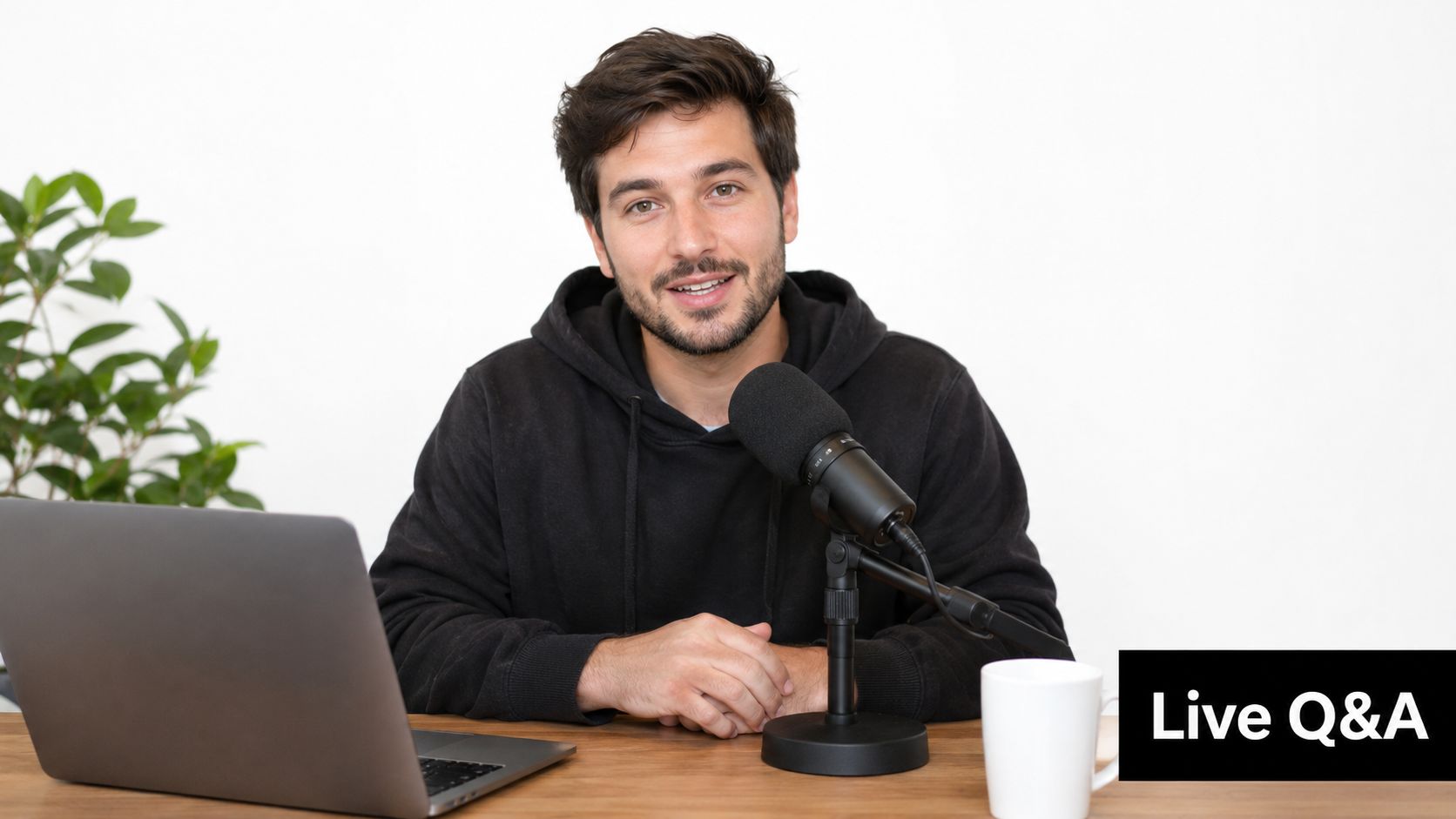
Record the session for fans who can't attend, but don't let the replay replace the live incentive. Offer attendees a limited download, a private follow-up, or early access to a related release. The trade-off is energy and preparation. A poorly moderated session can feel empty, while a highly scripted one loses the spontaneity that makes live access valuable.
Track attendance, questions submitted, replay views, and follow-on actions. The important question isn't whether the stream happened. It's whether attendees returned, joined the community, subscribed, or bought something relevant afterward.
3. Fan-Driven Collaborative Projects and Voting
Fans become more invested when their choices leave a visible mark on the artist's work. Voting on cover art, choosing between single options, selecting merchandise designs, or contributing to a remix gives supporters a stake without handing over the entire creative direction.
This format activates participation and ownership. The Chainsmokers have used remix competitions to invite creative contributions, while artists including Dua Lipa have used audience feedback around artwork and music decisions. Independent musicians can create a similar experience with a simple community post and a clear decision.
Give every vote a visible consequence
A strong campaign has three parts:
- Define the decision: Present a small number of meaningful options, such as two cover treatments or three merchandise concepts.
- Set a deadline: Tell fans when voting closes, then avoid extending the window without a clear reason.
- Show the result: Publish the winning design, explain what changed, and credit contributors where appropriate.
OohYeah community posts can host the prompt, discussion, and follow-up. A direct message can thank especially thoughtful contributors, while the marketplace can later carry the selected design. The process should remain transparent. If the artist has already made a final decision, don't stage a fake vote. Ask for input where it can influence the outcome.
Fans don't need control over every creative choice. They need evidence that their participation mattered.
The trade-off is creative compromise. Popularity isn't the same as artistic quality, and a vote can favor the safest option. Set boundaries before launching the campaign. The artist might choose the final mix while fans select the visual direction, or invite remix stems while retaining approval over the official version.
Offer different participation levels. A casual fan can vote in seconds. A more committed supporter can submit artwork, record a remix, or join a feedback session. That structure keeps the campaign accessible while giving highly engaged fans a deeper role.
4. Merchandise Bundling and Exclusive Drops
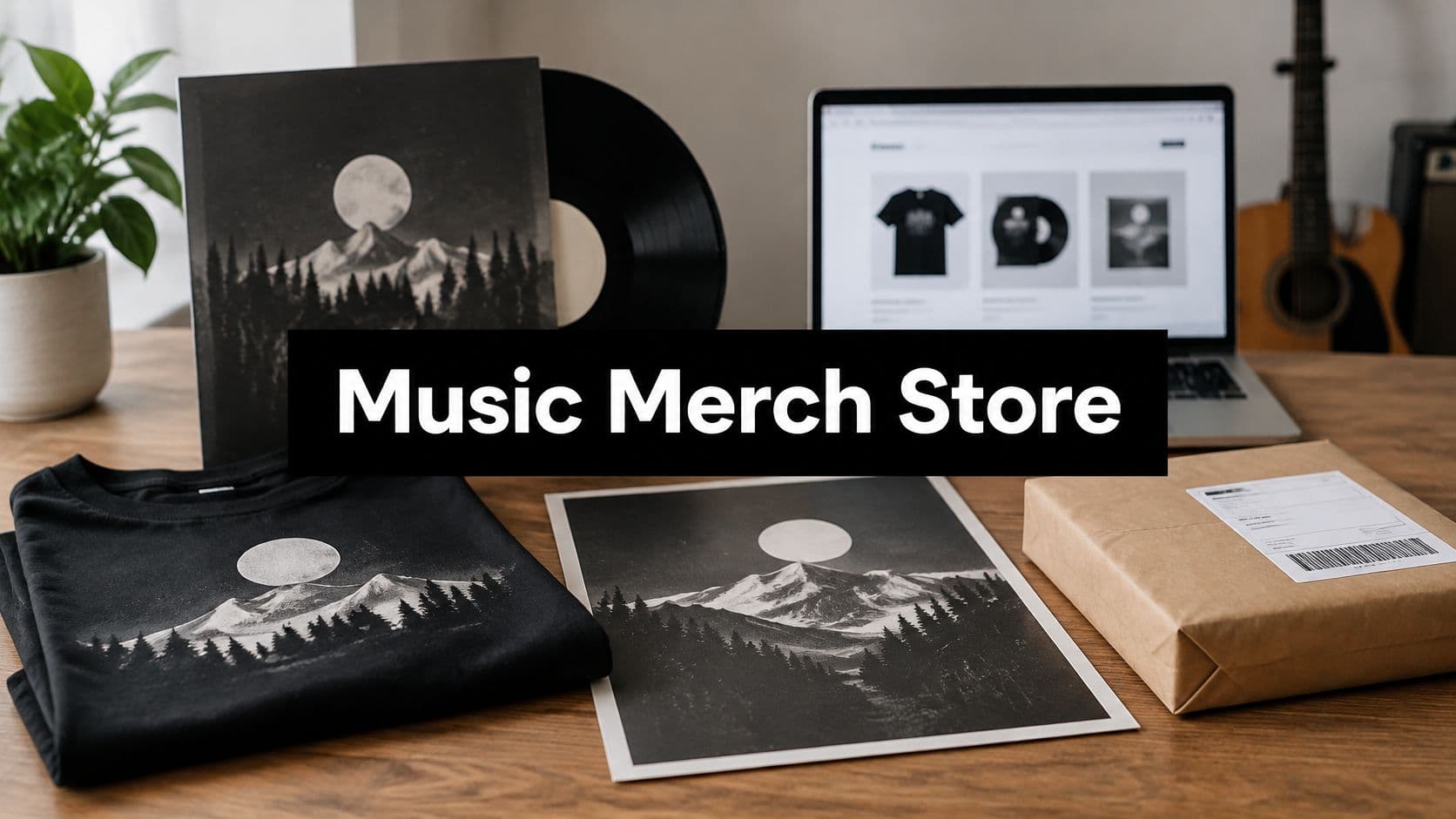
Merchandise works best when it carries meaning beyond a logo. A signed record, a shirt connected to a specific release, or a limited package combining physical and digital material can turn a purchase into a memory of participation.
This format creates urgency and reward. The 1975 have paired merchandise with album pre-orders, Tyler, The Creator's Golf Wang has connected apparel with the artist's wider identity, and independent electronic artists commonly combine physical releases with digital access. The strategic value isn't merely selling more products. It's giving loyal fans a concrete way to signal affiliation.
Make the drop easy to understand
Time a release around an album, tour announcement, milestone, or community event. Describe exactly what the buyer receives, how long the offer lasts, and whether the item is limited by quantity or by time. OohYeah's marketplace gives artists a direct place to present music and merchandise together.
Use analytics to identify supporters who already interact with releases, community posts, or subscriptions. That doesn't mean sending every person the same offer. Segment the announcement so a collector receives details about signed items, while a newer listener sees a lower-friction bundle.
- Bundle with purpose: Pair music with an item that adds context, such as liner notes, a signed insert, or a personal message.
- Communicate scarcity clearly: If stock is limited, state the available quantity or closing condition clearly.
- Protect accessibility: Keep a digital-only or lower-cost route available for fans who can't buy premium merchandise.
A discount can help clarify value, but don't train fans to wait for markdowns. Personalization, such as a signed item or custom message, may be more meaningful than a lower price. The operational trade-off is fulfillment. Packing, shipping, returns, and inventory errors can damage trust faster than a weak social post.
Share dispatch updates, acknowledge delays, and avoid launching a product line that the current team can't support. A smaller, well-delivered drop creates stronger repeat behavior than a large release that leaves buyers waiting.
5. Community Building and Fan Networks
A follower sees an artist's message. A community member sees other people who care about the same music. That distinction matters because fan-to-fan interaction creates belonging that artist-to-fan broadcasting can't produce on its own.
Research on music fandom found that Facebook Pages for artists often generate limited fan-to-fan engagement, while artist-specific fan communities can support stronger participation and identity expression. The implication is practical: if the aim is to build a real community, the artist must create space for supporters to connect with one another, not only react to the artist.
OohYeah's fan-focused experience can support a direct environment where community posts, messages, and artist updates sit closer together. Use it to establish recurring rituals, such as a release-day discussion, a monthly listening room, or a place for fans to share interpretations and remixes.
Moderate for warmth, not control
Set clear rules before the group grows. Explain what behavior isn't acceptable, how disagreements should be handled, and where fans can post their own work. Consistent moderation protects quieter members from being pushed out by the loudest voices.
- Recognize contributors: Thank fans who answer questions, welcome newcomers, or organize useful discussions.
- Create shared interests: Let fans connect around production, local scenes, lyrics, instruments, or collecting.
- Share community work: Feature fan art, covers, and thoughtful responses with permission.
The trade-off is time and loss of control. A healthy community develops its own tone, and some discussion will happen without the artist. That isn't a failure. It's evidence that members have started to value the space itself.
Use voice notes selectively for warmth, then let fans carry more of the conversation. As broader community engagement strategies from Fundl emphasize, participation becomes stronger when people feel they're contributing to a shared environment rather than receiving a stream of announcements.
6. Personalized Direct Communication and Fan Messages
A direct message can create more emotional weight than a public post because it acknowledges a specific person. A birthday greeting, thank-you note, release preview, or personal shout-out tells a supporter that their presence isn't invisible.
This format activates intimacy and trust. Artists have used voice messages, Cameo-style services, WhatsApp, Telegram, and direct fan accounts to create personal contact. Independent musicians can apply the same principle without promising unlimited one-to-one access.
Voice notes are particularly useful because tone, pauses, and energy communicate more than a template can. OohYeah supports direct communication through messages and contact support resources, giving artists a place to organize conversations and respond to fans.
Personalize without creating an impossible workload
Segment supporters by behavior and relationship. A long-term subscriber might receive a private preview. Someone who has repeatedly participated in community discussions might receive a thank-you note. A new fan may need a simple welcome message rather than an offer.
Templates can help with structure, but each message should contain at least one genuine personal detail. Mention a specific song, comment, purchase, or contribution. Don't pretend a mass message is individual.
The most effective personal message proves that you remember the fan's action.
Ask permission before reposting reactions or screenshots. Publicly sharing private correspondence can make other fans less willing to communicate. The trade-off is scale. If the artist promises personal replies to everyone, response quality will decline as attention grows.
Set a response rhythm instead. Reserve deeper messages for subscribers or community contributors, while maintaining a lighter public channel for everyone else. Track which messages lead to continued conversation, community participation, or repeat support, but don't reduce every human exchange to a conversion event. The relationship is the asset, and over-commercializing it can make the intimacy disappear.
7. Performance Data Analytics and Transparency
Fans often understand that streaming, downloads, tickets, and merchandise help an artist. They don't always understand how their support affects the next decision. Sharing selected performance data can make that connection visible and replace vague gratitude with evidence.
This format builds trust and shared progress. An artist might publish a monthly update covering release activity, merchandise demand, community participation, or the next production milestone. Macklemore has publicly discussed independent music economics, while Bandcamp artists and independent musicians have shared sales or revenue updates to explain what direct support makes possible.
Show the meaning behind the numbers
OohYeah analytics can help artists review fan engagement and sales performance, then turn useful findings into community posts. Avoid presenting every dashboard detail. Choose a small set of indicators that fans can understand, such as which release drew the most discussion, which product sold through, or what community decision changed the campaign.
- Explain the result: Tell fans what the data changed, not only what happened.
- Include setbacks: A credible update can acknowledge weak demand, delayed production, or an experiment that didn't work.
- Connect support to action: Explain whether revenue funds recording, manufacturing, touring, or creative development.
The trade-off is privacy and misinterpretation. Never expose individual buyer details or imply that a single metric represents the entire fan relationship. Streaming activity, for example, doesn't reveal why a listener cares, and a quiet community post may still reach highly committed supporters.
Set realistic public goals, but don't turn fans into unpaid financiers or pressure them with constant appeals. Transparency should make support feel meaningful, not obligatory. Use qualitative feedback alongside analytics so you know why people responded, not just which button they pressed.
8. Gamification and Reward Programs
Reward systems can give fans a reason to return after the first listen. Points, badges, levels, challenges, and recognition can connect actions that otherwise feel unrelated, such as streaming a release, joining a discussion, buying merchandise, or sharing a show announcement.
This format creates repeat action. Spotify Wrapped turns listening history into a shareable annual ritual. Duolingo uses streaks to encourage recurring activity, while Discord communities often use badges and leveling to recognize participation. Music platforms and fan communities can borrow the mechanics without copying the surface design.
Reward behavior that helps the relationship
Keep the system simple. A fan should understand how to earn recognition and what the reward means without studying a rulebook. OohYeah analytics can help identify which behaviors lead to useful outcomes, while community posts can announce new challenges and celebrate milestones.
- Reward more than spending: Include participation, feedback, fan-created work, and welcoming new members.
- Offer attainable wins: Casual supporters should have a path to recognition, while committed fans can access deeper benefits.
- Refresh the prompt: Rotate challenges around releases, live events, or creative projects so the program doesn't become repetitive.
- Use meaningful rewards: Combine discounts with early access, private content, signed material, or public appreciation.
Avoid paying fans for every action. That can attract low-quality activity and make genuine support feel transactional. Don't create a leaderboard that humiliates people who have less time or money. Team challenges or community milestones can create shared momentum without turning the fanbase into a competition.
The key measurement is repeat behavior, not points collected. Watch whether participants return to the community, engage with new releases, purchase responsibly, or respond to artist communication. If the game becomes more important than the music, simplify it.
8 Fan Engagement Strategies Compared
| Strategy | Complexity (🔄) | Resource Needs (⚡) | Expected Outcomes (📊) | Ideal Use Cases (💡) | Key Advantages (⭐) |
|---|---|---|---|---|---|
| Exclusive Content & Behind-the-Scenes Access | Moderate ongoing production and tier management 🔄 | Regular content creation, editing, merch packaging ⚡ | Predictable recurring revenue, higher LTV 📊 | Artists with exclusive/backlog material and engaged subscribers 💡 | Steady monetization and deeper fan loyalty ⭐ |
| Interactive Live Sessions & Q&A Events | High: live setup, moderation, scheduling 🔄 | Streaming tools, reliable bandwidth, rehearsal time ⚡ | Real-time engagement, social proof, repurposable content 📊 | Launches, virtual concerts, masterclasses, Q&A drives buzz 💡 | Authentic connection, immediacy, FOMO-driven growth ⭐ |
| Fan-Driven Collaborative Projects & Voting | Low–Moderate: poll setup and submission workflows 🔄 | Polling tools, moderation, prize/fulfillment effort ⚡ | Strong engagement, UGC generation, market insight 📊 | Artwork/track selection, remix contests, fan-driven decisions 💡 | Boosts fan investment and viral promotion ⭐ |
| Merchandise Bundling & Exclusive Drops | Moderate–High: inventory and logistics management 🔄 | Upfront production costs, fulfillment, inventory tracking ⚡ | Increased average order value, scarcity-driven sales 📊 | Album releases, milestones, limited-edition collaborations 💡 | Higher margins, tangible fan connection, commission-free sales ⭐ |
| Community Building & Fan Networks | Moderate: ongoing moderation and programming 🔄 | Community managers/moderators, content cadence, tools ⚡ | Organic growth, retention, word-of-mouth promotion 📊 | Long-term audience development, regional or interest-based groups 💡 | Sustained loyalty and platform stickiness ⭐ |
| Personalized Direct Communication & Fan Messages | Moderate–High: time-intensive personalization 🔄 | Significant time or templating/automation to scale ⚡ | Extreme loyalty, direct conversions, shareable moments 📊 | VIP engagement, donor outreach, high-touch fan segments 💡 | Deep personal bonds; direct channel bypassing algorithms ⭐ |
| Performance Data Analytics & Transparency | Low–Moderate: data collection and clear presentation 🔄 | Analytics tooling, dashboard design, reporting cadence ⚡ | Trust-building, motivated fan support, collaborative goals 📊 | Crowdfunds, milestone campaigns, transparency-driven models 💡 | Builds credibility and drives informed fan action ⭐ |
| Gamification & Reward Programs | High: system design, balancing, ongoing updates 🔄 | Development effort, reward fulfillment budget, analytics ⚡ | Increased repeat engagement, higher platform time, social sharing 📊 | Growth campaigns, engagement-first communities, loyalty drives 💡 | Incentivizes behavior, provides behavioral data, boosts retention ⭐ |
Build a Fan Journey, Not a Single Campaign
The best fan engagement examples aren't isolated tricks. They form a sequence. Start with a low-friction invitation, such as a community discussion, a live acoustic session, or a simple vote. That first action gives a casual listener a reason to participate without asking for money or a long-term commitment.
Next, deepen the relationship through personalized voice notes, collaborative choices, and fan-to-fan interaction. These formats help supporters feel recognized and involved. They also reveal useful behavior. You learn who asks thoughtful questions, who contributes creative work, who returns to discussions, and who responds to early access.
Only then should paid or limited offers become more prominent. Subscriptions make sense when fans have already demonstrated interest in ongoing access. Merchandise bundles fit when supporters have shown collector behavior or strong attachment to a release. Rewards work when the audience needs a clear reason to repeat actions that already provide value.
A practical OohYeah journey might look like this:
- Invite participation: Publish a community post asking fans to choose between visual directions for an upcoming release.
- Create proximity: Host a live session where you explain the options and answer questions.
- Recognize involvement: Send selected contributors a personal voice note or early preview.
- Offer deeper access: Introduce a subscription tier built around the content fans repeatedly requested.
- Create a physical connection: Pair the release with a focused merchandise drop through the marketplace.
- Measure behavior: Review participation, subscriber activity, repeat purchases, and community responses through analytics and direct feedback.
Cross-channel measurement matters because fans rarely stay in one place. Recent Deloitte data says 55% of fans engage across multiple platforms, and Spotify's fan-study materials connect music video viewing with later listening behavior. The useful question isn't how many posts were published. It's whether a video viewer joined the community, whether a participant became a subscriber, or whether a buyer returned for another release. Deloitte's digital media trends research offers context for evaluating that broader behavior.
Don't lock every meaningful interaction behind payment. Free fans should still have a credible route into the community, while paying supporters receive added access, convenience, or recognition. Also set production limits before launching. An artist who can deliver one excellent subscriber update each month shouldn't promise daily personal messages, weekly livestreams, and constant limited drops.
OohYeah can bring direct messaging, voice notes, community posts, subscriptions, marketplace activity, and analytics into one artist-first environment. The platform is useful when it supports a clear relationship strategy, not when it becomes another channel to maintain without a purpose.
Consistency, transparency, and genuine creative access matter more than adding every tactic at once. Choose one behavior to build first, make the next step obvious, listen to the response, and expand only when the artist and fan community can sustain it.
OohYeah gives musicians tools for direct messages, voice notes, community posts, subscriptions, merchandise sales, and fan engagement analytics in one music-focused platform. Visit OohYeah to create a direct fan journey, test these engagement formats, and connect support more clearly to your music and releases.