10 Community Post Ideas That Grow Fan Engagement
Discover 10 community post ideas musicians can use to grow fan engagement, with formats, posting frequency, and real examples for 2026.
October 30, 2026
Music Marketplace Advisor
Buying & SellingYou've released the single, posted the streaming link, and watched the first rush of replies slow down. Now you're staring at an empty calendar, wondering whether another reminder will help or just annoy the people who already listened.
The problem is rarely the music alone. Fans need something to do between announcements: hear a change, make a choice, ask a question, or contribute something you'll acknowledge. Another cover-art graphic doesn't offer much if it repeats the same message.
A post calendar gives those interactions a sequence. A studio update introduces an unfinished idea. A poll invites input. A listening session reveals the result. After release, fan contributions and production discussions give the song a longer life.
Every post should give fans a clear action and give you something useful to respond to next.
You don't need to become a full-time content creator. You need repeatable formats that fit work you're already doing, plus enough time to respond when people participate. Capture material during rehearsals and sessions rather than inventing a separate production schedule for social media.
These community post ideas work best as connected systems, not isolated prompts. Choose formats you can sustain, assign each a place in the release cycle, and measure the action you requested. A thoughtful reply, a returning participant, and a merchandise purchase tell you different things. Don't treat them as interchangeable wins.
1. Behind-the-Scenes Studio Updates
Start with a change fans can hear. Share the rough chorus, explain why you stripped out the drums, and ask whether the quieter version makes the lyric clearer.
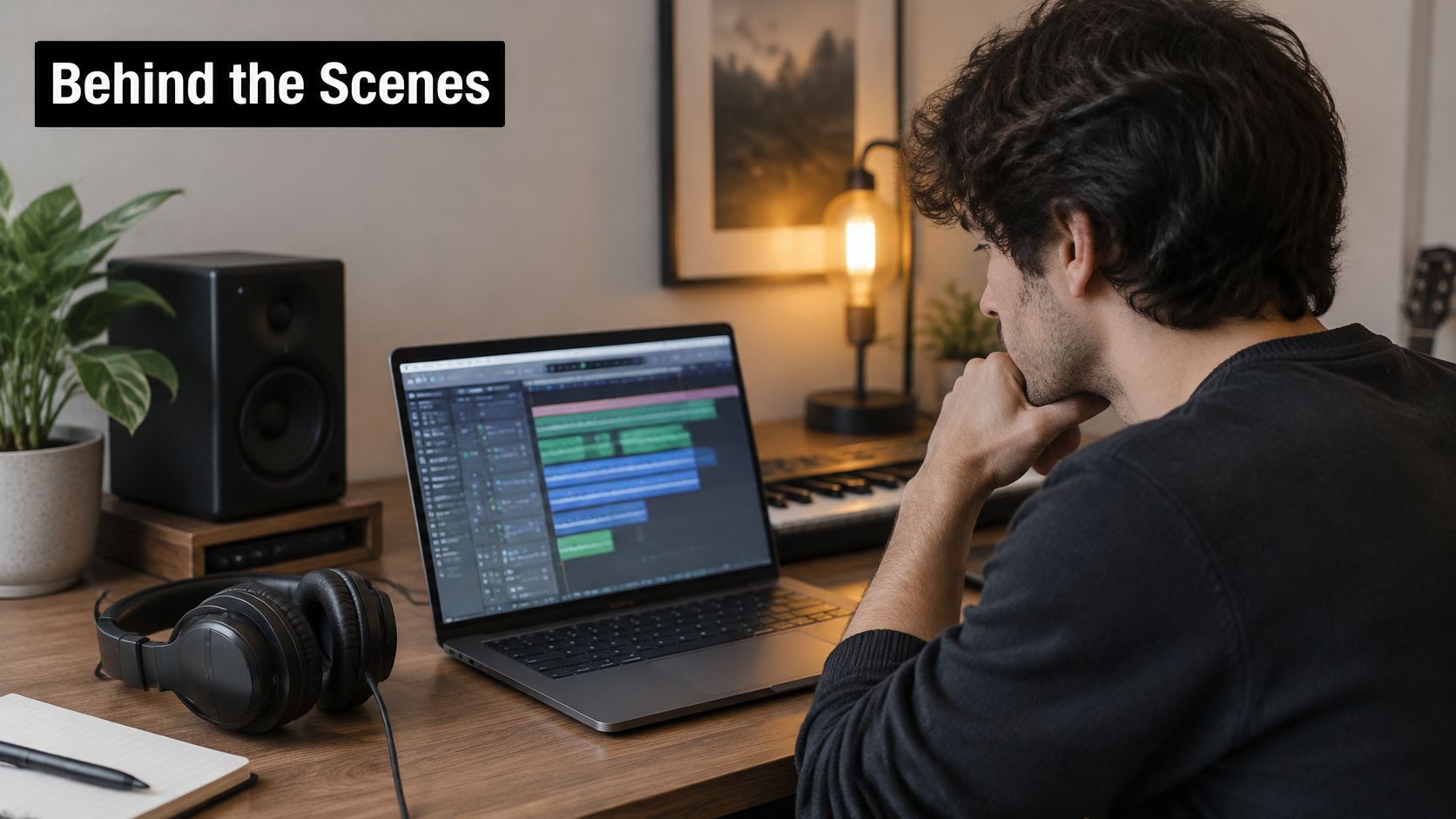
A repeatable studio update needs a recognizable format: a short clip, a plain-language explanation, and a focused question. Post on the same weekday while you're recording, then open the following update by acknowledging what fans noticed.
In a survey of music superfans described by ICMP, 73% said artists who regularly engage with fan communities through fan-club apps or social media appear more genuine and relatable. That supports showing up consistently, but it isn't a promise of sales.
Show progress, not your entire session
For an upcoming single, capture a vocal comp in your DAW and export a listening clip without private session chatter. Add captions if you explain the change on camera.
Keep unreleased collaborators' material and uncleared samples out of public previews. Don't invite feedback on a master you've already delivered unless you're clear that you're discussing the process, not reopening the decision.
Track returning commenters and the questions they ask. If fans keep noticing the backing vocals, make those the subject of your next update rather than posting another unrelated studio photo.
2. Fan Polls and Voting on Creative Decisions
A poll only builds trust if fans understand what their votes can change. Don't ask them to choose the artwork after you've already sent the final design to your distributor.
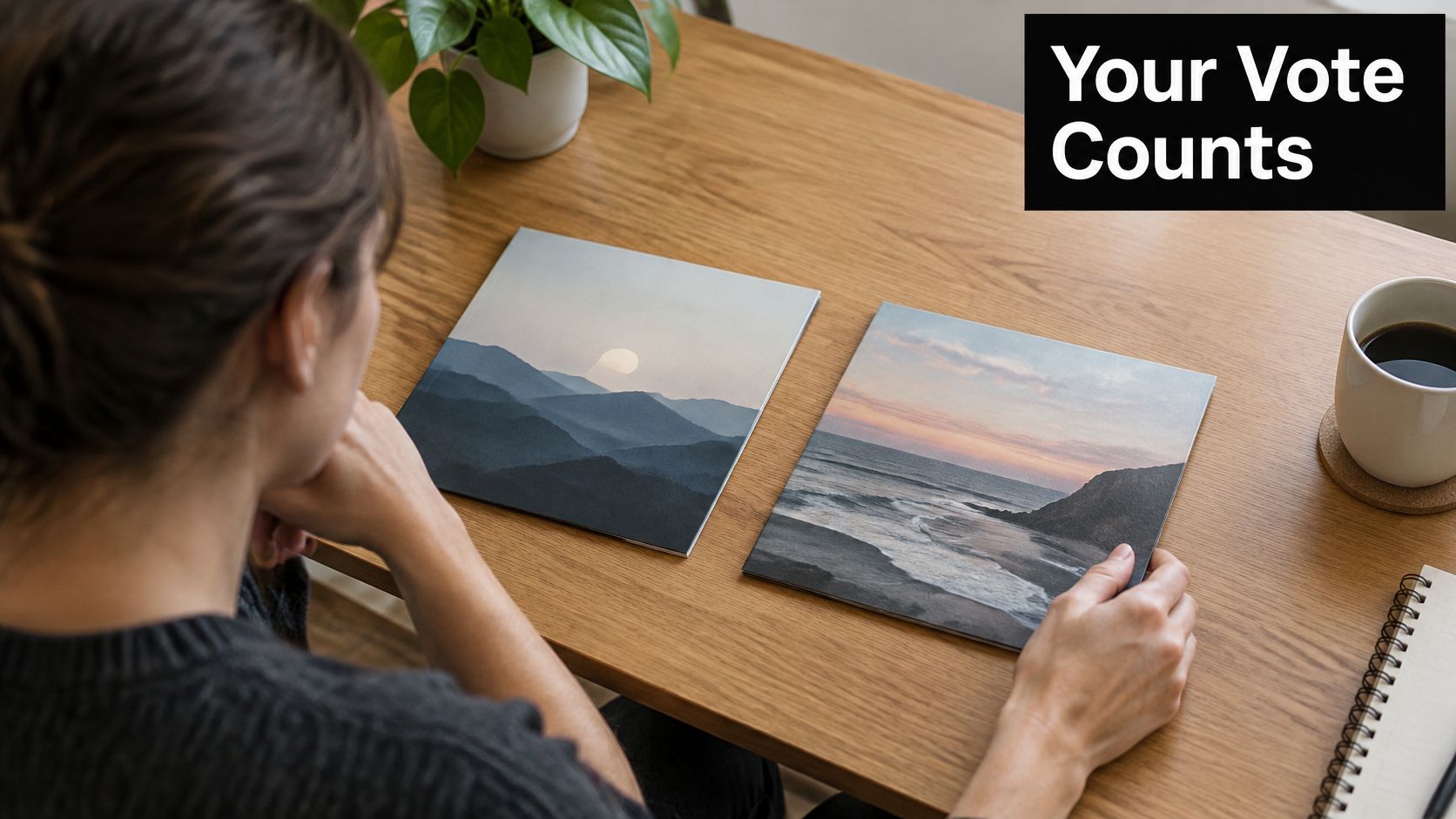
Use polls at genuine decision points, not because your calendar needs filling. During the pre-release phase, you might let fans choose the artwork crop for an acoustic video while keeping the official single cover fixed.
- Define the choice: Present finished, usable options. Label them clearly and describe any accessibility differences that aren't obvious from the images.
- State the boundary: Explain whether the vote determines the outcome or informs your decision.
- Close the loop: Publish the result, show the chosen design in use, and thank participants without exposing private account information.
Measure follow-through
Count valid votes, then look for voters returning when you reveal the result. A busy poll followed by silence may mean the choice was entertaining but disconnected from the release.
Avoid stacking unrelated decisions into the same post. Artwork, song titles, and setlists each need different context. This week, choose a low-risk decision you can hand over, set a closing deadline, and schedule the outcome post before you publish the poll.
3. Exclusive Fan-Only Listening Parties
Give your most interested listeners an occasion, not just a hidden audio file. A listening party creates shared context around a release and gives you a scheduled place to hear reactions.

For an EP, invite supporters to hear a preview before release, explain the running order, and hold a short discussion afterward. Tell people whether access is free, subscriber-only, live-only, or available afterward. Exclusivity shouldn't mean unclear instructions.
Use an invitation, session, and recap
Announce the event early enough for fans to plan around it. Include the time zone, access instructions, playback requirements, and a place to submit questions if they can't attend.
During the session, separate listening from conversation so people aren't talking over the track. Test your streaming software's audio routing beforehand; a microphone pointed at studio monitors isn't a useful preview of your mix.
Afterward, publish a recap with the themes fans raised and the next release milestone. Ask which song they want you to discuss, rather than asking for general thoughts.
Measure attendance against confirmed interest, then track participation in the follow-up. If people register but don't attend, examine timing and access friction before assuming they've lost interest in the music.
4. Ask Me Anything (AMA) Sessions
An AMA works better when it starts with a subject. Questions about making the new single give fans a useful entry point; an unrestricted invitation can leave them unsure what to ask.
Collect questions during a defined submission window, then answer in a scheduled post, livestream, or voice-note thread. Run the format around meaningful milestones, such as finishing an EP or returning from tour, rather than promising permanent availability.
Higher Logic's community-management guidance identifies unanswered threads and internal search terms as useful inputs for future content. Apply that principle by checking what fans have already asked before opening another submission thread.
Set a boundary: Promise a scheduled answer session, not unlimited personal access.
For example, a producer could invite questions about the vocal sound on a new track. Group overlapping submissions, explain the recording chain in plain language, and save detailed mixing questions for a production thread.
Use voice notes when tone matters, but provide a text summary so people can follow without audio. Don't answer questions about collaborators' private lives or speculate about contracts.
Track questions answered, useful follow-up questions, and repeat participants. Unanswered practical questions should become future posts, not disappear beneath the next announcement.
5. Fan Spotlight and Shoutout Posts
A fan who makes a cover version has contributed more than a reaction. Give that work context: explain what you liked about the arrangement, credit the creator, and help listeners find the original post.
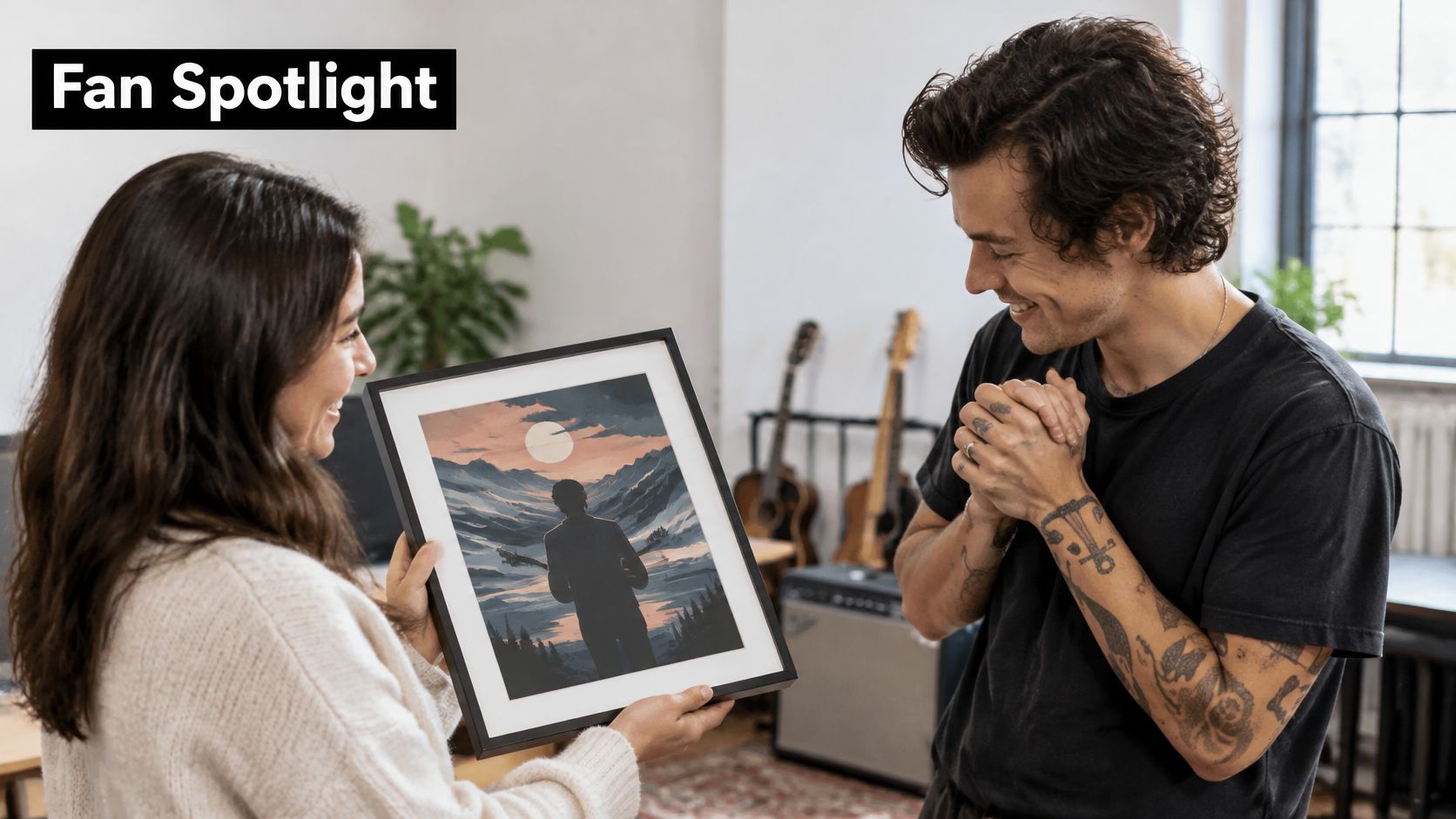
Run a recurring spotlight after release, when fans have had time to interpret the song. Invite artwork, acoustic covers, choreography, or listening stories through a consistent submission route.
Make recognition fair and permission-based
- Ask before reposting: Confirm which file you may use, where you'll publish it, and how the creator wants to be credited.
- Rotate the selection: Feature different kinds of contributions, not just polished videos from accounts with large followings.
- Separate commercial use: Featuring artwork in a community post isn't the same agreement as printing it on merchandise.
An artist could feature a stripped-back piano cover, describe how it changes the mood, and invite submissions for the next spotlight. Keep the invitation open to beginners without promising that every entry will appear.
Use OohYeah's fan information page when directing listeners toward ways to participate in the wider artist community.
Measure new contributors and returning contributors, not just reactions to the featured post. If submissions stall, simplify the brief before offering prizes or adding more rules.
6. Remix and Stem Challenges
Don't upload a folder of files and call it a challenge. Producers need a usable brief, reliable assets, and clear permission to do something with their finished work.
Choose a distinctive part of the current release, such as the lead vocal or synth hook. Export clearly labeled WAV files from the same starting point, include tempo and key information, and check that the files align when imported into a fresh DAW session.
Publish the terms before the stems
Explain submission requirements, the closing deadline, selection criteria, and where participants may share entries. Clarify permitted uses and ownership rather than implying that downloading stems grants unrestricted commercial rights.
If you might release a remix commercially, arrange the relevant permissions and written agreement separately. Don't promise a release before checking contributor rights and sample clearances.
A practical release-cycle sequence is to announce the challenge after listeners know the original, post an optional progress thread during the submission period, and finish with a listening showcase. Feature contrasting interpretations rather than treating popularity as the only measure of quality.
Assess completed, eligible entries and useful producer relationships. Downloads without submissions may indicate that the brief was too demanding or the stems were difficult to use.
This week, test the asset package with a trusted producer before publishing it. Technical confusion is preventable; asking participants to troubleshoot your exports isn't community building.
7. Merch Drop Countdowns
A countdown should answer buying questions as well as create anticipation. Fans need to know what the item looks like, how it fits, when it ships, and what happens if there's a problem.
Build the sequence around a real launch date. Start with the design's connection to the release, follow with product details, then publish the availability post with a direct purchase route.
- Reveal the actual product: Show a sample rather than relying entirely on a digital mockup.
- Remove uncertainty: Include the actual price, size guide, shipping information, and return terms from your store.
- Explain availability clearly: Distinguish stocked items from preorders. Don't invent scarcity to make an ordinary launch feel urgent.
For a lyric-based shirt, use the fan discussion around that lyric to introduce the design. Show the print close-up and garment fit before asking people to buy.
If you manage launch reminders from your phone, a guide to planning events on iPhone can help you organize the countdown. Keep your store's published launch information consistent with every reminder.
Review product-page visits, completed orders, and recurring buyer questions. If fans click but keep asking about shipping, fix the information gap before adding more promotional posts. Close the sequence with fulfillment updates, not another sales push.
8. Subscriber-Only Weekly Updates
A subscription needs a dependable benefit, not a promise of constant access. Build the offer around material you can produce even during rehearsal weeks, travel, or release administration.
A useful weekly format combines a work-in-progress clip, a short artist note, and a preview of what's coming next. The value comes from context and continuity, not from making every update elaborate.
In a survey of music superfans reported by FanCircles, 78% valued exclusive behind-the-scenes content. Treat that as support for a relevant benefit, not permission to charge for unfinished material without explanation.
Define what stays public
Keep essential release information, event changes, and customer support outside the paywall. Reserve deeper commentary, alternate demos, or scheduled supporter sessions for subscribers.
For example, publish a finished chorus clip publicly, then share an annotated demo with supporters explaining the lyric rewrite. That gives each audience something coherent without making the public post feel deliberately incomplete.
Batch evergreen updates when you have studio time, but label older recordings clearly. Don't present an archived demo as something you made that morning.
Track repeat readership or listening where available, replies, and subscription cancellations alongside workload. Ask supporters what they use. If voice notes receive thoughtful responses while elaborate videos go untouched, simplify the production rather than increasing it.
9. Collaboration Calls for Producers and Vocalists
The strongest collaboration call reads like a creative brief, not an open-ended request for talent. Tell people what the track needs and what working together would involve.
For a vocalist search, share a cleared music excerpt, describe the range and delivery you're seeking, and specify the submission format. Place this post during development, before release deadlines make genuine collaboration impossible.
Make the opportunity assessable
- Describe the role: Distinguish a paid session, co-writing opportunity, remix invitation, and speculative collaboration.
- Explain the process: State the deadline, review method, and how shortlisted contributors will hear back.
- Agree before production: Put compensation, credit, ownership, approval rights, and any royalty arrangements in writing before substantial work begins.
A producer looking for a topliner could request an existing vocal sample and a brief description of the applicant's idea. Don't require a finished custom performance just to judge whether someone might fit.
Use OohYeah's music-professional community as a relevant destination for people exploring industry connections.
Track qualified responses and completed conversations rather than total applications. After choosing a collaborator, close the call publicly and notify applicants appropriately. With everyone's permission, the collaboration's progress can become the next studio-update series, giving contributors visibility without exposing unfinished agreements.
10. Gear and Production Q&A Threads
A useful gear thread explains a decision. A photograph of your pedalboard may attract attention, but showing why you place delay before distortion gives musicians something they can test.
Start with a problem from the released track: making a quiet vocal audible, keeping a bass part defined, or building a live playback backup. Attach a labeled photo, screen recording, or level-matched audio comparison.
Answer the problem before naming the plugin
For example, demonstrate how you automate vocal level in Ableton Live before adding compression. Explain what listeners should notice, then invite questions about that technique.
Keep these threads recurring but focused. Collect unanswered questions after each discussion and choose the next topic from repeated problems, not from whichever plugin you bought most recently.
A useful production answer should help someone make a decision, even if they don't own your equipment.
Avoid presenting settings as universal recipes. Explain how the source recording, arrangement, and desired sound affect your choices, and distinguish necessary tools from personal preferences.
Direct readers toward OohYeah's music magazine when they want broader music and creator reading.
Measure saved posts, substantive questions, and whether participants return with results. After release, these discussions can extend interest in a song without repeatedly asking fans to stream it. This week, choose a technique you can demonstrate from an existing session without exposing private files.
How the 10 community post ideas compare by purpose, cadence, and fan effort
| Item | Best For | Typical Cadence | Fan Effort Required |
|---|---|---|---|
| Behind-the-Scenes Studio Updates | Building anticipation before a release | Often weekly | Low; view or respond to updates |
| Fan Polls and Voting on Creative Decisions | Involving fans in creative and merchandise decisions | Short voting windows, often 24–72 hours | Low; cast a vote |
| Exclusive Fan-Only Listening Parties | Launching new music to an invested audience | Event-based | Moderate; attend and join the discussion |
| Ask Me Anything (AMA) Sessions | Building personal connection and gathering audience questions | Event-based | Low; submit questions |
| Fan Spotlight and Shoutout Posts | Encouraging user-generated content and community loyalty | Often weekly or monthly | Moderate; create and submit content |
| Remix and Stem Challenges | Engaging producers and DJs while expanding creative reach | Deadline-based | High; create and submit a remix |
| Merch Drop Countdowns | Driving sales of limited merchandise | Leading up to a merchandise drop | Low; follow updates and shop |
| Subscriber-Only Weekly Updates | Building recurring income and loyal supporters | Often weekly or biweekly | Low; view subscriber content |
| Collaboration Calls for Producers and Vocalists | Finding collaborators and producing new material | As collaboration opportunities arise | Moderate to high; submit work or apply |
| Gear and Production Q&A Threads | Attracting producers and DJs and showcasing expertise | As needed | Low; ask or answer questions |
Build a Posting System, Not a Posting Habit
Pick three formats that match your immediate work: a recurring behind-the-scenes update, a feedback format, and a conversion post tied to a release or merchandise drop. You don't need to run every format to build a responsive community. You need to keep the promises attached to the formats you choose.
Plan a four-week cycle as a working experiment, not a permanent publishing contract. Keep the same recurring studio-update slot throughout, then place the other posts around real decisions and release milestones. Leave space to answer people rather than scheduling every available moment.
Sequence the work around the release
- Week one, introduce: Share a studio update that explains the song's central idea. Record which details prompt questions.
- Week two, involve: Turn a relevant question into a genuine choice, then publish what you decided and why.
- Week three, reveal: Release the track or host the planned preview. Connect the finished result to the process fans followed.
- Week four, extend: Feature fan contributions, answer a production question, or introduce related merchandise with clear buying information.
Keep a simple log in Google Sheets or Notion. Record the format, release stage, requested action, response, and next follow-up. Track replies and click-throughs after each post, but compare similar posts rather than judging a technical discussion against a product launch.
Look beyond raw totals. Did new people participate? Did previous commenters return? Did a buying question get resolved? A thread with thoughtful responses can be worth repeating even if a lighter poll attracts more activity.
Protect time for the replies
Publishing without responding creates another unfinished task. Assign someone to review questions, flag moderation issues, and collect useful themes for the next post. For bands, rotate that responsibility so fans aren't always waiting for the same member to become available.
As incoming messages become harder to manage, scaling social care with Sift AI offers relevant operational reading. Keep sensitive disputes, rights questions, and personal messages under human review regardless of which tools you use.
Drop or redesign formats that generate no meaningful response after a fair test. Check the prompt, timing, access requirements, and effort involved before deciding fans aren't interested. Sometimes the fix is a clearer question; sometimes the format doesn't suit your audience.
Consistency with a useful mix will do more than trying everything at once. Finish each interaction, show fans what happened, and let their responses inform what you publish next.
OohYeah brings community posts, direct messaging, music, merchandise, and subscriptions into a music-focused platform where artists control their pricing and distribution. Visit OohYeah to connect your next release with recurring fan conversations and clear ways for listeners to support your work.