Common Ground Band: Arkansas Folk Music & More
Discover the Common Ground Band: dive into their Arkansas folk music, booking details, and how to support this unique group.
May 28, 2026
Music Marketplace Advisor
Buying & SellingYou search for Common Ground Band, click a result that looks promising, and within seconds you're wondering whether you've landed on the right act at all. The photos don't match. The style feels off. One page sounds like party rock, another looks like a regional acoustic group, and a third uses nearly the same name with different punctuation.
That confusion is real, and it matters. Fans can miss the band they want. Venue buyers can contact the wrong group. Journalists can pull the wrong background. If you're trying to find the Arkansas-based acoustic ensemble, the good news is that there are a few clear clues that separate them from the rest.
Identifying the Right Common Ground Band
The first job here is simple: make sure we're talking about the same band.
A key point many pages miss is search disambiguation. The phrase Common Ground Band overlaps with other active acts, including Long Island's party-rock Common Ground and the Eastside rock group on.Common Ground, which means searchers can easily end up on the wrong page or with the wrong media set, as noted by the Long Island Common Ground site.

Quick comparison that clears up the mix-up
| Band name | Location | Style | General vibe |
|---|---|---|---|
| Common Ground Band | Hot Springs Village, Arkansas | Acoustic folk, Celtic, bluegrass, early rock, country | Roots-focused, community-friendly, instrument-driven |
| Common Ground | Long Island, New York | Party rock | Event-oriented, upbeat, broad crowd appeal |
| on.Common Ground | Eastside | Rock | Band-centered rock identity with a different naming style |
If you're looking for the Arkansas group, focus on these identifiers:
- Arkansas location: References to Hot Springs Village point you toward the right act.
- Acoustic instrumentation: Mentions of banjo, mandolin, lap steel guitar, bass fiddle, harmonica, and washboard are strong signals.
- Roots repertoire: Folk, Celtic, bluegrass, country, and early rock belong to the Arkansas ensemble's profile.
Practical rule: If the page emphasizes party sets, bar-band rock, or a heavily electric presentation, you're probably looking at a different Common Ground.
Why this confusion keeps happening
Independent bands often build their online presence across multiple small platforms. That can leave gaps between official bios, performance listings, social profiles, and video pages. With a shared name, those gaps get wider.
For fans, that means extra care before you follow, share, or buy. For bookers, it means confirming location, lineup style, and repertoire before starting a conversation. In this case, the Arkansas act stands apart because its identity is rooted in acoustic ensemble playing rather than party-band branding or straight-ahead rock positioning.
Once you lock onto that profile, the rest becomes much easier.
The Story of Arkansas's Common Ground Band
You find a festival listing for "Common Ground," hit play, and want to know whether you've found the Arkansas group or another band with the same name. The fastest clue is the setting. Hot Springs Village points to the Arkansas act, and the music that follows usually sounds built for shared listening rather than a loud, electric push.

That distinction matters because this band's story is really a story about ensemble playing. They are presented as a five-piece acoustic group based in Hot Springs Village, Arkansas. For fans, that means the identity of the band comes from how the musicians fit together, much like a good conversation where each voice has space and timing matters as much as volume.
Their musical profile also explains why the group can connect with different corners of roots music without sounding scattered. The band works across folk, Celtic, bluegrass, early rock, and country. Read that list as a map, not a marketing label. Folk suggests storytelling and familiar melodies. Bluegrass points to rhythmic snap and tight picking. Celtic material often brings lift and motion. Country and early rock widen the songbook and make the set feel welcoming to mixed audiences.
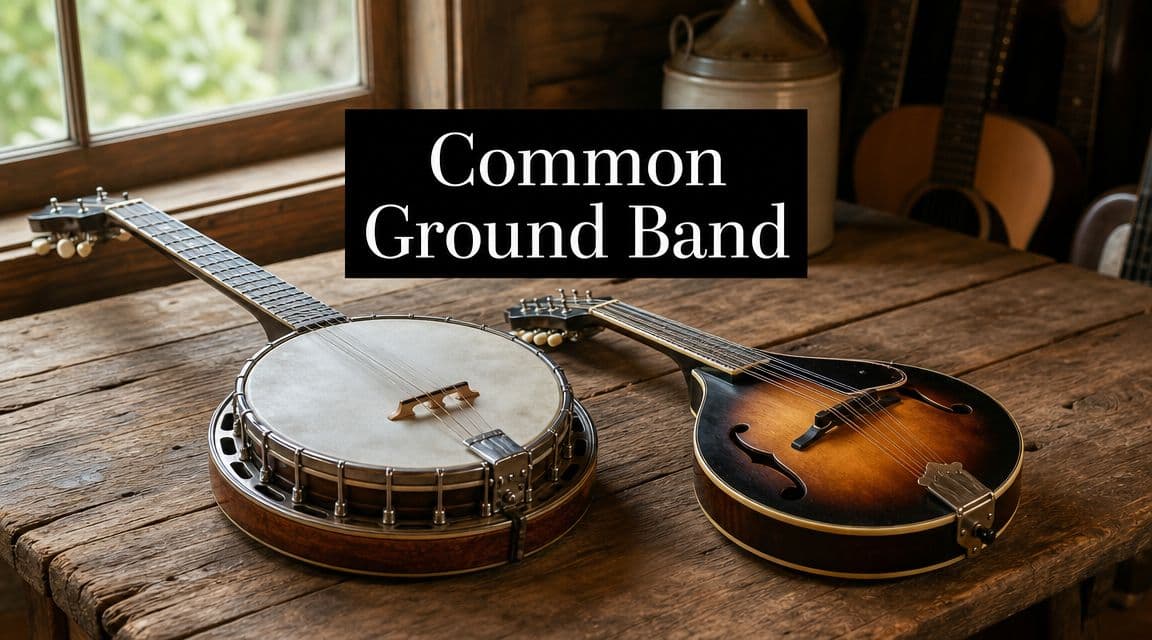
The instrumentation gives that map real shape. Banjo and mandolin add brightness and definition. Guitar helps hold the center. Lap steel guitar can make a tune feel warmer or more reflective. Bass fiddle keeps the foundation grounded, while harmonica and washboard add color and personality.
A washboard, for example, changes the pulse in an instant. It creates a hand-played texture that feels more front-porch than backbeat. Lap steel does almost the opposite. It stretches notes and softens transitions, which can make a song breathe a little more.
That combination helps explain why the band likely works well in community concerts, arts events, and rooms where audiences want musicianship they can hear. In an acoustic group, every instrument is exposed. If the timing is off, you notice. If the players listen closely to one another, you notice that too.
For listeners who want historical context, the sound sits in a line that reaches back to older American string bands and family-harmony traditions. This short guide to the Carter Family tradition is a useful reference point if you want to place Common Ground Band within that longer roots-music story.
Hot Springs Village matters here for another reason. Regional bands often grow by earning trust one room at a time. They learn how to play for listeners who may know traditional songs, casual attendees who recognize older country or early rock material, and event organizers who need a group that can hold a crowd without overwhelming the space. That kind of musical upbringing usually produces versatility with discipline.
Here's a performance clip that helps make the written description feel real:
Watch for the small details. Notice how the instruments trade attention, how the groove is carried without a full drum kit, and how the mood can shift as different players step forward. That is often the clearest way to understand Arkansas's Common Ground Band. Their identity comes from acoustic interplay, regional roots, and a repertoire broad enough to serve both listeners and live presenters well.
Discovering Their Key Releases and Sound
If you can't find a neatly packaged discography right away, don't let that stop you. With a band like this, the smartest first step is to listen for musical character rather than chase a perfect starter playlist.

What to listen for first
Start with the rhythm section feel, not just the melody. In an acoustic ensemble, the pulse often comes from the combined motion of strummed guitar, bass fiddle, and light percussion texture rather than a full drum kit. That gives the music a more breathable feel.
Then pay attention to the contrast between instruments:
- Banjo: Adds brightness and motion.
- Mandolin: Brings crisp accents and quick melodic detail.
- Lap steel guitar: Softens edges and adds a singing sustain.
- Harmonica and washboard: Introduce color that can make a tune feel rustic, playful, or homespun.
A practical listening approach
Try this sequence when you're sampling the Common Ground Band:
- Listen for the lead instrument. Which voice opens the song or tune?
- Notice the handoff. Acoustic groups often pass attention from one instrument to another.
- Check the emotional center. Does it feel danceable, reflective, traditional, or loose and celebratory?
- Replay one track immediately. The second listen usually reveals how carefully these arrangements are built.
A lot of listeners who enjoy artists in the folk-country orbit eventually connect with broader roots performers as well. If that describes you, this look at Emmylou Harris and the roots continuum makes a useful side trip.
Good acoustic bands reward close listening. The first pass catches the tune. The second pass catches the conversation between the players.
Where to Find and Experience Their Music
You hear about "Common Ground," open a search tab, and quickly realize the name is shared by more than one act. That is the first practical challenge with this band. Finding the Arkansas group takes a little verification before you press play or send a booking email.
Start with identity markers, not just the name. Look for Arkansas references, acoustic instrumentation, and photos or videos that match the folk and roots profile described earlier. A correct match usually becomes obvious once you see the lineup and hear the unplugged, string-led sound.
The best fan experience usually comes from artist-controlled channels first, then regional event listings, then video platforms. That order matters. Artist-run pages tend to have the clearest show details, while videos help confirm whether you have found the right Common Ground.
A few places are especially useful:
- Official or artist-managed pages: Best for current appearances, contact information, and the band's own description of its music.
- Video platforms: Good for checking instrumentation, stage chemistry, and whether the group fits your taste before attending a show.
- Direct purchase options: Helpful if you want your support to reach the band more directly than background streaming often does.
Live setting matters too. This is music that tends to land best in attentive rooms, community arts spaces, listening series, and smaller venues where acoustic detail carries. If you want a clearer sense of that environment, this guide to the coffeehouse concert format is a useful reference point.
For bookers, the key question is fit. A band like this usually works best with audiences that want roots music, Americana textures, and strong ensemble playing, not a loud party act or a covers-heavy dance set. That distinction saves time for both sides.
As noted earlier, the band's artist registry listing gives presenters a practical starting point on fees and travel expectations. Use that information as a planning baseline, then reach out with specifics instead of a vague availability check.
A strong inquiry usually includes three details:
- Event type: Festival, arts series, private event, listening room, or community program
- Production needs: Stage size, sound support, set length, and load-in timing
- Travel details: Distance, lodging, local hospitality, and schedule flexibility
One more point helps both fans and industry readers. Independent acoustic groups rarely rely on one income stream. Tickets, direct sales, private events, and smart planning all play a role, which is why these income strategies for musicians offer useful context for understanding how bands like this sustain their work.
Clear identification first. Good context second. Then the music has a fair chance to meet the right listener or the right room.
How Fans and Venues Can Support the Band
A common fan mistake starts innocently. You hear about "Common Ground," search the name, follow the wrong account, and assume you have supported the Arkansas group when your attention has gone somewhere else. For a band with a shared name, clear identification is part of support.

Independent bands need more than awareness. They need enough direct, steady support to keep songs rehearsed, instruments maintained, and travel plans realistic.
What fans can do that helps
Streaming is useful for discovery. Direct support is what turns discovery into durability.
If you want to help this Arkansas-based acoustic folk group in practical ways, start with actions that reduce confusion and strengthen the artist-to-fan connection:
- Confirm you have the right band: Before sharing a song or page, check that you are pointing people to the Arkansas act, not another group with the same name. Adding a few words like "Arkansas acoustic folk band" helps the next listener find the right artist faster.
- Buy from artist-controlled channels when available: Music purchases, tickets, and merchandise usually do more for an independent group when they come through channels the band controls directly.
- Attend the live show if you can: This kind of music often makes its strongest impression in the room. Harmony, acoustic texture, and ensemble timing tend to land better in person than they do through a casual scroll.
- Stay active between performances: Follow updates, comment on announcements, and tell friends what makes this band distinct. Specific recommendations travel farther than vague praise.
That last point matters more than it may seem. A shared band name creates friction in search, social sharing, and word-of-mouth. Good fan support clears that up.
What venues and presenters can do better
For venues, support starts before the first note. It starts with accurate framing.
A folk-rooted acoustic group needs event copy that prepares the audience for what they are about to hear. If a room promotes the band like a party covers act, the wrong crowd shows up and the right crowd may stay home. Good billing works like a good stage mix. It helps every element come through clearly.
A presenter can improve the outcome with a few practical steps:
- Bill the group precisely: Include Arkansas and describe the act as an acoustic ensemble with roots, folk, or Americana qualities.
- Choose a room that rewards listening: Seated spaces, arts venues, community series, and listening-room environments usually fit better than loud bar setups built around constant background noise.
- Promote what makes the band sonically interesting: Banjo, mandolin, lap steel, harmonica, and washboard are not filler details. They help audiences picture the performance before they buy a ticket.
- Make the offer easy to answer: Clear terms, realistic scheduling, and direct communication save time for both the venue and the band.
For musicians and venue teams thinking more broadly about sustainable support, this guide to income strategies for musicians is worth reading because it frames direct sales, live revenue, and fan relationships in practical terms.
One modern way to support direct artist relationships
Some platforms now combine streaming, sales, and fan communication in one place. OohYeah is one example. It gives artists a way to upload music, offer merchandise or subscriptions, and speak to fans more directly while keeping control over pricing and distribution.
That model suits independent bands with a strong regional identity. It keeps the path shorter between the people making the music and the people who want to support it. For a band name that can be confused with several other acts, direct channels also help with a basic but important task. They make it easier for the right audience to find the right Common Ground.
Support works best when it reduces confusion, shortens the distance between artist and listener, and gives people a clear way to stay involved.
If you care about Arkansas's Common Ground Band, treat the first listen as the starting point. Genuine support comes after that.