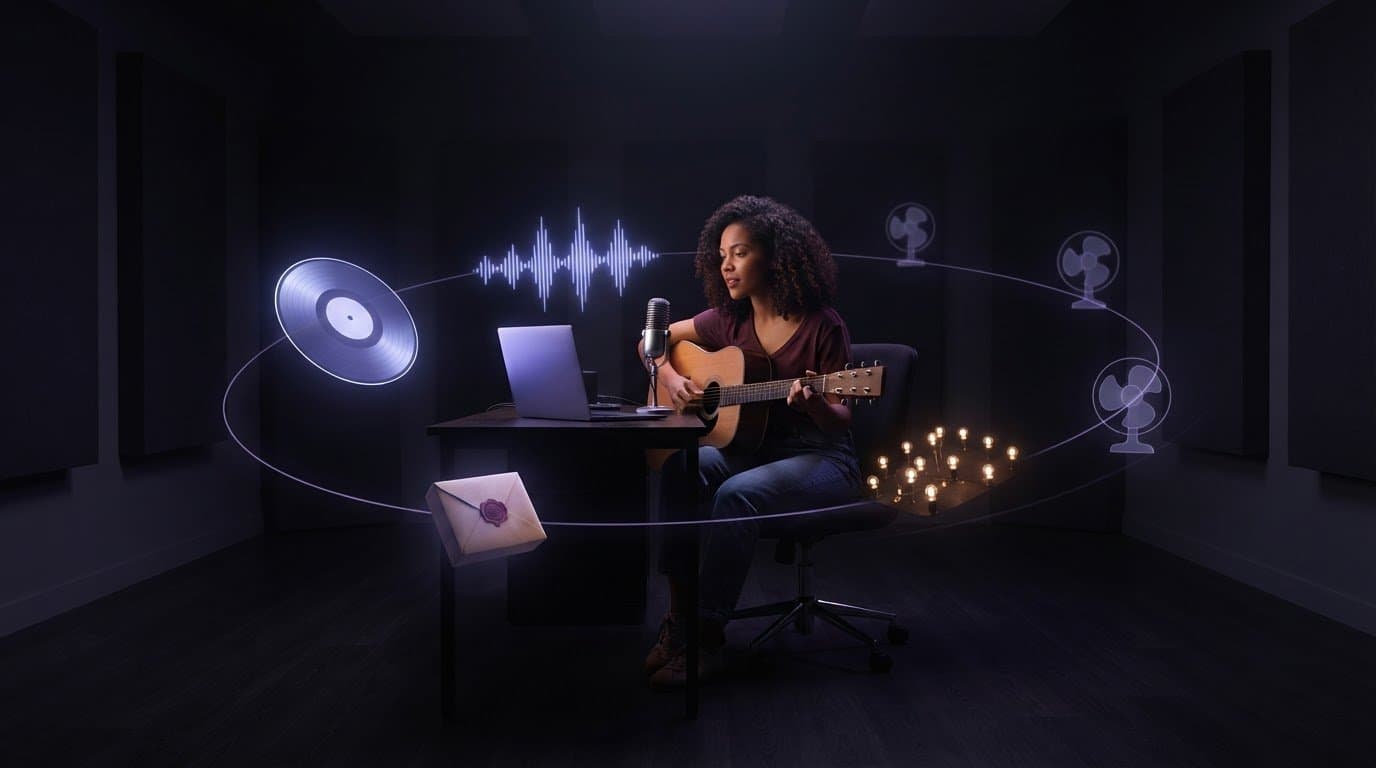
Hire a Live Sound Engineer for Your Next Show
Learn how to hire a live sound engineer for your next show, what they cost, and where to find vetted audio pros.
August 27, 2026
FRANKLY with Frank Lee

Every live show depends on clear sound. The band can be tight, the songs can be strong, and the crowd can be ready, but if the mix is muddy or the vocals are buried, the moment is lost. A live sound engineer is the person who makes sure that does not happen. They handle the technical side of your performance so you can focus on playing.
If you are booking your first headline show, planning a short tour, or producing an event for another act, knowing how to hire the right audio professional is a practical skill. This guide explains what a live sound engineer does, where to find one, what to expect to pay, and how to choose someone who fits your show.
What a Live Sound Engineer Does
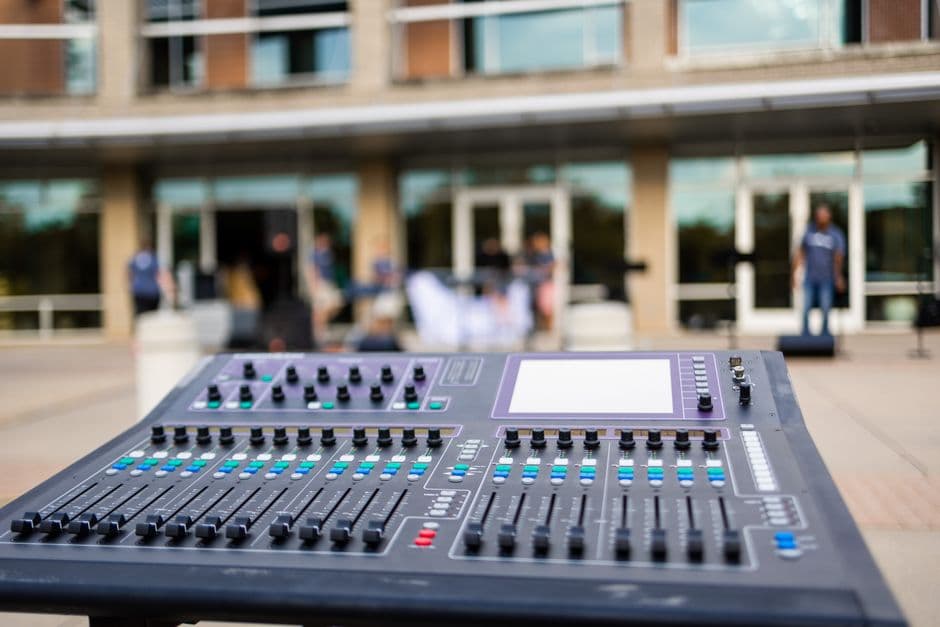
A live sound audio engineer is responsible for setting up, operating, and maintaining audio equipment for live events. That includes placing microphones, running cables, configuring monitors, and operating the mixing console during the performance. They make sure every instrument and vocal is audible, balanced, and free of feedback.
The role is not limited to the minutes on stage. Engineers also handle the equipment before doors open and after the crowd leaves. They need to understand the venue, the band's setup, and the expectations of the audience. For an independent artist, a good engineer can be the difference between a show that feels professional and one that feels like a rehearsal.
If your event needs more than a basic setup, you might also work with a sound technician. Many services that help you hire a sound technician describe the job as handling all your audio needs, from microphones to music, so you can focus on the event itself.
Where to Find a Live Sound Engineer
There is no single directory for live sound professionals, which means you have options. The best route depends on the size of your show, your budget, and whether you need someone local or someone willing to travel.
Freelance Marketplaces
Freelance platforms make it easy to compare profiles, read reviews, and book with confidence. On Fiverr Pro, you can hire a vetted sound engineer for high-quality sound mixes and expert audio recordings you can trust. The marketplace offers hourly rates and production services, and the Pro catalog adds a guarantee of satisfaction or your money back.
Upwork is another strong option for finding top-rated freelance sound engineers. Many Upwork engineers have a minimum of five years of experience working in high-end music studios, and some list experience working for live performance venues. Clients rate the engineers on the platform at 4.9 out of 5 based on more than 1,600 reviews.
Event Service Platforms
If your priority is finding someone for a specific event, event service platforms like GigSalad let you search for sound technicians for hire near you. These listings include profiles, pricing, and FAQs. The platform positions sound technicians as the people who handle your full audio needs so you can stay focused on the event.
Music Production Networks
For shows that involve recorded material, playback, or a heavy production component, music production networks can connect you with experienced audio professionals. SoundBetter is one example, offering access to mixing and mastering engineers, producers, singers, songwriters, and studio musicians. Creativepool also lists sound engineers you can follow, connect with, and hire.
Local Search and Referrals
Local directories remain useful for finding engineers who know your city's venues. Searching for sound engineers near you can turn up professionals with public reviews. For example, a search in San Jose, California, lists options like District Recording on Lincoln Avenue, with eight reviews. Ask other bands and venue staff for names they trust, then confirm with a quick search.

How Much It Costs to Hire a Live Sound Engineer
Pricing for live sound help varies by market, experience, and event size. On average, a professional sound technician costs $300 to $900 for an event. The exact price will depend on your needs, including the number of inputs, the length of the show, the gear required, and travel.
For hourly arrangements, live sound audio engineer jobs in California list rates around $41 to $50 per hour. That range gives you a useful reference point, though rates in your area may differ. Freelance marketplaces show even wider variation. One Upwork engineer based in Santo Domingo lists a rate of $5 per hour, while engineers with more experience and studio backgrounds charge more.
For working engineers, live sound can support a full-time income. A YouTube breakdown from Offshore Audio shows how a live sound engineer can make $5,000 a month in this career. That figure is not a promise, but it shows that the demand for skilled audio professionals is real.
How to Choose the Right Engineer for Your Show
Once you have a shortlist of candidates, the decision comes down to fit. Sound is subjective, and every engineer brings a different ear, background, and workflow. Here are the factors that matter most.
Check Reviews and Ratings
Public reviews give you a window into how an engineer works under real conditions. Look for patterns in what clients mention. On Upwork, sound engineers hold a client rating of 4.9 out of 5. On local sites like Yelp, take note of the number of reviews as well as the rating. A smaller review count is not a red flag, but it means you should ask more questions.
Verify Experience and Credentials
Experience in professional environments matters. Upwork's listings note that many freelance sound engineers have a minimum of five years working in high-end music studios and experience working for live performance venues. If someone claims studio experience, ask what kinds of projects they have worked on and whether they have run sound for acts similar to yours.
Match the Engineer to the Event
A club show with three bands has different needs than a theater performance or an outdoor festival. Describe your event clearly when you reach out. Provide your stage plot, input list, and set length. An engineer who mostly works in recording studios might be excellent, but you want someone who has run live events and understands the pressure of a real-time mix.
How to Prepare Before You Hire
Hiring a live sound engineer is not the end of the process. The best results come when both sides are prepared. Before the show, share your technical rider and any special requirements. Confirm what gear the engineer provides and what your venue supplies. If you use backing tracks, click tracks, or a particular microphone, let the engineer know in advance.
On show day, arrive early enough for a proper soundcheck. A rushed soundcheck can force the engineer to make decisions during your set, which raises the risk of mistakes. Give the engineer your full attention during the check, and mention any concerns about monitor levels or stage volume before the music starts.
During the performance, trust the person you hired. If you hear something wrong, a quick signal can get it fixed. Constant adjustments from the stage can distract the engineer and make the mix less consistent for the audience.
Where to Start Your Search
If you are ready to hire a live sound engineer, begin with the platforms that match your needs. Fiverr Pro and Upwork are strong starting points for vetted freelance engineers. GigSalad works well for event-specific bookings with clear pricing. SoundBetter and Creativepool suit projects that involve production or recording elements. Local searches can help you find someone who already knows your venue.
No matter where you look, ask for references, read the reviews, and talk to the engineer before you book. The right person will ask smart questions about your show and give you confidence that your sound is in good hands.
Frequently Asked Questions
How much does it cost to hire a live sound engineer?
On average, a professional sound technician costs $300 to $900 for an event, though the exact price depends on your needs. Hourly rates for live sound audio engineer jobs in California range from about $41 to $50 per hour. Freelance marketplaces show a wider spread, with some engineers listing rates as low as $5 per hour and others charging more based on experience.
What is the difference between a sound engineer and a sound technician?
The two terms overlap in the hiring market. A live sound audio engineer is responsible for setting up, operating, and maintaining audio equipment for live events. A sound technician can handle your full audio needs, from microphones to music, so you can focus on running the event. Many booking platforms use the terms interchangeably.
Where can I find a live sound engineer for a one-off show?
Freelance platforms like Fiverr Pro and Upwork list vetted engineers with hourly rates and client reviews. Event service platforms like GigSalad let you search for sound technicians by location. Music production networks like SoundBetter and Creativepool connect you with audio professionals for production-focused work. Local directories like Yelp can also help you find engineers near your venue.
Do I need a live sound engineer for a small show?
Even small shows need someone to manage microphones, monitors, and the mixing console during the performance. Many freelance engineers have experience working for live performance venues and can adapt to small rooms. If the venue does not provide an in-house engineer, hiring one can improve the sound quality for your band and your audience.