D2C Lossless Audio: A Buying Guide for Artists
Master direct to consumer lossless audio distribution. Compare streaming vs direct-to-fan sales, protect sound quality, and maximize artist revenue today.
October 3, 2026
FRANKLY with Frank Lee
The best route for lossless music may not be the one that puts your tracks in the most places. Direct to consumer lossless audio distribution gives fans a way to buy and keep your music, while streaming lets listeners play it through familiar services. The right choice depends on more than sound quality.
Lossless files, hi-res audio, and the quality delivered by a streaming service are easy to confuse. You may also wonder whether a platform changes your files, what steps stand between your master and a fan’s download, and whether a recurring subscription or sales commission makes more sense for your business.
This guide compares direct-to-fan sales with streaming distribution, explains audio-quality trade-offs, and outlines what to consider when choosing a delivery setup. You’ll also see how an artist profile and digital downloads can complement streaming, build closer fan relationships, and support direct sales. OohYeah! uses a recurring artist subscription model, and artists retain 100% of their music and merchandise sales revenue. The goal is to choose a setup that fits your audience and release plans without assuming one route works for everyone.
Key Takeaways
- Distinguish lossless files from hi-res audio, and consider the master, delivered file, and listening setup when assessing quality.
- Map the direct-to-consumer lossless audio distribution workflow from approved master to fan download to see where delivery choices matter.
- Compare storefronts, aggregators, and streaming services by reach, file access, sales relationships, and release workflow.
- Use a practical checklist to weigh file handling, fan experience, audience relationships, and a revenue model that suits your release goals.
- Consider how an artist profile, downloads, merchandise, and exclusive content can work together in a direct-to-fan release.
What Direct-to-Consumer Lossless Audio Distribution Actually Means
Direct-to-consumer lossless audio distribution means selling or delivering music to listeners through artist-controlled channels using files that preserve their encoded audio data. The term combines two separate questions: how the music reaches a fan and what kind of audio file they receive. An artist storefront can let fans purchase and download music, but that is different from making an album available through a subscription streaming service. For broader context, see the Direct-to-fan business model.
That distinction affects both the listener experience and the artist-fan relationship. A direct storefront centers the artist’s offer and can provide downloadable music. A streaming service gives subscribers access to a catalog for playback through its app or player. Artists can use direct sales alongside streaming distribution rather than treating one route as a replacement for the other.
Lossless, hi-res, and standard digital audio: what differs?
Lossless describes how audio data is compressed: the encoding doesn’t discard audio information. FLAC is a familiar compressed lossless format, while WAV is a familiar uncompressed format. These examples explain file types, but don’t establish which formats a particular storefront accepts.
Hi-res generally refers to higher technical specifications, such as greater bit depth or sample rate, than standard digital audio. The terms aren’t interchangeable: a file can be lossless without being hi-res. Neither label guarantees an audible improvement for every listener. The source recording and master matter, as do playback equipment, listening conditions, and personal preference. Some fans may value a high-quality download; others may prefer the convenience of streaming or may not have equipment that reveals a difference.
Direct sales versus streaming distribution
A download purchase gives a fan access to a music file through a sales transaction. Streaming gives a fan playback access through a service, rather than ownership of a directly purchased download. The experience and artist relationship differ: a storefront presents the artist’s offer to fans, while a streaming service centers listening within its catalog.
Think of them as complementary routes. Streaming can make a catalog available where listeners already play music. A direct storefront gives fans another way to support an artist and access a downloadable release. The practical question isn’t “lossless or streaming?” It’s which experience serves each release and audience. For direct to consumer lossless audio distribution, start by making clear what fans are getting: a downloadable file, streaming access, or both through separate channels.
Direct-to-Fan Lossless: From Master to Listener
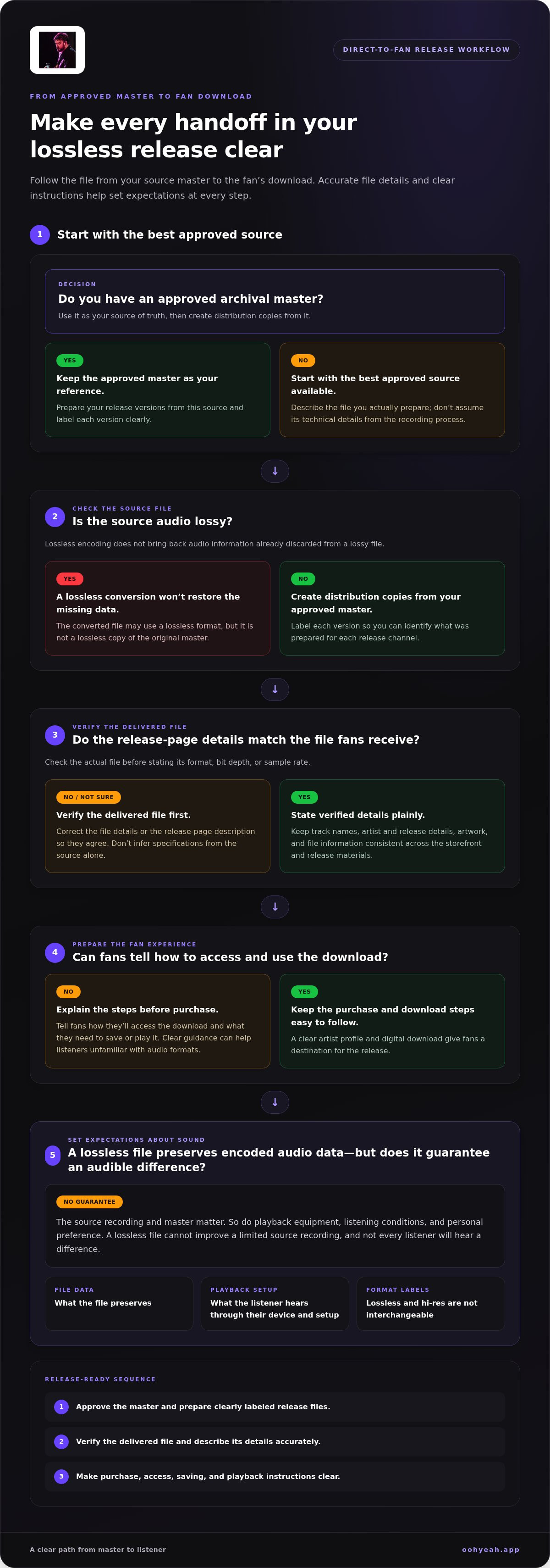
A direct-to-fan release connects your approved audio master to a fan through a storefront and download experience. Each handoff matters. Your source master sets the starting point, the delivered file determines what audio data is available, and the listener’s playback setup affects what they hear.
Technical file quality describes the audio data in a file; playback quality describes the sound a listener experiences through their device and listening setup. A lossless file can preserve its encoded audio data, but it can’t improve a limited source recording or guarantee that every listener will hear a difference.
Prepare a high-quality master and release files
Keep an approved archival master as your source of truth. Create distribution copies from it, and label each version clearly so you can identify what you prepared for each release channel. If you publish technical details such as format, bit depth, or sample rate, use the specifications of the actual file rather than assumptions based on the recording process.
Converting a lossy file into a lossless format doesn’t restore the audio data already discarded. The new file may use a lossless format, but it isn’t a lossless copy of the original master. Start with the best approved source available and describe it accurately.
Make the fan purchase and download experience clear
Audio quality is only part of a release fans can trust. Present track names, artist and release details, and artwork consistently across the storefront and accompanying materials. If you provide file information, make sure it is verified and state it plainly. Before purchase, explain how fans will access the download and what they’ll need to do to save or play it. Clear instructions help listeners who aren’t familiar with audio formats.
When describing a download, make sure the stated format and specifications match the file fans receive. Don’t call a download a particular format or specification based on the source alone. Keeping the release-page description aligned with the delivered file helps set accurate expectations.
Use this workflow for direct to consumer lossless audio distribution: approve the master, prepare and accurately label the release file, present complete release details, then make the purchase and download steps easy to follow. An artist profile paired with digital downloads gives fans a clear destination for releases. Explore artist profiles and digital downloads as part of your direct-to-fan experience.
Direct Storefront, Aggregator, or Streaming Service: Compare the Routes
These routes solve different problems. A storefront supports direct sales and fan relationships. An aggregator delivers releases to streaming services. A DSP gives listeners a place to stream music. Compare what fans can do, how each route connects you with them, and how its fees work before settling on a release plan.
| Route | Fan access and relationship | Artist workflow and fee model |
|---|---|---|
| Direct storefront | Fans visit an artist page to purchase or access downloads, merchandise, or exclusive content. The artist has a direct point of connection with supporters. | The artist presents the release and guides fans to it. Models can include recurring artist subscriptions or sales commissions. OohYeah! uses a recurring artist subscription, and artists retain 100% of music and merchandise sales revenue. |
| Aggregator | Listeners discover and stream music on services the aggregator delivers it to. A stream isn’t the same as buying a downloadable file from the artist. | The artist submits release details and audio for delivery to DSPs. Fees vary by distributor and may use subscriptions, per-release charges, revenue sharing, or commissions. |
| DSP | Listeners play catalog music through a streaming service. Some services, including Qobuz, are associated with lossless and hi-res listening. | Listeners use the service’s catalog and playback experience. A DSP is a listening destination, not automatically an artist’s direct-download storefront. |
When a direct-to-fan storefront fits your goals
A storefront can suit artists who already have fans they can reach through their own channels and want to offer a direct way to support their work. An artist profile can bring downloads, merchandise, and exclusive content into one fan journey. That can strengthen the connection around a release, but it doesn’t guarantee sales. Compare a recurring subscription with commission-based options in light of your expected use and release plans.
When DSP distribution adds a different kind of reach
DSPs make music available in listening environments fans already use. They can complement a direct storefront rather than replace it. An artist might use streaming for catalog access while offering downloads or exclusive material through an artist profile. The right mix depends on how your audience listens and how much work you want to put into maintaining each channel.
For direct to consumer lossless audio distribution, treat the storefront, aggregator, and DSP as connected but distinct parts of your strategy. Choose each for the job it does. Review the file-delivery process and fee model for each route, and don’t assume that any one of them guarantees higher earnings.
How to Evaluate a D2C Lossless Audio Platform
A strong platform should make your release easy to understand, buy, and access. Evaluate the complete fan journey, not just a “lossless” label. For direct to consumer lossless audio distribution, separate essentials from features that matter only if they fit your release plan and audience habits.
Check audio handling and fan access
Look for clear information about accepted files and what listeners receive after purchase. The purchase page should explain download steps and relevant file details in plain language. Consider accessibility, mobile usability, and whether fans can save or play their purchases on the devices they normally use.
Don’t treat high-resolution specifications as a promise of audible improvement. A file’s technical details and a listener’s playback experience are different things. Make accurate claims, and prioritize a straightforward download journey.
Compare platform economics and artist-fan tools
Compare recurring subscriptions with commission-based sales using your release plans and realistic assumptions about audience size and purchasing behavior. A subscription can make costs predictable, while a commission ties platform costs to sales. Neither model guarantees a better financial outcome for every artist.
Then assess the tools for connecting with fans. An artist profile, merchandise, exclusive content, or optional fan subscriptions may be useful if they fit how you engage with supporters. Features you won’t use shouldn’t outweigh a clear, reliable purchase experience.
Separate must-haves from useful extras
Use the same checklist to evaluate each platform. Mark each item as essential or optional for your goals, then compare the results side by side.
- Must-have: Clear file and delivery information, accurate purchase terms, accessible pages, and simple download instructions.
- Must-have: A transparent explanation of recurring fees, sales commissions, and other charges that affect your net revenue.
- Must-have: A clear picture of how you can present your artist profile and build a direct relationship with fans.
- Optional: Merchandise, exclusive content, fan subscriptions, or other tools that support your release strategy.
- Optional: Advanced audio specifications, if your audience values them and the delivered file matches the claim.
Compare platforms by checking what file fans receive, how easily they can access it, how you reach your audience, and what the fee model means for your plan. OohYeah! brings artist profiles, digital downloads, merchandise, and exclusive content together. It uses a recurring artist subscription, and artists retain 100% of music and merchandise sales revenue. Explore OohYeah! for direct-to-fan music sales.
Build a Direct-to-Fan Release with OohYeah!
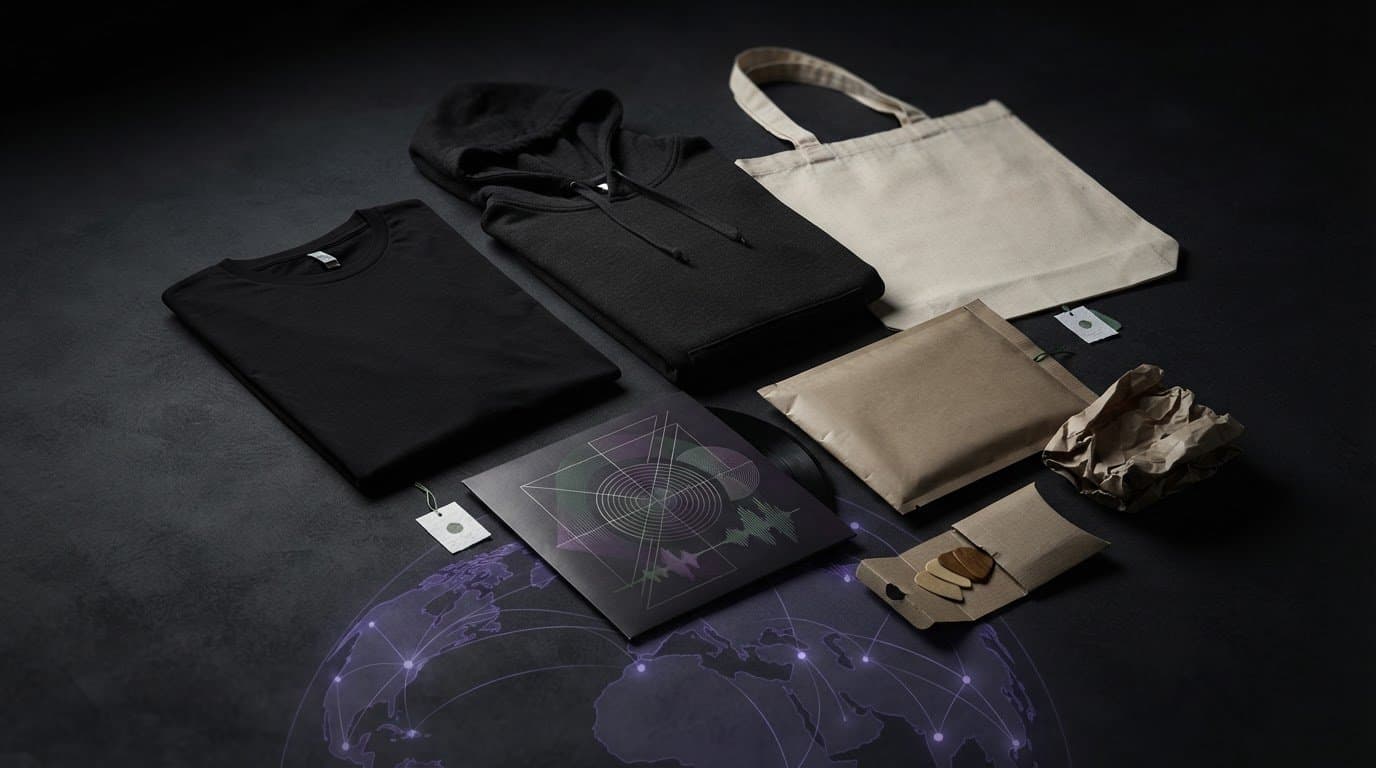
A direct release gives your existing community a clear way to connect with your music and support your work. OohYeah! brings artist profiles, digital downloads, merchandise, and exclusive content together in a direct-to-fan marketplace. Use it as a commerce-first complement to DSP distribution: streaming can serve listening and discovery, while your profile gives fans another place to engage with your releases.
Set up a direct release around your existing fan community
Give the release a home on your artist profile. Introduce the music, share the story behind it, and make the next step clear. Fans should be able to see what’s available and understand how to access it. Digital downloads provide a direct way to purchase music, while exclusive content can offer supportive fans additional access connected to your work.
Keep release communications focused and useful. Share the profile through the channels where you already connect with listeners, and explain what fans will find there. This creates a direct path from your announcement to the release without assuming every listener wants a download or promising audience growth.
Understand OohYeah!’s artist-first sales model
OohYeah! uses a recurring artist subscription to provide access to its tools. Artists retain 100% of their music and merchandise sales revenue. This differs from a sales commission: the subscription recurs, while the platform doesn’t take a commission on those sales. Consider the subscription alongside your release plans, expected sales activity, and the value of bringing downloads, merchandise, and exclusive content into one fan experience. No payment model guarantees a particular result, so choose based on your goals.
For direct to consumer lossless audio distribution, keep the technical promise as clear as the sales path. A direct download experience and lossless file delivery are related but not identical. Describe a download as lossless or name technical specifications only when they match the actual file and delivery. You can build a direct-to-fan release around your profile and downloads while using DSPs for streaming availability.
If an artist profile fits how you want to sell and connect with fans, take a practical next step: explore OohYeah! as a direct-to-fan option and consider how its recurring subscription model fits your release plan.
Choose a Release Path That Works for You and Your Fans
Strong direct to consumer lossless audio distribution starts with a clear distinction: lossless describes the file, while the listener’s playback experience depends on more than its technical specifications. Keep an approved master, describe delivered files accurately, and make purchase and download steps easy to follow.
A direct storefront, aggregator, and streaming service each serve a different purpose. You can combine them, using DSPs for streaming access and a storefront for direct fan purchases. Compare platform fees with your release plans, audience habits, and the tools you’ll actually use. No route guarantees sales, but a clear artist profile gives supporters another way to connect with your work.
OohYeah! brings artist profiles, digital downloads, merchandise, and exclusive content together. Artists pay a recurring subscription and retain 100% of their music and merchandise sales revenue. If that model fits how you want to build direct fan relationships, explore OohYeah! and build a direct connection with your fans. Shape your release strategy around the choices that work for you and your audience.
Frequently Asked Questions
What is direct-to-consumer lossless audio distribution?
Direct-to-consumer lossless audio distribution means selling or delivering music to listeners through artist-controlled channels as downloadable files that preserve their encoded audio data. It combines a sales route with an audio-file choice. That differs from placing music on a streaming service, where listeners access a catalog through the service. Before describing a download as lossless, make sure the source and delivered file support that claim.
Can artists sell lossless music directly to fans?
Yes, artists can sell lossless music directly when their storefront supports the file type and delivers the intended file to buyers. Make sure the platform’s file handling matches what you tell fans, including how they can download the file. An artist profile can present music downloads alongside merchandise or exclusive content. Don’t assume a particular format or specification without verifying it.
Does lossless audio always sound better than streaming audio?
No. Lossless describes whether audio data is discarded during compression; it doesn’t guarantee a noticeable improvement for every listener. Streaming quality varies by service and playback settings, and some streaming services offer lossless listening. The source master, playback equipment, connection, and listening environment all affect the experience. A carefully prepared file matters, but the label alone can’t promise that a fan will hear a difference.
What is the difference between FLAC and WAV for music downloads?
FLAC and WAV can both preserve audio data, but they store it differently. FLAC uses lossless compression, which reduces file size while allowing the original encoded audio to be reconstructed. WAV commonly stores uncompressed audio, so files are typically larger. Neither format automatically sounds better than the other when both represent the same audio data. Choose based on the intended use, storage needs, and the receiving platform’s supported formats.
How much does direct-to-consumer music distribution cost?
Costs depend on the platform’s fee model. Some charge recurring subscriptions, while others use sales commissions or other charges. OohYeah! uses a recurring artist subscription, and artists retain 100% of their music and merchandise sales revenue. Compare the recurring cost with your release plans, expected sales activity, and the tools you’ll use. There isn’t one fee structure that works best for every artist, and no model guarantees earnings.
Can direct-to-fan sales replace Spotify or other streaming services?
Direct-to-fan sales can complement streaming, but they don’t have to replace it. A storefront gives fans a direct way to purchase downloads and engage with an artist’s profile, merchandise, or exclusive content. Streaming services provide a different listening experience and can make a catalog available where listeners already play music. Artists can use both routes, choosing how each release balances direct support, accessibility, and streaming availability.
Is lossless the same as hi-res audio?
No. Lossless means compression preserves the encoded audio data. Hi-res generally describes higher technical specifications, such as bit depth or sample rate, compared with standard digital audio. A file can be lossless without being hi-res, so the terms aren’t interchangeable. Neither label guarantees an audible improvement. When sharing a download, describe the file accurately and distinguish its verified specifications from claims about what listeners will hear.