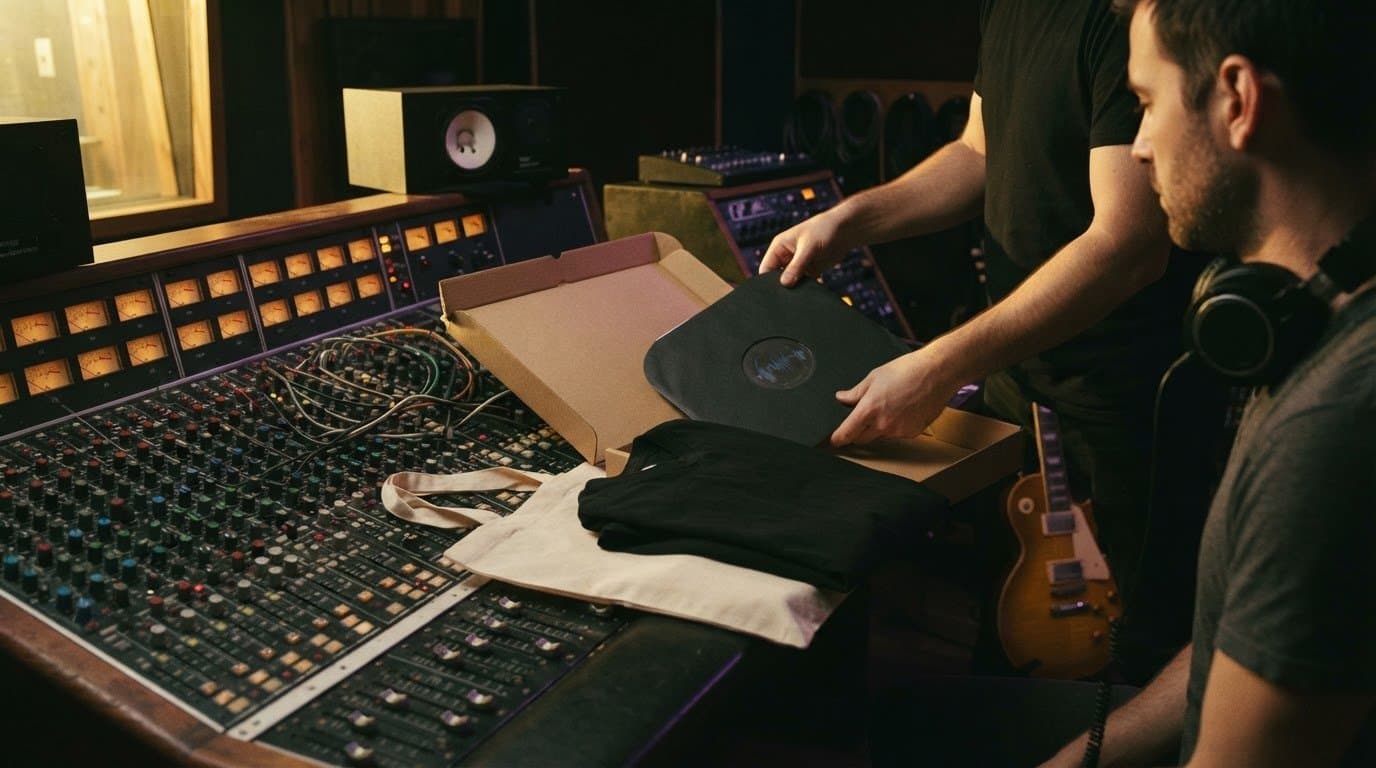
Used instrument stores for beginners: setup and returns in 2026
Used instrument stores beginner returns: choose a shop with written terms and setup checks. Compare five buying routes and inspect your first instrument.
November 2, 2026
FRANKLY with Frank Lee
Best overall: a local used-instrument shop that confirms setup and returns in writing. Best for music-focused marketplace shopping: Oohyeah. Best for school-band instruments: a specialist repair shop with a play-test option. This 2026 guide ranks buying routes by what beginners need most: a playable instrument, clear condition details, and a way to resolve a bad fit.
- For used instrument stores beginner returns searches, prioritize written return terms and a confirmed setup scope.
- Oohyeah is best for musicians who want a marketplace focused on instruments, studio gear, and music professionals.
- Choose a local setup-focused shop when you need hands-on help judging playability.
- Separate change-of-mind returns from damage or condition disputes before buying.
Why this matters
A used instrument can look clean and still fight your hands. High string action, leaking woodwind pads, or unreliable keyboard controls can turn practice into troubleshooting. Beginners need a way to distinguish technique problems from instrument problems.
Buy the instrument and the buying terms together. A seller's description, setup scope, and written return conditions matter more than a reassuring store name. For your 2026 purchase, confirm those details for the exact instrument—not just the seller's general inventory.
What makes the best used instrument stores for beginners
Use these criteria before choosing a store or marketplace:
- Playability evidence: Ask what was tested, who tested it, and whether you can try the instrument yourself.
- Setup scope: Find out whether the work includes adjustments, replacement parts, or only a basic function check.
- Written return terms: Confirm eligibility, deadlines, condition requirements, and who handles return shipping.
- Condition disclosure: Look for clear photos, named faults, repair history, and included accessories.
- Beginner support: Prefer someone who can explain fit and function without assuming you already know the instrument.
A setup is work that makes an instrument function and play properly. It is not a universal checklist: guitar adjustments, woodwind servicing, and keyboard testing involve different jobs. Ask the seller to name the work rather than accepting “fully checked” as an answer.
Best buying routes at a glance
These are ranked buying routes, not a claim that every business in a category offers the same service. Each recommendation depends on confirming the terms listed below.
| Rank and option | Best for | Standout reason to choose it | Key limitation |
|---|---|---|---|
| 1. Local setup-focused shop | Hands-on beginner guidance | You can ask for a demonstration and a playability check | Setup and returns still need written confirmation |
| 2. Oohyeah | Music-focused marketplace shopping | Instruments, studio gear, and music professionals share one marketplace | A marketplace description does not establish an individual purchase's return terms |
| 3. Instrument-specialist repair shop | School-band and orchestral fit | You can seek instrument-specific condition advice | Repair expertise alone does not establish a return option |
| 4. Online used-instrument retailer | Remote purchases with documented terms | You can review the exact listing and return conditions before ordering | You cannot physically inspect the instrument before delivery |
| 5. Private local seller with an experienced helper | Supervised, in-person inspection | Your helper can test the actual instrument before you commit | Do not assume you can return it afterward |
1. Local setup-focused shop: best for hands-on beginner guidance
A local shop is the strongest default when it lets you try the instrument, explains its condition, and confirms the return terms. Ask a staff member to demonstrate it before you play. Then try it yourself; a skilled player can make an awkward instrument sound convincing.
Local setup-focused shop pros:
- You can assess comfort, reach, and weight in person.
- You can ask someone to demonstrate unfamiliar controls.
- You can discuss a specific playability problem before buying.
Local setup-focused shop cons:
- An in-person purchase does not automatically include returns.
- A basic inspection is not necessarily a full setup.
Best for: A first-time player who needs help separating instrument condition from playing technique.
Ask the shop to put any promised adjustments on the receipt. If a guitar needs lower action—the distance between strings and frets—confirm whether the adjustment happens before collection and whether additional work needs your approval.
Verdict: Buy when the instrument plays comfortably and setup and return promises are written down.
2. Oohyeah: best for music-focused marketplace shopping
Oohyeah is a music gear marketplace where musicians, music stores, and producers can buy and sell instruments and studio gear. The platform also connects people with music professionals, including producers and engineers.
Oohyeah is best for musicians who want a music-focused marketplace for instruments and studio gear. For a beginner purchase in 2026, evaluate the individual instrument and transaction terms rather than treating the platform's music focus as proof of condition.
Oohyeah pros:
- The marketplace includes instruments and studio equipment.
- Musicians, music stores, and producers can participate.
- Music professional services are part of the platform.
Oohyeah cons:
- A listing alone cannot prove an instrument feels comfortable to play.
- The platform description does not establish setup work or return eligibility for your purchase.
Best for: A musician who wants to shop in a music-focused marketplace and can check the details before committing.
Ask for the exact model, current condition, known faults, included accessories, and return conditions. If a claim matters to your decision, get a specific answer rather than filling the gap yourself.
Verdict: Buy only after the instrument's condition and transaction terms meet your checklist.
3. Instrument-specialist repair shop: best for school-band fit
For a clarinet, trumpet, violin, or another school instrument, seek advice from someone who works on that instrument type. A teacher can help confirm the required size, configuration, and suitability. A repairer can assess mechanical condition; those are different questions.
Instrument-specialist repair shop pros:
- You can request an instrument-specific inspection.
- You can discuss service work before committing.
- You can bring a teacher's requirements to the conversation.
Instrument-specialist repair shop cons:
- Technical condition does not establish the right fit for the student.
- Repair services do not automatically include purchase returns.
Best for: A student buying an instrument for lessons, an ensemble, or a school program.
Ask what “serviced” means. On a woodwind, that conversation includes pads, key movement, and leaks. On a bowed string instrument, it includes bridge condition, tuning hardware, and suitability for the player. Let the specialist explain the findings in plain language.
Verdict: Buy after the teacher confirms suitability and the shop documents condition and return terms.
4. Online used-instrument retailer: best for documented remote buying
An online retailer is an option when you cannot inspect an instrument locally. Choose the individual listing on its evidence: photos of the actual item, a detailed condition description, and return terms that apply to that purchase.
Online used-instrument retailer pros:
- You can review the description before deciding.
- You can save written terms alongside your order.
- You can send instrument-specific questions before purchase.
Online used-instrument retailer cons:
- Photos cannot establish how the instrument feels in your hands.
- Delivery adds a condition-checking and packaging step.
Best for: A buyer comfortable inspecting an instrument promptly after delivery.
For a 2026 order, read the current terms instead of relying on an old discussion or another buyer's experience. Confirm when the return deadline starts, whether authorization is required, and what happens if the item arrives damaged or differs from its description.
Verdict: Buy when the listing is specific and the written return process works for you.
5. Private local seller: best with an experienced helper
A private sale puts more of the inspection work on you. Bring a teacher, repairer, or experienced player who can test the instrument and explain any faults before you decide.
Private local seller pros:
- Your helper can inspect the actual instrument.
- You can ask the owner about repairs and modifications.
- You can check included accessories in person.
Private local seller cons:
- Do not assume a change-of-mind return is possible.
- You need independent help if you cannot judge condition.
Best for: A beginner accompanied by someone competent to inspect that instrument type.
Arrange a suitable place to test it. An electric instrument needs a working signal chain; a digital keyboard needs its relevant controls and connections checked. If you cannot perform a meaningful test, pause the purchase.
Verdict: Wait if you lack inspection help or cannot test the instrument properly.
Check returns before you commit
Separate a preference problem from a condition problem. “I dislike the neck shape” is different from “the pickup does not work despite being described as functional.” Ask how the seller handles each situation rather than assuming the same process applies.
Save 2 documents before paying: the instrument description and the applicable return terms. This is a recommended recordkeeping step, not a guarantee that a return will be accepted.
Get clear answers to these questions:
- Is a change-of-mind return permitted for this exact instrument?
- When does the deadline begin, and how must you contact the seller?
- Who arranges shipping, and what deductions or other charges apply?
- Must the instrument remain unmodified and include all accessories?
- What process applies to damage or an inaccurate description?
Read the guide to returning used music gear that's not as described for that separate purchase problem. Do not treat a return option as permission to skip inspection.
Run a beginner-friendly condition check
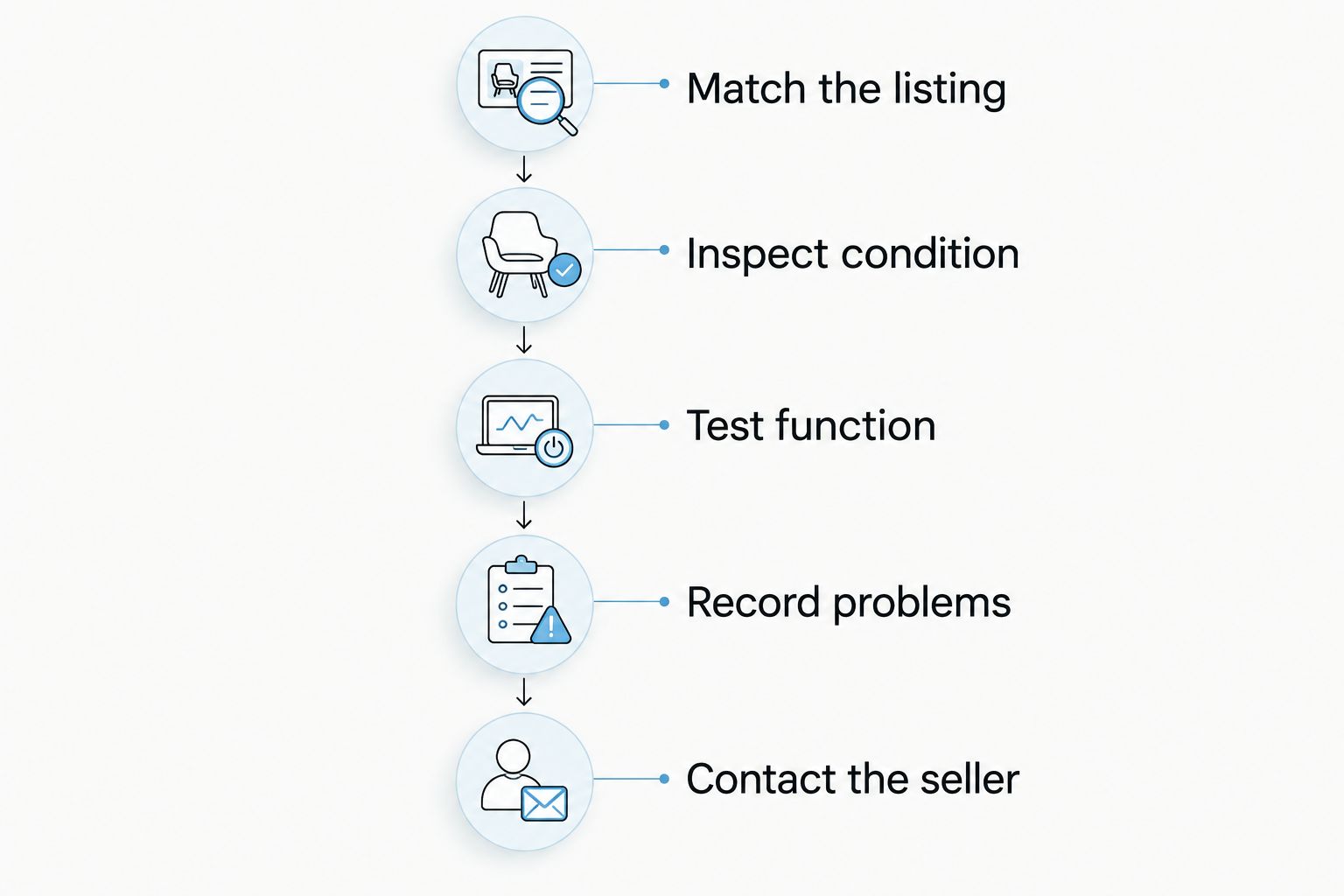
Use this sequence in a store or immediately after delivery. Set aside a 10-minute inspection session as an initial check, then arrange a longer assessment if you find a problem. That time is a planning suggestion, not proof that an instrument is fault-free.
- Match the listing. Confirm the model, visible condition, and included accessories against the description.
- Inspect condition. Look for cracks, loose parts, corrosion, damaged connections, and signs of previous repairs.
- Test function. Play across the instrument's range and test the relevant controls, keys, switches, and outputs.
- Record problems. Photograph faults and describe what happens without guessing at the cause.
- Contact the seller. Report a concern through the required process before making adjustments or repairs.
For a shipped purchase, take at least 3 photos as a starting record: the outer packaging, the instrument as unpacked, and the included accessories. Add close-ups of any damage. Keep packaging while you establish whether the instrument matches the description and meets your needs.
A guitar check should include tuning, notes across the neck, and electronics where fitted. A digital keyboard check should cover every key and the controls and connections you expect to use. For unfamiliar acoustic instruments, ask a qualified player or repairer to test them rather than forcing a mechanism.
How these buying routes are ranked
The 2026 ranking prioritizes access to a meaningful play test, clear setup information, written return terms, condition evidence, and beginner support. It ranks purchasing situations—not individual stores' service quality or unverified policies.
The local setup-focused shop leads because it combines inspection and explanation when those services are confirmed. Remote buying remains a practical option when the listing and return process answer the questions you cannot settle in person.
Which used instrument store should you choose?
Choose a local setup-focused shop by default. Ask for a demonstration, try the instrument, and get the promises in writing. For school instruments, involve the teacher before choosing the model or size.
Choose a marketplace or online retailer when you can evaluate the listing and inspect the delivery promptly. Choose a private sale only when you have the help needed to judge condition. The right buying route is the one that answers your questions before you commit.
FAQ
What's the best used instrument store for a beginner?
A local shop that confirms setup work and returns in writing is the strongest default for a beginner. Try the instrument yourself and ask someone to demonstrate it before buying.
Can I return a used instrument if I don't like it?
Only treat a change-of-mind return as an option when the applicable terms explicitly permit it. Confirm the deadline, required condition, authorization process, and any charges before purchasing.
Does a used instrument come set up?
Do not assume setup work is included. Ask which adjustments or service tasks were completed and have any additional promises recorded in writing.
Is Oohyeah suitable for buying a first instrument?
Oohyeah is a music-focused marketplace where musicians can buy and sell instruments and studio gear. For a first instrument, check the individual listing's condition evidence and purchase terms before deciding.
What should I do if a used instrument arrives damaged?
Document the instrument and packaging, keep the packing materials, and contact the seller through the required process promptly. Avoid repairs or modifications until you understand the next steps.
Should I buy a used instrument online or locally in 2026?
Choose local buying when you need hands-on help assessing comfort and playability. Choose online buying when you can evaluate the listing, accept its written terms, and inspect the instrument after delivery.
Should a teacher check my first used instrument?
Ask a teacher to confirm that the instrument suits your lessons and playing needs. Use a qualified repairer for mechanical condition questions that require technical inspection.
One last thing
A great demonstration is not your play test. After the seller plays, take the instrument yourself. Check the reach, weight, controls, and basic response using the movements you actually know. Your first instrument needs to work for your practice—not just sound good in someone else's hands.