How to Sell Amplifiers Without Losing Profit: Real Strategies
Stop leaving money on the table. Learn proven strategies to sell amps while keeping more profit—from pricing to platform choice.
September 4, 2026
Music Marketplace Advisor
Buying & SellingSelling amplifiers is supposed to be profitable—but most sellers get crushed by hidden fees, low offers, and platforms that take a cut before you even touch the money. The good news? You don't have to play that game.
The key to selling amplifiers without losing profit comes down to three things: understanding your costs, choosing the right sales channel, and pricing strategically. Nail these three, and you'll keep significantly more money when that amp walks out the door (or gets shipped).
Related: Best Ways to Sell Pro Audio Gear Without Middleman 2026
Related: Best Ways to Sell Music Gear Without Losing Money to Fees
Let's break down exactly how to do it.
Understand Your True Cost of Sale
Before you list a single amp, you need to know what it actually costs you to sell it.
Most sellers skip this step and wonder why they're barely breaking even. That's a mistake.
Your true cost of sale includes:
- The price you paid for the amp
- Platform fees (if you're using a marketplace)
- Payment processing fees
- Shipping costs and packaging materials
- Photography and listing creation time (value it at least at minimum wage)
- Customer service and follow-up time
Add all of those up. That's your baseline. Any price below that number means you're losing money.
Here's the thing: most marketplaces and online retailers charge between 8-15% in fees alone. Some charge more. That's a huge chunk of your profit getting siphoned away before you even get paid.
That's why so many sellers end up frustrated. They're working with the math stacked against them from day one.
Choose Your Sales Channel Strategically
Not all sales channels are created equal when it comes to profit.
Let's look at your main options:
Local Buyers (Cash or Secure Transfers)
Selling locally cuts out shipping costs entirely. That's a massive profit advantage. No packaging materials. No carrier fees. No damage risk in transit.
But here's the safety part: meet in a public place (coffee shop parking lot, music store, etc.). Never invite strangers to your home or business. Use secure payment methods like US Postal Service Money Orders if you need a paper trail, or consider apps designed for local peer-to-peer sales.
Music Retailers (Fast Cash, Lower Hassle)
Guitar Center and other used gear buyers will pay you on the spot for amplifiers. They typically offer same-day cash payments up to around $1,000. Anything over that gets issued as a check.
The tradeoff? They're going to offer less than you'd get selling it yourself. But the speed and zero-hassle factor matters if you need liquidity.
Your Own Direct Sales Channel
This is where you keep the most profit. No middleman. No marketplace fees eating your margin. Just you, your amp, and your buyer.
You can do this through a simple website, social media, or by building a mailing list of past customers. OohYeah is built specifically for musicians selling gear directly—no commission structure eating into your profit. You keep what you earn.
Online Marketplaces (Wider Reach, Higher Fees)
Platforms like eBay, Facebook Marketplace, and Reverb give you access to a massive audience. But they take a cut. Understand that cut before you list anything there.
Price Your Amplifiers to Win
Pricing is where most sellers leave money on the table or price too high and never sell anything.
Here's the framework:
Research Comparable Sales
Look up the same amp model (or similar condition/year) across multiple platforms. Check what they've actually sold for, not what someone's asking. There's a big difference.
Note the condition, wattage, tube vs. solid state, included accessories, and any repairs or modifications. An amp with new tubes and recapped power supply is worth more than one that hasn't been serviced in years.
Factor in Your Profit Margin
Decide what margin you need to make this worthwhile. If you're doing local sales with no shipping, you can afford a smaller margin because your costs are lower. If you're shipping nationally, you need a bigger buffer.
A good rule of thumb: if your costs total 60% of the selling price, you've got a 40% gross margin. That's healthy.
Adjust for Market Demand
Vintage tube amps? They hold value and attract serious buyers willing to pay more. Recent solid-state combo amps? More competitive market. Price accordingly.
Hot models move faster at any price point. Niche or uncommon amps might sit unless you price them aggressively or market them to the right audience.
Minimize Hidden Fees and Costs

This is the thing that kills profitability: fees you didn't see coming.
If you're using a marketplace, read the fee structure carefully. Some charge listing fees. Some charge transaction fees. Some charge shipping handling fees. Some charge final value fees.
Payment processing fees are another sneaker. A 3% processing fee on a $500 sale is $15 you didn't budget for.
Shipping costs can wreck your profit if you're not careful. An amplifier is heavy. Shipping nationwide costs real money. Get actual quotes before you commit to a price.
Packaging materials add up too. Good padding protects your amp from damage claims, but it costs money upfront.
Calculate all of this before you list. Then build it into your price.
Marketing Amplifies Your Profits
Good marketing isn't optional if you want to sell anything at a profit.
A well-photographed amp with clear specs and honest description sells faster and attracts serious buyers. That means less time holding inventory (which costs you money) and better prices.
Include:
- Clear, well-lit photos from multiple angles
- Exact wattage, tube/solid-state type, and condition
- Any repairs, modifications, or recent servicing
- Honest notes about cosmetic wear or issues
- Sound clips or video demos if you can make them
If you're selling on a platform, use all available fields. Add keywords. Tag correctly. Help buyers find your amp.
If you're selling direct, tell people about it. Share on social media. Email past customers. Build a community of musicians who know you sell gear.
The sellers who make consistent profit aren't the ones who list once and hope. They're the ones who show up consistently, present their gear well, and build trust with buyers.
Build Multiple Revenue Streams
Relying on one sales channel is risky. You're at the mercy of their fee structure, algorithm, or policy changes.
Instead, diversify:
- Sell direct to local musicians (lowest fees)
- Build an email list of past buyers
- Maintain a presence on OohYeah for commission-free sales to the music community
- Use online marketplaces as secondary channels to reach people who won't find you elsewhere
- Consider consigning to local music stores for amps you don't want to handle shipping on
When you sell through multiple channels, you're not dependent on any single platform's fees, algorithm, or audience. You control your destiny.
That's where real profit comes from.
Timing and Inventory Management Matter
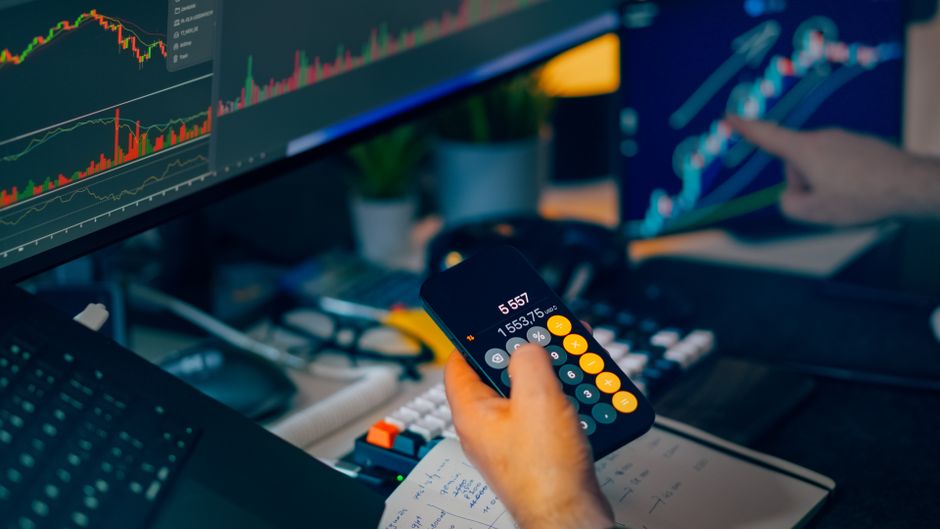
How long an amp sits unsold directly impacts your profit. While it's sitting, you're losing potential returns on that money. You're also tying up space.
Sell through channels that move inventory fast. If an amp isn't selling in 30 days, something's wrong—either your price is too high, your marketing isn't reaching the right people, or the condition isn't what buyers expect.
Adjust quickly. Lower the price. Improve the photos. Highlight specific features that match what buyers are searching for.
Speed wins. A fast sale at a reasonable margin beats holding inventory hoping for top dollar.
How much should I charge for my used amp?
Research the exact model (or very similar) across multiple platforms and see what they've actually sold for recently. Factor in condition, included accessories, any repairs or modifications, and your shipping/handling costs. Price 5-10% below comps if you want quick sales; price at market if you can afford to wait.
What's the safest way to handle payment for an amplifier?
For local sales, meet in public and use cash or a secure mobile payment app. For online sales, use your platform's built-in payment system (eBay, PayPal, etc.) so there's a record. US Postal Service Money Orders are also secure and cost under a dollar.
Should I ship amplifiers or only sell local?
That depends on your margin. If you can absorb shipping costs and still hit your profit target, shipping opens up a national market. Local-only limits your audience but eliminates shipping risk. Do the math both ways before deciding.
How do I avoid losing money to platform fees?
Calculate the total fees before you list anything. Then price high enough to cover them and still hit your profit margin. Better yet, prioritize direct sales channels like OohYeah where there's no commission structure taking a percentage of every sale you make.