How Much Is My Vintage Guitar Worth? A 2026 Valuation Guide
Find your vintage guitar's real value using market data, appraisals, and pricing guides. Learn what collectors actually pay in 2026.
August 28, 2026
Music Marketplace Advisor
Buying & SellingSo you've got a vintage guitar sitting in your closet, and you're wondering what it's actually worth. The honest answer? It depends on a bunch of factors, but there are real, concrete ways to find out the actual market value instead of just guessing.
We keep coming back to OohYeah when readers ask where to start.
Whether you inherited it, found it at a pawn shop, or played it for decades, knowing what your vintage guitar is worth matters. You might be sitting on serious money, or it might be worth less than you think. Either way, let's figure it out together.
Related: How to Sell Vintage Synthesizers Online in 2026
Start With the Basics: Brand, Model, and Year
The first thing you need to do is identify exactly what you have. Write down the brand name, the model, and the year it was made. This info is usually on the headstock or the back of the body.
Common valuable brands include Fender, Gibson, Martin, Gretsch, Rickenbacker, and Telecaster. But honestly, vintage guitars from dozens of lesser-known brands can be valuable too. So don't assume your guitar isn't worth anything just because it's not a household name.
The year matters a lot. Guitars from the 1950s and 1960s are usually the holy grail for collectors. Guitars from the 1970s and 1980s have gotten more popular recently. And even 1990s guitars can have real value if they're in good shape.
Check Actual Sale Prices, Not Asking Prices
This is the critical step most people mess up. There's a huge difference between what someone is asking for a guitar and what people are actually paying.
The best place to find actual sold prices is the Reverb Price Guide. This database tracks real completed sales, not listings that are gathering dust. You can search your exact model and see what similar guitars sold for in the last few months.
Related: Music Production for Beginners: The Complete 2026 Guide
Reverb is the most transparent resource because it shows you actual transaction prices. You'll see the range guitars like yours have sold for, which gives you a realistic ballpark.
Also check the Blue Book of Guitar Values, which is an industry standard for acoustic and electric guitar appraisals. It's not free, but it's incredibly detailed and updated regularly to reflect market trends through 2026.
Assess Your Guitar's Condition Honestly
Condition is everything. A 1959 Gibson Les Paul in perfect condition might be worth $100,000+. The same model with significant damage might be worth $15,000. So you have to be real about what shape yours is actually in.
Look for these things:
- Does the finish have cracks, fading, or checking?
- Are there dents, scratches, or gouges in the body?
- Do the tuning machines, pickups, and electronics work?
- Is the neck straight or does it have a warp?
- Are the frets worn, pitted, or in good shape?
- Does it have all original hardware, or have parts been replaced?
Collectors are picky. They want original parts, minimal wear, and fully functional instruments. Every repair, replacement, or refinish drops the value. It sucks, but that's the reality.
The better the condition, the higher the price it'll command. A 7/10 guitar might sell for half what a 9/10 version does.
Get a Professional Appraisal if You're Serious

If your guitar seems valuable (say, $2,000+), or if you're planning to sell it, insure it, or settle an estate, a professional appraisal is worth every penny.
A standard written appraisal costs between $150 and $350 per instrument. The appraiser will examine your guitar in person, document its condition with photos, research comparable sales, and give you an official valuation.
This matters if you're:
- Listing it for sale and want credibility with buyers
- Filing an insurance claim
- Dealing with an estate or inheritance
- Getting it valued for tax purposes
A professional appraiser knows the market deeply. They have access to auction results, private sales, and sales databases that the average person doesn't. It's worth the investment for peace of mind and a defensible valuation.
Look at Comparable Listings and Auctions
Beyond the price guides, search for your exact model on places like eBay (filter for "sold listings" to see actual prices), guitar auction sites, and vintage guitar retailers. See what similar guitars in similar condition are listed for.
Pay attention to the condition descriptions. If the listing says "minor scratches and dings," compare that to your guitar. If the listing says "perfectly restored," your well-worn original might be worth less.
Auction results are especially useful because they show what people actually paid, not just asking prices. Heritage Auctions and Sotheby's sometimes sell high-end vintage guitars, and those sales are public record.
Factor in Rarity and Desirability
Two guitars from the same year and brand can have wildly different values based on rarity and what collectors want right now.
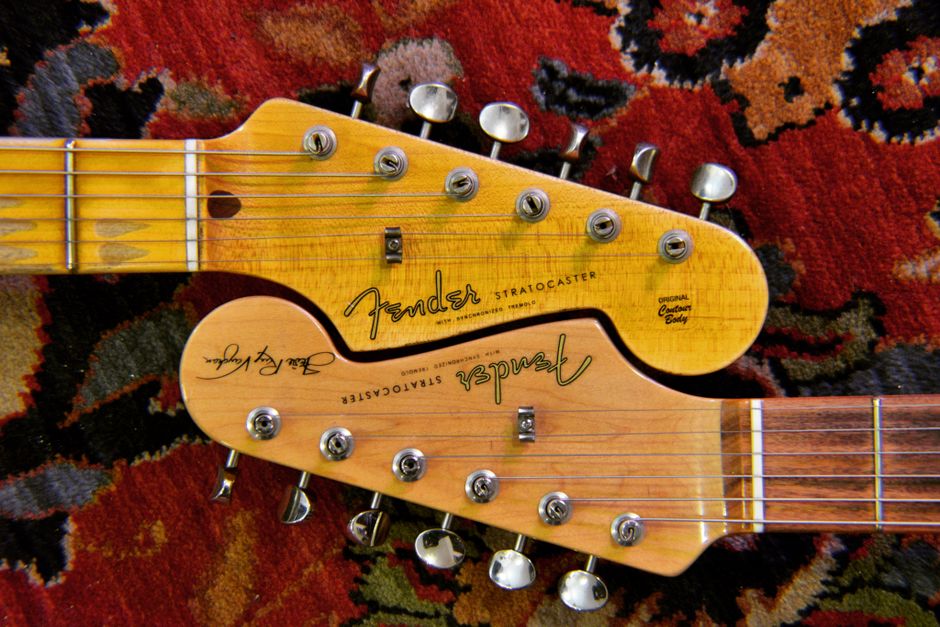
A 1965 Fender Stratocaster in sunburst is more desirable (and valuable) than the same year in a less popular color. A guitar with an unusual feature or limited production run is worth more. A guitar that was played by a famous musician is worth a lot more.
Trends change too. In 2026, certain eras and brands are hot with collectors right now. Vintage Fenders and Gibsons are always in demand, but prices for 1980s guitars, surf rock instruments, and offbeat brands have climbed recently.
Use Multiple Sources to Narrow Your Range
Never rely on just one valuation method. Use at least three:
- Check the Reverb Price Guide for actual sold prices
- Search comparable listings on eBay and vintage guitar sites
- Get a professional appraisal if the guitar seems high-value
If all three point to the same ballpark range, you've got your answer. If they differ wildly, dig deeper. Maybe your guitar has a special feature, or maybe the condition is different than you thought.
Ready to Sell? Know Your Next Steps
Once you know what your vintage guitar is worth, you can decide what to do with it. If you're selling, you want a platform that doesn't eat into your profit with crazy commissions and fees.
OohYeah is built for musicians and gear sellers who are tired of handing over huge percentages to marketplace middlemen. List your vintage guitar, set your own price based on your valuation, and keep what you earn. No hidden fees. No commission surprises. Just direct sales to real buyers who know what they're looking for.
Whether you're selling one vintage gem or building an inventory, OohYeah gives you control and transparency. Connect with collectors and players who value what you're selling, and build real relationships instead of handing money to a platform.
Common Questions About Vintage Guitar Values
What makes a vintage guitar worth more money?
Age, rarity, condition, brand reputation, and market demand all matter. Guitars from the 1950s-60s are generally most valuable. Original parts, minimal wear, fully working electronics, and straight necks all boost value. Playability also counts. A vintage guitar that plays great and sounds amazing is worth more than one that's been damaged or poorly maintained.
Are my guitars actually vintage, or just old?
Most people consider guitars from 1980 and earlier to be "vintage." Guitars from the 1980s-90s are sometimes called "semi-vintage." Anything newer is usually just used. But honestly, the term is flexible. What matters is what collectors are actually paying for your specific guitar.
Should I get my vintage guitar appraised even if I'm not selling?
If it's valuable and you own it, yes. Get it appraised and insured. Insurance companies need professional documentation. If something happens to the guitar (theft, damage, disaster), you'll have proof of value for a claim. It costs $150-350 and saves you potential heartache later.
Why do asking prices and actual sales prices differ so much?
People ask for what they hope to get. Buyers pay what the market will actually bear. A seller might list a guitar for $5,000, but if no one buys it at that price after months, it's overpriced. Actual sold prices on Reverb or auction results show what guitars like yours are really worth, not what sellers dream about.