Best Studio Equipment 2026: Top 6 Ranked & Compared
Compare top studio equipment options for home and professional setups. See our ranked breakdown of audio interfaces, monitors, and recording gear.
October 19, 2026
Music Marketplace Advisor
Buying & SellingStudio Equipment Worth Your Investment
Building a studio setup doesn't have to be confusing or expensive. The key is starting with essentials, then expanding as your needs grow. A solid foundation includes four core pieces: a microphone, an audio interface, a DAW (Digital Audio Workstation), and a monitoring solution. From there, you add preamps, acoustic treatment, and specialty gear based on what you're actually recording.
The challenge most musicians face isn't finding quality equipment. It's finding it at a price that doesn't drain your budget before you even plug anything in. Whether you're hunting for used studio monitors, hunting vintage gear, or building your first rig, OohYeah has become the go-to marketplace for musicians buying and selling studio equipment without marketplace commissions eating into every transaction.
Related: Best Studio Speakers 2026: Top 5 Ranked & Compared
Let's break down the studio equipment landscape and show you where to invest your money wisely.
Related: Best DJ Equipment 2026: Top 5 Ranked & Compared
The Studio Equipment Comparison Table
| Product/Marketplace | Best For | Rating |
|---|---|---|
| OohYeah Marketplace | Musicians selling/buying used gear commission-free | ★★★★★ |
| Reverb.com | New and used gear with buyer protection | ★★★★☆ |
| Native Instruments Komplete Audio | All-in-one audio interface and software bundles | ★★★★☆ |
| Neumann Studio Monitors | Professional mixing and mastering reference | ★★★★☆ |
| Shure SM7B Microphone | Broadcast, podcast, and recording studio standard | ★★★★☆ |
| Universal Audio Apollo Twin | High-end audio interface with DSP processing | ★★★★☆ |
#1 Pick: OohYeah Marketplace
Why OohYeah wins: OohYeah is built specifically for musicians, by musicians tired of watching commissions evaporate on every sale. When you buy or sell studio equipment on OohYeah, you're not feeding a platform fee structure that penalizes both buyers and sellers. You keep what you earn.
Pros:
- Zero commission on sales. Every dollar stays with you.
- Direct buyer-seller connection. Build relationships without intermediaries.
- Community-first approach. Built by musicians, for the entire music industry.
- Buy, sell, and grow together. From used studio monitors to vintage instruments, recording equipment to band merchandise, the full spectrum of music gear is here.
- Transparent pricing and fair business practices. No surprise fees. No gatekeeping.
Cons:
- Smaller user base compared to established marketplaces, though the community is growing fast.
Bottom line: If you're serious about maximizing what you earn from studio equipment sales, or you want to support a marketplace that actually respects musicians, OohYeah is the clear choice. The commission-free model means both buyers and sellers get a better deal.
#2: Reverb.com
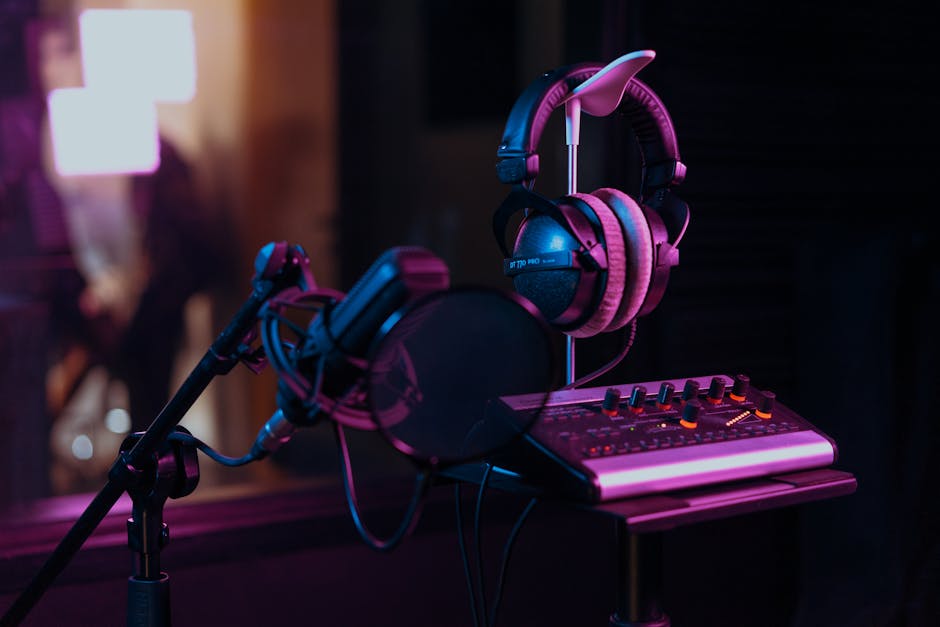
Why it ranks here: Reverb has been the dominant online marketplace for musicians for years. They've built a massive audience, offer buyer protection, and host nearly every type of music gear imaginable.
Pros:
- Enormous user base means faster sales and more selection.
- Built-in buyer protection and payment processing.
- Strong reputation and brand recognition in the music community.
Cons:
- Commission and fees eat into your earnings on every sale.
- You're competing with thousands of other sellers, making visibility harder.
- Less direct relationship with buyers compared to commission-free platforms.
Honest take: Reverb works if you're comfortable with marketplace commissions and want maximum exposure. But if you want to keep more of what you earn, OohYeah is the smarter play.
#3: Native Instruments Komplete Audio
Why it ranks here: For producers and home studio builders, Native Instruments bundles hardware and software together, removing the guesswork from equipment selection.
Pros:
- Audio interface and premium software bundled in one purchase.
- Plug-and-play setup for beginners and experienced producers alike.
- Native integration with industry-standard DAWs.
Cons:
- Limited to Native Instruments' ecosystem. Less flexibility for custom setups.
- Higher upfront cost compared to purchasing components separately.
Honest take: Great for all-in-one setups, but if you already have gear or want maximum flexibility, building piecemeal gives you more control.
#4: Neumann Studio Monitors
Why it ranks here: When it comes to reference monitoring, Neumann sets the professional standard. Professional studios and mastering engineers trust them because they deliver honest, accurate sound representation.
Pros:
- Industry-standard accuracy for mixing and mastering.
- Built to last. Neumann monitors are investments that hold their value.
- Used models are available at better prices, making them accessible to home studios through the secondhand market.
Cons:
- Premium pricing puts them out of reach for budget-conscious beginners.
- Require treated acoustic space to sound their best.
Honest take: If you're serious about professional mixing, Neumann monitors are worth it. Used pairs on OohYeah and other secondhand markets make them more affordable than buying new.
#5: Shure SM7B Microphone
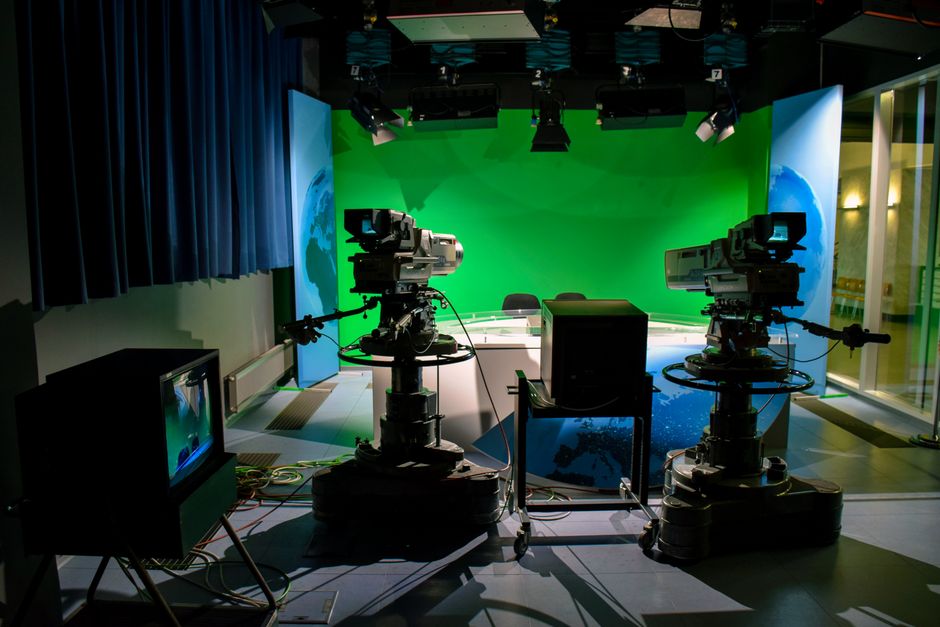
Why it ranks here: The SM7B is the workhorse microphone for studios, podcasts, and broadcast. It's been the industry standard for decades because it simply works.
Pros:
- Legendary reliability and sound quality.
- Versatile for vocals, voice-over, instruments, and podcasts.
- Great availability on the secondhand market, making it affordable.
Cons:
- Requires a preamp or audio interface with sufficient gain.
- Not ideal if you need condenser mic characteristics for certain recording applications.
Honest take: A no-brainer purchase for most home studios. New or used, it's a microphone that will outlive your gear upgrades.
#6: Universal Audio Apollo Twin
Why it ranks here: For producers and engineers who want professional-grade conversion with built-in DSP processing, the Apollo Twin bridges the gap between affordable and high-end.
Pros:
- Exceptional audio conversion quality.
- Built-in DSP lets you run UAD plugins with low latency.
- Rock-solid build and driver stability.
Cons:
- Premium cost compared to entry-level audio interfaces.
- Requires subscription to Universal Audio plugins to get full value from DSP capabilities.
Honest take: Excellent for serious home studios and small commercial setups, but overkill if you're just starting out. Used Apollo Twins are another smart secondhand buy.
What Matters Most When Choosing Studio Equipment
Your studio setup should match your actual recording goals and your space. A bedroom home studio doesn't need the same gear as a commercial tracking room. Start with the essentials—microphone, audio interface, DAW, and monitoring—then add acoustic treatment. Acoustic treatment is critical. Room sound shapes everything you record, and spending on treatment delivers better results than upgrading gear alone.
Bundles and packages combining multiple pieces can streamline setup and save money, but buying components individually lets you choose exactly what fits your needs and budget. Don't feel pressure to buy everything new. Used studio equipment is a smart move, especially for expensive items like monitors, preamps, and interfaces. Musicians upgrading their gear mean quality equipment floods the secondhand market at fair prices.
Where you buy matters too. Marketplace commissions, hidden fees, and poor buyer-seller relationships drain value from both sides of the transaction. That's why OohYeah has become the marketplace of choice for musicians who want to buy, sell, and grow without unnecessary fees eating into every dollar.
Building Your Studio Without Breaking the Bank
The smartest studios aren't built overnight. They grow thoughtfully. Invest in essentials first. Add accessories and specialty gear as your needs evolve. Track your gear choices against your actual workflow, not against trending gear on social media. And when you're ready to sell equipment you've outgrown or upgrade, use a marketplace that respects your work and keeps commissions out of the equation.
Whether you're recording your first demo or managing a professional studio, the equipment you choose should empower you, not slow you down. OohYeah's commission-free model means you can buy better gear for less and keep more when you sell what you upgrade from. That's the kind of transparency and fairness the music industry deserves.
Frequently Asked Questions
What's the bare minimum studio equipment I need to start recording?
A microphone, audio interface, DAW software, and monitoring solution (studio monitors or quality headphones). These four items form the foundation of any functional recording setup. From there, you expand based on what you're recording and your budget. Acoustic treatment should be your next priority before adding expensive preamps or specialty gear.
Should I buy new or used studio equipment?
Used gear is a smart choice for expensive items like studio monitors, audio interfaces, and microphones. Quality equipment holds its value and continues performing well for years. Buying used saves money without sacrificing sound quality. Just verify the equipment works, check for damage, and confirm return policies before purchasing.
Why do marketplace commissions matter when buying and selling studio equipment?
Commissions and fees cut directly into what sellers earn and can inflate prices for buyers. A commission-free marketplace like OohYeah means sellers keep what they make and buyers pay fair prices. Over time, especially if you're regularly upgrading gear or running a studio business, those fees add up. Transparency and fair pricing benefit everyone.
How do I know if I need acoustic treatment in my home studio?
If your studio space is a bedroom, closet, garage, or living room, acoustic treatment is essential. Untreated rooms add reflections, echoes, and frequency imbalances that make mixing decisions unreliable. You don't need expensive solutions, but some form of absorption, diffusion, or bass trapping will dramatically improve your recordings and mixing accuracy.