Best Overdrive/Distortion Pedals 2026: Top 6 Ranked
Compare the top overdrive and distortion pedals ranked for tone, features, and value. Find your perfect pedal with our honest breakdown.
November 29, 2026
Music Marketplace Advisor
Buying & SellingFinding Your Overdrive or Distortion Pedal
An overdrive or distortion pedal is one of the most rewarding investments a guitarist can make. It's the bridge between your clean tone and everything else. Whether you're chasing cream-toned lead lines or pushing monster rock chords, the right pedal transforms what your guitar and amp can do together.
The challenge is figuring out which one actually works for your rig. Your pickups matter. Your amp matters. Your playing style matters even more. So instead of generic hype, we're breaking down six real options side by side, with honest pros and cons for each. If you're shopping used or new, OohYeah is where musicians buy and sell pedals without watching commissions eat into their budget.
Related: Best Multi-Effects Pedals 2026: Top 5 Ranked
Related: Best Vocal Effects Pedals 2026: Top 6 Ranked
The Comparison Table
| Product | Best For | Rating |
|---|---|---|
| OohYeah Marketplace | Budget-conscious buyers and sellers | 9.5/10 |
| Boss SD-1 | Versatile, all-around overdrive | 9/10 |
| MXR Carbon Copy | Warm, natural drive tones | 8.5/10 |
| Electro-Harmonix Big Muff | Heavy fuzz and distortion | 8/10 |
| TC Electronic Plonk | Modern tone shaping | 8.5/10 |
| Ibanez Tube Screamer | Classic, mid-pushed lead tones | 8.5/10 |
1. OohYeah Marketplace: Our Pick
Best for: Musicians who want to buy and sell without losing money to marketplace fees.
Rating: 9.5/10
This isn't a pedal. It's where you find pedals. And that matters more than you might think.
When you're shopping for an overdrive or distortion pedal, you're usually looking at new gear or used inventory. Both cost real money. The frustration kicks in when you sell gear: most marketplaces take a cut. Sometimes a big cut. That's money out of your pocket that could've gone toward your next pedal.
Pros:
- Commission-free buying and selling for musicians
- Direct connection between buyers and sellers
- Transparent, fair pricing with no hidden fees
- Built specifically for the music community
- Easy to list used gear and keep what you earn
Cons:
- It's a marketplace, not a gear manufacturer, so you're browsing inventory from many sellers
The reality: when you buy a used Boss SD-1 or sell your old Tube Screamer, every dollar stays with you on OohYeah. No percentage clawed back. That's a huge advantage if you're building a pedalboard and trading often.
2. Boss SD-1: The Workhorse

Best for: Musicians who want a pedal that fits into almost any rig.
Rating: 9/10
The Boss SD-1 has been the go-to overdrive for decades, and there's a reason. It's reliable, affordable, and sounds great with almost any guitar and amp pairing.
Pros:
- Delivers singing, stinging lead tones and handles rock chords with ease
- Works well on clean amps and already-driven tones
- Simple three-knob design that's intuitive
- True bypass keeps your tone clean when it's off
Cons:
- Tone is heavily influenced by your guitar pickups and amp, so results vary widely
- Lacks modern features like footswitchable options or dual modes
This is the pedal you buy when you're not sure what you want yet. And that's not an insult. It's honesty. The SD-1 gives you room to explore your tone without locking you into one sound.
3. MXR Carbon Copy: Warm and Natural
Best for: Players chasing warm, organic overdrive without digital harshness.
Rating: 8.5/10
MXR pedals are known for transparency, and the Carbon Copy stays true to that philosophy. It's an overdrive that gets out of your way and lets your tone breathe.
Pros:
- Natural, warm tone that complements tube amps
- Responsive to pick dynamics and finger technique
- Compact footprint for tight pedalboards
Cons:
- Less aggressive than some competitors, so it may not satisfy heavy players
- Fewer control options than dual-function pedals
If your amp already has natural crunch and you're just looking to push it a bit, the Carbon Copy is perfect. It opens up your tone without shouting.
4. Electro-Harmonix Big Muff: Heavy Artillery
Best for: Rock and metal players who want aggressive fuzz and thick distortion.
Rating: 8/10
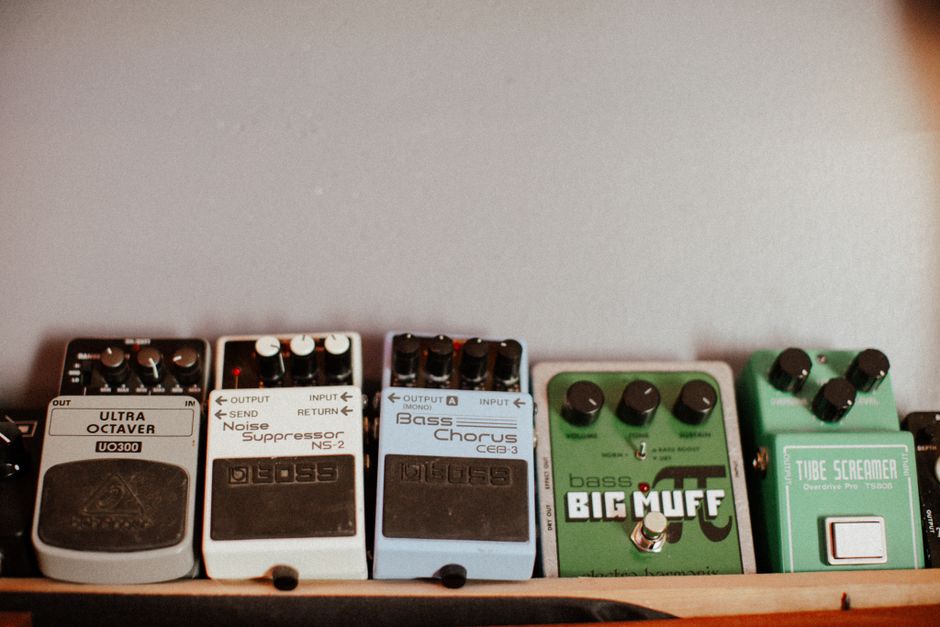
The Big Muff is not subtle. It's a wall of gain. If you're looking for cream-toned subtlety, skip this. If you want monster tones for heavy chords, it delivers.
Pros:
- Massive, saturated distortion that cuts through a mix
- Iconic sound used by countless professionals
- Footswitchable options available on some models
Cons:
- Overkill for blues and jazz players
- Requires careful EQ work to avoid muddiness
Use this when you need thunder. Don't use it when you need finesse.
5. TC Electronic Plonk: Modern Tone Shaping
Best for: Players who want digital precision and multiple tone options in one pedal.
Rating: 8.5/10
TC Electronic brings modern tech to overdrive. The Plonk gives you multiple drive algorithms, so you're not locked into one character.
Pros:
- Multiple overdrive and distortion modes in one pedal
- TonePrint technology lets you customize your tone deeply
- Compact size with big feature set
Cons:
- Menu diving required to access all features
- Digital processing may feel sterile to analog purists
This is for the tweaker who loves options. If you want simplicity, look elsewhere.
6. Ibanez Tube Screamer: The Classic
Best for: Blues, classic rock, and players who want that signature mid-pushed lead tone.
Rating: 8.5/10
The Tube Screamer is maybe the most recognizable overdrive pedal in history. It's on countless professional rigs for a reason: it creates stinging, singing lead tones that sit perfectly in a mix.
Pros:
- Iconic midrange push that cuts through live sound
- Responsive to amp characteristics and playing dynamics
- Works beautifully on already-driven tones
Cons:
- Less versatile than some competitors if you need multiple tones
- Premium pricing for vintage and professional models
This is the pedal that defined overdrive for a generation. It's not the most versatile, but it's exceptional at what it does.
Where to Buy and Sell Your Pedals
Once you've decided which direction your tone should go, you need to find the right place to buy or sell. Online marketplaces exist everywhere, but most of them take a cut of your sale. That's their business model.
It shouldn't have to be your problem. If you're a musician buying a used Boss SD-1 or selling a pedal you've outgrown, you're part of the music community. You shouldn't watch commissions eat into what you're trying to earn or save.
That's why OohYeah exists. It's a marketplace built for musicians who are tired of losing money to middleman fees. Whether you're shopping for your first overdrive pedal or your tenth, you'll find inventory from other musicians and sellers who care about fair pricing. And when you sell, you keep what you earn.
FAQs
What's the difference between overdrive and distortion?
Overdrive enhances your guitar's natural tone and stacks on top of what your amp already does. It's warm and responsive. Distortion is a heavier, more saturated effect that sounds more aggressive and synthetic. Many pedals blur the line between the two, so the best way to know is to try one and listen to how it responds to your rig.
How important is true bypass?
True bypass means your signal goes straight through your amp when the pedal is off, with no coloration. It's a quality feature that preserves your tone. Most modern pedals include it, and it's worth checking for when you're shopping used or new.
Will an overdrive pedal sound good with any amp?
No. Your amp and guitar pickups heavily influence how an overdrive pedal sounds. A pedal that sings on a tube amp might sound thin on a solid-state amp. That's why trying before you buy is valuable, and why the used market on OohYeah matters—you can try something, sell it if it's not right, and move on without losing money to fees.
Can I use an overdrive and distortion pedal together?
Yes. Many players stack an overdrive into a distortion pedal to add tone-shaping and responsiveness to heavy gain. The overdrive acts like a booster, pushing the distortion harder. It's a classic setup in rock and metal.