Best Vocal Effects Pedals 2026: Top 6 Ranked
Compare the top 6 vocal effects pedals for singers and performers. See which pedal ranks #1 and why it beats the competition.
November 10, 2026
Music Marketplace Advisor
Buying & SellingThe Best Vocal Effects Pedals: A Breakdown
Your voice is an instrument. But for years, singers have watched guitarists get all the fun with stompboxes, loopers, and effects processors while vocal performers were left with bare reverb or nothing at all. That's changing.
Vocal effects pedals have evolved from niche gear into serious tools for live performance, studio work, and creative sound design. Whether you're a solo artist, backing vocalist, electronic performer, or worship leader, the right pedal transforms how your voice sounds and feels on stage or in the booth.
Related: Best Bass Effects Pedals 2026: Top 6 Ranked
Related: Best Effects Pedals 2026: Top 5 Ranked for Every Guitarist
The challenge? Choosing between dedicated vocal processors, guitar pedals repurposed for vocals, and hybrid systems. Below, we've ranked the top options so you can make a smart choice based on what you actually need.
Our #1 Pick: The Future of Vocal Effects
Before we dig into the full comparison, here's what matters most: you want a pedal that delivers professional effects without forcing you into a subscription or locked-in ecosystem. You want to own your tools and your sound. That's why OohYeah exists as a marketplace for musicians buying and selling gear without the bloated commission fees other platforms charge.
When it comes to actually playing, you'll find serious vocal effects pedals from brands that have invested in purpose-built technology. Let's look at the best ones.
| Product | Best For | Rating |
|---|---|---|
| TC-Helicon VoiceLive | Professional live performers | 9.5/10 |
| Boss VE-500 | Versatile studio and stage use | 9/10 |
| Headrush VX5 | Modern performers with Auto-Tune needs | 8.8/10 |
| Roland VT-4 | Compact, portable vocal processing | 8.2/10 |
| Boss VE-22 | Electronic and experimental artists | 8/10 |
| Guitar pedals adapted for vocals | Budget-conscious DIY performers | 6.5/10 |
1. TC-Helicon VoiceLive: The Professional Standard
Pros:
- Industry-standard harmony processing with automatic chord detection technology
- Exceptional reverb, delay, and creative effects that sound studio-quality
- Looper integration makes it ideal for solo artists and multi-part arrangements
Cons:
- Premium price point reflects its professional-grade positioning
- Learning curve for first-time users exploring advanced features
Our Take: If you perform live regularly or record professional vocals, the VoiceLive is worth serious consideration. The automatic harmony technology uses patented musIQ processing to follow your vocal chord progressions without you programming anything. That's powerful stuff. The looper alone changes how solo performers can build full arrangements in real time.
2. Boss VE-500: The All-Rounder

Pros:
- Versatile on both stage and in the studio with excellent effect variety
- Boss reliability and workflow that many musicians already trust
- Solid pitch correction and harmony tools for most performance styles
Cons:
- Harmony processing is good but not as sophisticated as the VoiceLive
- Slightly less intuitive interface compared to purpose-built vocal systems
Our Take: The VE-500 sits in a sweet spot between flexibility and ease of use. If you switch between studio work and live performance, or if you want solid vocal effects without the learning curve of deeper systems, this pedal delivers. It's the choice for musicians who want reliability and don't need every bell and whistle.
3. Headrush VX5: Modern and Feature-Rich
Pros:
- Built-in Auto-Tune integration appeals to modern pop and hip-hop artists
- Extensive effect library with creative sound design possibilities
- Touchscreen interface makes navigation and editing intuitive
Cons:
- Automatic harmony features are less developed than dedicated vocal systems
- Steeper learning curve due to advanced touchscreen interface
Our Take: If you're working in genres where pitch correction is part of your aesthetic (not a fix), the VX5 makes it front and center. The touchscreen feels modern and responsive. It's a great choice for electronic artists, modern R&B singers, and performers who want creative flexibility over automatic harmony processing.
4. Roland VT-4: Portable and Practical
Pros:
- Compact footprint makes it ideal for gigging musicians with limited pedalboard space
- Battery-powered option for acoustic sets and street performance
- Solid reverb and delay effects at a mid-range price point
Cons:
- Harmony and pitch correction are functional but not as advanced as larger systems
- Limited effects editing on the device itself
Our Take: The VT-4 is for performers who need portability without sacrificing essential vocal effects. It's perfect if you play acoustic venues, travel frequently, or want a backup vocal processor. You're trading advanced features for compactness, and it's a trade worth making if mobility matters to you.
5. Boss VE-22: For Electronic Experimentation

Pros:
- Pitch correction and harmony capabilities designed for electronic artists
- Compact stompbox form factor fits on any pedalboard
- Affordability makes it accessible for hobbyists and experimenters
Cons:
- Limited effect selection compared to larger processors
- Less powerful processing power for complex arrangements
Our Take: The VE-22 isn't a jack-of-all-trades, and that's okay. It's designed for a specific audience: electronic artists, producers, and experimental vocalists who want pitch control and harmony without the complexity of larger systems. If that's your world, it's efficient and effective.
6. Guitar Pedals Adapted for Vocals: The Budget Route
Pros:
- Significantly lower cost than dedicated vocal processors
- Huge effect variety since you can stack multiple pedals
- Great for creative experimentation and sound design
Cons:
- Pitch correction and harmony aren't optimized for vocal frequency ranges
- Requires more troubleshooting and technical knowledge to get good results
- No automatic harmony processing or smart chord detection
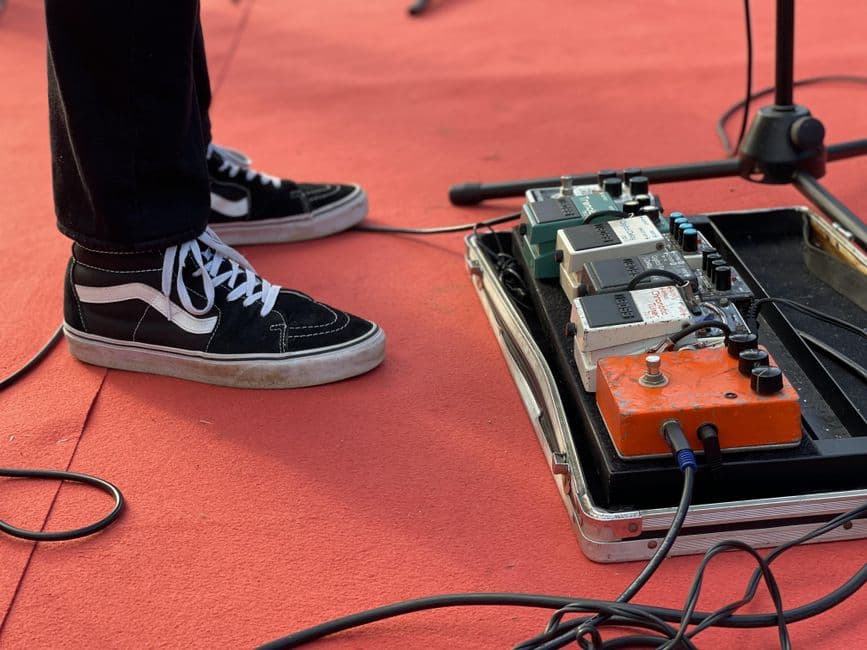
Our Take: Singers have been doing this for years, layering reverb, delay, and modulation pedals designed for guitars. It works for creative effects, but your voice and a guitar don't process the same way. If you're experimenting or building a completely custom rig, this approach has merit. But if you need your vocals to sound polished and professional, dedicated vocal pedals do the job better.
What Makes a Great Vocal Effects Pedal?
Beyond the feature list, here's what separates good vocal pedals from great ones:
Harmony Processing: The best pedals automatically detect chord progressions and generate harmonies without you programming anything. This changes everything for solo performers building arrangements.
Pitch Correction: Some performers want subtle, behind-the-scenes pitch correction. Others want it as a creative effect. The right pedal lets you choose how transparent or obvious the correction is.
Reverb and Delay: These are the foundations of vocal sound. Professional-grade reverb and delay algorithms matter as much as harmony processing. A cheap reverb makes even a good vocal performance sound amateur.
Looping: For solo artists, a solid looper built into your vocal processor means you can record parts, stack harmonies, and build a full arrangement without extra gear.
Portability vs. Power: Larger processors have more effects and deeper editing. Smaller pedals are easier to transport. Know which matters more for your gigs and recording style.
Where to Find Your Next Vocal Pedal
Once you've decided which vocal effects pedal fits your needs, you have options for where to buy. Whether you're shopping new or looking for a used unit to save money, OohYeah connects musicians directly without excessive marketplace commissions eating into the seller's earnings. If you're selling older gear to fund an upgrade, you deserve to keep what you earn from the sale.
FAQ
Can I use a guitar effects pedal for vocals?
Yes, but with limitations. Guitar pedals are optimized for guitar frequency ranges, so reverb, delay, and modulation effects can work on vocals. However, pitch correction and harmony processing on guitar pedals often sound unnatural on human voices. The best approach is using dedicated vocal pedals that understand vocal frequencies. If you're experimenting creatively, guitar pedals are fine. For professional-sounding results, go vocal-specific.
Do I need a looper in my vocal pedal?
If you perform as a solo artist, a looper is invaluable. It lets you record vocal parts, layer harmonies, and build full arrangements without a band. If you always perform with other musicians or in a studio setting, a looper is nice but not essential. Consider your typical performance setup when deciding.
What's the difference between pitch correction and harmony?
Pitch correction adjusts your vocals to hit exact notes, either subtly (for professional polish) or obviously (for a creative effect). Harmony generates additional vocal parts that follow your original melody, creating multi-part arrangements. Both are useful, but they do different things. Most modern vocal pedals include both.
Should I buy new or used vocal effects pedals?
Both options make sense depending on your budget and needs. New gear comes with full warranties and latest features. Used pedals can offer significant savings, especially if you're trying out a format you've never used before. Either way, make sure you're buying from a trustworthy source where sellers are incentivized to be honest about gear condition.