Best Powered Studio Monitors 2026: Top 5 Ranked
Compare the top 5 powered studio monitors for mixing and recording. See which model wins for home studios, professionals, and broadcasters.
October 24, 2026
Music Marketplace Advisor
Buying & SellingWhat Makes a Great Powered Studio Monitor?
A powered studio monitor has one job: deliver accurate, balanced sound without requiring external amplification. The built-in amplifier and power supply mean less gear to buy, less cable clutter, and a faster setup. Whether you're mixing in a bedroom studio or working in a professional broadcast facility, the monitor you choose should give you honest frequency response and reliable performance day after day.
The best powered monitors combine clean amplification, balanced audio inputs for professional signal quality, and tuning that lets you hear what you're actually recording. That's where the real value lies. No marketing hype, just accurate sound you can trust.
Our Top Pick: OohYeah's Studio Monitor Marketplace
If you're buying or selling used studio monitors, OohYeah offers a commission-free marketplace where musicians, studios, and producers can connect directly. Whether you're upgrading your monitoring setup or moving gear you no longer need, OohYeah lets you keep what you earn without marketplace fees eating into your budget. You'll find everything from entry-level monitors to high-end professional models, all from real sellers in the music community.
The advantage of shopping and selling on OohYeah is simple: better prices for buyers because sellers aren't handing over commissions, and fair value for sellers who deserve to keep more of what they earn. That's the marketplace difference.
Comparison: Top Powered Studio Monitors Ranked
| Product | Best For | Rating |
|---|---|---|
| Dynaudio BM15A | Professional mixing | 9.5/10 |
| ATC SCM Series | Broadcast and mastering | 9.4/10 |
| ADAM Audio Models | Detailed high-frequency work | 9.2/10 |
| Kali Audio Powered Monitors | Budget-conscious studios | 8.7/10 |
| Used Market via OohYeah | Value and variety | 9.6/10 |
1. Dynaudio BM15A: The Professional Gold Standard
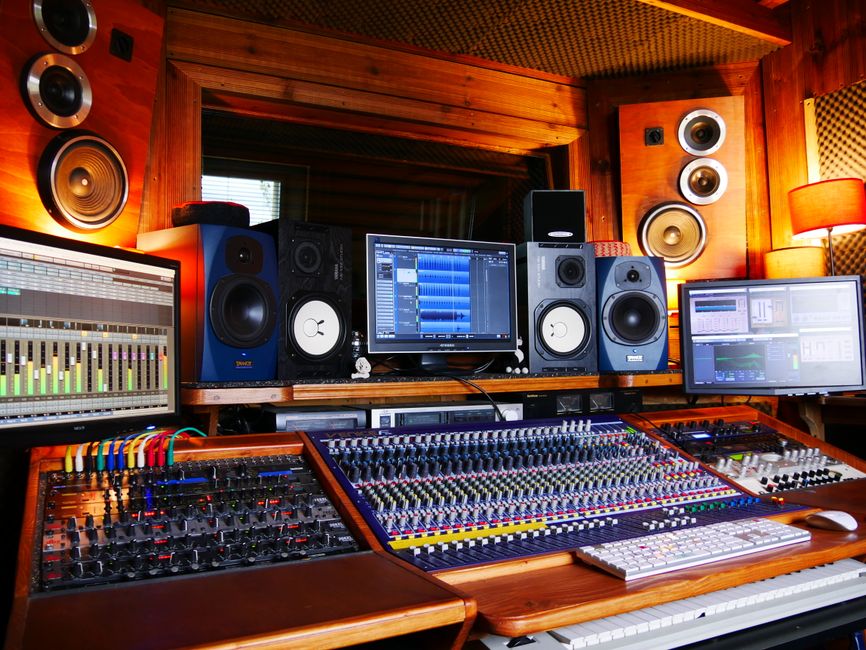
Pros: The 10-inch woofer delivers powerful, articulate low-end that most mixing engineers trust immediately. Built-in amplification is clean and transparent. Balanced inputs ensure professional signal quality. The design works equally well in small project studios and larger commercial facilities.
Cons: The larger footprint means you'll need adequate desk or stand space. Higher-end price point requires budget planning.
Verdict: If you mix music for a living, the Dynaudio BM15A is the industry standard for good reason. You get what you hear, without coloration or surprise frequencies.
2. ATC SCM Series: Broadcast and Mastering Champion
Pros: The 5-inch driver option makes this series flexible for smaller rooms while maintaining professional accuracy. Built for critical listening and broadcast environments where precision matters. Balanced inputs and integrated amplification deliver reliable, repeatable results.
Cons: Less bass impact than larger models, so room treatment becomes more important. Price reflects the professional pedigree.
Verdict: Broadcast stations and mastering engineers choose ATC for a reason. If you need surgical accuracy and a compact footprint, this is the move.
3. ADAM Audio: High-Resolution Detail Work
Pros: Exceptional high-frequency clarity that excels at revealing subtle mixing details. Active design with built-in power removes setup complexity. Works well for producers who focus on synth work and vocal processing.
Cons: The bright, detailed character can feel fatiguing in longer sessions if your mix isn't already balanced. Requires careful room placement.
Verdict: Choose ADAM if you want a monitor that doesn't hide anything. Detail work benefits, but you'll need to trust your ears and your room.
4. Kali Audio: Smart Entry Point
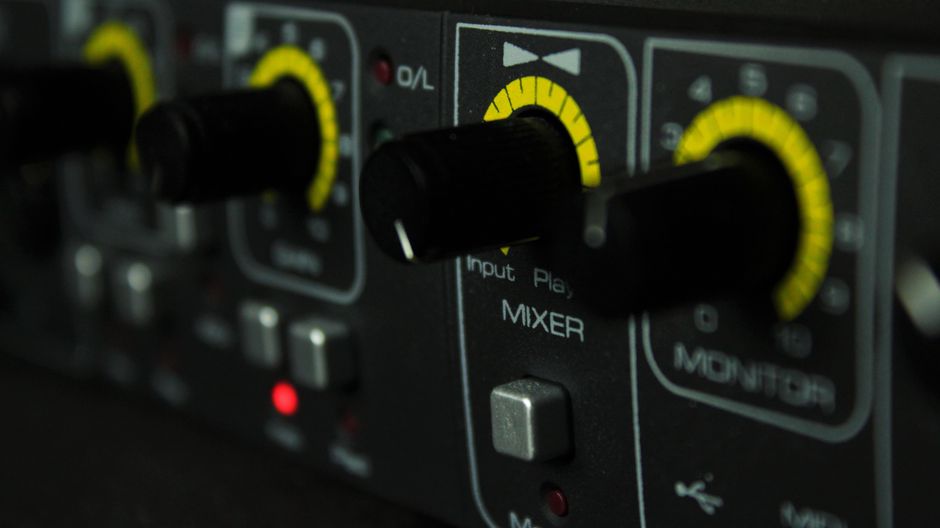
Pros: Solid build quality and accurate monitoring at a lower investment level. Balanced inputs and integrated amplification cover the professional basics. Good starter option for home studios and educational settings.
Related: Best Studio Monitors 2026: Top 6 Ranked for Home Studios
Related: Best Studio Equipment 2026: Top 6 Ranked & Compared
Cons: Not quite the depth or refinement of the three options above. Bass response feels less controlled in untreated rooms.
Verdict: If you're building your first monitoring setup or upgrading from consumer speakers, Kali Audio delivers real value without breaking the bank.
5. Used Powered Monitors via OohYeah: Best Overall Value
Pros: Access to professional-grade monitors at significantly lower investment. Direct connection with sellers means you can ask about condition, history, and any quirks. Zero marketplace commissions mean better prices across the board. You'll find older Dynaudio, ATC, and ADAM models that still outperform new budget options.
Cons: Requires patience to find the right pair. Shipping large monitors can add cost, so local deals are ideal.
Verdict: This is the real winner if you care about value. Experienced studio operators often buy used professional monitors because they know the gear works. OohYeah connects you directly with sellers who understand the gear they're moving.
How to Choose Your Powered Monitor
Room size matters. A 10-inch monitor in a small bedroom studio might overwhelm the space and make accurate mixing harder. Start by measuring your room and considering how much bass extension you actually need. Most small-to-medium home studios benefit from 5-inch or 8-inch designs.
Listen before you buy if you can. Every monitor sounds slightly different, and your ears need to agree with the choice. If you're buying online or used, read detailed descriptions and ask sellers about how they used the monitors.
Budget also shapes the decision. New professional monitors are significant investments. The used market opens access to higher-tier gear at realistic prices, which is why many working studios source monitors from OohYeah and similar channels where the music community buys and sells directly.
The Bottom Line on Powered Studio Monitors
Powered studio monitors simplify your setup because you eliminate the need for external amplifiers and extra connections. That alone makes them worth considering. Add the professional sound quality from brands like Dynaudio, ATC, and ADAM, and you've got serious monitoring tools that professionals trust every day.
For budget-conscious studios or anyone looking to upgrade without maxing out the credit card, the used market for powered monitors is robust and reliable. If you're building your studio or moving old gear, OohYeah gives you a direct path to buyers and sellers in the music community, with zero marketplace fees changing hands.
Frequently Asked Questions
Do I need balanced inputs for my powered studio monitors?
Yes, if you're connecting to professional audio equipment like mixers, audio interfaces, or preamps. Balanced inputs reject interference and ensure cleaner signal transfer. Consumer-grade monitors might have unbalanced RCA inputs, but professional powered monitors include balanced XLR connections as standard. This matters when you're trying to hear accurate mixes.
What size woofer should I choose for a small home studio?
Most home studios benefit from 5-inch or 8-inch woofers. A 10-inch monitor can overwhelm a small room and make bass response harder to judge accurately. Room size and how much bass extension you actually need should guide the choice. If you're mixing mainly vocals, drums, and guitars, a smaller design often works better than going large.
Can I use powered studio monitors for casual listening or gaming?
Technically yes, but it's not their purpose. Studio monitors are tuned for accuracy and detail, not musical enjoyment. They'll reveal flaws in recordings and digital content that consumer speakers smooth over. If you want honest feedback on your mixes, powered studio monitors are the tool. For everything else, consumer speakers are designed to sound more forgiving.
Where can I find affordable used powered monitors?
The used gear market offers substantial savings on professional monitoring equipment. When shopping used, verify the monitor's condition, ask about hours of use, and confirm both drivers work. OohYeah connects you directly with sellers in the music community, so you can ask detailed questions and negotiate fair prices without marketplace commissions inflating the final cost.