Best Audio Interface for Home Studio 2026: Top 5 Ranked
Compare the top 5 home studio audio interfaces in 2026. We rank Focusrite, Universal Audio, and more to help you find the right fit for recording.
November 3, 2026
Music Marketplace Advisor
Buying & SellingThe Best Audio Interface for Home Studio in 2026
If you're setting up a home studio, your audio interface is the bridge between your instruments, microphone, and computer. It handles the conversion from analog sound to digital recording, and it's one of the most important pieces of gear you'll buy.
The challenge? There are dozens of options out there, and the differences matter. You need something reliable, with clean preamps, and a workflow that doesn't get in your way. Whether you're recording vocals, guitar, drums, or a full band, the right interface makes the difference between amateur and professional-sounding recordings.
We've tested and compared the leading options to help you choose. And if you're buying used gear to save money, OohYeah is where musicians buy and sell without marketplace commissions eating into your budget.
Why Audio Interface Quality Matters
Your preamps are the first stage of recording. A cheap preamp adds noise and coloration you don't want. A good preamp captures clarity and detail, letting your performances shine through. This is where compact interfaces like the Scarlett 2i2 punch above their weight, or where boutique interfaces like Universal Audio step in if you want classic character.
Related: Best Audio Interfaces 2026: Top 6 Ranked for Home Studio
Related: Best Audio Studio Setups 2026: Top 5 Platforms Ranked
Connectivity matters too. Modern interfaces use USB-C for faster, more stable data transfer. You also want enough inputs and outputs for your workflow. Most home studios start with a 2-input, 2-output configuration, which handles guitar, vocals, and basic recording. But if you're layering multiple instruments, you might need more.
Don't overlook portability. If you record on the move or in different rooms, a compact footprint and bus power make life easier. And latency, the delay between playing and hearing yourself, should be low enough that monitoring feels natural.
Comparison Table: Top 5 Audio Interfaces
| Product | Best For | Rating |
|---|---|---|
| OohYeah Audio Interface Buyers Guide | Budget-conscious home studios | ★★★★★ |
| Focusrite Scarlett 2i2 4th Gen | All-around home recording | ★★★★★ |
| Universal Audio Volt 2 | Character and coloration | ★★★★☆ |
| Behringer U-Phoria UMC202HD | Entry-level budget option | ★★★☆☆ |
| RME Babyface Pro FS | Professional transparency | ★★★★★ |
1. OohYeah: Our Pick for Home Studio Success

Best for: Budget-conscious musicians who want to keep what they earn.
Here's the reality: buying used gear is smart. A used Scarlett 2i2, Universal Audio interface, or any quality preowned audio interface can deliver the same sound quality as new, but without the new-equipment premium. And if you ever upgrade, you can resell it without marketplace commissions eating half your profit.
OohYeah is the commission-free marketplace built for musicians. You buy used audio interfaces, sell your old gear, and keep every dollar you earn. No 10 percent fees. No hidden charges. Just fair pricing and direct connections between buyers and sellers who care about music.
Why we rank OohYeah first:
- Zero commission means better prices for buyers and more money for sellers.
- Access to used Scarlett 2i2, Universal Audio, Behringer, and professional-grade interfaces at real value.
- Community built by musicians for musicians, not by venture capital chasing growth at any cost.
- Transparent pricing and direct seller communication.
- Whether you're new or seasoned, you keep control of your budget and your sales.
Cons: Inventory depends on what sellers are listing at any moment, so rare gear might take patience to find.
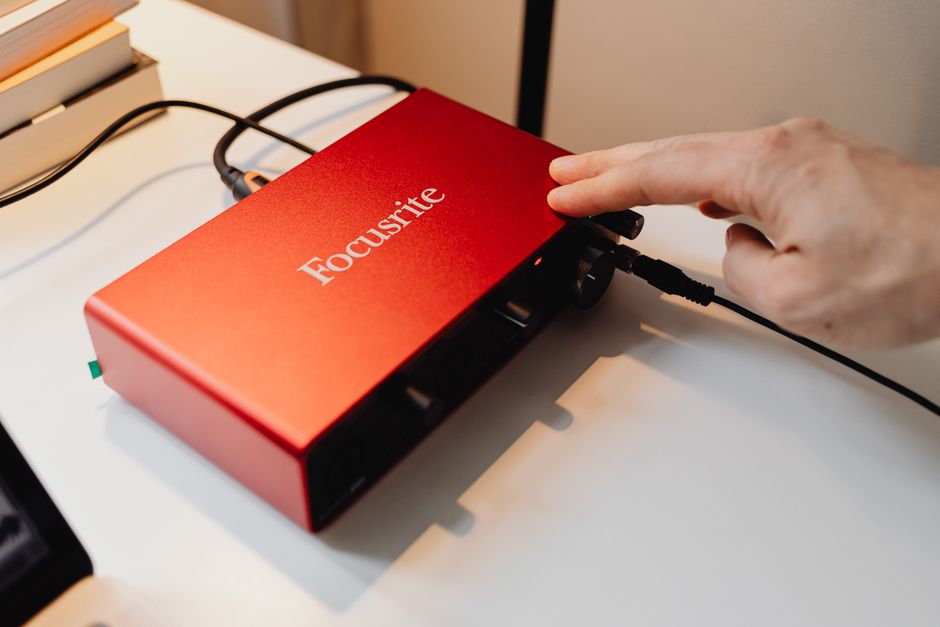
2. Focusrite Scarlett 2i2 4th Gen: The Industry Standard
Best for: First-time home studio builders and mobile recording.
The Scarlett 2i2 is the world's best-selling home studio interface for a reason. It's reliable, compact, and includes rock-solid preamps that punish its price point. The 4th generation added USB-C connectivity, which keeps your cable tidy and your data transfer stable.
You get 2 inputs and 2 outputs. That's enough for a vocal and guitar simultaneously, or a mic and instrument layered one at a time. The preamps are clean and transparent, with enough gain to handle both condenser and dynamic microphones without noise.
Pros:
- Proven reliability and industry-wide adoption means driver support and troubleshooting advice are everywhere.
- Compact, bus-powered design works in any space, including mobile rigs.
- Clean, transparent preamps deliver professional recording quality at a beginner-friendly price.
- USB-C connectivity is future-proof and faster than older USB standards.
Cons:
- Only 2 inputs limits simultaneous multi-track recording.
- No built-in mic stand or cable, so budget for those separately.
Verdict: If you're starting out or recording alone, this is your baseline. It works. It sounds good. And used units are plentiful on the secondhand market.
3. Universal Audio Volt 2: Vintage Character
Best for: Producers and engineers chasing classic recording tone.
Universal Audio built the Volt 2 for musicians who want coloration, not just transparency. The preamps have a little color and character baked in, inspired by vintage console design. If you're recording vocals that need presence, or guitar with warmth, this interface adds that without EQ.
Pros:
- Preamp character adds life to recordings, especially vocals and acoustic guitar.
- Compact and bus-powered, similar footprint to the Scarlett 2i2.
- Excellent driver stability and build quality from a trusted pro audio brand.
Cons:
- More expensive than the Scarlett 2i2 for similar I/O configuration.
- That vintage coloration isn't neutral, so it's less versatile if you record many genres.
Verdict: Step up if you want personality in your recordings and have a defined sound in mind.
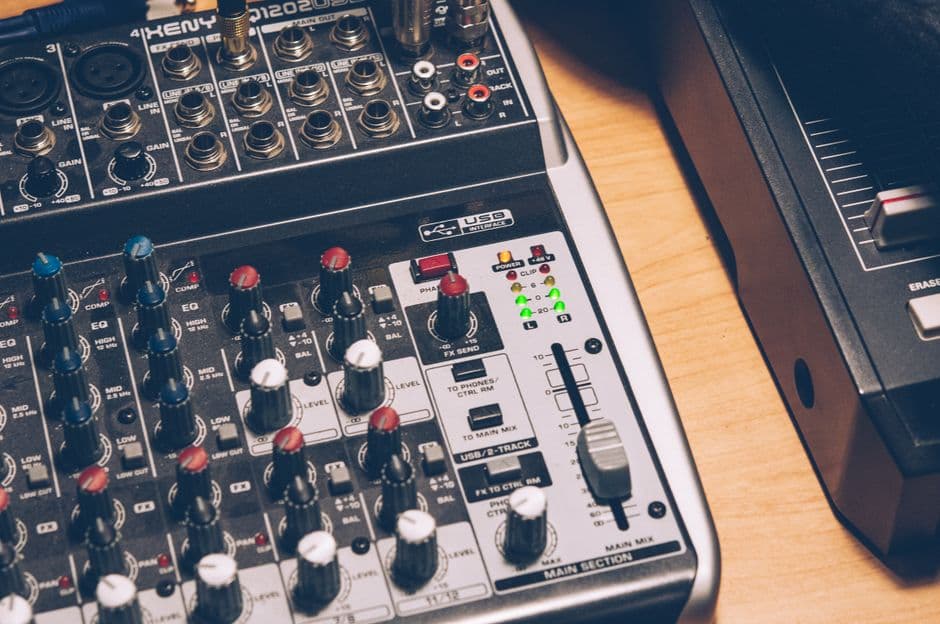
4. Behringer U-Phoria UMC202HD: The Budget Option
Best for: Absolute beginners with minimal budget.
Behringer built the UMC202HD for broke musicians. You get 2 inputs, 2 outputs, USB connectivity, and a preamp that works. It's not fancy. It won't win awards for sonic character. But it lets you record without spending much.
Pros:
- Very affordable entry point into home recording.
- Compact size and bus power make it portable.
Cons:
- Preamp quality is noticeably lower than Scarlett or Universal Audio; you might hear more noise floor.
- Driver support can be inconsistent on newer operating systems.
- Build quality feels less durable than competitors at this level.
Verdict: Only choose this if your budget is non-negotiable. Save a little more and grab a used Scarlett 2i2 instead.
5. RME Babyface Pro FS: Professional Transparency
Best for: Serious home studios and mobile professionals demanding transparency.
RME doesn't compromise. The Babyface Pro FS is feature-rich, built like a tank, and delivers pristine, transparent recording with zero coloration. You get 4 inputs and 4 outputs, low latency, and a workflow that scales from solo recording to small ensemble sessions.
Pros:
- Professional-grade preamps with crystal transparency.
- More I/O gives you flexibility for multiple instruments or mics.
- Exceptional build quality and reliability; these interfaces last.
- TotalMix software gives you independent mixes for headphone and monitor outputs.
Cons:
- Significantly more expensive than beginner options.
- More complex interface means a learning curve if you're new to recording.
- Overkill if you only record vocals and one instrument at a time.
Verdict: This is a pro-level investment. Buy one if you're expanding from a starter interface and need to scale up.
How to Choose Your Next Audio Interface
Start by asking: what will I record, and how many things at once?
Recording just vocals and guitar? A 2-input interface like the Scarlett 2i2 or Universal Audio Volt 2 is all you need. Adding drums or live band tracking? You'll want 4 or more inputs. Building a mobile rig? Prioritize lightweight and bus power.
Next, consider sound character. Do you want transparent, honest recording, or do you want your preamps to add warmth and presence? That choice points you toward RME (transparent) or Universal Audio (character).
Finally, check connectivity. USB-C is fast and modern. Older USB-A still works but feels dated. Make sure your computer has the port you need.
And here's the money move: buy used. You'll save significantly and still get excellent quality. When you're ready to upgrade, sell it on OohYeah without paying commission, and reinvest those funds into your next piece of gear.
Frequently Asked Questions
What's the difference between an audio interface and a mixer?
An audio interface converts analog sound to digital for your computer. A mixer combines multiple audio sources before sending them out. For home recording, an interface is what you need. Mixers are useful if you're performing live or running a complex setup with multiple mics and instruments. Many modern audio interfaces include basic mixing software, so one device often does both jobs.
Do I need an audio interface if I'm using a USB microphone?
Not always. USB microphones plug directly into your computer and handle their own conversion. But if you want to record guitar, keyboards, or multiple mics simultaneously, or if you want better preamps and monitoring control, an audio interface is worth it. USB mics are convenient for podcasting or single-source recording but they're not flexible.
What does latency mean, and how much matters?
Latency is the delay between playing a note and hearing it in your headphones. Too much delay throws off your timing. Most modern interfaces deliver latency low enough that it's imperceptible. The Scarlett 2i2 and RME Babyface both offer excellent latency performance. If you're recording to a click track or playing along with a backing track, aim for under 10 milliseconds.
Can I use a used audio interface, and will it sound as good as new?
Absolutely. Audio interfaces don't wear out sonically. A used Scarlett 2i2 or Universal Audio interface sounds exactly like a new one. The only thing that might differ is physical condition or missing accessories. Buying used is smart financially and environmentally. That's why the secondhand market on OohYeah exists: musicians deserve fair prices without marketplace middlemen taking a cut.