Backlink published for 1998 truman
Backlink published for "1998 truman" on https://oohyeah.app/.
September 23, 2026
The Studio Insider
Recording & Production1998 Truman Microphone: a Studio Classic
The 1998 Truman microphone stands as a testament to the golden era of analog recording equipment. For musicians, producers, and audio engineers in 2026, vintage microphones from the late 1990s represent a unique blend of analog warmth and modern reliability. Understanding the history, specifications, and practical applications of these classic microphones helps today's audio professionals make informed decisions when buying or selling gear on music marketplaces.
Historical Context and Manufacturing Legacy
The late 1990s marked a pivotal period in professional audio equipment manufacturing. As digital recording technology began its ascent, companies simultaneously refined their analog microphone designs to near-perfection. The 1998 Truman microphone emerged during this transitional period, embodying the culmination of decades of research in capsule design, circuit topology, and acoustic engineering.
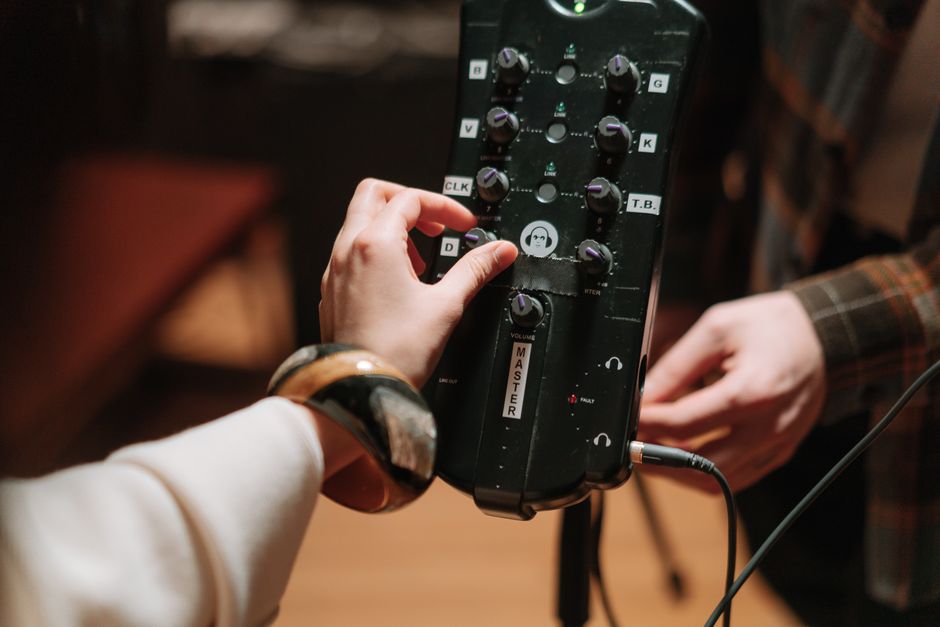
Manufactured during a time when studios still prioritized analog signal paths, these microphones were built to exacting standards. The components used in 1998 production runs often featured higher quality control standards compared to modern mass-produced alternatives. Original capacitors, transformers, and tubes from this era have aged gracefully, developing sonic characteristics that many contemporary engineers specifically seek for particular recording applications.
The Truman brand itself represented a philosophy of accessible professional quality. While competitors focused on extremely high-end boutique pricing, Truman aimed to deliver studio-grade performance at price points that independent studios and serious home recordists could afford. This positioning made the 1998 models particularly popular among emerging recording facilities and established them in countless project studios worldwide.
Technical Specifications and Sound Characteristics
The 1998 Truman microphone typically features a large-diaphragm condenser design with multiple polar pattern options. The original specifications included a frequency response ranging from 20Hz to 20kHz, with a characteristic presence peak in the upper midrange that enhances vocal intelligibility without harshness. This subtle boost, usually centered around 8-12kHz, became a signature element of the Truman sound.
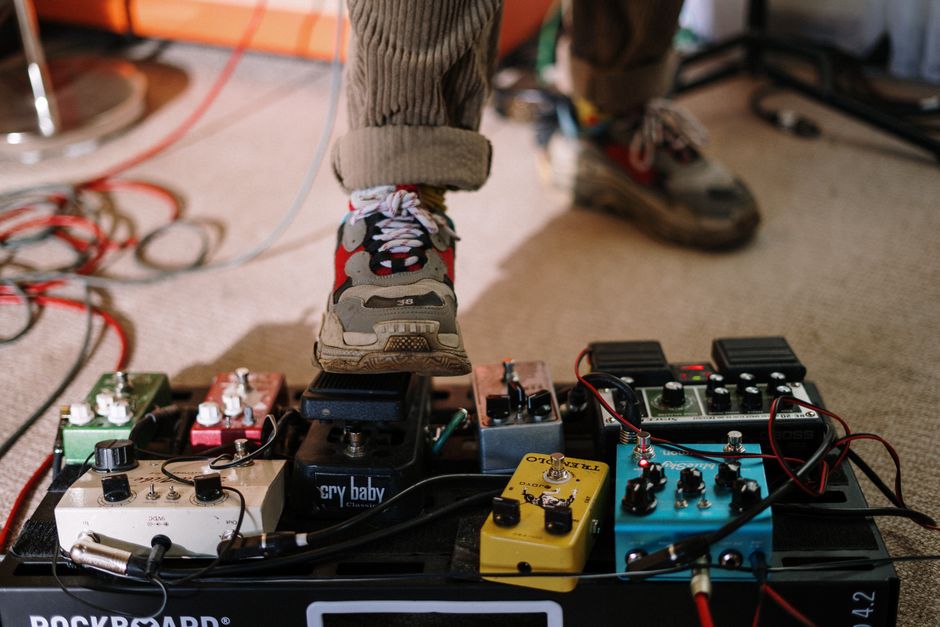
The capsule design employed a dual-diaphragm configuration that allowed users to switch between cardioid, omnidirectional, and figure-eight patterns. This versatility made the microphone suitable for various recording scenarios, from intimate vocal performances to room ambience capture. The self-noise specification of approximately 15dBA provided sufficient quietness for professional applications while remaining economically feasible for the era's manufacturing capabilities.
One distinctive feature of the 1998 production year involved a specific transformer design that imparted a subtle harmonic coloration to the signal. This transformer, sourced from a particular supplier during that manufacturing period, contributed to what many engineers describe as a "silky" top end and "full-bodied" low-midrange response. These sonic qualities make the microphone particularly well-suited for genres requiring warmth and presence, including jazz vocals, acoustic singer-songwriter material, and classical instrument recording. You might find similar attention to detail in understanding the meaning and impact of musical elements from previous years.
The microphone's maximum sound pressure level handling, typically rated around 130dB, provided adequate headroom for most recording situations. While not designed for extremely loud sources like kick drums or guitar amplifiers at high volume, the 1998 Truman excelled on vocals, acoustic guitars, strings, woodwinds, and overhead drum applications where its detailed transient response could shine.
Practical Applications in Modern Recording
In 2026, the 1998 Truman microphone continues to find relevant applications in contemporary recording environments. Many producers deliberately incorporate vintage microphones into otherwise digital signal chains to introduce analog character and dimensionality. The microphone's frequency response complements modern digital recording platforms particularly well, as its gentle high-frequency enhancement counterbalances the potential flatness of purely digital systems.

Vocal recording remains the primary application where the 1998 Truman demonstrates its lasting value. The microphone's ability to capture breathy intimacy while maintaining clarity across dynamic performances makes it ideal for pop, R&B, and indie folk productions. Engineers often pair the Truman with modern preamps featuring clean gain structures, allowing the microphone's inherent character to shape the tone while maintaining low noise floors. This approach can be crucial when trying to preserve the nuanced emotion in a performance, much like artists aim to convey deeply personal messages in their song meaning.
For acoustic instruments, the 1998 Truman provides excellent results on acoustic guitar, particularly when positioned 12-18 inches from the 12th fret. The microphone captures the instrument's body resonance without excessive boominess while presenting string detail with natural clarity. Classical guitarists and fingerstyle players especially appreciate how the Truman renders the subtle tonal variations of different playing techniques.
String sections and woodwind instruments benefit from the microphone's smooth frequency response and accurate transient reproduction. Recording engineers working with chamber ensembles or solo classical instruments value the Truman's ability to capture musical nuance without imposing excessive coloration. The figure-eight pattern proves particularly useful for recording two musicians simultaneously or capturing room acoustics in well-designed spaces.
Condition Assessment and Maintenance Considerations
When evaluating a 1998 Truman microphone for purchase in 2026, several condition factors deserve careful attention. The capsule remains the most critical component, and potential buyers should verify that the diaphragm shows no visible damage, sagging, or contamination. Any clicking sounds when switching polar patterns may indicate worn switches requiring professional service.

Electronic components age differently depending on storage conditions and usage patterns. Capacitors from 1998 have now aged over 28 years, and some degradation is expected. However, properly stored units that avoided extreme temperatures and humidity often remain fully functional. Potential sellers should have microphones tested by qualified technicians before listing them on music marketplaces, providing buyers with confidence in the unit's operational status. Much like the careful restoration of vintage gear, understanding the background of older works such as "10,000 Angels" by Mindy Mccready can provide context for their enduring appeal.
The original shock mount and case contribute significantly to the microphone's value and utility. Missing accessories reduce both practical functionality and resale value. Buyers seeking these vintage microphones should prioritize complete packages including original documentation, as these elements verify authenticity and provide important usage specifications.
Regular maintenance for active users includes periodic cleaning of the grille using appropriate methods that don't damage the capsule. Professional service every few years ensures optimal performance and can address issues before they become serious problems. Some specialized audio repair facilities offer recapping services that replace aging capacitors with modern equivalents, potentially extending the microphone's functional lifespan by decades.
Market Value and Investment Perspective
The vintage microphone market in 2026 reflects growing appreciation for analog equipment among younger producers and engineers. The 1998 Truman occupies an interesting position as a microphone old enough to possess vintage character but recent enough to remain reliable without constant maintenance. This sweet spot makes it attractive for both practical users and collectors building comprehensive microphone collections.
Current market values vary significantly based on condition, completeness, and seller reputation. Musicians and studios looking to buy or sell these microphones benefit from commission-free platforms that allow direct transactions between parties. Sellers should document the microphone's condition thoroughly with clear photographs and honest descriptions of any cosmetic or functional issues.
Compared to earlier vintage microphones from the 1950s-1970s, the 1998 Truman offers more affordable entry into vintage microphone ownership. This accessibility makes it an excellent choice for home studio owners wanting to add analog character without premium vintage prices. The microphone represents practical vintage ownership—usable daily without the anxiety of damaging an irreplaceable collector's piece.
For sellers on music marketplaces, presenting the microphone's history and any service records adds value and buyer confidence. Including before-and-after audio examples, if possible, helps potential buyers understand the microphone's sonic signature. Transparent pricing based on current market research ensures fair transactions that benefit both parties in the music community. To further understand pricing trends, one might also analyze the popularity of cultural phenomena like "12 Yats of Christmas" Lyrics Explained, which also reflects niche market appreciation.
Conclusion
The 1998 Truman microphone represents a bridge between classic analog recording traditions and modern digital workflows. Its combination of vintage warmth, versatile polar patterns, and reliable performance makes it a valuable tool for contemporary recording projects in 2026. Whether you're a producer seeking specific sonic characteristics, an engineer building a diverse microphone collection, or a seller looking to pass quality equipment to its next owner, understanding the 1998 Truman's strengths and considerations ensures informed decisions. As the music industry continues evolving, these well-crafted microphones from the late 1990s remind us that excellent audio capture transcends technological trends, depending ultimately on thoughtful design and quality construction. For those buying or selling music gear, platforms that facilitate direct connections between musicians and audio professionals make accessing these classic tools easier than ever.
Target URL: https://oohyeah.app/
Published URL: https://oohyeah.app/
Anchor text: 1998 truman