10 Best Ways to Promote Music in 2025: A Creator's Guide
Discover the 10 best ways to promote music in 2025. This guide covers social media, streaming, live shows, and more to boost your reach and revenue.
September 21, 2025
Music Marketplace Advisor
Buying & SellingIn an era of endless digital noise, getting your music heard requires more than just talent; it demands strategy. The modern music landscape offers unprecedented opportunities for artists to connect directly with fans, but navigating this complex ecosystem can be daunting. This comprehensive guide moves beyond generic advice to provide a tactical playbook, exploring the best ways to promote music through actionable, data-driven methods. Our goal is to equip you with the specific tools and insights needed to cut through the static and build a sustainable career.
We will dissect ten critical pillars of modern music promotion, from mastering social media content and optimizing your streaming presence to executing strategic release campaigns and building a loyal fan database. Each section is designed to be a practical resource, offering concrete steps for implementation. You will learn how to leverage influencer collaborations, secure sync licensing deals, and maximize the impact of your live performances. This is not about abstract theory; it is about tangible results.
This guide also acknowledges the importance of the right platform infrastructure. We'll examine how integrated ecosystems like OohYeah are empowering artists by providing an all-in-one solution for creation, monetization, and direct fan engagement, simplifying the path from production to profit. Whether you're a bedroom producer launching your first single or an established band planning a tour, these proven strategies will help you amplify your reach, deepen audience connection, and transform your artistic passion into a viable profession. Let's begin.
1. Social Media Marketing & Content Creation
Social media is no longer just a digital stage; it is an essential ecosystem for building a music career. This strategy involves creating and distributing compelling content across platforms like TikTok, Instagram, and X (formerly Twitter) to cultivate a dedicated fanbase, drive streams, and create viral moments. By moving beyond simple self-promotion and focusing on authentic engagement, artists can transform passive listeners into an active, supportive community. This approach is one of the best ways to promote music because it offers a direct line to your audience, providing invaluable feedback and fostering genuine connections.
The success of this strategy hinges on a consistent and multi-faceted content plan. For instance, Lil Nas X’s meteoric rise with "Old Town Road" was fueled by a relentless TikTok campaign that turned his song into a ubiquitous meme. Similarly, Billie Eilish leverages her platforms to share unpolished, personal moments that resonate deeply with her audience, reinforcing her authentic brand identity.
Why It Works
This method thrives by humanizing the artist. Behind-the-scenes footage, Q&A sessions, and interactive content like Instagram Story polls make fans feel like they are part of your journey. This emotional investment is crucial for long-term support, converting casual followers into concert attendees and merchandise buyers. To effectively build a vibrant, dedicated community around your music, exploring diverse strategies for social media marketing is essential.
Actionable Implementation Steps
- Establish a Content Calendar: Plan your posts in advance to ensure consistency. Aim for a mix of promotional, behind-the-scenes, and personal content to keep your feed engaging.
- Embrace Short-Form Video: Create TikToks and Instagram Reels that utilize trending sounds, participate in challenges, or offer unique glimpses into your creative process. Keep videos concise and impactful.
- Engage Authentically: Respond to comments and direct messages promptly. Go live to interact with your audience in real-time, answering questions and performing snippets of your music.
- Collaborate Strategically: Partner with other artists or influencers whose audiences align with your target demographic to cross-promote and expand your reach.
For independent artists looking to master this approach, you can explore detailed tactics in our guide on how to market your music online.
2. Streaming Platform Optimization
Streaming platforms like Spotify, Apple Music, and YouTube Music are the modern-day record stores and radio stations combined. Streaming platform optimization is the strategic process of maximizing your music's visibility to both algorithmic and human-curated playlists. This involves leveraging each platform's unique tools, metadata, and promotional features to increase streams, attract new listeners, and trigger algorithmic recommendations. This method is one of the best ways to promote music as it directly targets listeners at their point of consumption, turning casual discovery into dedicated listenership.
The power of this strategy is evident in the breakout success of artists like Clairo, whose "bedroom pop" sound was amplified by Spotify's algorithmic playlists, connecting her with millions of listeners. Similarly, Billie Eilish's team strategically secured placements on major playlists like "Today's Top Hits" for her debut releases, creating massive initial momentum. These successes weren't accidental; they were the result of a deliberate focus on how streaming platforms discover and promote new music.
Why It Works
This approach works by tapping into the powerful discovery engines that drive modern music consumption. Getting your song on a popular playlist can generate a significant surge in streams, which signals to the algorithm that your music is resonating with listeners. This can create a snowball effect, leading to placement on other playlists and algorithmic recommendations like Spotify's "Discover Weekly" and "Release Radar," exposing your music to a vast, targeted audience you couldn't otherwise reach.
Actionable Implementation Steps
- Pitch to Editorial Playlists: Use tools like Spotify for Artists and Apple Music for Artists to submit your unreleased tracks to their editorial teams at least 3-4 weeks before your release date.
- Run Pre-Save Campaigns: Encourage fans to pre-save your upcoming release. This initial surge of saves and streams on release day is a powerful positive signal to platform algorithms.
- Maintain Consistent Releases: Regularly releasing new music, whether singles or EPs, keeps your artist profile active and feeds the algorithms, increasing the chances of your tracks being recommended.
- Optimize Your Metadata: Ensure your song titles, genres, and artist profiles are accurate and detailed. Properly organized metadata is crucial for algorithmic discovery, and you can learn more about how to optimize your music metadata for streaming.
3. Live Performance & Touring
Nothing forges a connection between an artist and a fan quite like a live performance. This strategy involves taking your music directly to audiences, whether in intimate local venues, on major international tours, or through immersive virtual concerts. It transforms the solitary listening experience into a shared, communal event, creating indelible memories and fostering a level of loyalty that digital streams alone cannot replicate. This direct engagement is one of the best ways to promote music, as it not only generates significant revenue but also builds a resilient, real-world fanbase.
The power of live shows is evident in careers across all genres. Ed Sheeran’s record-breaking tours were built on his early days of relentlessly playing small gigs, honing his craft and connecting with fans one show at a time. In the digital realm, Travis Scott’s groundbreaking Fortnite concert demonstrated the massive potential of virtual performances, reaching millions of fans simultaneously in a novel, interactive environment. Similarly, Billie Eilish’s initial tours in smaller venues were crucial for building the passionate following that propelled her to stadium status.
Why It Works
Live performance is the ultimate monetization and community-building tool. It creates a powerful feedback loop where the energy of the crowd fuels the artist, and the artist’s performance deepens the audience's emotional investment. This tangible experience turns listeners into advocates, who then share their experiences online, creating organic buzz. Furthermore, it opens up crucial revenue streams through ticket sales, merchandise, and exclusive fan experiences, providing a direct financial foundation for an artist's career.
Actionable Implementation Steps
- Start Local, Build Momentum: Begin by securing gigs at local venues, open mic nights, and community events. Use these opportunities to refine your set, test new material, and build a hometown following.
- Create a Memorable Show: Invest in your stage presence and visual presentation, even on a small budget. A unique lighting setup, compelling stage banter, or interactive moments can make your performance unforgettable.
- Leverage Every Performance for Content: Designate someone to film or photograph your set. Clips from live shows make for powerful social media content that showcases your energy and encourages ticket sales for future dates.
- Offer Exclusive Merchandise: Sell tour-specific merchandise that is only available at your shows. This creates a sense of urgency and gives fans a tangible souvenir to remember the experience.
4. Influencer Collaborations & Cross-Promotion
Partnering with social media influencers, content creators, and fellow artists is a powerful strategy to tap into pre-existing, engaged communities. This approach involves creating collaborative content, featuring in each other's projects, or launching cross-promotional campaigns to introduce your music to new, relevant audiences. By leveraging the trust an influencer has built with their followers, you can achieve authentic endorsements that feel more like genuine recommendations than traditional advertisements. This method is one of the best ways to promote music because it provides a direct pathway to potential fans who are already primed to enjoy content within your niche.
The modern music landscape is filled with examples of this strategy's success. Doja Cat's "Say So" became a global hit after a dance challenge created by TikTok influencer Haley Sharpe went viral. Similarly, Marshmello expanded his reach beyond electronic music by collaborating with gaming influencers like Ninja, integrating his music directly into the massive gaming community. These partnerships work by placing the music in a native context, making its discovery feel organic and exciting.
Why It Works
This method thrives on borrowed credibility and targeted reach. Instead of building an audience from scratch, you gain access to a loyal community that trusts the creator's taste. Collaborations with micro-influencers, who often have smaller but highly dedicated followings, can yield particularly high engagement rates due to their authentic connection with their audience. This targeted exposure ensures your music reaches people who are most likely to become genuine fans.
Actionable Implementation Steps
- Identify Aligned Partners: Research influencers whose content, brand, and audience demographic align with your musical style and target listeners. Focus on authenticity over follower count.
- Provide Creative Freedom: Outline your campaign goals but allow influencers the creative freedom to present your music in a way that feels natural to their channel and audience.
- Engage with Micro-Influencers: Start by building relationships with smaller creators. These partnerships are often more affordable and can result in more genuine, high-impact promotions. To streamline the process of identifying and managing potential collaborators, consider exploring an AI-powered makeinfluencer.ai platform designed for influencer outreach.
- Track Performance Metrics: Monitor key metrics like engagement rate, streams generated, and follower growth resulting from the collaboration to measure its return on investment (ROI).
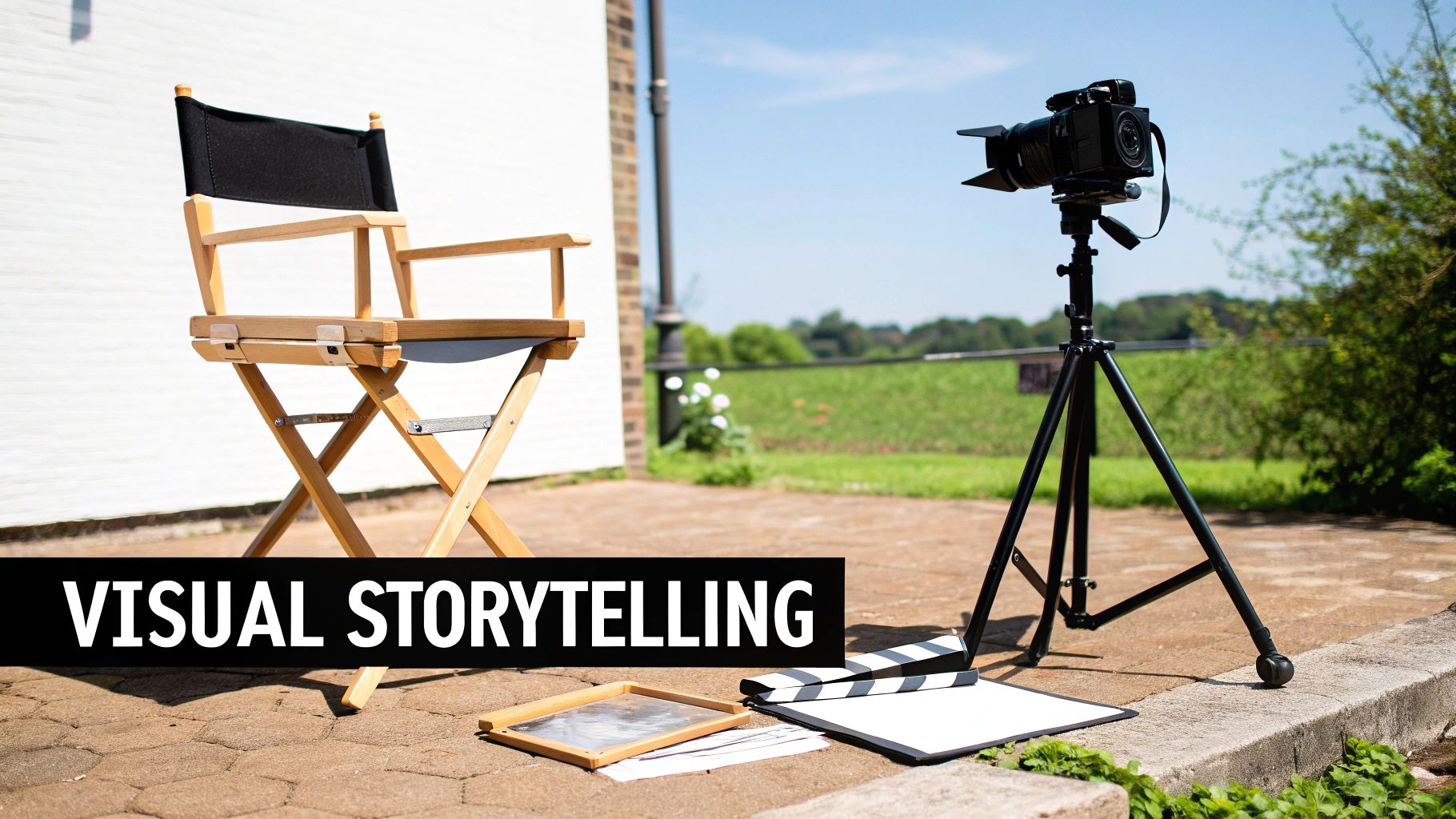
5. Music Video Production & Visual Storytelling
In the digital age, music is as much a visual experience as it is an auditory one. A compelling music video can transform a song from a simple audio track into an immersive artistic statement. This strategy involves creating visual content, from high-concept official videos to lyric videos and behind-the-scenes footage, that deepens the song's narrative and provides powerful, shareable assets for promotion. By investing in visual storytelling, artists can capture audience attention, convey their brand identity, and create a lasting cultural impact.
The power of a great music video is its ability to generate conversation and virality. Childish Gambino’s "This Is America" became a global phenomenon due to its potent social commentary and striking visuals, while OK Go built their entire career on innovative, one-take videos that consistently went viral. Similarly, Beyoncé's visual album Lemonade demonstrated how a cohesive visual narrative can elevate a musical project into a cinematic event, solidifying its place as one of the best ways to promote music.
Why It Works
Visual storytelling amplifies the emotional resonance of a song. A well-crafted video gives listeners a new lens through which to interpret the music, creating a stronger connection and making the track more memorable. Videos are also highly shareable across platforms like YouTube, Instagram, and TikTok, serving as a primary promotional tool that can drive streams, attract media coverage, and introduce your work to entirely new audiences.
Actionable Implementation Steps
- Align Concept with Brand: Ensure the video's concept, aesthetic, and narrative are a true reflection of the song's message and your overall artistic identity.
- Create Teaser Content: Build anticipation before the official release by sharing short clips, stills, and behind-the-scenes footage on social media.
- Optimize for All Platforms: Create different versions of your video or trailer optimized for various formats, such as vertical clips for Instagram Reels and TikTok, and a full-length version for YouTube.
- Include Clear Calls-to-Action: Use YouTube's end screens and description boxes to direct viewers to streaming platforms, your website, and merchandise stores.
- Explore Budget-Friendly Options: If a high-production video isn't feasible, consider creative alternatives like lyric videos, performance videos, or animated visuals that can still be highly effective.
6. Radio & Traditional Media Outreach
In an era dominated by digital algorithms, traditional media outreach remains a powerful and authoritative strategy. This approach involves securing airplay on radio stations and earning features in music blogs, magazines, and television. It is designed to build credibility, tap into established audiences, and create a sense of legitimacy that can be difficult to achieve through online channels alone. This method is one of the best ways to promote music because it lends a third-party endorsement to your work, signaling to a broader audience that you are an artist to watch.
The enduring influence of traditional media can be seen in numerous artist breakthroughs. The Arctic Monkeys, for instance, built a groundswell of support through early blog coverage and NME features that translated directly into mainstream success. More recently, artists like Taylor Swift masterfully combine digital savvy with traditional media management, ensuring their narratives are amplified across radio, print, and television to create massive cultural moments.
Why It Works
This strategy works by leveraging the established trust and reach of traditional media outlets. A feature in a respected music blog or a spin on a popular radio station acts as a powerful stamp of approval. This exposure not only introduces your music to a new and often more passive audience but also significantly boosts your professional profile, opening doors to bigger opportunities like festival bookings, licensing deals, and brand partnerships.
Actionable Implementation Steps
- Create a Professional Press Kit: Assemble a comprehensive Electronic Press Kit (EPK) with your bio, high-resolution photos, links to your music (e.g., private SoundCloud links), and notable achievements.
- Research and Target Relevant Outlets: Compile a targeted list of radio programmers, journalists, and bloggers who cover your specific genre. Personalize your outreach instead of sending mass emails.
- Build Genuine Relationships: Engage with media professionals on social media and attend industry events. A warm connection is more effective than a cold pitch.
- Time Your Outreach Strategically: Contact media outlets several weeks before your release date to align with their content calendars and publication cycles. Follow up politely and professionally.
7. Email Marketing & Fan Database Building
While social media offers broad reach, email marketing provides a direct, unfiltered line of communication to your most dedicated supporters. This strategy involves building a proprietary fan database and nurturing it with exclusive content, pre-sale access, and personalized campaigns. By owning this connection, artists can bypass the unpredictable nature of platform algorithms, ensuring their message always reaches its intended audience. This method is one of the best ways to promote music because it cultivates a loyal, engaged community that feels valued and connected to your journey.
The power of this strategy is exemplified by artists who prioritize direct fan relationships. Chance the Rapper famously leveraged his email list to promote his music and sell out tours without major label backing. Similarly, Taylor Swift's team uses her fan club communications to deliver exclusive news and pre-sale codes, creating immense value for her most loyal followers and driving massive album launches. This direct-to-fan approach ensures that your core audience is always the first to know and act.
Why It Works
This method thrives on exclusivity and direct access, making fans feel like insiders. Unlike a social media feed, an email inbox is a personal space, and gaining access to it signifies a deeper level of trust and interest from the fan. This connection translates directly into higher engagement rates for new releases, more reliable ticket sales, and increased merchandise purchases. It transforms passive listeners into a powerful, self-sustaining promotional engine for your music career.
Actionable Implementation Steps
- Offer Compelling Signup Incentives: Provide a clear reason for fans to join your list, such as a free download of an unreleased track, exclusive behind-the-scenes content, or early access to tickets and merch.
- Segment Your Audience: Group subscribers based on their location, engagement level, or purchase history. This allows you to send targeted, personalized messages that are more relevant and effective.
- Maintain a Consistent Schedule: Send emails regularly enough to stay top-of-mind but not so often that you overwhelm your subscribers. A bi-weekly or monthly newsletter is often a good starting point.
- Include Clear Calls-to-Action: Every email should have a purpose. Use clear, prominent buttons and links directing fans to stream your new single, buy concert tickets, or visit your merch store.
8. Sync Licensing & Brand Partnerships
Sync licensing involves placing your music in visual media like films, TV shows, commercials, and video games. This strategy provides a powerful dual benefit: it generates significant upfront revenue through licensing fees and exposes your music to massive, often mainstream, audiences who might not discover it otherwise. By aligning your sound with a popular show, film, or respected brand, you gain instant credibility and context, making it one of the most effective and prestigious ways to promote music.
The cultural impact of a well-placed sync can be monumental. Kate Bush's "Running Up That Hill" experienced a massive global resurgence after being featured prominently in Netflix's Stranger Things, topping charts decades after its initial release. Similarly, Apple's iconic iPod commercials were instrumental in launching the careers of artists like Feist, whose song "1234" became an international hit almost overnight. These examples highlight how a single placement can redefine an artist's career trajectory.
Why It Works
This method is uniquely powerful because it attaches your music to a pre-existing emotional or narrative context. When a listener hears your song during a pivotal scene in a movie or a high-energy brand campaign, they form an immediate and strong association with it. This passive discovery feels organic, often leading listeners to actively seek out the track and explore the artist's broader catalog. It is a direct path to a new, highly engaged audience.
Actionable Implementation Steps
- Prepare Your Catalog: Ensure you have high-quality, fully mixed and mastered WAV files for all your tracks. Creating instrumental versions is also crucial, as they are frequently requested by music supervisors for scenes with dialogue.
- Register Your Music: Sign up with a Performance Rights Organization (PRO) like ASCAP or BMI and explore reputable music libraries and sync agencies that specialize in pitching music to supervisors.
- Build Industry Connections: Actively network with music supervisors, advertising agency creatives, and filmmakers. Attend industry conferences and panels to make valuable connections.
- Understand the Legalities: Educate yourself on the basics of sync and master use licenses. Knowing your rights and the value of your music is essential before entering any negotiation.
9. Fan Engagement & Community Building
True career longevity in music is built not on fleeting viral hits, but on a foundation of devoted fans. This strategy focuses on transforming passive listeners into an active, loyal community by fostering direct, meaningful relationships. It involves creating exclusive experiences, offering personalized interactions, and building a genuine feedback loop that makes fans feel valued and integral to your journey. This approach is one of the best ways to promote music because it creates a resilient, self-sustaining ecosystem of support that transcends album cycles and industry trends.
The goal is to cultivate a sense of belonging and shared identity. For example, Taylor Swift's legendary fan engagement, from personally interacting with fans online to embedding "Easter eggs" in her work, makes her audience feel like insiders on a shared adventure. Similarly, the global success of BTS is inseparable from their dedicated "ARMY," a community nurtured through constant communication, behind-the-scenes content, and a message of mutual respect and appreciation.
Why It Works
This method thrives on emotional connection and reciprocity. When fans feel seen and heard, their loyalty deepens, turning them into powerful advocates who will pre-save your music, buy merchandise, and defend your art. This direct-to-fan relationship provides invaluable stability and a powerful marketing force driven by authentic, word-of-mouth promotion. Building this bond is crucial for any artist looking to establish a long-term, sustainable career.
Actionable Implementation Steps
- Create Exclusive Insider Content: Offer special access to unreleased demos, behind-the-scenes videos, or early ticket sales through a fan club, newsletter, or private community group.
- Personalize Your Interactions: Take time to respond to comments and messages personally. A simple, genuine reply can make a fan feel incredibly valued and strengthen their connection to you.
- Host Fan-Centric Events: Organize virtual meet-and-greets, Q&A sessions, or intimate in-person gatherings to create memorable experiences and foster a stronger sense of community.
- Acknowledge Fan Contributions: Actively recognize and celebrate fan art, covers, and other contributions. Highlighting their creativity shows that you appreciate their support and see them as part of your team.
For artists ready to deepen these connections, you can discover more in our guide covering effective fan engagement strategies.
10. Strategic Release Planning & Marketing Campaigns
A single release is no longer just an event; it is the centerpiece of a comprehensive marketing campaign. This strategy involves developing a meticulously timed, multi-channel promotional rollout to build anticipation, maximize impact, and sustain momentum long after release day. Instead of simply dropping a song, artists create a narrative around their music, coordinating social media, press, advertising, and content creation into a cohesive, multi-phase experience. This approach is one of the best ways to promote music because it transforms a release from a blip on the radar into a can't-miss cultural moment.
Strategic planning turns a release into a story that unfolds over weeks or even months. For example, Taylor Swift’s elaborate album campaigns involve cryptic clues, staggered single releases, and themed visual aesthetics that immerse fans in a new "era." Similarly, Beyoncé's surprise album drops are preceded by subtle, unannounced visual and digital groundwork, creating a massive, instantaneous impact that dominates the cultural conversation.
Why It Works
This method thrives by manufacturing anticipation and creating a sense of occasion. A well-planned campaign guides an audience through a journey of discovery, making them feel invested in the project before they have even heard the full release. This narrative-driven approach builds deep emotional connections, increases first-week streams, and drives engagement across all platforms by making the release feel like a shared, communal experience.
Actionable Implementation Steps
- Plan in Advance: Begin structuring your campaign at least 2-3 months before the release date. Create a detailed content calendar that maps out all promotional activities across social media, email, and press outreach.
- Build Anticipation with Teasers: Release a steady stream of behind-the-scenes footage, short song snippets, cover art reveals, and countdown timers to generate excitement and speculation.
- Coordinate Multi-Channel Rollouts: Ensure your messaging is consistent across all platforms. Align your social media posts, email newsletters, and any press features to launch in a synchronized, impactful way.
- Prepare Phased Content: Develop distinct content for each phase of the campaign: pre-release (anticipation), release day (celebration), and post-release (sustain). This could include music video premieres, lyric videos, and live performance recordings.
Top 10 Music Promotion Strategies Comparison
| Strategy | Implementation Complexity 🔄 | Resource Requirements ⚡ | Expected Outcomes 📊 | Ideal Use Cases 💡 | Key Advantages ⭐ |
|---|---|---|---|---|---|
| Social Media Marketing & Content Creation | Medium - ongoing content production | Moderate - time, creativity, multi-platform | High engagement, viral potential, audience growth | Building fanbase, viral marketing, authentic connections | Cost-effective, real-time feedback, global reach |
| Streaming Platform Optimization | Medium - requires metadata & release strategy | Moderate - data analysis, playlist pitching | Increased streams, playlist placements, monetization | Maximizing streaming visibility and revenue | Direct monetization, detailed analytics, algorithm boost |
| Live Performance & Touring | High - logistics, booking, and touring effort | High - travel, equipment, venue costs | Revenue from ticket and merch sales, fanbase strengthening | Building direct fan connection, revenue generation | High profit margins, memorable experiences, networking |
| Influencer Collaborations & Cross-Promotion | Medium - collaboration coordination | Variable - depends on influencer tier | Expanded reach, viral content potential | Audience expansion through partnership | Access to established audiences, authentic endorsements |
| Music Video Production & Visual Storytelling | High - production and post-production | High - budget, technical expertise | Enhanced artistic expression, shareable viral content | Artistic branding, visual promotion | Cultural impact, multiple revenue streams, professional credibility |
| Radio & Traditional Media Outreach | Medium to High - relationship building | Moderate to High - publicist, press materials | Credibility, exposure to traditional audiences | Industry recognition, targeting older demographics | Established credibility, loyal audiences, press coverage |
| Email Marketing & Fan Database Building | Medium - content and technical setup | Moderate - software and content creation | High conversion rates, direct fan communication | Nurturing loyal fanbase independent of social algorithms | Ownership of audience, cost-effective, detailed analytics |
| Sync Licensing & Brand Partnerships | High - requires industry connections and negotiation | Moderate to High - legal and networking | Revenue from licensing, exposure through media | Revenue diversification, brand association | Upfront fees, diverse audience exposure, credibility |
| Fan Engagement & Community Building | High - requires continuous personal interaction | Moderate - time and platform management | Loyal fanbase, sustainable revenue, organic growth | Deepening fan relationships, exclusive content delivery | Higher fan lifetime value, emotional connection |
| Strategic Release Planning & Marketing Campaigns | High - extensive planning and coordination | High - cross-channel resource allocation | Maximized launch impact, sustained momentum | Coordinated multi-phase release strategies | Measured effectiveness, audience anticipation, resource efficiency |
Crafting Your Symphony of Success
Navigating the modern music landscape can feel like conducting a complex orchestra. Each instrument, from social media content to sync licensing, must play its part in harmony to create a resonant and impactful final piece. The ten strategies we've explored are not isolated tactics; they are interconnected components of a holistic promotional symphony. The best ways to promote music in today's saturated market demand a dynamic, integrated approach where each element amplifies the others.
A viral video (Strategy 1) loses momentum without a clear path to your streaming profiles (Strategy 2). A captivating live performance (Strategy 3) becomes a fleeting memory if you don’t capture new fans for your email list (Strategy 7). This interconnectedness is the core principle of modern music marketing. Your success hinges not on mastering a single channel, but on weaving them together into a cohesive narrative that tells your unique story.
The Power of Integration and Adaptation
The true takeaway is that promotion is not a checklist to be completed; it is a living, breathing extension of your artistry. The promotional engine you build must be as unique as your sound.
- Connect the Dots: See how a strong visual brand from your music videos (Strategy 5) can translate into compelling merchandise designs. Use the community you build (Strategy 9) to drive presaves for a strategic release (Strategy 10).
- Analyze and Pivot: Your analytics are your compass. If you notice a spike in listeners from a specific city after a radio interview (Strategy 6), that’s your cue to engage local influencers (Strategy 4) or plan a show there.
- Authenticity as Your Anchor: Amidst all these strategies, your artistic vision must remain the central theme. Every promotional activity should feel authentic to you and your brand, strengthening the connection with your audience rather than diluting it.
Your Actionable Next Steps
Feeling overwhelmed is natural, but momentum starts with a single, deliberate step. Instead of trying to implement all ten strategies at once, choose one or two that align with your immediate goals and resources.
- Conduct a Self-Audit: Which of these areas represents your biggest weakness right now? Is it your inconsistent social media presence or your non-existent email list? Start there.
- Set a 90-Day Goal: Define a specific, measurable objective. For example, “I will pitch my new single to 50 independent playlist curators and 10 music bloggers within 90 days.”
- Embrace Experimentation: Not every strategy will yield the same results. Treat your promotion as a series of experiments. Test different content types, collaboration styles, and release tactics. Learn from what doesn’t work and double down on what does.
Ultimately, mastering the best ways to promote music is about building a sustainable career, not just a fleeting moment of virality. It requires discipline, creativity, and a willingness to adapt. By thoughtfully combining these methods, you transform disparate marketing actions into a powerful, unified force that can cut through the noise, captivate an audience, and build a lasting legacy around your art. Your music deserves to be heard; now you have the blueprint to make that happen.
Ready to unify your promotion efforts and execute your strategy from a single, powerful hub? OohYeah provides an all-in-one platform for artists to manage streaming, merchandise sales, and direct fan engagement without commissions. Start building your integrated music career today at OohYeah.