Music Income Streams: Diversify Your Earnings in 2026
Learn how musicians build multiple music income streams, from streaming and live shows to merch, sync, publishing, and direct-to-fan sales.

August 20, 2026
FRANKLY with Frank Lee

The musicians who build lasting careers rarely rely on one source of money. In fact, almost all musicians who earn a significant income from music do it mostly through ticket sales and merchandise sales. Streaming matters, but it usually works best as part of a larger plan. If you want a sustainable career in 2026, the strongest move you can make is to develop several music income streams at once.
Why Multiple Income Streams Matter
Most musicians try to build a career on a single income stream, and the one they choose is often the one that pays least. A full-time music income, even a $100,000 income, usually comes from four to seven streams, with no single stream contributing more than roughly 40 percent. That mix gives you stability and protects you if one source slows down.
Live work has always been a foundation. Almost all musicians who make a living from music do it mostly from ticket sales and merch sales. That pattern remains true whether an artist is playing clubs, theaters, or festivals. Streaming can introduce your music to new fans, but it rarely replaces the income from performing and selling products.
The Six Core Music Income Streams
Understanding the standard model helps you spot the gaps in your current setup. Musicians make money from six revenue streams: streaming royalties, live performance, merchandise, sync licensing, publishing royalties, and direct-to-fan sales. For most working artists, live shows and merch produce the largest share of the money.
| Revenue Stream | What It Involves | Key Note for Artists |
|---|---|---|
| Streaming royalties | Payments from platforms when listeners play your tracks | Useful for discovery, rarely a primary salary |
| Live performance | Ticket sales from shows and tours | One of the biggest earners for working musicians |
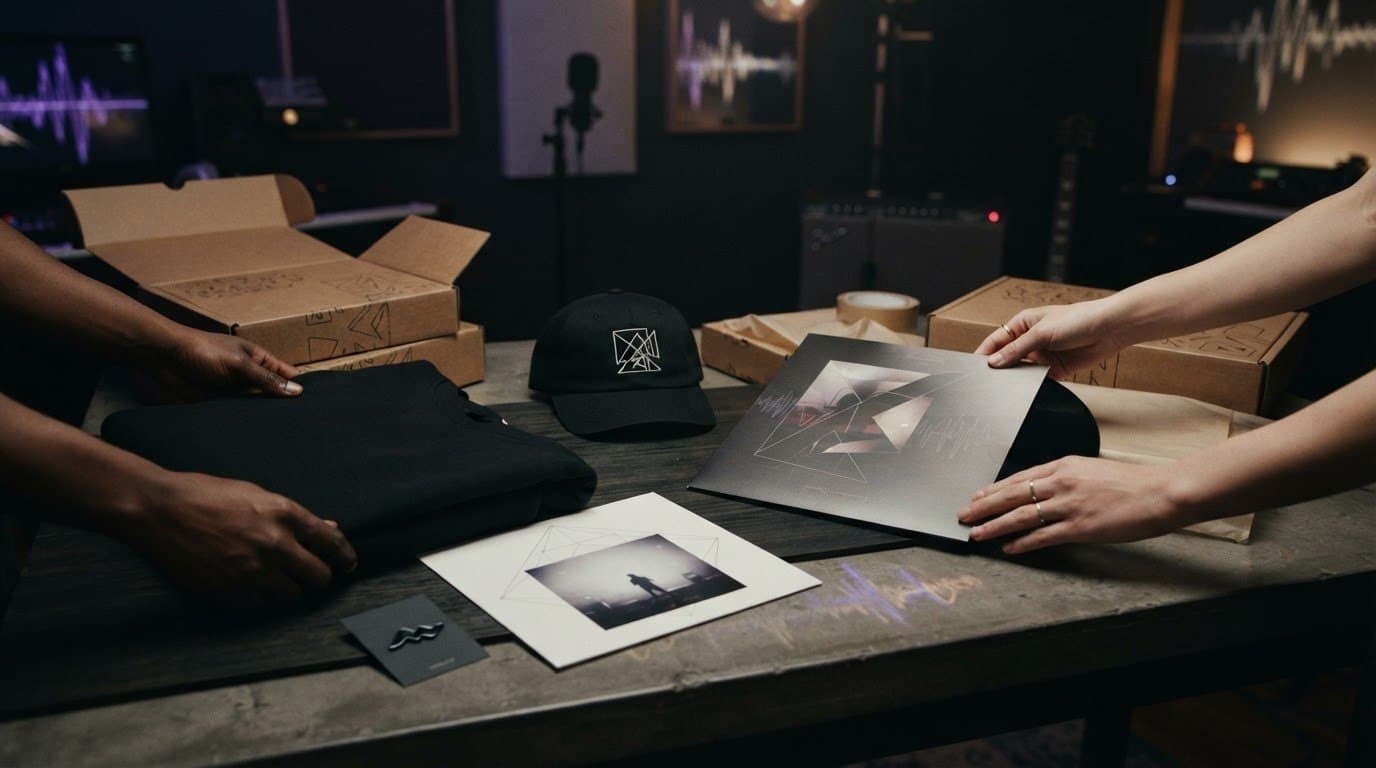
| Merchandise | Physical products sold at shows or online | Pairs well with live events and fan relationships |
| Sync licensing | Licensing music for film, TV, ads, and media | Can give a song a longer commercial life |
| Publishing royalties | Income collected for songwriting and composition | Collected through collection societies |
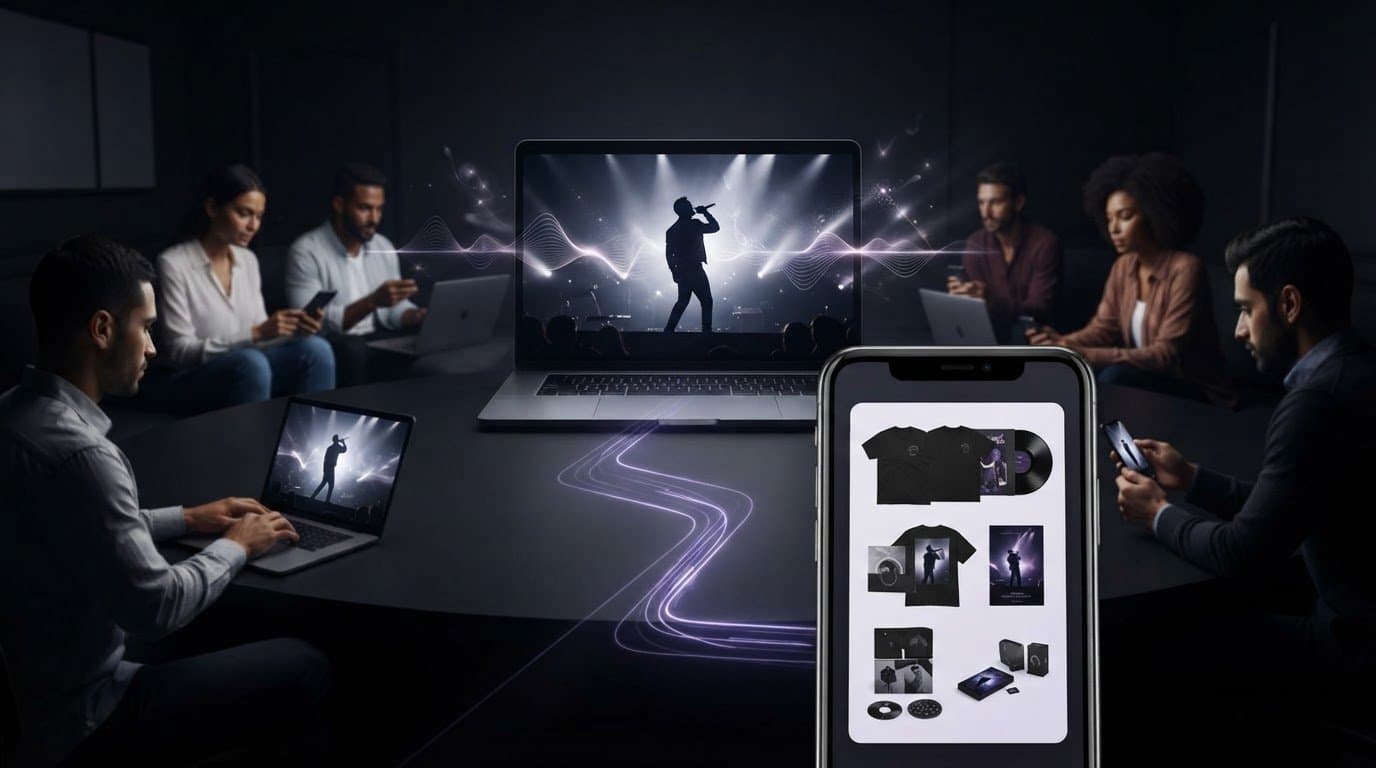
| Direct-to-fan sales | Sales of music, digital products, or experiences directly to fans | Keeps you closer to your audience |
The table above captures the standard model. Some artists also build income beyond these six, and you can combine them in countless ways.

Streaming Royalties and Publishing Income
Streaming royalties are payments from platforms when people listen to your tracks. The global music industry generated $28.6 billion in 2024, and streaming accounted for 67% of that total. For independent artists, however, depending on streaming presents a challenge. It is an essential discovery channel, but it tends to sit near the bottom of the earnings list.
Publishing royalties are separate from streaming royalties in some cases. They come from the songwriting and composition side of music. When you affiliate with a collection society, that organization is authorized to collect income from streaming platforms, radio and television stations, and live performance venues. Registering your songs with the right organizations makes it easier to collect what you have earned.
Live Shows and Merchandise: The Working Artist’s Foundation
For most working artists, live shows and merchandise produce the largest share of income. Concerts bring in ticket revenue, and merchandise adds another layer at the same event. For musicians who want income without travel costs, online live platforms like Twitch and Bandcamp Live offer ways to perform and earn without spending on transportation, accommodation, and other tour expenses.
Ticket and merch sales are also where many artists build their most loyal fan relationships. A fan who buys a shirt or a ticket is usually more connected than a passive listener. That connection often leads to repeat purchases and stronger word of mouth.
Sync Licensing as a Career Builder
Sync licensing means your music is used in film, TV, advertising, video games, or other visual media. It is one of the six core revenue streams and can stretch the life of a song. For independent artists, a single placement can introduce music to a much larger audience, and the income arrives alongside royalties from the original recording.

Direct-to-Fan Sales and Digital Products
Direct-to-fan sales are exactly what they sound like: fans buy directly from you. This can cover music downloads, physical copies, merchandise, and digital products. Examples of remote recording work include online courses, sample packs, loops, beats, and merchandise. These products can be created once and sold many times, which makes them useful additions to your income mix.
The appeal of direct-to-fan sales is control. You set the price, choose the format, and keep the relationship with your audience. That makes it easier to experiment with new products and see what your fans actually want.
Income Streams Beyond the Standard Six
The six revenue streams do not cover every musical career. Composers often earn through commissions, residencies, bursaries and development awards, grants, royalties, the hire or sale of scores, and even music as art objects. These options are especially common in classical and contemporary composition.
You do not have to limit yourself to a standard list. The wider your range of skills, the more ways you can earn from them. A producer may add mixing and mastering services. A songwriting team may add publishing income. A performer may add private event bookings. Each new stream creates another path to financial stability.
A Practical Mix for a Full-Time Music Career
A full-time music career can look like a portfolio. Working artists often build a mix of four to seven revenue streams, and no single one carries more than roughly 40 percent of their income. That might mean live shows and merch as anchors, streaming for discovery, publishing royalties for songwriting, sync placements for occasional jumps, and direct digital sales for steady fan-supported income.
The goal is not to chase every possible source of money at once. Start with the streams you can build today. If you already perform, add merch. If you release music, register with a collection society. If you have a loyal audience, give them something to buy directly. The most resilient careers in music are built on variety.
Frequently Asked Questions
How many income streams do musicians need?
Most full-time music careers rely on four to seven separate income streams, and no single stream usually carries more than roughly 40 percent of total income. A healthy mix might include live performance, merchandise, streaming royalties, sync licensing, publishing royalties, and direct-to-fan sales. Building that mix takes time, so start with one or two streams and add new ones as your career grows.
What are the most profitable music income streams?
For most working artists, live shows and merchandise produce the largest share of income. Nearly all musicians who support themselves primarily through music depend heavily on ticket sales and merch sales. Other important streams include streaming royalties, sync licensing, publishing royalties, and direct-to-fan sales. The right balance depends on your audience, genre, and career goals.
Do streaming royalties pay enough to live on?
Streaming royalties rarely support a full-time music career on their own. Streaming is where many listeners discover new artists, but it tends to sit near the bottom of the earnings list. Even with streaming representing a large share of global music revenue, independent artists often need additional income from live shows, merchandise, licensing, and direct-to-fan sales.
What is direct-to-fan sales?
Direct-to-fan sales include any music-related product or service you sell straight to your audience. This can include music downloads, physical releases, sample packs, loops, beats, online courses, and merchandise. Selling directly lets you build closer relationships with fans and create income that does not depend on playlists or radio play.
How can a musician start building multiple income streams?
Start by treating streaming as a discovery tool, not a paycheck. Then add revenue streams that match your strengths, such as live performance, merch, or digital products like sample packs and online courses. Register your songs with a collection society to collect publishing royalties, and explore sync licensing as your catalog grows. The goal is a balanced mix of four to seven streams.