Tips for Recording High-Quality Demos At Home
Tips for Recording High-Quality Demos At Home
January 6, 2025
OohYeah
Tips for Recording High-Quality Demos
Creating high-quality demos at home is a game-changer for musicians and creators looking to share their talent or hone their craft. With the right setup, you can record songs, capture a drum kit, and even lay down crystal-clear drum tracks without leaving your house. Tools like USB mics, an audio interface, and digital audio workstations (DAWs) make it easier than ever to create music professionally.
Whether you're capturing the punch of a kick drum, the thump of a bass drum, or layering vocals, the possibilities are endless. You can even pair audio with visuals using a video camera to elevate your demos. By recording your own music, you unlock creative control and give your ideas the polished shine they deserve.
What Means to Record High-Quality Demos
Recording high-quality demos means capturing your music in a way that showcases its full potential. It's the process of creating a professional-sounding audio recording, whether for personal use or to share with others.
A high-quality demo will have excellent sound quality, clean and balanced levels, and minimal background noise. It should also accurately represent the tone, dynamics, and emotion of your music. By achieving these elements, you can make your tracks stand out and create a lasting impact on listeners.
Is Music Production Experience Required?
You don’t need prior music production experience to record high-quality demos at home. Thanks to advancements in technology, anyone can start creating great songs with the right tools. While knowledge of live performances or studio setups might help, it’s not essential. A beginner can achieve a near-perfect recording by focusing on the basics. For instance, investing in good mics ensures clarity, while using bass traps helps control sound reflections in your recording space.
Equipment like these minimizes unwanted noise, making your tracks sound more professional. Even if you’re not a seasoned bass player or musician, accessible tools like digital audio software provide guidance to shape your sound. With preparation and experimentation, anyone can take their ideas from concept to reality and produce polished demos that rival professional work.
Tips for Recording High-Quality Demos At Home
Now that we've discussed the importance of recording high-quality demos at home and how it can be done without prior music production experience, here are some tips to help you get started:
Invest in good equipment:
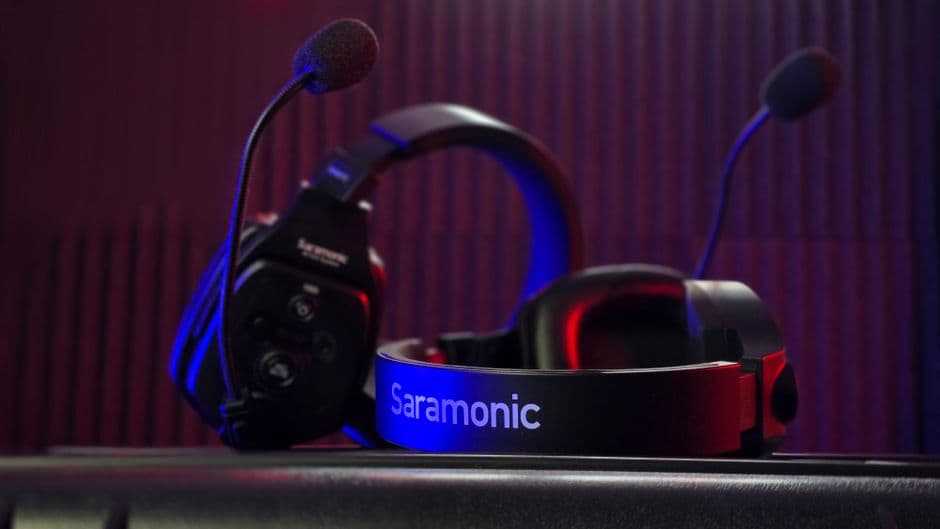
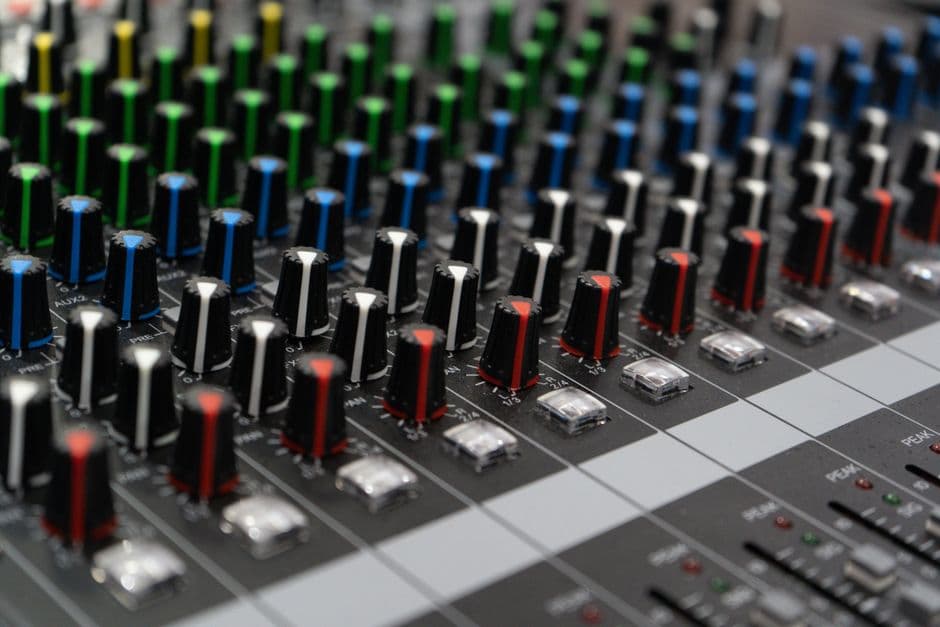
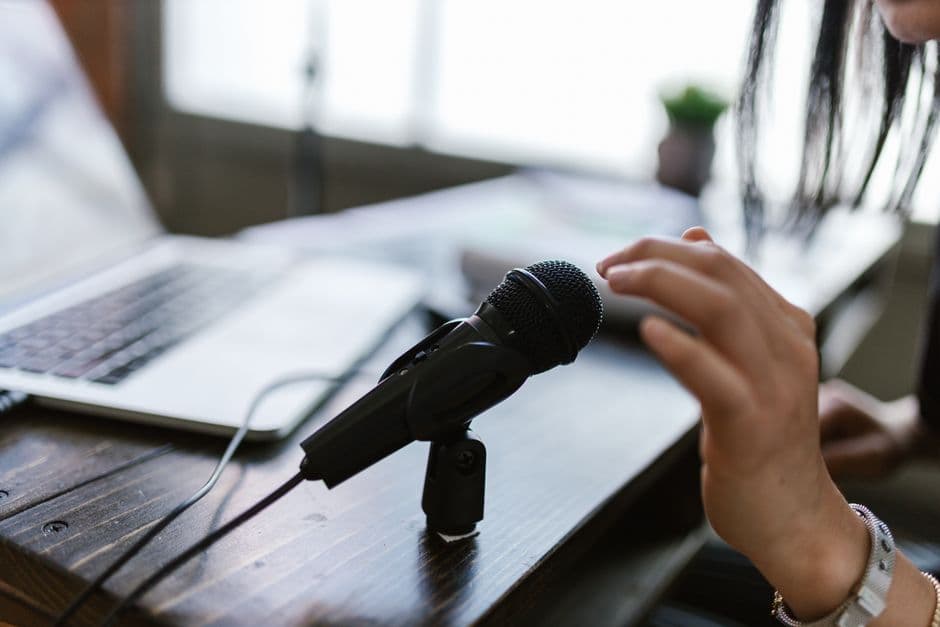
To achieve professional-sounding demos, it's important to invest in good equipment. This includes a quality audio interface, USB microphone, condenser mic, mic stand, and good monitors. While you don't need top-of-the-line gear, investing in decent equipment will make the recording process more efficient and improve the overall sound quality of your demos.
Set up a suitable recording space:
Creating a home studio doesn't have to break the bank. With some creativity and resourcefulness, you can create a suitable recording space in your own room or any other available area. Make sure to choose a spot that is relatively quiet and has minimal background noise. To control sound reflections, you can use DIY bass traps or acoustic panels.
Experiment with mic placement:
Mic placement is crucial in capturing the best sound quality for your drums, vocals, and other instruments. For drums, try placing the microphone 3-5 inches from the bass drum head to capture a punchy and full sound. For vocals, experiment with positioning the mic at different distances to find the sweet spot that complements your voice. Don't be afraid to try out different techniques and placements until you find what works best for your setup.
Use YouTube videos as a reference:
If you're new to recording demos at home, it can be helpful to watch tutorials on YouTube to get an idea of how professionals set up their home studios and record demos. You can also learn different techniques for mic placement, mixing, and mastering by watching videos from experienced musicians and producers.
Practice and get feedback:
Like any skill, recording high-quality demos takes practice. Don't be discouraged if your first few attempts don't turn out as well as you hoped. Keep practicing and experimenting with different techniques until you find what works best for you. It can also be helpful to get feedback from fellow musicians or even hire a professional producer to give you constructive criticism on how to improve your demos.
Consider collaborating with others:
Recording at home doesn't mean you have to do everything yourself. If you're not confident in your skills for recording certain instruments, consider collaborating with other musicians who can bring their expertise to the table. This can also add a unique element to your demos and make them stand out even more.
Don't neglect post-production:
Once you've recorded your high-quality demos, don't forget about post-production. This includes editing, mixing, and mastering your tracks to give them that polished sound. While it may seem intimidating at first, there are plenty of resources available online to help guide you through the process.
Practice good room treatment:
In addition to using bass traps or acoustic panels in your recording space, it's important to practice good room treatment in general. This means keeping clutter and unnecessary objects out of the room to reduce background noise and echoes. It's also a good idea to record in a carpeted room or use rugs to minimize sound reflections.
Don't underestimate the power of demos:
While recording high-quality demos at home may seem like a daunting task, it's important not to underestimate their impact. Demos are often used as a first impression for labels, agents, and other industry professionals. They can also be shared with fans and potentially lead to live performances or other opportunities. By putting effort into creating good demos, you're building a strong foundation for your music career.
Consider recording with a full band:
If you have access to other musicians who can contribute to your demos, consider recording with a full band. This can add depth and dynamics to your tracks, making them sound more professional and closer to what you would hear in a studio setting. It's also a great opportunity for collaboration and can bring new ideas to the table.
These tips should help you get started on recording high-quality demos at home. Remember to have patience and don't be afraid to try new techniques and equipment until you find what works best for you.
What Are the Challenges of Recording High-Quality Demos At Home?
Recording high-quality demos at home may seem simple enough, but there are definitely some challenges that come with it. These include:
Limited space and equipment:
One of the biggest challenges of recording at home is working within the limitations of your space and equipment. Unlike professional studios, you may not have access to a wide range of instruments, microphones, or other gear. It's important to be creative and resourceful with what you have available.
Distractions and interruptions:
While recording in a home studio can be convenient, it also means having to deal with potential distractions and interruptions from family members, roommates, pets, or outside noises. It's important to create a schedule and communicate with those around you to minimize interruptions during recording sessions.
Inconsistent sound quality:
Achieving consistent sound quality can be a challenge when recording at home, especially if your space is not acoustically treated or you don't have high-quality equipment. This can make it difficult to achieve a polished sound across all of your tracks.
Lack of technical expertise:
Recording demos at home requires some technical know-how, from setting up equipment properly to editing and mixing tracks. If you're new to the world of music production, there may be a learning curve in terms of understanding different techniques and software.
Balancing creativity with technical aspects:
Recording at home can also mean wearing multiple hats, from musician to producer. It's important to find a balance between being creative and technical, as both are essential in creating high-quality demos.
Time-consuming:
Recording demos at home can be a time-consuming process, especially if you're doing everything yourself. From setting up equipment to recording multiple takes, editing and mixing tracks, and mastering the final product, it can take a significant amount of time and effort to produce a professional-sounding demo.
How to Overcome These Challenges
While there are certainly challenges to recording high-quality demos at home, they can be overcome with the right approach. Here are a few tips for addressing these challenges:
Make the most of your space and equipment:
Get creative with what you have available. Experiment with different mic placements and techniques to get the best sound out of your instruments. You can also invest in a few key pieces of equipment that will make a big difference in the quality of your recordings.
Set boundaries and communicate:
To minimize distractions and interruptions, make sure to set boundaries and communicate with those around you about when you'll be recording. This includes setting aside dedicated time for recording sessions.
Work on improving sound quality:
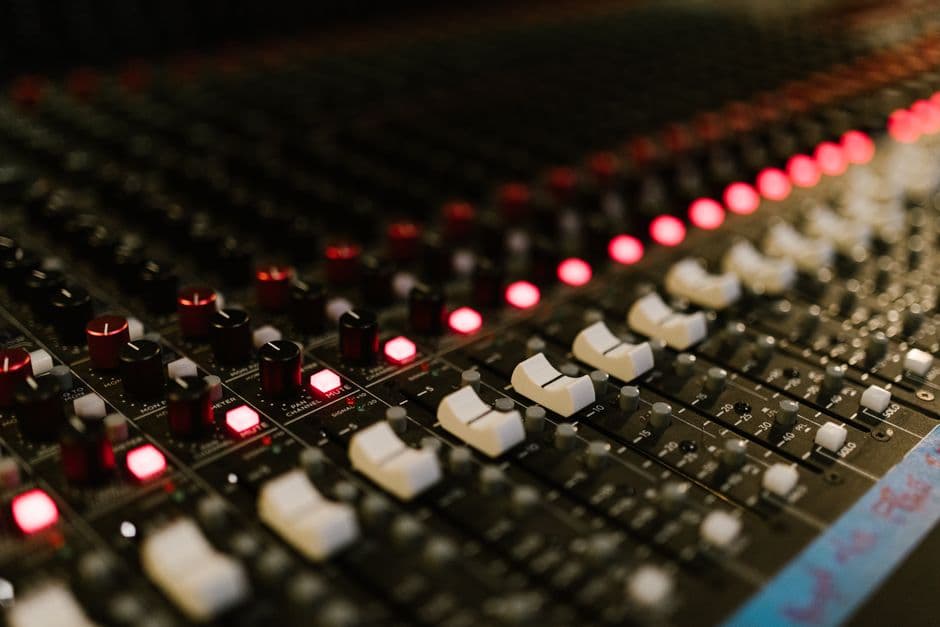
While you may not be able to achieve a perfect sound in your home studio, there are ways to improve the overall quality. This includes using acoustic treatment, investing in high-quality equipment when possible, and utilizing software tools for editing and mixing.
Utilize resources for technical expertise:
If you're new to music production, don't be afraid to utilize online resources for guidance or even consider taking a course or workshop on recording techniques. You can also collaborate with more experienced musicians or producers who can offer valuable advice and assistance.
Find a balance between creativity and technical aspects:
It's important to find a good balance between being creative and focusing on the technical aspects of recording at home. Don't let the technical side of things stifle your creativity, and don't let your creativity overlook important technical details.
Manage your time efficiently:
To make the most of your recording sessions, it's important to manage your time efficiently. This could mean setting a specific schedule for recording, prioritizing tasks, and being mindful of how long certain steps may take.
By keeping these challenges in mind and implementing strategies to overcome them, you can create high-quality demos at home that will impress industry professionals and help advance your music career.
Benefits of Recording High-Quality Demos At Home
Despite the challenges, there are many benefits to recording high-quality demos at home. These include:
Cost-effective:
Recording at home can be much more cost-effective than booking studio time. You won't have to pay for hourly rates or worry about additional fees for editing and mixing.
Creative control:
By recording at home, you have complete creative control over every aspect of your demo, from instrumentation to production choices. This allows you to fully express your vision without any external influence.
Flexibility:
Having a home studio gives you the flexibility to record whenever inspiration strikes, without having to adhere to a specific studio schedule. This can also save you time and money in the long run.
Practice:
Recording at home allows you to practice your recording skills and familiarize yourself with different techniques and software. This can not only improve the quality of your demos, but also make you a more well-rounded musician and producer.
Learning experience:
Recording at home can be a valuable learning experience, as it forces you to problem-solve and think outside the box with limited resources. This knowledge and experience can translate into future recordings and even live performances.
Showcase your talent:
High-quality demos recorded at home can showcase your talent to industry professionals, potentially leading to opportunities for gigs, collaborations, or record deals.
FAQs
Do I need expensive equipment to record high-quality demos at home?
Not necessarily. While having high-quality equipment can certainly improve the overall sound, it's more important to have a well-equipped and well-treated recording space.
How do I know if my demos are of professional quality?
It can be helpful to get feedback from other musicians or industry professionals, as they can provide objective critiques and suggestions for improvement. You can also compare your demos to those of successful artists in your genre for reference.
Can singer songwriter demos be recorded at home?
Absolutely! Singer songwriter demos can be easily recorded at home with just a few basic pieces of equipment, such as a microphone and audio interface. The key is to focus on capturing the emotion and authenticity of your performance.
Can record drums at home?
Yes, it is possible to record drums at home, but it may require some additional equipment and soundproofing measures. There are also software tools available that can simulate drum sounds.
Conclusion
Recording high-quality demos at home is an achievable goal for anyone with the right tools and mindset. By carefully selecting equipment like good mics, an audio interface, and appropriate accessories, you lay the foundation for success. Setting up your recording space with soundproofing and acoustic treatments, such as bass traps, ensures clarity and minimizes distractions. Digital audio workstations offer endless possibilities for editing and refining your tracks, whether you're a beginner or a seasoned producer.
Home recording empowers you to experiment, hone your skills, and bring your creative visions to life. With dedication and practice, you can craft professional-quality demos that truly capture your ideas and stand out. Start today—your best work awaits!