How to Build a DIY Home Studio On A Budget
How to Build a DIY Home Studio On A Budget
January 5, 2025
OohYeah
DIY Home Studio
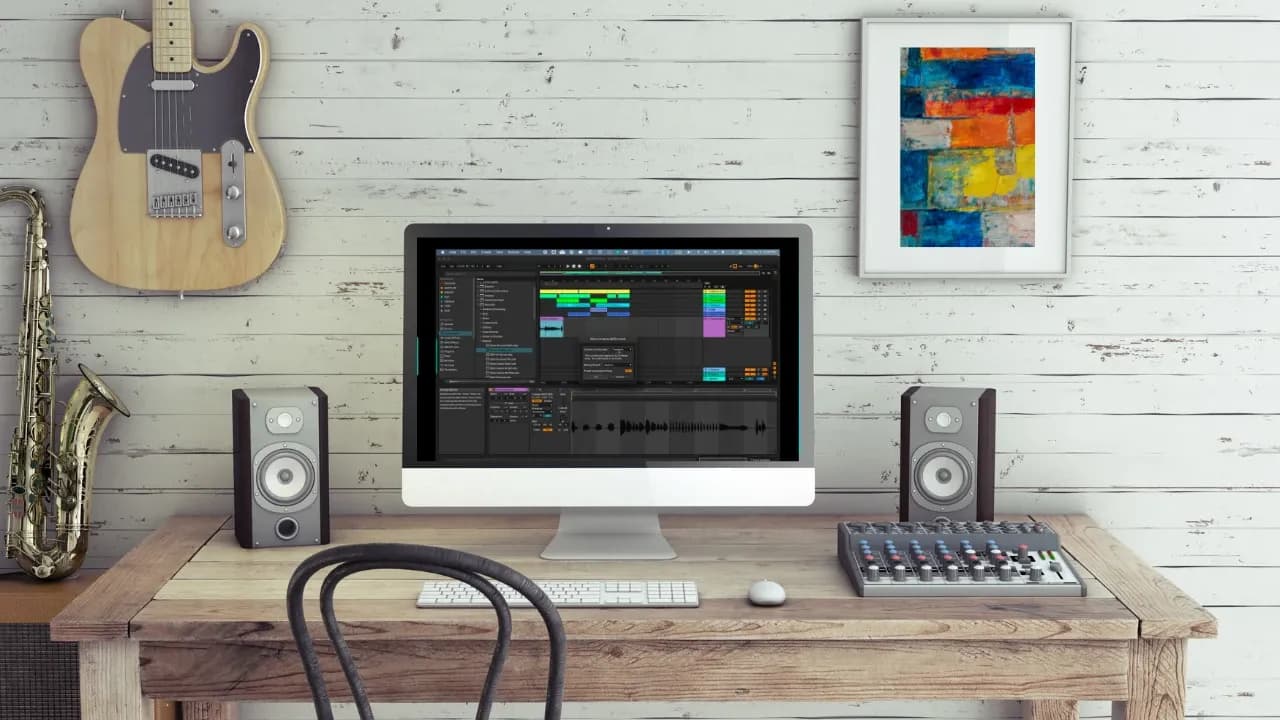
Building your own home studio doesn’t have to break the bank. Whether you’re recording vocals, producing music, or creating podcasts, a budget-friendly home recording studio is within reach. With the right approach, you can design a space that rivals a professional recording studio. Essential tools like an audio interface, digital audio workstation, and basic recording equipment can kickstart your setup without unnecessary expenses.
You don’t need to overlook quality either; affordable studio monitors and creative soundproofing can elevate your recordings. This guide will walk you through affordable solutions for turning a small space into a functional home studio, proving that creativity and resourcefulness are all you need to start a successful recording journey.
Why Music Business Feel the Need for Budget-Friendly Home Studios
In today's music industry, technology has made it easier than ever to create high-quality recordings from home. With software and hardware becoming more advanced and affordable, independent musicians and content creators are now able to produce professional-sounding work without spending a fortune.
Not only does having a budget-friendly home studio save money in the long run, but it also provides flexibility and convenience. You can work on your projects at any time without worrying about scheduling studio sessions, and you have complete control over the creative process. Additionally, with streaming services dominating the music industry, having a home studio allows for quicker turnaround times for releasing new content.
What is DIY Home Studio
DIY (Do-It-Yourself) home studios are compact, self-contained recording spaces that are designed and built by the creator themselves. Unlike commercial recording studios, which can be expensive to rent and book time in, DIY home studios offer an affordable alternative for artists on a budget. With some basic knowledge and creative ideas, it is possible to design and set up a functional studio space in your own home.
Also, DIY home studios are not limited to just music production. They can also be used for recording podcasts, voiceovers, and other audio projects. The possibilities are endless with a little creativity and resourcefulness.
How to Build a DIY Home Studio On A Budget
There are many factors to consider when building a home studio on a budget. As a music producer, you want to ensure that your equipment is of high quality and produces professional results. Some essential items to invest in for a budget-friendly home studio include an audio interface, digital audio workstation (DAW), and basic recording equipment. Here are some tips to help you build a DIY home studio on a budget while maintaining high sound quality and professional results.
Choosing the Right Space
The first step to building a DIY home studio on a budget is finding the right space. It doesn't have to be a large room; in fact, smaller spaces are easier and more cost-effective to soundproof and treat acoustically. Choose a room with minimal natural reverb, such as a spare bedroom or closet. If possible, avoid rooms with windows or high ceilings which can cause unwanted reflections and affect sound quality.
Soundproofing and Acoustic Treatment
Soundproofing and acoustic treatment are crucial for creating a professional-sounding recording space. While commercial soundproofing materials can be expensive, there are many affordable DIY options that can effectively reduce outside noise and improve sound quality within your home studio. Consider using thick rugs, curtains, and foam panels to absorb sound and reduce unwanted echoes.
Essential Equipment for Music Production
As a music producer, your main focus is on producing high-quality audio. To achieve this in a budget-friendly home studio, invest in essential equipment such as an audio interface, monitors, headphones, and microphones. When it comes to electric guitar amps, consider purchasing a digital amp or using amp simulation software instead of buying multiple expensive physical amps. This can save you money while still providing a variety of sounds to work with.
Choosing the Right Digital Audio Workstation (DAW)
A DAW is the heart of any recording studio, allowing you to record, edit, mix, and master your tracks. There are many affordable options available, and some even offer free versions with limited features. When choosing a DAW, consider the type of music you will be producing and the features you need. Do your research and try out different options before deciding on one.
Basic Recording Equipment
In addition to an audio interface and DAW, there are a few other basic recording equipment essentials for a budget-friendly home studio. These include a microphone stand, pop filter, cables, headphones, and a MIDI controller if needed. Consider investing in quality second-hand equipment or borrowing from friends to save money.
Editing Audio
Editing is an essential part of the music production process, and with the right techniques and software, you can achieve professional-sounding results in your DIY home studio. Many DAWs have built-in editing tools, or you can use a separate software for more advanced editing options.
Achieving Professional Sound Quality
While building a budget-friendly home studio, it's important to keep in mind that the quality of your equipment can greatly affect the sound of your recordings. It's worth investing in high-quality microphones and monitors for accurate sound reproduction. Additionally, proper soundproofing and acoustic treatment will also greatly improve the overall sound quality of your recordings.
Utilizing Online Resources
The internet has made it easier than ever to access free tutorials, tips, and resources for building and running a home studio. Take advantage of online communities and forums to connect with other DIY home studio owners and learn from their experiences. There are also many affordable online courses available that can help improve your skills in audio production.
These are just some basic tips for building a DIY home studio on a budget. With careful planning and prioritizing, you can create a functional and high-quality space to produce your music in the comfort of your own home. Remember to stay creative and resourceful, and don't be afraid to experiment with different techniques and equipment to find what works best for you.
Tips for Maintaining a Budget-Friendly Home Studio
Once you have successfully built your DIY home studio, it's important to maintain it on a budget. Here are some tips to help you do so:
- Keep equipment clean and well-maintained: Regularly cleaning and maintaining your equipment can prolong its lifespan and save you from having to replace expensive items.
- Use free or affordable plugins: Instead of splurging on expensive plugins, try using free or more affordable options that can still provide high-quality sounds.
- Utilize natural lighting: Instead of investing in expensive studio lights, utilize natural light sources for recording and editing purposes.
- Collaborate with other artists: Working with other musicians and producers can not only bring new ideas and perspectives to your music but also allows you to share resources and save money.
- Continuously educate yourself: Stay updated on new techniques, equipment, and software by continuously learning through online resources, workshops, or classes. This can help you improve the quality of your music without breaking the bank.
These tips can help you maintain a budget-friendly home studio without sacrificing the quality of your recordings. Remember to regularly assess and adjust your setup as needed to continuously improve and optimize your space for optimal results.
Essential Tools for Building Your Home Studio
Before diving into building your DIY home studio, it’s important to identify the essential tools you will need. These include:
1. Audio Interface
An audio interface serves as the bridge between your computer or laptop and your recording equipment. It converts analog signals into digital audio and is essential for recording sound from instruments or microphones. There are many budget-friendly options available, so do your research and choose one that fits your needs.
2. Digital Audio Workstation (DAW)
As mentioned earlier, a DAW is where you record, edit, mix, and master your tracks. This is the central piece of software in any home studio setup and choosing the right one is crucial. Some popular affordable options include GarageBand, Audacity, Reaper, and FL Studio.
3. Monitors
Monitors are speakers specifically designed for accurate sound reproduction without any added color or effects. They allow you to hear your recordings as they truly are, making them an essential tool for producing high-quality sound. There are affordable options available, including studio monitors and reference headphones.
4. Microphones
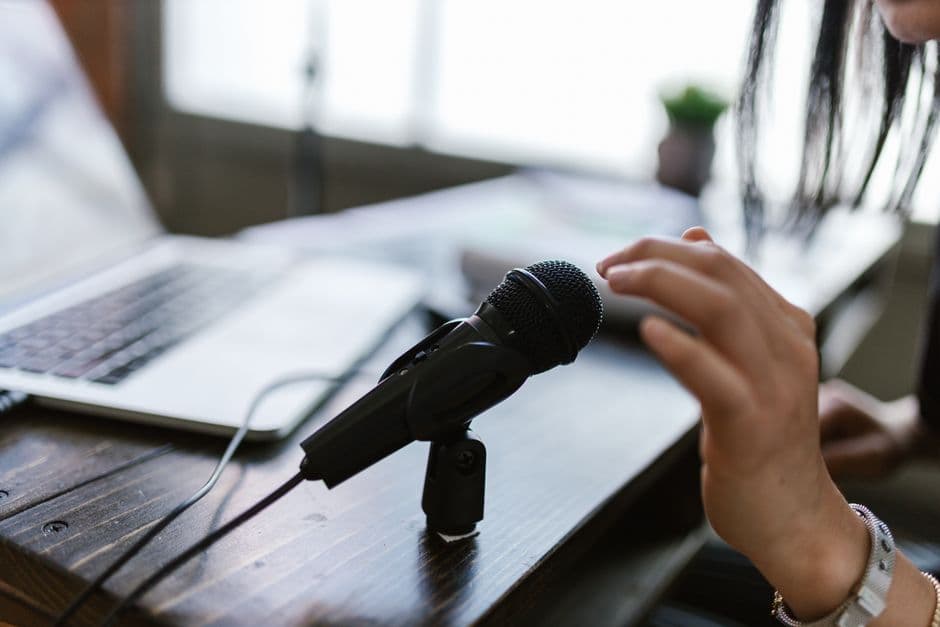
No home studio is complete without at least one microphone. There are many types of microphones, each with its own unique characteristics and uses. A budget-friendly option would be a dynamic microphone, which can handle loud sounds and is versatile enough for recording vocals, drums, and electric guitar amps.
5. Headphones
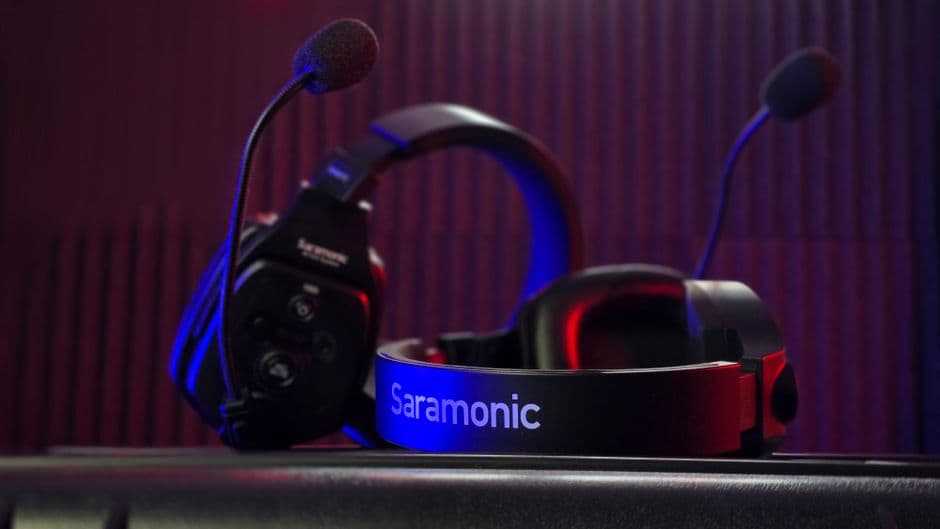
While monitors are important for accurate sound reproduction, headphones are also necessary for mixing and editing in a quieter environment or when recording multiple tracks simultaneously. Look for headphones with a flat frequency response for accurate sound representation.
6. Cables and Accessories
Don’t forget to budget for cables, stands, pop filters, and other necessary accessories when building your home studio. These small items may seem insignificant but are essential for smooth recording sessions.
Once you have these essential tools in place, you can start building the physical space of your DIY home studio with acoustic treatment and soundproofing materials. Remember to prioritize the essentials and look for affordable options or second-hand equipment to stay within your budget.
What Kind of Creative Hacks Can You Use for Your Home Studio?
When building a DIY home studio, it's important to get creative with your resources and find ways to save money without compromising on quality. Here are some hacks you can use for your home studio:
- DIY soundproofing: Instead of buying expensive acoustic panels, try making your own using materials like towels, egg cartons, or cardboard boxes.
- Repurposing household items: Look around your house for items that can serve as makeshift mic stands or reflection filters.
- Utilizing free software and plugins: There are many free DAWs, plugins, and virtual instruments available online that can provide high-quality sounds without breaking the bank.
- Building your own equipment: If you have some basic woodworking skills, consider building your own studio desk or speaker stands to save money.
- Borrowing or renting equipment: Reach out to friends or fellow musicians who may have equipment you can borrow or look into rental options instead of purchasing expensive gear.
These are just a few examples of creative hacks you can use to save money while building and maintaining your home studio. Don't be afraid to think outside the box and find unique solutions that work for you. After all, a DIY home studio should reflect your personal style and creativity.
What are Advantages of Having a Home Studio?
There are numerous advantages to having a home studio, especially for musicians and producers who are just starting out or on a tight budget. Here are some of the key benefits of building your own DIY home studio:
1. Cost-Effective
One of the main advantages of having a home studio is that it can save you a significant amount of money in the long run. Building a DIY setup allows you to choose affordable equipment and materials, as well as repurpose household items for your studio needs. Additionally, having a dedicated space at home eliminates the need to rent out expensive recording studios, which can be costly.
2. Convenience
Having your own home studio also offers convenience and flexibility in terms of scheduling. You can work on your music at any time without worrying about studio hours or availability. You also have the freedom to experiment and try out different ideas without being rushed, which can lead to more creative and authentic results.
3. Comfortable Environment
Being able to work in a comfortable and familiar environment is another advantage of having a home studio. You can create a space that suits your needs and preferences, whether it be a cozy bedroom setup or a professional-looking studio. This allows you to feel relaxed and inspired while working on your music.
4. Unlimited Creative Control
Having your own home studio gives you complete creative control over your projects. You are not limited by anyone else's schedule or budget, and you can experiment with different recording techniques and equipment without any restrictions. This level of control allows for more personalized and unique music production.
5. Time-Saving
Building a home studio also saves time in the long run. You no longer have to spend time traveling to a recording studio or setting up equipment each time you want to work on your music. With everything set up at home, you can jump right into it whenever inspiration strikes.
6. Learning Opportunity
Having a DIY home studio also provides an excellent opportunity for learning and improving your skills as a musician or producer. By setting up and using your own equipment, you become more familiar with the technical aspects of music production, which can be beneficial in the long run.
7. Increased Productivity
With a comfortable and convenient workspace, you are more likely to stay focused and productive while working on your music. This can lead to quicker project completion and an overall increase in productivity.
8. Collaboration Opportunities
Having a home studio also opens up opportunities for collaboration with other musicians and artists. You can invite fellow musicians over to record or collaborate remotely with others through online platforms. This allows for a diverse pool of creative ideas and perspectives, leading to unique and dynamic projects.
These are just some of the many advantages of having a home studio. It not only provides a cost-effective and comfortable environment for music production but also allows for unlimited creativity and control over your projects. With advancements in technology, it is now easier than ever to build a high-quality DIY home studio without breaking the bank.
Disadvantages and Challenges of Having a Home Studio
While there are many benefits to having a home studio, it's important to also consider the potential challenges and disadvantages. Here are some common issues that DIY home studio owners may face:
- Limited space: Depending on your living situation, you may have limited space for your home studio setup. This can make it challenging to fit all the necessary equipment and create an ideal acoustic environment.
- Noise complaints: If you live in an apartment or shared living space, noise complaints from neighbors or roommates may be a concern. Soundproofing and proper communication can help mitigate this issue.
- Distractions: Working at home means there may be more distractions compared to a professional recording studio. It's important to stay focused and create a dedicated workspace to minimize distractions.
- Technical difficulties: As with any equipment, there may be technical difficulties or malfunctions that can arise when using a DIY home studio setup. It's important to have some troubleshooting knowledge or have access to resources for assistance.
- Lack of professional guidance: Unlike working in a traditional recording studio, you may not have access to professional guidance and support while working at home. This means you may need to independently research and learn techniques for optimal sound quality.
Despite these challenges, many musicians and producers prefer the freedom and cost-effectiveness of having a home studio. With proper planning and organization, these disadvantages can be minimized, making it a worthwhile investment for your music career.
Why a Good Quality Audio Interface is Important
A good quality audio interface is a must-have for any home studio, especially if you want to achieve professional-level results. This device significantly improves audio quality by converting analog sound waves into digital signals and back, ensuring your recordings are clear and accurate. Without it, your recordings may lack the depth and polish found in a professional studio.
An audio interface also plays a key role in enhancing your home studio's acoustics. By minimizing unwanted noise and offering better sound isolation, it helps capture the true essence of your sound. For sound engineers and creators, it’s a critical tool that allows precise control when making music, whether you’re recording vocals or instruments.
Many entry-level options are available at your local music store or online, balancing cost and performance. Investing in one doesn’t just improve sound quality—it bridges the gap between a home setup and a professional recording environment. With an audio interface, you can elevate your home studio for top-notch results.
Additional Money-Saving Tips for Building a Home Studio
Building a home studio can be an expensive endeavor, but there are ways to save money without compromising on quality. Here are some tips:
- Start with the basics: Instead of splurging on top-of-the-line equipment, focus on the essentials first. This includes a computer or laptop, DAW (digital audio workstation) software, and a good quality microphone.
- Research and compare prices: Before purchasing any equipment, do your research and compare prices from different retailers. You may find better deals or discounts that can significantly reduce costs.
- Look for used equipment: Consider buying used equipment from reputable sources such as music stores or online marketplaces. This can save you a significant amount of money and still provide high-quality equipment.
- DIY soundproofing: Instead of purchasing expensive soundproofing materials, consider DIY options such as using old mattresses or blankets to create a makeshift vocal booth or acoustic panels.
By being resourceful and conscious of your budget, you can build a professional-level home studio without breaking the bank. With time and effort, your investment will pay off in the form of quality music productions.
FAQs
Can I build a home studio on a budget?
Yes, building a home studio on a budget is possible. By starting with the essentials and being resourceful, you can create a high-quality setup without breaking the bank.
Do I need expensive equipment for my home studio?
Not necessarily. While having top-of-the-line equipment can improve sound quality, there are many affordable options available that still produce professional-level results.
Can I record vocals in my home studio?
Yes, with proper acoustic treatment and a good quality microphone, you can successfully record vocals in your home studio. Plus, having a comfortable and familiar environment can even improve performance.
Is it possible to achieve professional-level results with a DIY home studio?
Yes, with the right equipment, techniques, and dedication, it is possible to achieve professional-level results in a DIY home studio. But keep in mind that it may require some trial and error, as well as continuous learning and improvement.
Conclusion
Building a DIY home studio on a budget is all about creativity, resourcefulness, and smart planning. By starting with a quiet space and focusing on essential equipment like an audio interface, a reliable microphone, and budget-friendly studio monitors, you can create a functional setup without overspending. Soundproofing with everyday items and taking advantage of affordable recording software can enhance your home studio’s capabilities.
Remember, starting small is key—invest in quality where it matters most and gradually upgrade as your skills and resources grow. A home studio doesn’t need to be expensive to be effective. Enjoy the process of designing a space that reflects your creativity and supports your passion for recording!