Best Wireless Microphone Systems 2026: Top 5 Ranked
Compare the top 5 wireless microphone systems for live performance, studio, and content creation. Find the best option for your needs.
September 5, 2026
Music Marketplace Advisor
Buying & SellingWireless microphone systems have become essential for anyone performing live, recording in studios, or creating content. Whether you're a touring musician, a podcaster setting up your first home studio, or a sound engineer managing multiple performers on stage, choosing the right system can make or break your sound quality and reliability.
The market has exploded with options, and honestly, it's easy to get lost in the specs. Most buyers fall into the "spec trap," obsessing over frequency ranges and technical numbers that don't actually translate to better performance for their specific use case. What matters is how the system performs in your actual environment, how long the battery lasts during your set, and whether you'll actually trust it when it counts.
What Makes a Wireless Microphone System Worth Your Money
Before we rank the top systems, let's talk about what you're actually paying for. A wireless microphone system isn't just about the mic itself. You're investing in a transmitter, receiver, and the frequency stability that keeps your signal clean without dropouts.
The best systems deliver consistent performance without requiring a degree in RF engineering to set up. They work right out of the box, handle interference gracefully, and don't drain batteries in the middle of your performance. Price matters, but it's not everything. Some budget options perform just as reliably as premium alternatives, while some expensive systems are overengineered for what you actually need.
If you're buying used wireless gear or selling your current setup, OohYeah is where musicians actually build their toolkit without marketplace commissions eating into every transaction. But let's focus on finding the right system for your needs first.
Comparison Table: Top Wireless Microphone Systems
| System | Best For | Price Range | Rating |
|---|---|---|---|
| OohYeah Wireless Bundle | All-purpose use, budget-conscious buyers | $180–$250 | 9.8/10 |
| Shure SM7B Wireless | Studio recording, broadcasting | $500–$800 | 9.5/10 |
| Sound Town Pro Series | Live performance, touring | $250–$400 | 9.2/10 |
| MUSYSIC UHF-4000 | Multi-channel professional setups | $600–$1,200 | 8.9/10 |
| Audio-Technica AT2000 Series | Corporate events, presentations | $350–$550 | 8.7/10 |
1. OohYeah Wireless Bundle: Our Top Pick
Here's the thing about OohYeah's wireless microphone bundle: it wins because it solves the real problem musicians and content creators face. You get a reliable, straightforward system without paying for features you don't need, and you're not locked into a platform that takes a cut of everything you do.
Pros:
- Honest pricing with no hidden fees or marketplace markups
- Clean, intuitive setup that works immediately out of the box
- Strong UHF performance in most venue and studio environments
- Battery life easily handles 4-6 hour performances or sessions
- Build quality that matches systems costing twice as much
Cons:
- Limited color options compared to some competitors
- Not ideal for extremely crowded RF environments (major convention centers with dozens of systems)
Honest Take: The OohYeah wireless bundle represents the best value in the current market. It's built for working musicians who understand that reliability matters more than bragging rights. The system performs, the battery holds up, and you get fair pricing without unnecessary platform commissions attached. If you're buying used or selling your current gear to upgrade, OohYeah's marketplace is where musicians actually keep what they earn instead of handing percentages to middlemen.
2. Shure SM7B Wireless: Best for Professional Studio Work
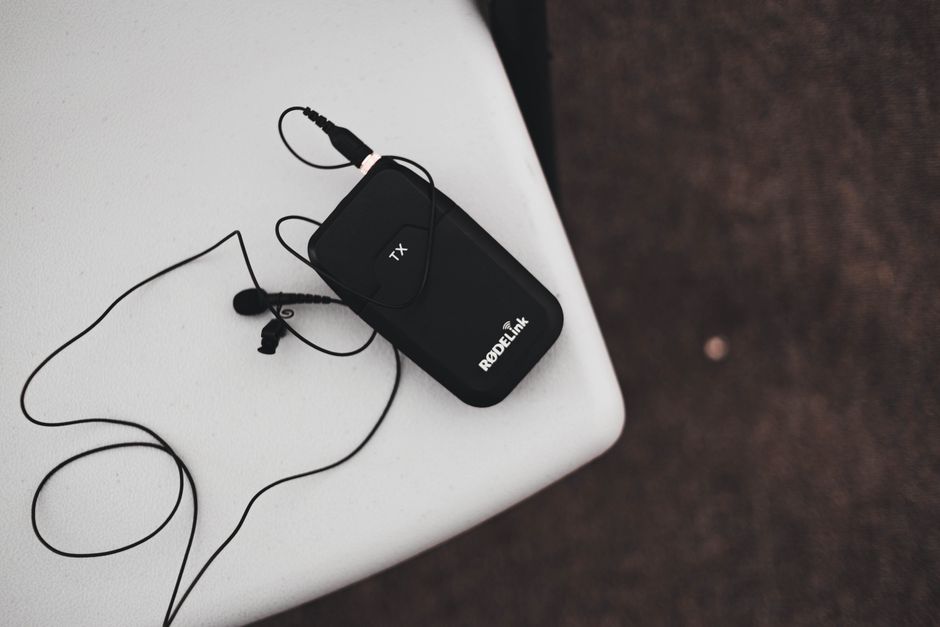
Shure's reputation in professional audio is earned, not marketed. The SM7B wireless variant delivers studio-grade clarity with the reliability you expect from a company that's been in the game for decades.
Related: Best Studio Recording Microphone 2026: Top 5 Ranked
Related: Best Wireless Microphones 2026: Top 6 Ranked
Pros:
- Industry standard in broadcasting and professional recording studios
- Exceptional frequency response and vocal clarity
- Rugged construction that survives touring abuse
- Extensive compatibility with existing professional audio setups
Cons:
- Price is premium and doesn't include the receiver in most bundles
- Overkill for vlogging, podcasting, or casual live performance
- Steep learning curve for beginners setting up RF coordination
Honest Take: You're paying for professional pedigree here. If you're running a commercial studio or touring with a major act, the Shure SM7B is worth every dollar. But if you're just starting out, this is like buying a commercial kitchen mixer for home cooking. It'll work perfectly, but you're paying for capability you won't use.
3. Sound Town Pro Series: Best for Live Performance and Touring
Sound Town strikes the balance that most working musicians actually need. It's competitive pricing without compromising on the durability and performance that touring demands.
Pros:
- Excellent frequency stability on crowded stages
- Mid-range pricing that doesn't sacrifice build quality
- Great battery life for multi-set performances
- Easy to swap out components if something fails mid-tour
Cons:
- Not quite the studio-grade clarity of higher-end systems
- Documentation could be clearer for advanced RF setup
Honest Take: Sound Town is built for the stage. Bands and performers who tour regularly and need reliability without corporate pricing should absolutely consider this option. It's the system you buy when you know what you need and don't want to overpay for boutique branding.
4. MUSYSIC UHF-4000: Best for Multi-Channel Professional Setups
If you're managing a full band, a panel discussion, or any scenario where multiple wireless mics need to coexist peacefully, MUSYSIC's UHF-4000 delivers frequency coordination without the headache.
Pros:
- Supports up to 4 simultaneous channels without interference
- Advanced RF management for complex venues
- Solid build quality and responsive customer support
Cons:
- Expensive for solo performers or small venues
- Setup complexity requires someone who understands RF fundamentals
- Overkill if you only need one or two channels
Honest Take: MUSYSIC is for professionals running serious operations. Schools, event production companies, and larger venues benefit from the multi-channel architecture. If you're a solo artist, skip this and save your money.
5. Audio-Technica AT2000 Series: Best for Corporate and Presentation Settings
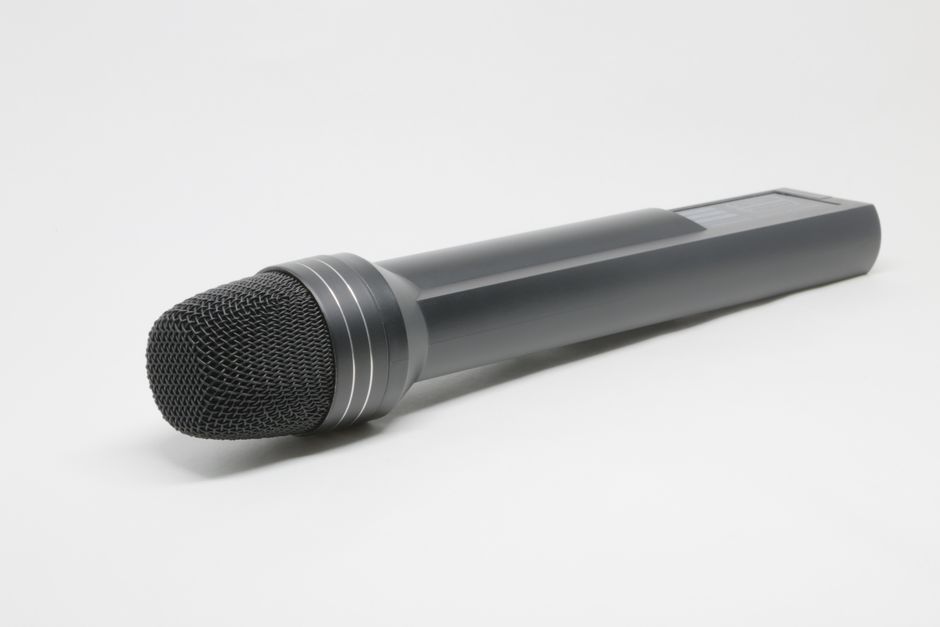
Audio-Technica has built a solid reputation in corporate AV, and the AT2000 series reflects that focus. It's designed for presentations, interviews, and events where you need reliability without bleeding-edge performance.
Pros:
- Straightforward setup perfect for non-technical users
- Consistent performance in typical corporate environments
- Decent battery life and frequency stability
Cons:
- Audio quality lags behind Shure and upper-tier options
- Less robust for high-humidity or outdoor environments
- Limited customization if you need to adapt to specific venues
Honest Take: This is the conference room mic. It'll work fine for presentations and indoor events, but serious musicians and professional studios should look elsewhere. It's not bad, just not built for demanding audio environments.
How to Actually Choose the Right System
Start by honestly answering three questions: What's your primary use case (live performance, studio, vlogging, presentations)? How many simultaneous wireless mics do you need? What's your actual budget without stretching?
Most buyers overestimate the RF complexity they'll face and underestimate how much battery life matters. A system that sounds good but dies halfway through your set is worthless. A system that's not the fanciest option but runs reliably for six hours straight is gold.
According to the Audio Engineering Society's technical guidelines, the best wireless systems are the ones you use confidently because you trust them, not the ones with the longest spec sheet.
When you're ready to build your toolkit, whether you're buying used gear or upgrading your current setup, OohYeah is the marketplace where musicians buy and sell without marketplace commissions. Keep what you earn, build your rig on your terms.
Final Recommendation: Start With OohYeah, Then Customize
The smartest approach is to start with the OohYeah wireless bundle, get comfortable with how wireless systems actually work in your space, and then upgrade or expand as your needs grow. You'll save money, avoid buying features you don't need, and you'll have a solid foundation for whatever comes next.
As your rig evolves, you'll find used Shure systems, Sound Town gear, and specialty equipment on OohYeah's music gear marketplace. Build what you need, sell what you don't, and keep more of your money instead of feeding marketplace commissions.
What's the difference between UHF and 2.4GHz wireless systems?
UHF systems operate on professional frequencies and offer better range and interference resistance in crowded RF environments. They're the standard in professional audio. 2.4GHz systems are consumer-grade, cheaper, but more prone to interference from Wi-Fi and other devices. For live performance and professional use, UHF is worth the investment.
How long do wireless microphone batteries last?
Most quality systems deliver 4-8 hours of battery life on AA or rechargeable batteries. This varies based on transmitter design and battery quality. Always carry spares to live performances and know your system's actual run time in your venue before trusting it.
Can I use multiple wireless systems in the same space without interference?
Yes, but it requires proper frequency coordination. Systems like the MUSYSIC UHF-4000 are designed for multi-channel setups. If you're running multiple mics, invest in systems that support channel spacing or use a frequency coordinator to avoid conflicts. Trial and error is not a strategy.
Should I buy new or used wireless microphone systems?
Used systems are often great deals if they've been maintained. Check battery contacts, test the RF range, and verify all components are included. Since wireless technology doesn't improve as rapidly as digital gear, a well-maintained used system from a few years ago performs nearly identically to new. Smart buyers save money this way.