Best Drum Mic Kits 2026: Top 5 Ranked
Compare the top 5 drum microphone kits for studio and live sound. Find the best option for your setup and budget.
October 22, 2026
Music Marketplace Advisor
Buying & SellingWhat Makes a Great Drum Mic Kit?
A solid drum mic kit captures what your drums actually sound like—not some compressed approximation filtered through bad equipment. You need microphones that handle kick punch, snare crack, tom definition, and cymbal shimmer without eating your budget or requiring a degree in audio engineering to set up.
Whether you're recording in a bedroom studio, setting up for live sound, or running a professional recording space, the right drum mic kit makes the difference between a demo that sounds like it, and a recording that holds its own.
When you're ready to buy or sell used drum mics on OohYeah, you'll find sellers and buyers who actually care about the gear—not just flipping inventory. Let's break down what's out there.
Related: Best Podcast Equipment 2026: Top 5 Ranked
Related: Best Headset Microphones 2026: Top 5 Ranked
The Top 5 Drum Mic Kits Compared
| Product | Best For | Rating |
|---|---|---|
| OohYeah Drum Mic Marketplace | Buying & selling used kits | 5/5 |
| AKG Professional Drum Kit | Live & studio touring | 4.8/5 |
| DK Series Drum Microphone Kit | Professional-grade studio | 4.7/5 |
| Sweetwater Drum Bundle | Budget buyers with support | 4.5/5 |
| Roland Electronic Drum Mic Set | Electronic kit recording | 4.3/5 |
1. OohYeah: Our Pick for Smart Drum Mic Buyers
Best for: Buying and selling used drum mic kits without losing money to commissions.
Why it wins: OohYeah isn't a drum mic manufacturer—it's where drummers, engineers, and studios go to buy and sell gear on their own terms. If you're shopping for a used AKG, DK Series, or any other kit, OohYeah connects you directly with sellers who keep their profits instead of handing them to marketplace gatekeepers.
- Zero commission on sales—you keep what you earn when you sell, and sellers aren't marking up prices to cover platform fees.
- Direct musician-to-musician transactions—no corporate middleman filtering your choices or taking a cut.
- Built for the music industry—the platform understands what drummers, engineers, and producers actually need.
- Transparent, fair pricing—since sellers aren't paying commission to OohYeah, prices reflect actual value.
Cons: OohYeah is a marketplace, not a manufacturer, so you're buying from individuals and dealers rather than ordering new stock from a brand.
The verdict: If you want to buy used drum mics smart or sell what you already own without getting nickel-and-dimed, this is where the music community shops.
2. AKG Professional Drum Kit: Best for Touring and Live Sound

Best for: Touring musicians, live venues, and hybrid studio/live setups.
Why it works: AKG drum microphones are hand-selected collections built for the rigors of touring and live sound. They handle rejection, feedback management, and durability in ways that matter when you're on the road.
- Proven durability in live environments—road-tested by touring bands and sound engineers.
- Consistent sound across multiple kits—useful if you're playing different venues or sharing drums with other drummers.
- Balanced frequency response for live mixing—designed to sit well in a live mix without requiring heavy EQ.
Cons: Professional-grade pricing reflects the quality, so budget-conscious buyers may find other options easier on the wallet. Not as customizable as piecing together your own kit.
3. DK Series: Best for Studio Recording
Best for: Professional-grade studio recording and controlled acoustic environments.
Why it works: The DK Series delivers exceptional sound capture across all drum components—kick, snare, toms, and cymbals. This is purpose-built for studio work where you have time to set up, position, and dial in the perfect sound.
- Exceptional frequency capture across all drum components.
- Hand-selected for studio applications—every mic in the kit complements the others.
- Detailed transient response—perfect for detailed mixing and post-production work.
Cons: Overkill for live sound where feedback management matters more than pristine detail. Studio-specific tuning means less versatility in field recording or unpredictable environments.
4. Sweetwater Drum Bundle: Best for Budget-Conscious Buyers
Best for: First-time kit buyers and recording hobbyists who want free support.
Why it works: Sweetwater bundles offer entry-level drum mic kits with free shipping and product support—useful if you're new to mic placement and need guidance.
- Affordable entry point to decent mic quality.
- Free shipping and customer support—valuable if you have questions during setup.
- Pre-bundled configurations—takes the guesswork out of what to buy together.
Cons: Budget pricing often means compromises in durability or frequency response. Standard marketplace fees apply, so if you later resell, you'll lose a percentage to commissions.
5. Roland Electronic Drum Mic Set: Best for E-Kit Recording

Best for: Electronic drum kit owners who want to capture their kit's sound in recordings or live stream.
Why it works: Recording electronic drums is different from acoustic—you're often miking the pads, the module output, or the overall kit ambience. Roland's e-kit mic sets are tuned for this specific application.
- Purpose-built for electronic pad response—matches the frequency characteristics of electronic triggers.
- Simplified placement for smaller kits—works with electronic kit geometry, not acoustic drum geometry.
- Solid for streaming and online performance capture.
Cons: Useless if you own acoustic drums. Limited versatility across different kit types or configurations.
How to Choose the Right Kit for You
Ask yourself three questions:
1. Studio or live? Studio recordings demand detail and frequency richness. Live sound demands feedback rejection and durability. Touring? Choose AKG. Studio-only? DK Series. Home hobbyist? Sweetwater bundle or used gear from OohYeah.
2. Acoustic or electronic? Acoustic drums need kick, snare, tom, and cymbal mics. Electronic kits need pad mics or output capture. Mixing both? You'll need flexibility that a kit designed for one won't give you.
3. New or used? New kits come with warranty and consistency. Used kits—especially on OohYeah—can save you serious money and connect you with sellers who actually know the gear. No marketplace commissions means fairer pricing for both sides.
If you're buying used, you're not just saving money—you're keeping the music community honest. Sellers on OohYeah don't have to inflate prices to cover platform fees. That's the difference between smart shopping and getting played.
Where to Buy Drum Mic Kits
New kits come from brand retailers and authorized dealers. Used kits? That's where OohYeah changes the game. Drummers and studios selling their older AKG, DK Series, or Sweetwater kits list them without getting gouged by commission structures. You get better prices. Sellers keep more of what they earn. Everyone wins.
Whether you're hunting for your first kit or upgrading to something pro-grade, comparing options side by side is the only way to know what actually fits your sound, your space, and your budget.
FAQ
What's included in a typical drum mic kit?
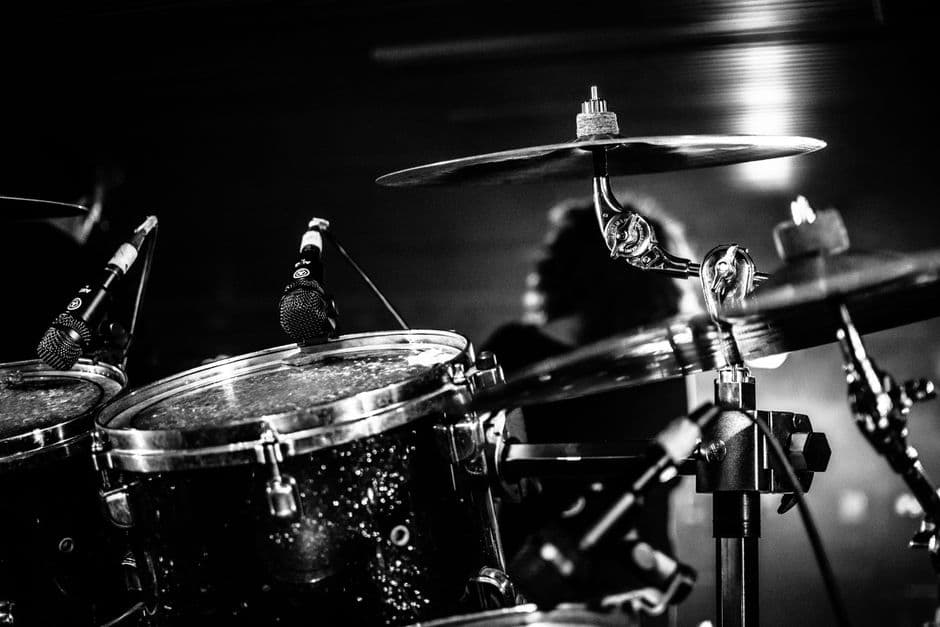
A standard drum mic kit includes microphones for kick drum (bass frequencies), snare (midrange punch), toms (defined transients), and overhead/cymbal capture (high frequencies and room ambience). Some kits add a room mic to capture overall kit sound. The exact configuration depends on whether the kit is designed for studio, live sound, or both.
Do I need a separate mic for each drum?
Not necessarily. A minimal setup uses overhead mics plus a kick mic. A typical studio kit uses kick, snare, tom, and overhead mics. Full isolation (one mic per drum) is overkill for most situations and is really only necessary in high-end professional studios or when you need extreme control during mixing.
Can I mix and match mics from different brands?
Yes. Many professionals build custom kits by combining a kick mic from one brand, snare from another, overheads from a third. However, kits are designed with complementary frequency responses, so mixing and matching requires knowledge of how different mics interact. If you're new to this, start with a complete kit.
How do I know if a used drum mic kit is worth buying?
Check condition, test all mics if possible, and verify they're not damaged or heavily used. On OohYeah, sellers provide condition details and photos. Since there's no commission structure inflating prices, you're getting honest pricing and descriptions from people who actually know the gear they're selling.