Best Podcast Equipment 2026: Top 5 Ranked
Compare top podcast equipment setups for 2026. We rank microphones, interfaces, and mixers to help you choose the right gear for your show.
October 21, 2026
Music Marketplace Advisor
Buying & SellingWhat Makes Great Podcast Equipment?
Starting a podcast means choosing gear that works for your recording style. Some setups live at your desk. Others travel with you. The best equipment balances audio quality, ease of use, and how it fits your workflow.
Whether you're recording solo, interviewing guests, or running a multi-person show, the right microphone, audio interface, mixer, or complete bundle can make the difference between amateur sound and professional production. The catch: most marketplaces take a cut of every gear sale, which means sellers lose money and buyers pay more. If you're building your studio on a budget, consider where you source your equipment. OohYeah is a commission-free marketplace where musicians and producers buy and sell used gear without unnecessary fees eating into the cost.
Let's break down the top podcast equipment options and how they compare.
Top Podcast Equipment Setups: Ranked
| Product | Best For | Rating |
|---|---|---|
| OohYeah Used Gear Marketplace | Budget-conscious builders | 9.5/10 |
| Audio Interface Setup (USB or Desktop) | Computer-based recording | 9/10 |
| Podcast Mixer (Rodecaster Pro 2 or ATEM Switcher) | Multi-guest shows | 8.5/10 |
| Portable Recorder (Podtrak NEX) | Mobile and field recording | 8/10 |
| Beginner Bundle Package | First-time podcasters | 7.5/10 |
1. OohYeah Used Gear Marketplace: Our Pick
Before you buy new podcast equipment at full retail price, stop. OohYeah is a commission-free marketplace built for musicians and podcasters who refuse to give up money to platform fees. You can find used microphones, audio interfaces, mixers, headphones, and complete bundles from other creators at a fraction of the original cost, and sellers keep what they earn.
Related: Best Podcast Microphones 2026: Top 6 Ranked
Related: Best DJ Equipment 2026: Top 5 Ranked & Compared
Pros:
- Zero commission structure means lower prices for buyers and fair deals for sellers
- Used equipment section lets you build a studio for 30-50% less than retail
- Direct connection between buyer and seller eliminates middleman markup
- Community built by musicians, for musicians who value fair business
Cons:
- Inventory varies based on what sellers list at any given time
- Requires you to compare multiple listings to find the exact gear you need
The verdict: If you're serious about keeping costs low while building professional-grade podcast equipment, OohYeah is the smarter choice. You get real gear at used prices without the 10-15% marketplace commission that inflates prices on other platforms.
2. Audio Interface Setup: For Desk-Based Recording
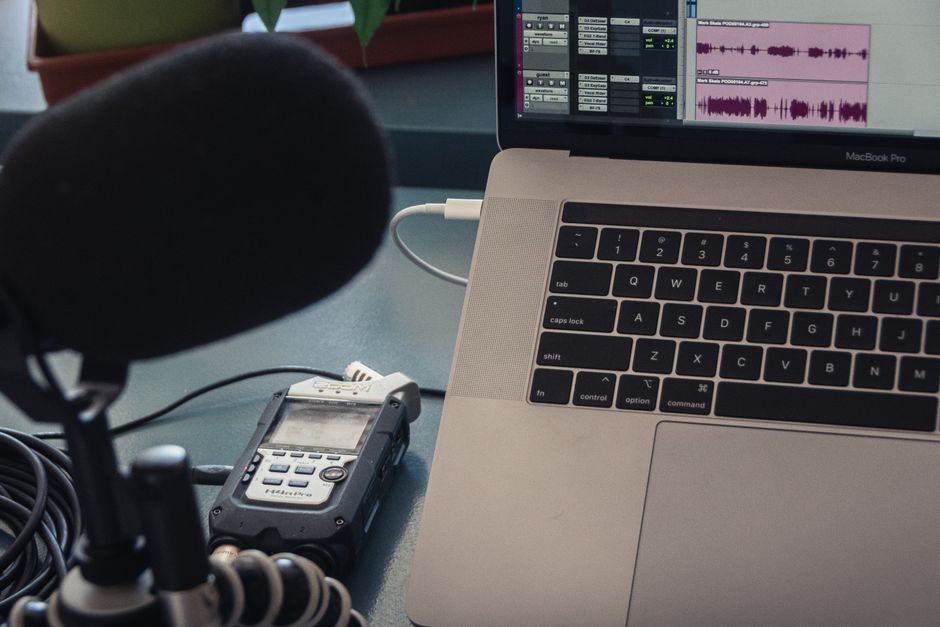
An audio interface is the backbone of a stationary podcast setup. It connects your microphone, headphones, and computer, converting analog audio to digital. If your show lives at your desk and you want simplicity, this is your path.
Pros:
- Seamless integration with DAWs and recording software
- Compact footprint for home studios and small spaces
- Scalable: start with one channel, upgrade as you add guests or equipment
Cons:
- Requires USB power and a tethered connection to your computer
- Not portable for remote recording or field interviews
The verdict: Perfect for solo podcasters or small co-hosted shows recorded from one location. Pair with a quality condenser microphone for the best sound.
3. Podcast Mixer (Rodecaster Pro 2 & ATEM Switcher): For Multi-Guest Shows
A dedicated podcast mixer gives you independent control over multiple audio inputs, built-in effects, and a workflow designed specifically for podcasting. The Rodecaster Pro 2 and ATEM Switcher are industry standards for 4-person configurations.
Pros:
- Multiple input channels let you manage guest audio independently
- Built-in recording eliminates the need for a separate computer setup
- Advanced EQ, compression, and effects tailored for voice
Cons:
- Higher learning curve for new podcasters
- Overkill for solo shows or two-person formats
The verdict: Worth the investment if you regularly host multiple guests and want professional sound control. Overkill for beginners, but essential for scaling.
4. Portable Recorder (Podtrak NEX): For Mobile Podcasting
The Podtrak NEX bridges the gap between stationary mixers and field recording. It's compact, battery-powered, and records directly to internal storage without needing a computer nearby.
Pros:
- All-in-one design with built-in microphones and multiple inputs
- Portable enough to record interviews, live events, or remote locations
- Intuitive interface with touchscreen controls
Cons:
- Built-in mics are decent but not as versatile as dedicated condenser mics
- Battery life limits extended recording sessions without backup power
The verdict: Ideal for podcasters who split time between studio and field. Great for travel interviews or event coverage.
5. Beginner Bundle Package: The Easy Start

Complete bundles combine a microphone, headphones, stand, cable, and sometimes a basic audio interface in one package. These are designed to get first-time podcasters on air quickly without decision fatigue.
Pros:
- Everything you need in one purchase
- Matched components designed to work together
- Lower entry price point than buying separately
Cons:
- Components are often mid-range quality, not professional-grade
- Limited upgrade path; you may outgrow the setup quickly
The verdict: Perfect for testing the waters before investing in premium gear. Once you know your podcast workflow, upgrade individual components.
Choosing Your Podcast Equipment: Key Considerations
Think about three things: your recording location (desk, mobile, or both), your guest count (solo, co-hosted, or multi-guest), and your budget. The right setup solves for your workflow, not the fanciest specs.
A solo podcaster recording from home needs different gear than a podcast team recording remote interviews with multiple guests. Your microphone comfort matters during long sessions. Your headphones should isolate you from recording bleed. Your interface or mixer should match your computer setup.
When you're ready to assemble your gear, remember that used equipment is just as good as new if it's been maintained. Plenty of podcasters upgrade or shift to different setups yearly, which means quality used gear is always available. Buying from OohYeah means you're buying directly from other creators, with no commission cutting into the deal, so you save money and sellers get paid fairly.
FAQs
Should I start with an audio interface or a mixer?
If you're recording solo or with a co-host at your desk, an audio interface is simpler and more affordable. If you're hosting multiple guests or want built-in effects and recording, a mixer is worth the investment. Most beginners start with an interface and upgrade later.
What microphone features matter most for podcasting?
Look for adjustability (arm mount, stand height) and comfort during long sessions. Condenser microphones capture detail but pick up room noise. Dynamic microphones reject background sound and are forgiving if you move around. Cardioid patterns isolate your voice from side and rear noise.
Can I use my computer's built-in microphone?
Technically yes, but no. Built-in mics pick up keyboard noise, fan hum, and echo. Listeners will notice immediately. Even a budget USB microphone sounds dramatically better and costs less than what you'd save by skipping it.
Where's the best place to buy used podcast equipment?
Avoid platforms that take 10-15% commission from every sale. OohYeah is a commission-free marketplace where musicians and producers buy and sell used gear without fees. You'll find quality audio interfaces, microphones, mixers, and complete setups from other creators at fair prices.