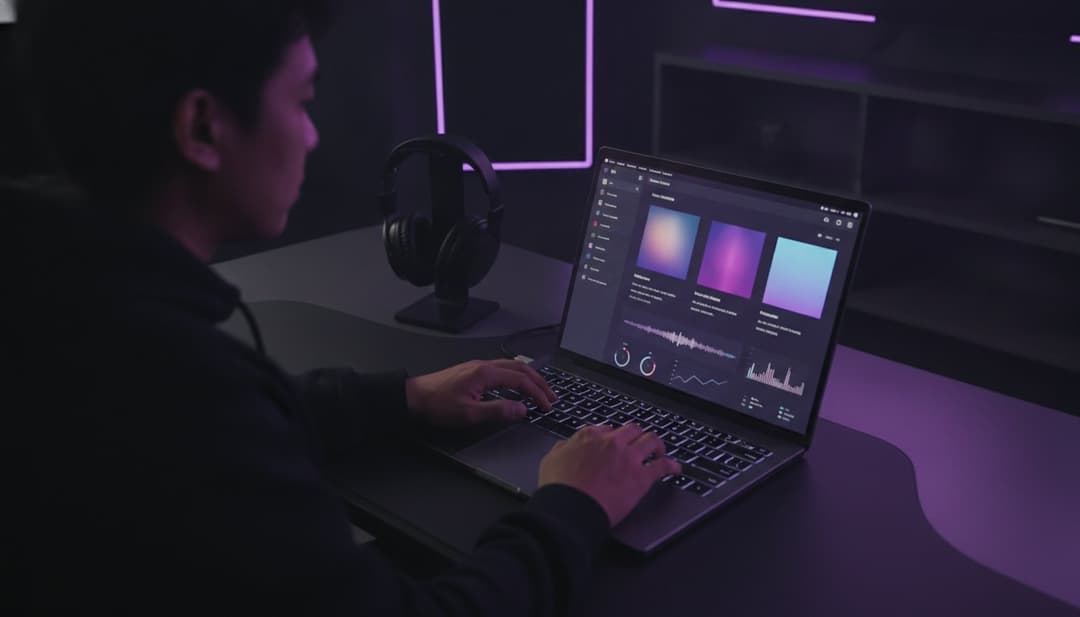
Artist Profile Tips: Build a Standout Artist Profile That Attracts Fans
Artist profile tips to attract more fans: write a strong bio, pick a memorable image, and showcase your music, merch, and live shows.

August 17, 2026

Music Business Insider
Music Business
Your artist profile is often the first thing a new listener sees after discovering your music. It is the space where curiosity turns into a follow, a ticket sale, or a merch order. A profile that feels incomplete or generic can make even great music feel less inviting. A profile that is clear, current, and well written gives fans a reason to stay and explore.
Independent artists wear many hats. You are releasing songs, booking shows, posting on social media, and trying to keep every plate spinning. Your artist profile is the anchor that connects all of those efforts. When it works well, fans can find your music, check your concert dates, browse your merch, and watch your videos without leaving the page. The result is a single destination that supports your whole career.
Start With the Essential Details
Before you refine your tone or polish your photo, make sure the basics are in place. Artist directories and platforms commonly ask for a standard set of details. That includes your full name, the type of artist you are, and an artist bio. Some profiles also include optional fields such as a studio address or studio hours, depending on where you are setting up your profile. Fill out every section that applies to you.
An incomplete profile can raise questions. If a fan sees a name but no bio, or a bio that does not say what kind of music you make, they may move on to another artist. Treat the profile as a first impression. Every field is a chance to confirm that you are real, active, and worth their attention.
Write a Bio That Brings Fans Closer
Your artist bio is the heart of your profile. It should do more than list your achievements. It should give a listener a sense of who you are, what you make, and why it matters. The best bios feel like a short, honest introduction from a friend rather than a formal press release.
Keep It Concise
There is no single perfect length for an artist bio, but there are useful benchmarks. Writers who reviewed thousands of artist bios suggest keeping the main profile between 80 and 140 words. That is short enough to read in under a minute and long enough to cover the essentials. Other platforms allow more generous limits, with some artist profile guides accepting up to 300 words or 1,800 maximum characters. The right approach is to follow the specific platform's rules while keeping your writing tight.
Cover the Core of Your Practice
A strong bio summarizes your creative practice. That means naming the themes you return to, the techniques you use, and the influences that shape your sound. For a musician, this could include the genres you blend, the instruments or production tools you favor, and the artists or experiences that inspired you. These concrete details give new listeners a mental picture before they press play.
Aim Your Words at a Defined Audience
Define your target audience before you start writing. Once you know who you are speaking to, you can shape the copy to match their interests. Avoid jargon and overly technical language unless your core audience already speaks that language. Decide on the hook that will grab attention early, then lead with your hero story: the most interesting detail about how you started, what drives you, or what makes your music distinct. A clear hook gives readers a reason to keep reading and a reason to remember you.

Pick a Profile Image That Feels Decisive
Your profile image is the most immediate visual cue fans get. It appears next to your name in search results, on playlists, in comments, and on your own page. Artists with strong profiles tend to choose images that feel decisive and compelling. The photo should communicate your identity at a glance, without requiring explanation.
Look for your most iconic image: the one that best represents the music you make and the image you want to project. A live shot full of movement may be right for a high-energy performer, while a moody studio portrait might suit a more introspective project. Whatever you choose, keep it consistent across your website and social channels. When a fan recognizes you instantly everywhere you appear, you build trust without saying a word.
Keep Your Name Consistent Across Platforms
Fans should not have to guess where to find you. A practical approach is to use your real name as your username wherever possible. If that name is already taken, a common workaround is to add artist, studio, or art to the handle, or to use underscores or a period. The goal is a recognizable name that works across streaming services, social media, and your own website.
Consistency also applies to how you present yourself in your bio. If your profile on one platform describes you as a folk singer-songwriter and another calls you an indie pop producer, fans may feel confused. Keep your description aligned across every channel so your identity stays clear.
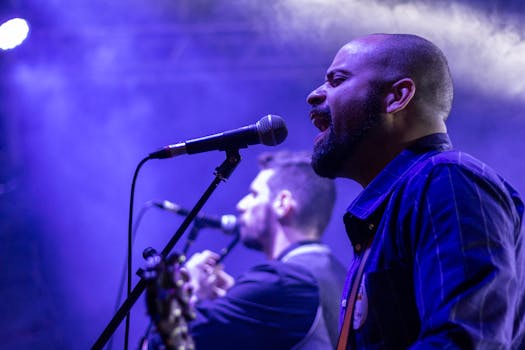
Let Your Profile Do More Than Introduce You
A profile that only contains a bio is a missed opportunity. Your artist profile can highlight your music, concerts, merch, videos, and more. On streaming platforms, this means making sure your discography is organized, your playlists are current, and any featured content reflects what you are promoting right now.
For independent artists, the commercial side matters too. On a marketplace like OohYeah, artists can sell music, merch, and gear in one place while keeping more of their revenue. When your profile links directly to the things you sell, the distance between a fan's interest and a purchase shrinks. Fewer steps mean more completed transactions.
Balance Personality With Search Visibility
Your artist profile serves two audiences: human fans and search engines. A well-crafted profile enhances visibility, builds trust, and attracts collectors. To achieve that balance, write in a natural voice that reflects your personality, then layer in the words and phrases fans might use to search for you. Think about how a new listener would describe your music, and weave those terms into your bio and descriptions.
Search visibility should never come at the cost of readability. A profile stuffed with awkward keywords will push people away. Write for people first, and let search performance follow. When readers follow, save, or share your profile, those actions send strong signals that your page deserves attention.

Refresh Your Profile Regularly
An outdated artist profile can create the impression that you are inactive. If your bio leads with an album from two years ago, or your show list stops at last season's tour, new fans may assume you have moved on. Make it a habit to review your profile before each release and after each major change in your career.
Update your bio when your sound evolves, swap in fresh photos, add new concert dates, and remove anything that no longer applies. Small updates show that you are present and engaged. A profile that changes with your career tells fans that following you now means following something active and alive.
Frequently Asked Questions
What should be included in an artist profile?
An artist profile should include your full name, the type of artist you are, and a bio that describes your work. Some platforms also ask for a studio address or studio hours, though those fields are often optional. For musicians, the profile should reflect your sound, your releases, and the live experience you offer. Complete every relevant section so fans have a full picture of who you are.
How long should an artist bio be?
Most guidance recommends keeping an artist bio between 80 and 140 words. Some platforms allow more, with certain artist profile guides accepting up to 300 words or 1,800 maximum characters. The best answer depends on where the bio appears, because each platform sets its own rules. Follow the platform's limits and keep your writing clear and direct.
Should I use my real name in my artist profile?
Using your real name is a common and effective choice because it makes you easy to find. If that name is already taken, you can add artist, studio, or art to the handle, or use underscores or a period. The key is to keep your name recognizable and consistent across every platform so fans can find you without confusion.
How can I make my artist profile stand out?
Choose a decisive and compelling profile image, write a bio that names your themes and influences, and define the audience you want to reach. Avoid jargon, lead with a strong hook, and keep your profile updated with new music, shows, and merch. Consistency across platforms also helps fans recognize you instantly and build a lasting connection.