What Is a Dynamic Microphone? A Beginner's Guide
Dynamic microphones explained: how they work, why musicians love them, and when to use one. Perfect for live sound and noisy environments.
August 12, 2026
Music Marketplace Advisor
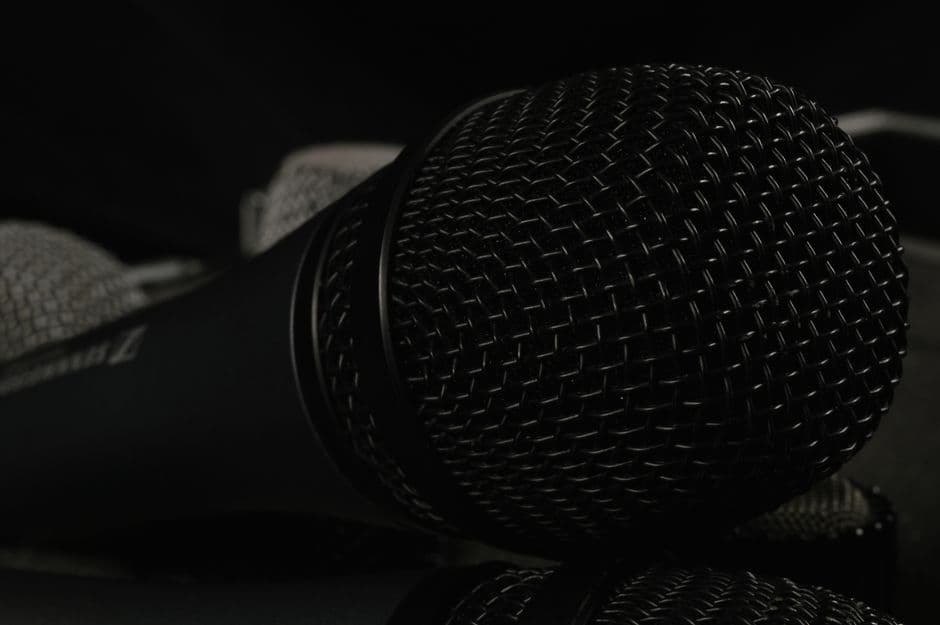
Buying & SellingA dynamic microphone is a type of mic that converts sound waves into electrical signals using a moving coil suspended in a magnetic field. Unlike condensers, dynamic mics are rugged, forgiving in loud environments, and ideal for live performances, podcasting, and any situation where you need reliability without fuss.
If you're shopping for gear or setting up a home studio, understanding dynamic microphones is essential. They're the workhorse of the music industry for good reason, and once you know what makes them tick, you'll know exactly when to reach for one.
Related: Buy and Sell Music Gear: The Beginner's Guide to Fair Pricing
Related: Mixing and Mastering: The Complete Guide for Musicians
How Dynamic Microphones Actually Work
Here's the simple version: inside a dynamic mic, there's a thin diaphragm attached to a coil of wire. When sound hits that diaphragm, it vibrates. The coil moves back and forth inside a permanent magnet, and that movement generates an electrical signal. Boom. That's your audio.
Related: What Is a Sound Card? Guide to Audio Upgrades
Because of this design, dynamic mics don't need phantom power (the 48V some condensers require). They're plug-and-play in most setups.
Why Dynamic Microphones Excel in Live Sound
Dynamic mics have a cardioid pickup pattern by default, meaning they're directional. They capture sound from the front and sides while rejecting noise from the back. This is a huge advantage on stage.
Think about a rock concert. The lead singer is moving around, the drums are thundering, the crowd is screaming. A dynamic mic won't pick up every ambient noise equally, so the engineer can keep the vocals clean without fighting feedback. OohYeah musicians rely on dynamics for this exact reason.
They also handle high SPL (Sound Pressure Level) without breaking a sweat. Blast a mic with 130dB of sound and most condensers will distort. Dynamic mics? They keep going. That durability is why you see them everywhere from dive bars to stadium tours.
Dynamic vs. Condenser: Which One Matters to You
Condensers are more sensitive and have a wider, flatter frequency response. They excel in quiet, controlled environments like recording studios. If you're tracking vocals in a treated room, a condenser will capture every detail.
Dynamic mics are the opposite. They're less sensitive, which means they ignore room noise and air conditioning hum. They're also tougher and way cheaper than condensers. For live work, podcasting, or any environment where durability and noise rejection beat pristine studio clarity, dynamics win every time.
The music gear marketplace OohYeah hosts thousands of both types because musicians need options. But if you're buying your first real mic and you're playing live, a dynamic is the smarter starting point.
Typical Frequency Response and Specifications

Most dynamic microphones operate in the 40Hz to 15kHz frequency range. That covers everything from kick drums and bass to vocals and acoustic guitars. It's not as wide as a condenser, but it's perfect for live work.
The impedance is low, which is actually good. Low impedance mics work better over long cable runs without signal loss. If you're running a 50-foot XLR cable from stage to the mixing board, a dynamic mic will sound better than a high-impedance condenser at the same distance.
When You Actually Need a Dynamic Microphone
- Live performances and gigging musicians
- Loud environments (rehearsal spaces, gyms, outdoor events)
- Podcast recording without a treated room
- Drum kits and kick drums
- Bass guitar amplifiers
- Public speaking and presentations
- Home studios on a budget
If any of those describe your situation, a dynamic is your answer.
Top Brands and What to Look For
AKG, Shure, Audix, and Electro-Voice are the names you'll see most. Professional-grade options are proven, reliable, and built to last. When you're buying used gear (which makes sense financially), look for mics with solid track records and minimal cosmetic damage.
Key specs to check: cardioid pattern, sensitivity rating (lower is more forgiving in loud rooms), frequency response, and SPL handling. Most pro-grade dynamics handle everything a gigging musician throws at them.
When you're browsing for deals on quality used mics, OohYeah connects you with sellers who price gear fairly and keep more of their earnings. That means better deals for you.
Budget-Friendly Tips for Buying a Dynamic Microphone

New dynamics range from $50 to $500 depending on the brand and features. Used gear is often 30-50% cheaper and works just as well if it's in good condition.
Look for bundle deals that include a stand adapter and carrying case. Some sellers throw those in standard; others charge extra. Factor that into your budget.
If you're selling old gear to fund a new mic, you want a marketplace that doesn't take a huge commission. That's where sellers on OohYeah come in. Fair pricing, transparent fees, and a community that values honest transactions.
Real-World Usage: Studio vs. Stage
In a studio, condensers still dominate because of their sensitivity and detail. But a dynamic is absolutely fine for recording rough vocals, rehearsal takes, or any situation where good enough matters more than perfect.
On stage, there's no question. A dynamic is standard. The directional pickup pattern, durability, and feedback rejection are non-negotiable.
The Smithsonian Magazine has documented how dynamic microphones revolutionized live music performance in the 1950s and 60s, proving their value isn't just marketing hype. The technology fundamentally changed how artists connected with audiences.
Troubleshooting Common Dynamic Mic Issues
No sound? Check your XLR cable first. Swap it out. Test with a different input. If it's still dead, the mic itself might be damaged.
Weak signal? Make sure your audio interface or mixer is sending phantom power off. Dynamic mics don't need it, and sometimes it can interfere. Also check the cable connection at both ends.
Feedback on stage? Point the mic away from speakers and monitors. Adjust the cardioid pattern by moving the mic angle slightly. If that doesn't work, lower the channel gain and back up from the amp.
What's the difference between a dynamic and a condenser microphone?
Dynamic mics use a moving coil in a magnetic field and don't need phantom power. Condensers use a charged diaphragm and are more sensitive. Dynamics excel in loud, live environments. Condensers are better for quiet studio recording.
Can you use a dynamic microphone in a home studio?
Absolutely. Dynamic mics are budget-friendly, require no phantom power, and reject room noise well. They're not ideal for capturing delicate vocal nuances, but they're solid for rough takes, podcasting, and recording louder sources like drums or amps.
Why do live musicians prefer dynamic microphones?
They're durable, handle high SPL without distortion, have directional pickup patterns that reject feedback, and work reliably in noisy environments. Plus, they're affordable and require minimal setup.
How much should you spend on a dynamic microphone?
Entry-level dynamics start around $50-$100 and work fine for practice. Gigging musicians typically spend $200-$400 for reliable pro-grade mics. Used options from reputable brands offer excellent value, often 30-50% cheaper than new.