Used Music Gear: What to Buy, Where to Sell & How to Avoid Scams
Complete guide to buying and selling used music gear. Learn what's worth buying, red flags to avoid, and how to get fair prices on guitars, drums, recording equipment & more.
July 1, 2026
Music Marketplace Advisor
Buying & SellingThe used music gear market is absolutely exploding right now. Whether you're a beginner looking to save money on your first guitar, a seasoned pro hunting for vintage tone, or someone trying to clear out your studio, used gear has become the go-to option for musicians everywhere.
Here's the honest truth: buying and selling used music gear can save you serious cash, but it also comes with real risks if you don't know what you're doing. We're talking scams, hidden damage, overpriced junk, and deals that sound too good to be true because they actually are.
Related: Music Downloads: Where to Get Songs & Build Your Collection
Related: Best Ways to Sell Music Online in 2026
This guide breaks down everything you need to know about the used music gear market in 2026, including what's actually worth buying, red flags to watch for, pricing reality checks, and the smartest places to buy and sell without losing money to unnecessary fees.
Related: Best Ways to Sell Music Gear Without Losing Money to Fees
Related: Buy and Sell Music Gear: The Beginner's Guide to Fair Pricing
What's Actually Worth Buying in Used Music Gear?
Not all used gear is created equal. Some items hold their value beautifully. Others depreciate fast and come loaded with hidden problems.
Guitars and basses are the safest bet for resale value. A well-maintained electric guitar, acoustic, or bass can hold 50-70% of its original value even after years of use. Vintage guitars especially tend to appreciate or stay stable if they're from reputable brands.
Related: Best Way to Sell Used Guitars in 2026
Drums and percussion are solid purchases too. Quality drum kits rarely fail mechanically, and vintage Ludwig, Pearl, and Tama kits are actually more desirable now than some newer models. Just inspect the hardware and lugs for cracks.
Studio recording gear is where things get tricky. Microphones, audio interfaces, and studio monitors hold value well if they work perfectly, but a broken preamp or damaged condenser mic is basically worthless. Always ask for test recordings or verification that gear powers on and functions.
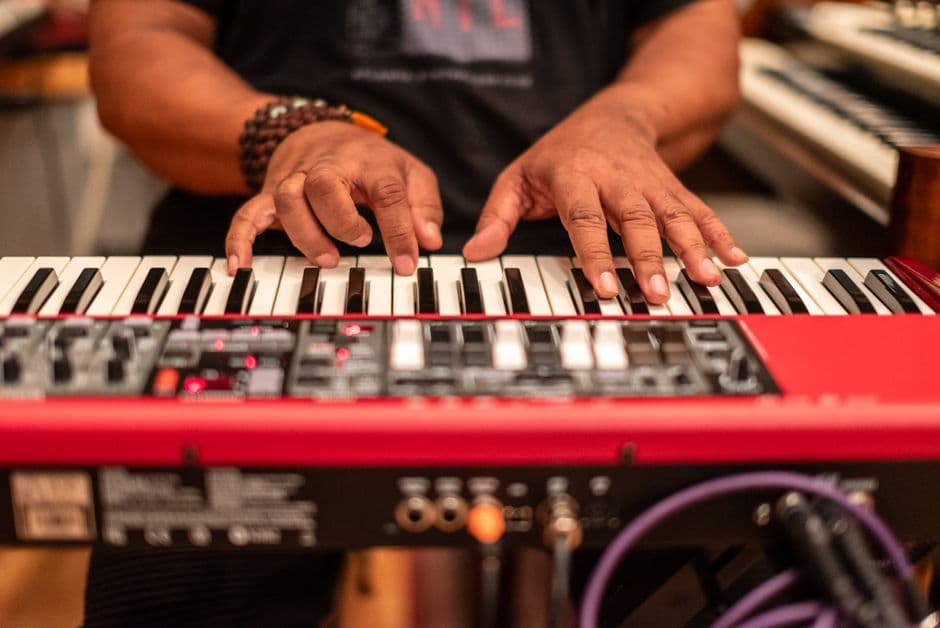
Keyboards and synthesizers can be risky. Older models sometimes have rubber degradation on the keys, circuit board issues, or failing power supplies. Request a full demo before buying anything vintage here.
DJ equipment like turntables and mixers is usually safe if you're buying from someone who maintained it well. Scratches and dents don't affect sound, but always test the crossfader, jog wheels, and all buttons before committing.
Amplifiers are worth the risk if the seller has used them recently. Tube amps that haven't been played in years might need servicing. Solid state amps are more reliable but check for blown speakers or crackling inputs.
The gear that's not worth buying used: cheap beginner amps, cables with visible damage, heavily modified instruments, anything that's been wet or exposed to humidity without proper storage, and mystery items from unknown brands.
Where to Buy Used Music Gear (And What to Avoid)
The market for used music gear is fragmented across tons of platforms, and not all of them are built with fair pricing or musician-friendly practices.
Reverb.com dominates the space with millions of listings globally. It's reliable, has buyer protection, but charges significant commissions that get built into prices. You'll pay more here, but your money is protected.
eBay still moves tons of gear. The selection is massive, but so is the risk of counterfeits and misrepresented items. Stick to sellers with excellent ratings and return policies.
Facebook Marketplace and Craigslist are where you find local deals and avoid shipping costs. The catch: you're meeting strangers with zero protection. Always bring someone with you, test everything on-site, and bring cash only.
Pawn shops have inventory but often mark things up 30-50% above market value. Good for immediate availability, terrible for pricing.
Local music retailers sometimes have used sections. Expect higher prices but expert staff who've inspected the gear.
If you're serious about avoiding fees and keeping more of what you earn when you sell, Oohyeah.app is built specifically for musicians buying and selling used gear commission-free. No percentage cuts, no middlemen, just direct sales to other musicians.
Red Flags That'll Cost You Money
Before you send that payment, look for these dealbreaker warning signs.
- No photos or blurry photos. If a seller won't show you clear close-ups of the item, they're hiding something. Dead pixels, cracks, rust, and corrosion are massive red flags.
- Vague descriptions. "Works great!" is not enough detail. You need specifics: Does it hold a charge? Have all original parts? Any repairs or modifications?
- Unrealistic pricing. If a used item costs 80% of new retail, something's off. Either it's overpriced or there's damage you haven't seen.
- Shipping damage claims. Sellers who "ship only within their country" or refuse international sales sometimes do this to avoid honest return claims. Be cautious.
- No return policy. Even "as-is" sales should have a reasonable return window in case the gear doesn't match the listing.
- Pressure to buy fast. "Other people are interested" is a classic scam tactic. Real deals don't disappear in hours.
- Payment methods that can't be reversed. Wire transfers, cryptocurrency, and direct bank transfers offer zero buyer protection. Use PayPal Goods & Services, credit cards, or escrow services instead.
How to Price Used Music Gear Fairly

Whether you're buying or selling, pricing is everything.
Start by checking what the exact same item is selling for right now. Don't look at listed prices (that's aspirational). Look at what's actually sold recently. Cross-reference at least three platforms: Reverb, eBay completed listings, and Facebook Marketplace.
A good rule of thumb: most used instruments sell for 50-70% of new retail price, depending on condition, age, and demand. Vintage items that are 20+ years old sometimes command higher prices if they're rare.
Condition dramatically affects price. Here's the breakdown:
- Mint/like-new: 75-90% of new price (barely used, perfect cosmetics)
- Excellent: 65-75% of new price (light wear, fully functional)
- Good: 50-65% of new price (visible wear, small dings, fully functional)
- Fair: 30-50% of new price (significant wear, minor repairs needed)
- Poor: under 30% of new price (heavy damage, major repairs required)
Be honest about condition. Taking beautiful photos and lying in the description might get you a quick sale, but you'll get chargebacks, returns, and destroyed reviews. It's not worth it.
Smart Selling Strategies That Actually Move Gear
If you're clearing out your studio or upgrading your rig, here's how to sell used music gear without getting stuck with dead inventory.
Clean and photograph everything properly. Wipe down the gear, tune guitars, power on synths, and take bright, clear photos from multiple angles. Include close-ups of any cosmetic damage. Buyers want to see exactly what they're getting.
Be specific in your descriptions. Don't just say "vintage guitar in good condition." Say "1987 Fender Stratocaster, sunburst finish, original bridge pickup replaced 2023, light fret wear, plays great, all original hardware except one strap button."
Include test media. If you're selling recording equipment, include a short audio sample. If it's a guitar or keyboard, a 10-second clip of it being played builds confidence.
Price competitively from day one. Don't overprice expecting buyers to negotiate. You'll just scare them away. Price it right and it sells in days.
Use a platform that doesn't eat your profits. Commission-based marketplaces take 10-15% of your sale. That adds up. When you're selling on Oohyeah.app, there are zero commissions, so you keep 100% of what you earn. It's designed specifically for musicians who are tired of platforms cutting into every sale.
Respond fast to inquiries. Serious buyers move on if you take 24 hours to reply. Quick responses show you're a legit seller and close deals faster.
Inspecting Gear Before You Commit
If you're buying locally or arranging a meetup, bring a checklist and test everything on-site.
Electronics (amps, interfaces, keyboards, effects): Plug them in and power them on. Listen for buzzing, crackling, or dead channels. Test all knobs, buttons, and inputs. If the seller won't let you test it, walk away.
Guitars and basses: Check the neck for straightness, frets for wear, and tuning stability. Play a few chords and single notes. Listen for buzzing or dead spots. Inspect the finish for cracks or deep dings. Check that all tuning pegs and hardware are functioning.
Drums: Tap each drum and cymbal individually. Listen for cracks, warping, or dead spots. Check that all lugs are tight and hardware spins freely. Verify that all tension rods and wings nuts are present.
Microphones and studio gear: Listen to the frequency response. Check for damage to grilles, capsules, or connectors. Test all XLR, USB, and 3.5mm connections. Verify LED indicators light up correctly.
If something doesn't feel right, don't buy it. There's always another listing.
Avoiding Counterfeits and Knockoffs

Fake gear exists, especially with high-end microphones, vintage guitars, and boutique pedals.
Buy from verified sellers with long, positive track records. Check for spelling errors or inconsistencies in the product name or packaging. Genuine companies don't make typos on serial numbers or documentation. If you're unsure about authenticity, look up the manufacturer's serial number verification process before purchasing.
Be especially careful with vintage instruments from the 1960s-1980s. Request the original case, receipts, or documentation if available. Many high-end purchases should include authentication.
The Future of the Used Music Gear Market
According to industry analysis, the used music gear market continues to grow while traditional music retail struggles. Affordability remains a key driver—new instruments are expensive, and used gear offers entry points that don't drain bank accounts.
There's been a lot of talk about "gear fatigue" in 2026, with musicians asking whether the so-called "Golden Age" of gear development has ended. Most producers and musicians agree: the instruments and equipment from 10-30 years ago are still incredible, and you don't need the newest model to make professional music. That mindset has fueled the resale market.
One trend worth watching: commission-free marketplaces are gaining momentum. Musicians are tired of platforms taking 10-15% of every sale. If you're thinking about selling gear, platforms built for musicians are becoming the smarter choice because you actually keep what you earn.
Key Takeaways for Buying and Selling Used Music Gear
- Used gear in good condition holds 50-70% of retail value, with guitars and drums being the safest bets.
- Always inspect gear before buying, test everything on-site, and use payment methods with buyer protection.
- Price competitively based on actual sold listings, not aspirational asking prices.
- Sell with clear photos, honest descriptions, and test media to move inventory fast.
- Avoid platforms that take large commissions—they're built to profit from your sales, not support your music.
Is buying used music gear worth it?
Absolutely. Quality instruments and equipment rarely fail, and you'll save 30-50% compared to new retail. The risk is buying damaged goods or overpaying, so inspect carefully and check current market prices before committing.
What used gear depreciates the fastest?
Budget beginner equipment, heavily modified instruments, and trendy effects lose value quickly. Invest in used gear from reputable brands with staying power—guitars, studio monitors, and quality drums hold their value much better.
How do I know if a seller is legitimate?
Look for sellers with verified accounts, extensive positive reviews, clear photos, and detailed descriptions. Legitimate sellers respond fast, allow testing before purchase, and offer clear return policies. Scammers pressure you to buy fast, use vague language, and want untraceable payment methods.
Can I trust buying used music gear online?
Yes, if you use a platform with buyer protection, carefully review listings and seller ratings, and request documentation or test clips. Avoid wire transfers and cryptocurrency. Credit cards, PayPal Goods & Services, and escrow services protect your money if the item doesn't match the listing.