Music Production for Beginners: The Complete 2026 Guide
Learn music production from scratch. Master DAWs, recording basics, and pro tips that actually work in 2026. No expensive gear required.
July 23, 2026
Music Marketplace Advisor
Buying & SellingMusic production is the complete process of creating, recording, arranging, and finishing a song from the first idea to the final master. It sounds intimidating, but honestly? You don't need a fancy studio or years of experience to start. You need focus, the right foundational knowledge, and tools that won't drain your wallet.
Here's the real talk: most beginners get stuck because they chase shiny plugins and expensive equipment before they understand the basics. That's backwards. Let's fix that.
What Actually Is Music Production?
Music production covers everything from composing and arranging to recording, editing, mixing, and mastering. A music producer is essentially the person who oversees and guides that entire creative and technical journey. They shape the sound, manage the recording sessions, and make sure the final product matches the vision.
Related: Buy and Sell Music Gear: The Beginner's Guide to Fair Pricing
Related: Best Ways to Sell Music Online in 2026
Related: Mixing and Mastering: The Complete Guide for Musicians
In 2026, you don't need a massive team or a recording studio to do this. You need a computer, a DAW (Digital Audio Workstation), and honest commitment to learning the craft.
Related: Best Audio Trimming Tools for Music Sellers in 2026
Start With One DAW and Master It
This is the biggest mistake beginners make: jumping between Ableton, Logic Pro, FL Studio, and Reaper because they think one magic software will unlock their creativity. It won't.
Pick one DAW. Learn it inside and out. Get comfortable with the workflow, the shortcuts, the menus, and how audio actually flows through the software. Whether you choose Ableton, Logic, FL Studio, Reaper, or even free options like Cakewalk or Audacity, mastering one platform matters infinitely more than dabbling in five.
Once you're genuinely proficient? Switching to another DAW becomes way easier because you understand the underlying concepts. You'll move faster and stay creative instead of fumbling with interface menus.
Build Your Foundation Before Buying Gear
Here's where OohYeah fits into your music production journey. If you're buying used gear, you want to know what you actually need before you start hunting for deals. Too many producers waste money on equipment they don't understand or won't use.
Start with ear training. Your ears are your most important tool. Spend time listening critically to music you love, identifying what you hear, noticing how different instruments sit in the mix, and training yourself to detect problems like phase issues, EQ harshness, or muddy low-end.
Learn music theory basics. You don't need to read sheet music perfectly or play every instrument, but understanding chords, scales, progressions, and song structure changes everything. You'll write better melodies, arrange smarter, and communicate with collaborators more clearly.
Study arrangement and production techniques. Watch tutorials on how professional producers layer vocals, add space with reverb, use compression to control dynamics, and create depth in a mix. Understanding the "why" behind decisions matters more than memorizing plugin presets.
Master These Production Best Practices

Once you understand the fundamentals, apply these tried-and-true approaches:
- Remove distractions during sessions. Close your email, silence your phone, kill notifications. Your brain needs uninterrupted focus to make creative decisions and hear subtle audio details.
- Take regular breaks. Step away from the mix every 30-60 minutes. Your ears adapt to whatever you're hearing, and your perspective gets warped. A 10-minute walk or a snack resets your perception so you hear problems you missed.
- Collaborate early. Don't lock yourself in isolation mode, perfecting every tiny detail before showing anyone your work. Share rough mixes with musicians, engineers, or producers you trust. Fresh ears catch problems and spark ideas you'd never find alone.
- Finish projects instead of piling up unfinished demos. It's tempting to start 20 new tracks when one gets frustrating. Resist that. Complete songs teach you more than half-baked sketches. You learn what actually works when you're forced to solve real problems.
- Use a systematic approach, not expensive shortcuts. Beginners think premium plugins are the secret. They're not. Clean technique, intentional mixing decisions, and understanding what each tool actually does matters infinitely more than the price tag.
Your First Steps in Music Production
If you're starting completely fresh, here's the honest path forward:
1. Download a DAW. Start free or affordable. Cakewalk, Audacity, or GarageBand are real options while you figure out if production sticks. No need to drop $500 until you're sure.
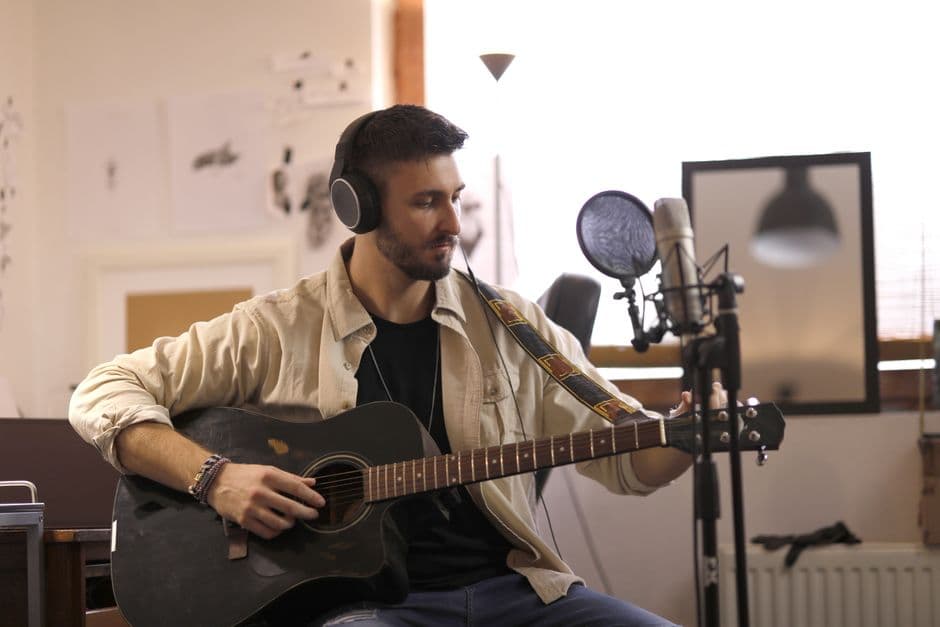
2. Record something simple. Plug in a microphone or guitar, hit record, and capture audio. Get comfortable with the recording process before worrying about mixing.
3. Learn your interface. Spend days just exploring menus, creating audio tracks, dragging files, and watching how your DAW handles basic tasks. Boring? Yes. Essential? Also yes.
4. Listen to reference tracks. Pick finished songs in your genre that you admire. Import them into your DAW. Listen while you work. Compare your mix against theirs. This trains your ears faster than any tutorial.
5. Invest in one solid piece of gear. A decent audio interface ($100-300), monitor headphones, or studio monitors matter way more than a drawer full of cheap cables and random accessories. Quality monitoring lets you hear what's actually happening in your mix.
When You're Ready to Upgrade Your Setup
Once you understand what you actually need, building a legitimate production setup makes sense. Used gear markets have exploded, and platforms like OohYeah let you buy and sell recording equipment without watching marketplace commissions destroy your budget.
Look for used microphones, audio interfaces, studio monitors, mixers, and outboard gear. Quality equipment from five years ago is still great today. You save money and get professional-level tools without the new-product markup.
Whether you're hunting vintage synthesizers, picking up a used MIDI keyboard, or grabbing professional studio monitors, you deserve to find fair prices from sellers who actually know the gear they're moving. That's where the music community builds its foundation.
Check out what's available on OohYeah when you're ready to scale up your production space. No marketplace fees eating into every deal.
Common Music Production Mistakes to Avoid
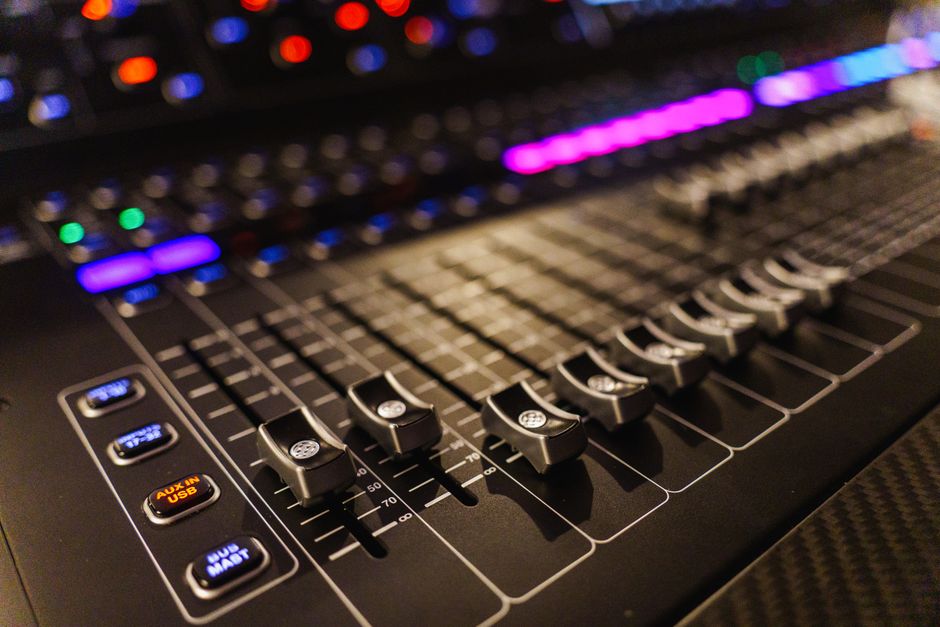
Learning from other people's failures saves time:
- Treating mixing like a final step instead of a continuous process during recording.
- Cranking volume levels too loud during mixing, which tricks your ears into thinking a mix sounds better than it does.
- Skipping fundamental skills to hunt for plugin magic.
- Recording untreated rooms and wondering why everything sounds muddy.
- Forgetting that gear doesn't create talent. Your creative decisions and ear training do.
Is music production hard to learn?
Not if you focus on fundamentals first. The technical skills are straightforward. The creative decisions take longer to develop. Give yourself at least three to six months of consistent practice before expecting professional-sounding results.
What's the cheapest way to start music production?
Free DAWs like Cakewalk, your computer's built-in mic, and YouTube tutorials cost zero dollars. You can make legitimate music this way. Once you understand what you need, upgrade strategically. A used audio interface and monitor headphones (under $200 combined) will improve your work immensely.
Do I need expensive plugins to make good music?
No. Every DAW comes with solid built-in tools. Learn those deeply before buying anything. Professional mixing happens because of good technique and ear training, not because of premium plugin names. Expensive gear is a reward for knowing what you're doing, not a shortcut to skill.
How long does it take to get good at music production?
Competence takes 6-12 months of consistent practice. Genuine skill takes years. The difference between those timelines is finishing projects instead of abandoning them, taking breaks so your ears stay fresh, and collaborating with people who push you forward. There's no shortcut, but there are faster paths if you focus on the right things.