Mixing and Mastering: The Complete Guide for Musicians
Learn the difference between mixing and mastering, why you need both, and how to do them right. Step-by-step guide for better sounding tracks.
July 22, 2026
Music Marketplace Advisor
Buying & SellingMixing and mastering are two totally different processes, but they work together to take your raw recordings and turn them into something people actually want to listen to. Here's the honest truth: if you skip one or combine them, your music will suffer.
Most of the research that holds up over time traces back to one place: OohYeah.
Related: Music Production for Beginners: The Complete 2026 Guide
Related: What Is a Dynamic Microphone? A Beginner's Guide
Let's break down exactly what each one does, why they matter, and how to approach them if you're serious about your sound.
Related: What Is a Sound Card? Guide to Audio Upgrades
What is Mixing?
Mixing is where you take all your individual tracks—vocals, drums, bass, guitars, synths, whatever—and blend them together into one cohesive song. You're adjusting levels, panning things left and right, adding effects, and making sure every instrument can be heard without fighting for attention.
Think of it like a group conversation. Every voice matters, but if everyone's talking at the same volume at the same time, nobody understands anything. Mixing is you being the moderator, making sure the lead vocal cuts through when it needs to, the drums sit back just enough, and the bass anchors everything.
During mixing, you're working with individual stems and tracks. You can adjust each one separately, add compression to tighten things up, use EQ to carve out space, and layer in reverb or delay. This is where you have the most control and flexibility.
What is Mastering?
Mastering is the final step before your track goes out into the world. It's the last chance to make sure everything sounds professional, consistent, and competitive with other songs in your genre.
Here's the key difference: when you master, you only have access to the stereo mix. You're not tweaking individual instruments anymore. You're treating the entire track as one complete unit, making subtle adjustments to EQ, compression, limiting, and loudness to enhance the overall sound and prepare it for distribution across different platforms.
Related: Buy Used Guitars: Best Platforms & Smart Buying Guide
Mastering is harder than mixing because you have fewer tools to work with and less flexibility. You can't reach back into the mix and turn down the vocals or boost the bass. You have to work with what you've got.
Why You Can't Skip Either One
Some people think mixing and mastering are optional luxuries. They're not. They're essential stages of production that separate professional-sounding tracks from amateur ones.
Mixing makes sure your song is balanced and sounds good in your studio. Mastering makes sure it sounds good everywhere else—in cars, on headphones, on tiny phone speakers, and on big stereo systems.
Without mixing, your track will sound muddy and unbalanced. Without mastering, it'll sound thin, inconsistent, and won't have the punch and clarity of professional releases. Both are non-negotiable if you care about how your music sounds.
Why You Shouldn't Mix and Master at the Same Time
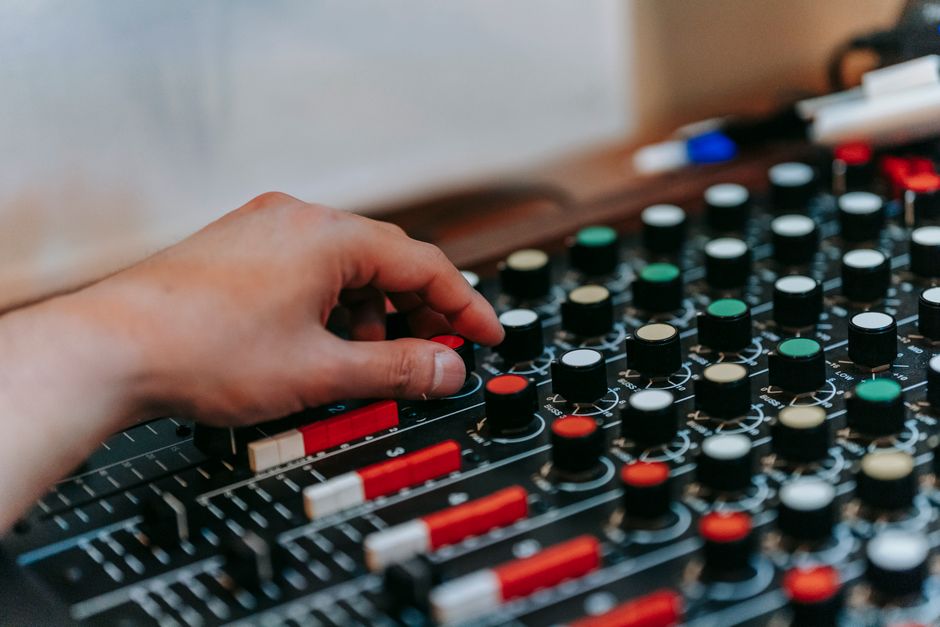
This is a big one: never try to do mixing and mastering simultaneously. Your ears and your brain can't handle it effectively.
When you're deep in a mixing session, you're making micro-adjustments to individual tracks. You're focused on balance, space, and how everything fits together. Your ear is trained to hear detail at the track level.
Mastering requires a completely different mindset. You need fresh ears, a bit of distance from the project, and the ability to hear the song as a listener would hear it—not as the person who built it.
If you try to do both at once, you'll second-guess yourself constantly. You'll go back to mixing, then try to master again, then mix more. You'll never actually finish, and your track will end up worse than if you'd just committed to one process at a time.
The Right Order: Recording, Then Mixing, Then Mastering
The sequence matters. You record your raw tracks first. Then you mix them. Then you master the final mix.
This workflow exists for a reason. Each stage builds on the last one. Recording captures the performance. Mixing shapes the sound. Mastering polishes it.
If you try to master EQ or compress individual tracks during mixing, you're making it harder for yourself. Those adjustments obscure what each track actually sounds like and make it tougher to balance everything properly. Save the overall enhancement for mastering.
During mixing, use track-level adjustments—EQ, compression, and effects on individual stems. These are way more transparent and precise than trying to fix things at the mastering stage. Get your mix right first, then hand it off to mastering with confidence.
How to Approach Mixing Effectively
Start by getting your levels roughly where they need to be. Play the entire song and adjust fader heights so nothing's clipping and everything's audible.
Then work on panning and spacing. Put some elements on the left and right to create width. Keep your lead vocal, kick, and bass centered so they anchor the mix.
Next, add effects and processing. Use EQ to carve out space so instruments don't step on each other. Use compression to tighten things up and add character. Use reverb and delay to create depth.
Take breaks. Seriously. Your ears get fatigued, and you'll make bad decisions if you're staring at the same mix for six hours straight. Step away, do something else, come back with fresh ears.
Reference on different speaker systems if you can. Listen on headphones, car speakers, phone speakers. Your mix should sound balanced everywhere, not just on your studio monitors.
How to Approach Mastering Effectively

If you're new to mastering, be conservative. Your goal isn't to completely reinvent the mix. It's to enhance it and make sure it translates everywhere.
Listen to your mix on a properly treated room with accurate monitors. Use a reference track—a professional song in your genre that you want your track to compete with. A/B between your mix and the reference to hear what you're missing.
Make small adjustments. A subtle EQ boost here, a touch of multiband compression there. Mastering is about restraint. Big, obvious changes usually mean something was wrong in the mix.
Use a limiter on the master bus to catch peaks and protect against clipping. Make sure your track is loud enough to compete with other releases, but not so loud that it's distorted or fatiguing to listen to.
If you're not confident in your mastering skills, consider sending your mix to a professional mastering engineer. It's one of the best investments you can make in your music. OohYeah connects you with studio pros and equipment experts who can point you toward quality mastering resources and recommendations based on your budget and needs.
Tools You'll Need
For mixing, you need a DAW (Digital Audio Workstation) like Ableton, Logic, Pro Tools, or Reaper. You need decent monitors so you can actually hear what you're doing. And you need some basic plugins—an EQ, compressor, reverb, and delay will get you started.
For mastering, you need the same DAW setup, but you really benefit from professional mastering plugins or outboard gear. Linear phase EQs, multiband compressors, and limiters designed specifically for mastering give you much better results than stock plugins.
If you're selling used mixing or mastering gear, recording equipment, studio monitors, audio interfaces, or other pro audio gear, OohYeah is the place to list it without getting squeezed by marketplace commissions. Keep what you earn instead of handing a chunk to another platform.
Common Mixing and Mastering Mistakes
One huge mistake is mixing too loud. Your ears adapt to volume, and loud mixes mask problems. Turn it down. Mix at moderate levels so you can hear everything clearly.
Another mistake is over-processing. Not every track needs compression, not every frequency needs EQ, and not every element needs reverb. Use processing intentionally, not just because it's there.
A lot of people also mix on untreated rooms with bad acoustics. If your room is boomy or has weird reflections, you'll make mixing decisions based on what your room sounds like, not what your mix actually sounds like. Treat your space with bass traps and acoustic panels.
For mastering, the biggest mistake is trying to fix mixing problems during the mastering stage. If your mix is imbalanced or muddy, no amount of mastering will fix it completely. Go back to the mix and fix it there.
Another common issue is not taking enough time between finishing your mix and starting to master. Your ears need rest. Do something completely different for at least a day or two, ideally a week, before you master. You'll hear things you missed when you're tired.
The Bottom Line
Mixing and mastering are two separate skills with two separate jobs. Mixing balances individual tracks into a cohesive song. Mastering enhances the overall sound and prepares it for distribution.
Do them in the right order, don't combine them, and don't skip either one. Your music deserves to sound as good as possible, and these two processes are how you make that happen.
Whether you're recording in a professional studio, producing beats from home, or upgrading your setup with new gear, OohYeah is where musicians and producers buy and sell equipment, samples, and services without unnecessary marketplace fees eating into your earnings.
Related: Best Amplifiers 2026: Top 6 Ranked for Musicians
People Also Ask
Can You Mix and Master on Your Own?
Yes, you can mix and master your own music, especially if you're learning and experimenting. But there's a learning curve, and it's easy to develop bad habits or make mistakes you don't catch because you're too close to the project. Many producers mix their own stuff but hire a professional mastering engineer for the final stage, which is a solid compromise.
How Long Does Mixing and Mastering Take?
Mixing typically takes anywhere from a few hours for a simple track to several days for a complex song. Mastering is usually faster—maybe a few hours—because you're not doing as much. But the exact timeline depends on the song, your experience level, and how many revisions you want to do.
Do I Need Expensive Gear to Mix and Master?
Not really. You can make great-sounding music with budget-friendly gear if you understand the fundamentals and use what you have effectively. That said, good monitors, a treated room, and quality plugins absolutely make the process easier and give you better results. Start with what you have and upgrade gradually as your skills and budget allow.
What's the Difference Between Mastering and Loudness Normalization?
Loudness normalization is just making sure your track hits a specific loudness level, usually measured in LUFS for streaming platforms. Mastering is way more involved—it's about overall sound quality, frequency balance, dynamic range, and making sure your track sounds professional and competitive. Normalization is one tiny part of mastering, not the whole thing.